ASUS TUF Gaming FA507UI-LP127-GAMING RAM upgrade specifications
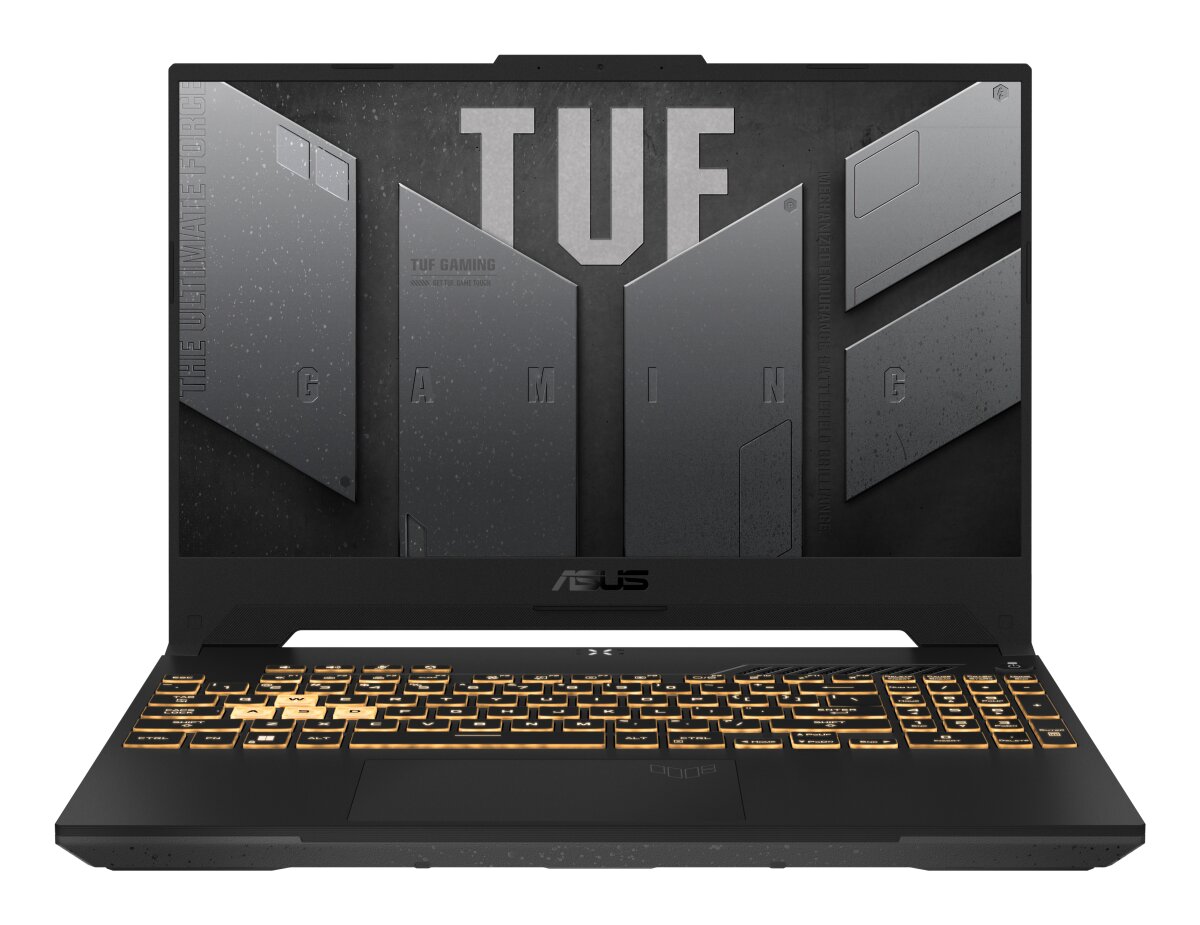
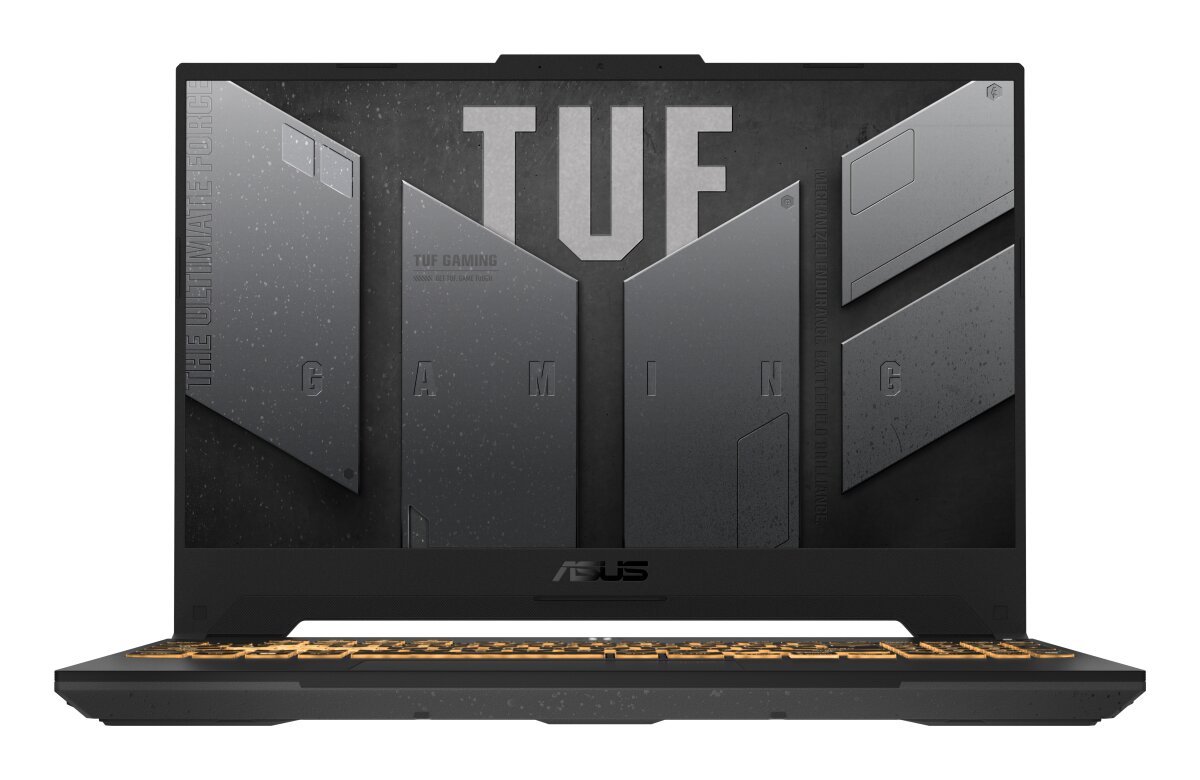
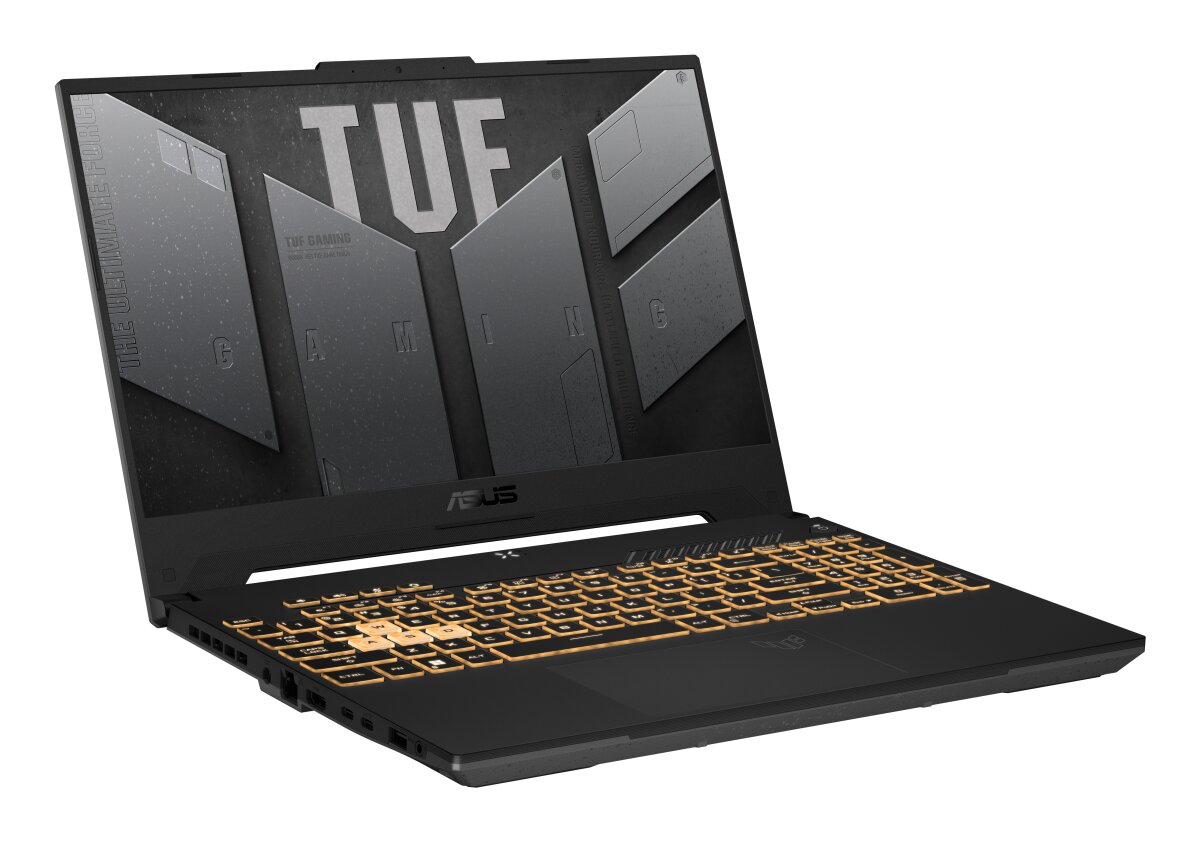
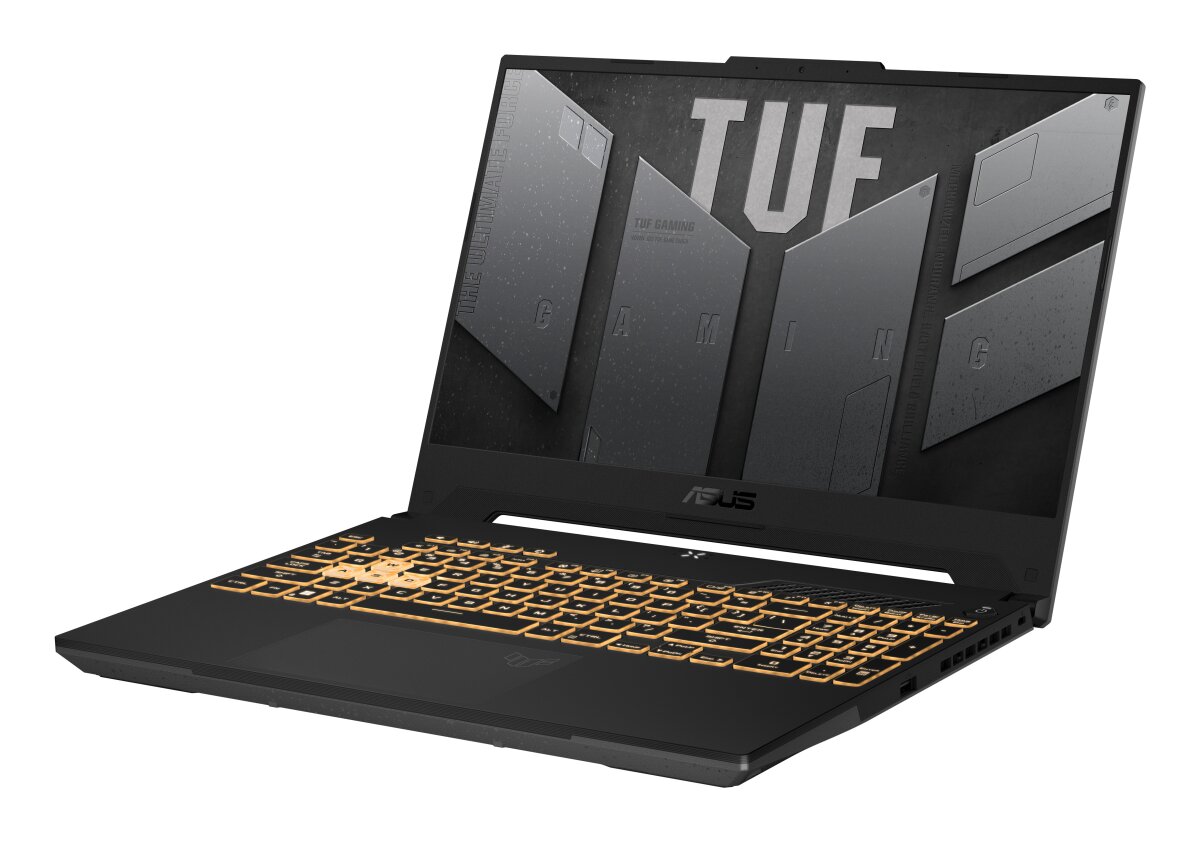
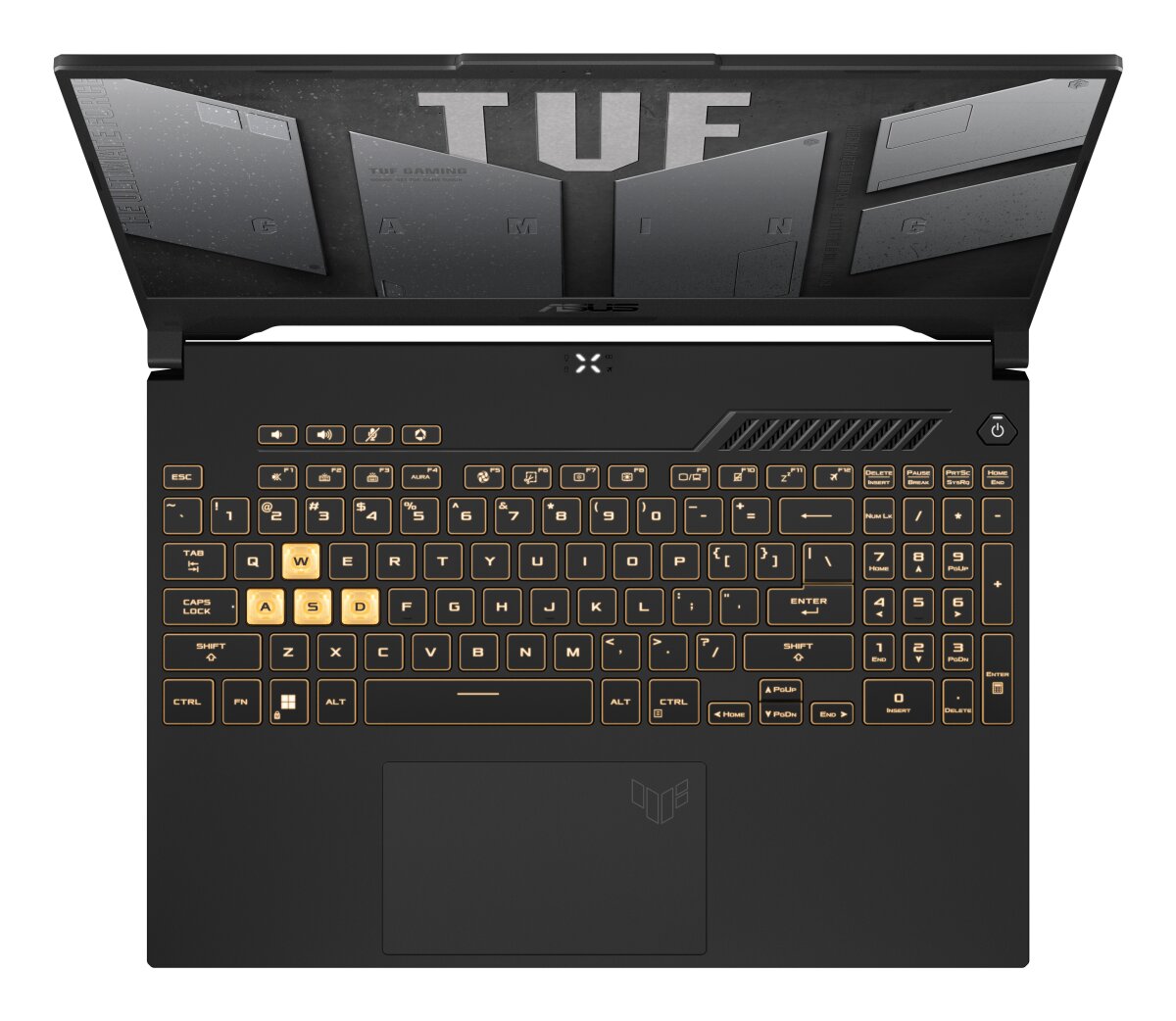
The ASUS TUF Gaming A15 FA507UI-LP127-GAMING laptop features DDR5-SDRAM memory specifications with two SO-DIMM slots for upgrades. Maximum RAM capacity reaches 32 GB total, supporting memory modules operating at 5600 MHz frequency. Compatible DDR5 SO-DIMM modules enable memory expansion upgrades to achieve specifications supporting enhanced performance and multitasking capabilities.
Memory Upgrade Specifications
| Specification | Value |
|---|---|
| Memory slots | 2x SO-DIMM |
| Form factor | SO-DIMM |
| Memory type | DDR5-SDRAM |
| Frequency | 5600 MHz |
| Maximum RAM | 32 GB |
| Voltage | 1.1V |
| Number of pins | 262-pin |
| Interface | PC5 |
| PC Speed Rating | PC5-5600 (PC5-44800) |
| Bandwidth | 44.8 GB/s |
Additional Notes
- The DDR5-5600 specification represents JEDEC standard speed, meaning most retail modules will operate at this frequency without requiring manual BIOS adjustments or XMP profile activation.
- The 32 GB ceiling typically reflects chipset or CPU integrated memory controller limitations rather than physical slot restrictions, making attempts to install higher capacity modules futile even if they physically fit.
- DDR5 SO-DIMM modules require 1.1V operating voltage, creating incompatibility with DDR4 modules which operate at 1.2V and feature different pin counts and notch positions.
- Installing mismatched capacity modules across the two slots will maintain dual-channel operation but only for the capacity matched between both modules, with excess capacity on the larger module reverting to single-channel mode.
- The ASUS TUF Gaming FA507UI-LP127-GAMING platform requires non-ECC unbuffered memory, as gaming-oriented laptops lack the memory controller pathways necessary for error-correcting code modules.
- Thermal considerations become relevant above 4800 MHz, as DDR5-5600 generates additional heat during sustained workloads compared to JEDEC baseline speeds, potentially triggering thermal throttling in confined laptop chassis.
- Warranty preservation requires avoiding physical damage to the SO-DIMM slot retention clips, which are more fragile than desktop DIMM mechanisms and prone to breakage during improper insertion angles.
- Mixing modules from different manufacturers may cause POST failures or stability issues despite identical speed ratings, as subtiming parameters and IC chip configurations vary between vendors.
- The SO-DIMM form factor measures 69.6mm in length compared to standard DIMM at 133.35mm, making desktop memory modules physically incompatible regardless of electrical specifications.
- Upgrading from single-channel to dual-channel configuration by populating both slots can yield 15-30% performance improvements in integrated graphics workloads and memory bandwidth-sensitive applications.