ASUS TUF Gaming FA507UV-HQ055W RAM upgrade specifications




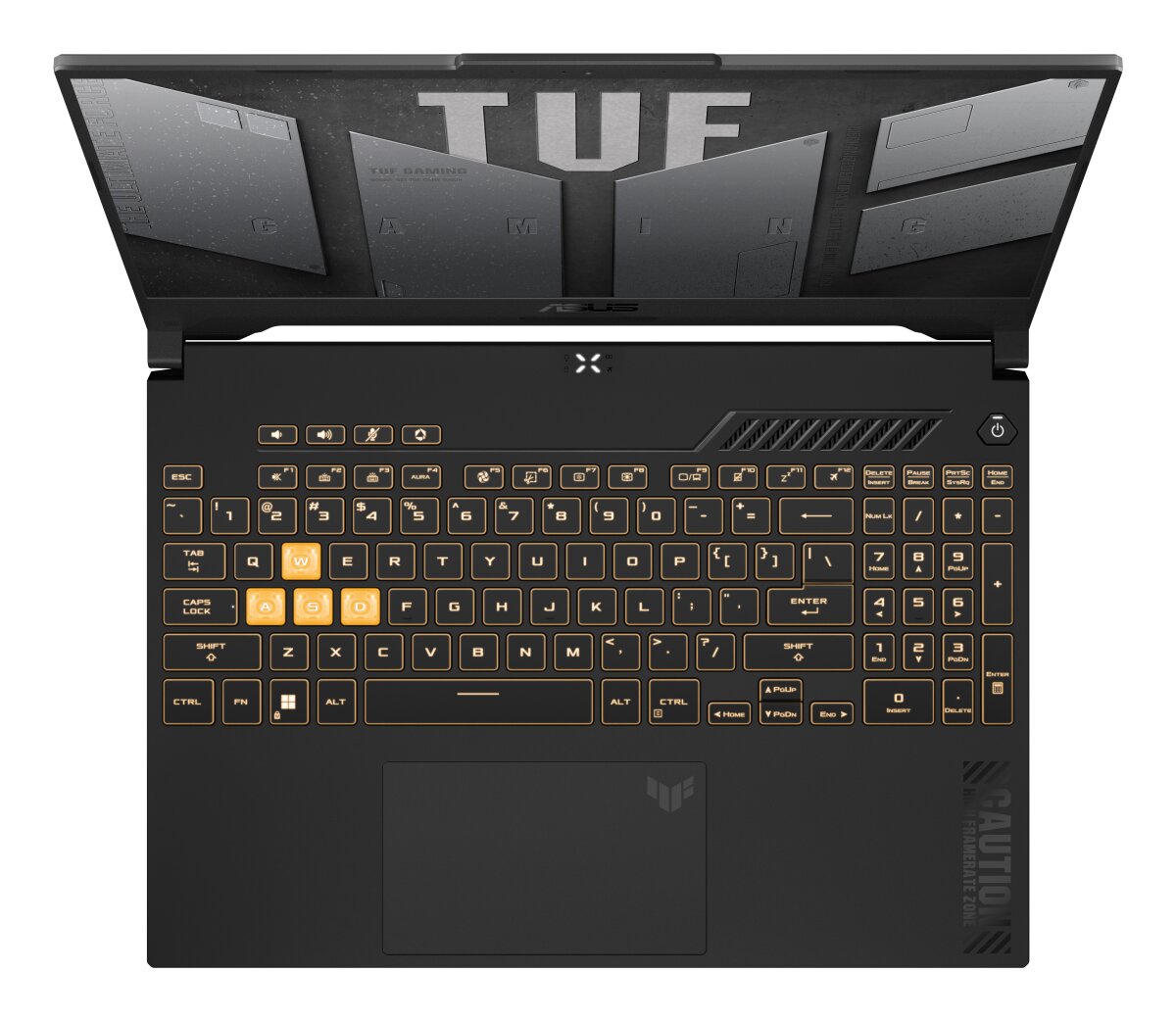
The ASUS TUF Gaming A15 FA507UV-HQ055W features DDR5-SDRAM memory upgrade capabilities with two SO-DIMM slots supporting maximum capacity of 32 GB. Compatible RAM specifications include DDR5 modules operating at 5600 MHz frequency. The laptop accommodates SO-DIMM form factor memory modules. Upgrade options allow installation of additional memory to enhance system performance, with specifications compatible with standard DDR5-SDRAM upgrades meeting the maximum 32 GB capacity threshold and 5600 MHz frequency requirements for this TUF Gaming series model.
Memory Upgrade Specifications
| Specification | Value |
|---|---|
| Memory slots | 2x SO-DIMM |
| Form factor | SO-DIMM |
| Memory type | DDR5-SDRAM |
| Frequency | 5600 MHz |
| Maximum RAM | 32 GB |
| Voltage | 1.1V |
| Number of pins | 262-pin |
| Interface | PC5 |
| PC Speed Rating | PC5-5600 (PC5-44800) |
| Bandwidth | 44.8 GB/s |
Additional Notes
- The ASUS TUF Gaming FA507UV-HQ055W contains 2 SO-DIMM slots with a combined capacity ceiling of 32 GB, meaning maximum expansion requires 2x16 GB modules rather than higher-density single sticks.
- DDR5-5600 MHz specification indicates the system controller enforces JEDEC standard validation at this frequency; aftermarket modules rated above 5600 MHz will downclock to this validated speed unless BIOS supports XMP/DOCP profiles, which may fall outside standard warranty coverage.
- SO-DIMM form factor restricts compatible modules to laptop-grade hardware; desktop DDR5 DIMMs are physically incompatible and cannot be force-fitted without permanent socket damage.
- The 2-slot architecture prevents staggered upgrade paths; users cannot add a single module to existing RAM and must replace or remove populated DIMMs to reconfigure capacity, creating temporary system downtime during transitions.
- Bandwidth saturation occurs when memory-intensive applications exceed the DDR5-5600 interface throughput; gaming and content creation workloads running above 65% RAM utilization may experience latency-induced frame rate reduction independent of GPU capability.
- SO-DIMM modules typically operate at higher junction temperatures than desktop counterparts due to space constraints and proximity to internal heat sources; thermal pads on premium modules may contact the chassis interior during full-height module insertion.
- Warranty modification risk applies when opening the system for memory access; adhesive seals on internal panels or RAM slot covers may be factory-applied, and their disturbance could void coverage depending on ASUS service policy documentation.