ASUS TUF Gaming FA507UV-LP009W RAM upgrade specifications

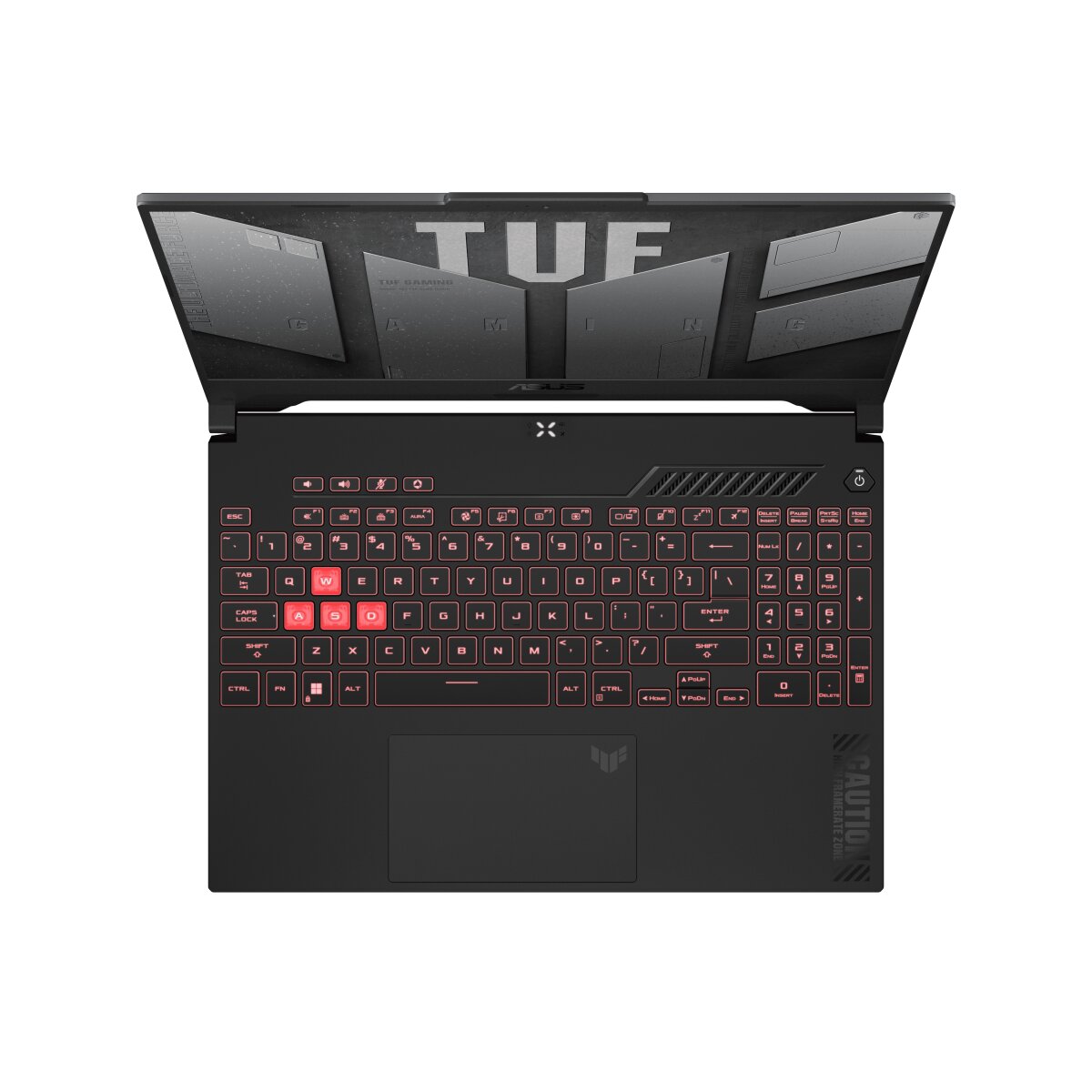


The ASUS TUF Gaming A15 FA507UV-LP009W features two SO-DIMM slots for memory upgrade capacity. Specifications include DDR5-SDRAM memory operating at 5600 MHz frequency. Maximum RAM capacity supported is 32 GB total. Compatible upgrades utilize SO-DIMM form factor modules. Current configuration and available upgrade options depend on factory specifications for RAM installation in this TUF Gaming A15 series laptop.
Memory Upgrade Specifications
| Specification | Value |
|---|---|
| Memory slots | 2x SO-DIMM |
| Form factor | SO-DIMM |
| Memory type | DDR5-SDRAM |
| Frequency | 5600 MHz |
| Maximum RAM | 32 GB |
| Voltage | 1.1V |
| Number of pins | 262-pin |
| Interface | PC5 |
| PC Speed Rating | PC5-5600 (PC5-44800) |
| Bandwidth | 44.8 GB/s |
| Laptop Release date | 09 January 2024 |
Additional Notes
- The ASUS TUF Gaming FA507UV-LP009W imposes a 32 GB ceiling per system rather than per slot, indicating individual module density cannot exceed 16 GB when both slots are populated.
- DDR5-5600 modules require motherboard support for JEDEC standard voltage of 1.1V, which differs from DDR4's 1.2V requirement and prevents backward compatibility with older memory technologies.
- The dual-channel SO-DIMM configuration delivers maximum memory bandwidth only when identical capacity modules occupy both slots, as asymmetric populations force single-channel operation on the excess capacity.
- DDR5's on-die ECC feature operates independently of user-accessible error correction, providing internal data integrity without exposing correctable error reporting to the operating system.
- Module compatibility depends on SPD programming that matches the 5600 MHz JEDEC profile, as higher-binned XMP/EXPO kits may default to lower speeds if the BIOS lacks overclocking support for mobile platforms.
- SO-DIMM retention clips require simultaneous outward pressure at 45-degree angles during removal, with incomplete disengagement causing PCB stress fractures along the notch alignment zone.
- The 5600 MT/s transfer rate provides 44.8 GB/s theoretical bandwidth per channel, though actual sustained throughput decreases by 15-20% under mixed read-write workloads due to command scheduling overhead.
- Warranty preservation requires verification that the bottom panel removal process does not break adhesive seals or tamper-evident labels positioned near memory bay access points.
- DDR5's higher prefetch architecture (16n vs DDR4's 8n) increases minimum burst length, which can reduce efficiency in applications with small, random memory access patterns below 128-byte granularity.
- Mixing modules from different manufacturers introduces potential timing mismatches in tRCD and tRP parameters, forcing the memory controller to adopt the slowest common denominator across both channels.