ASUS TUF Gaming FA507UV-LP010W RAM upgrade specifications
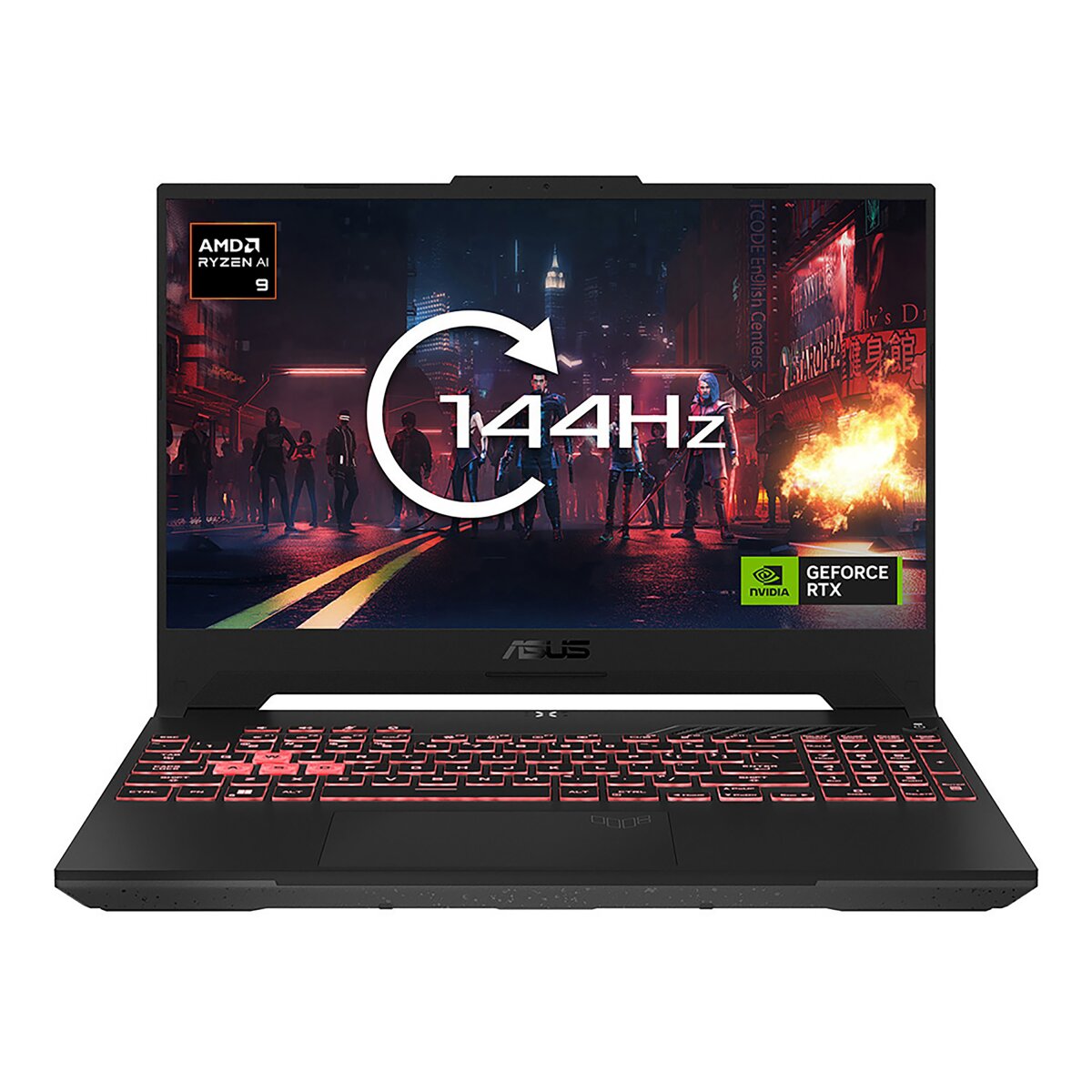

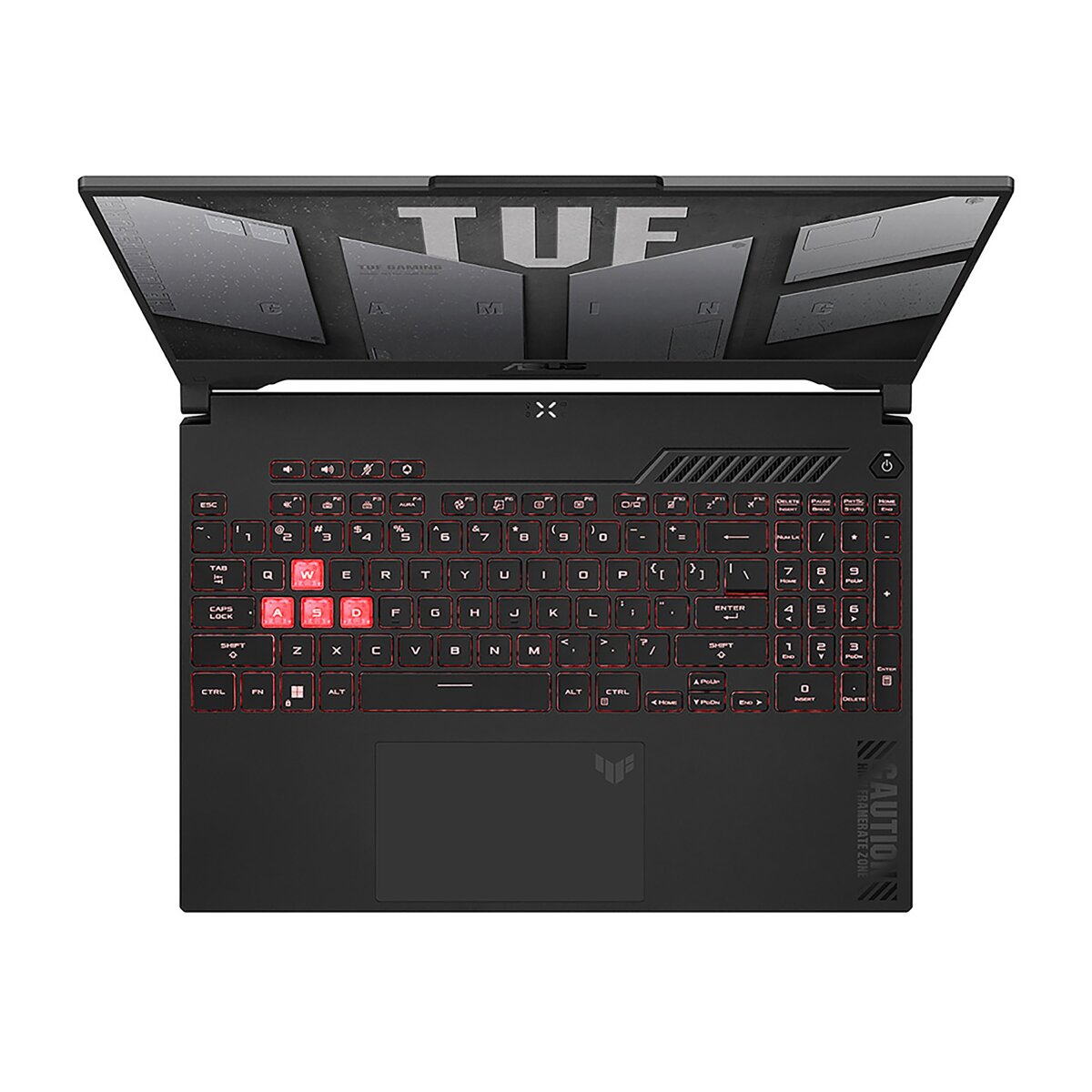
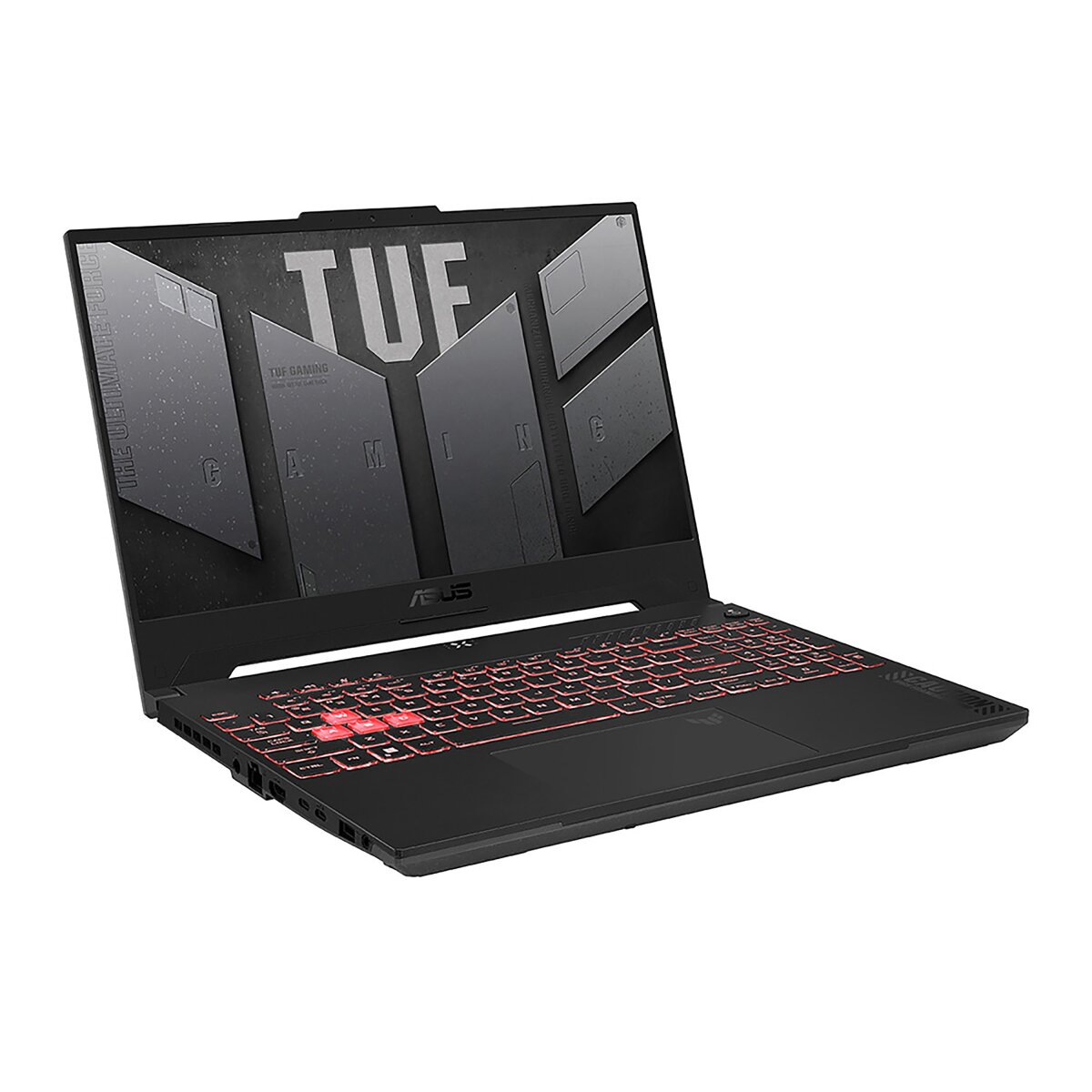

ASUS TUF Gaming A15 FA507UV-LP010W laptop features two SO-DIMM memory slots supporting DDR5-SDRAM upgrade specifications. Compatible RAM operates at 5600 MHz frequency with maximum capacity of 32 GB total memory. Upgrade configurations include single or dual module installations, with each slot supporting up to 16 GB DDR5 modules. Specifications conform to SO-DIMM form factor standards for portable computing devices.
Memory Upgrade Specifications
| Specification | Value |
|---|---|
| Memory slots | 2x SO-DIMM |
| Form factor | SO-DIMM |
| Memory type | DDR5-SDRAM |
| Frequency | 5600 MHz |
| Maximum RAM | 32 GB |
| Voltage | 1.1V |
| Number of pins | 262-pin |
| Interface | PC5 |
| PC Speed Rating | PC5-5600 (PC5-44800) |
| Bandwidth | 44.8 GB/s |
Additional Notes
- The dual-channel SO-DIMM configuration requires matched pairs operating at identical speeds to avoid automatic downclocking to the slower module's frequency.
- DDR5-5600 operates at 1.1V compared to DDR4's 1.2V, reducing thermal output but requiring motherboard compatibility verification before attempting cross-generation upgrades.
- The 32 GB ceiling translates to a maximum 16 GB per slot, preventing future expansion beyond this threshold without full module replacement.
- SO-DIMM modules physically measure 67.6mm compared to desktop DIMM's 133.35mm length, making standard desktop memory mechanically incompatible regardless of electrical specifications.
- DDR5's dual-channel architecture within each module provides 64-bit bandwidth per DIMM compared to DDR4's single 64-bit channel, effectively doubling theoretical throughput at equivalent clock speeds.
- Gaming workloads on this ASUS TUF Gaming FA507UV-LP010W benefit from DDR5's reduced latency penalties during burst operations, particularly in texture streaming and physics calculations.
- Mixing different RAM capacities across slots maintains functionality but may disable flex mode optimizations, forcing asymmetric channel operation with measurable performance degradation.
- The 5600 MHz specification represents JEDEC standard speed rather than overclocked XMP profiles, ensuring broader module compatibility without BIOS adjustments.
- Third-party modules must support JEDEC's on-die ECC implementation inherent to DDR5 architecture, as non-compliant chips will trigger POST failures during initialization.
- Warranty preservation requires maintaining manufacturer-approved configurations, as unauthorized capacity upgrades beyond stated limits may void coverage despite physical installation capability.
- The SO-DIMM slot mechanism includes retention clips rated for approximately 50 insertion cycles before spring tension degradation affects secure module seating.
- Power delivery circuitry supporting 5600 MHz operation generates specific heat profiles requiring maintained airflow paths during upgrades to prevent thermal throttling under sustained loads.