ASUS TUF Gaming FA507UV-LP014 RAM upgrade specifications

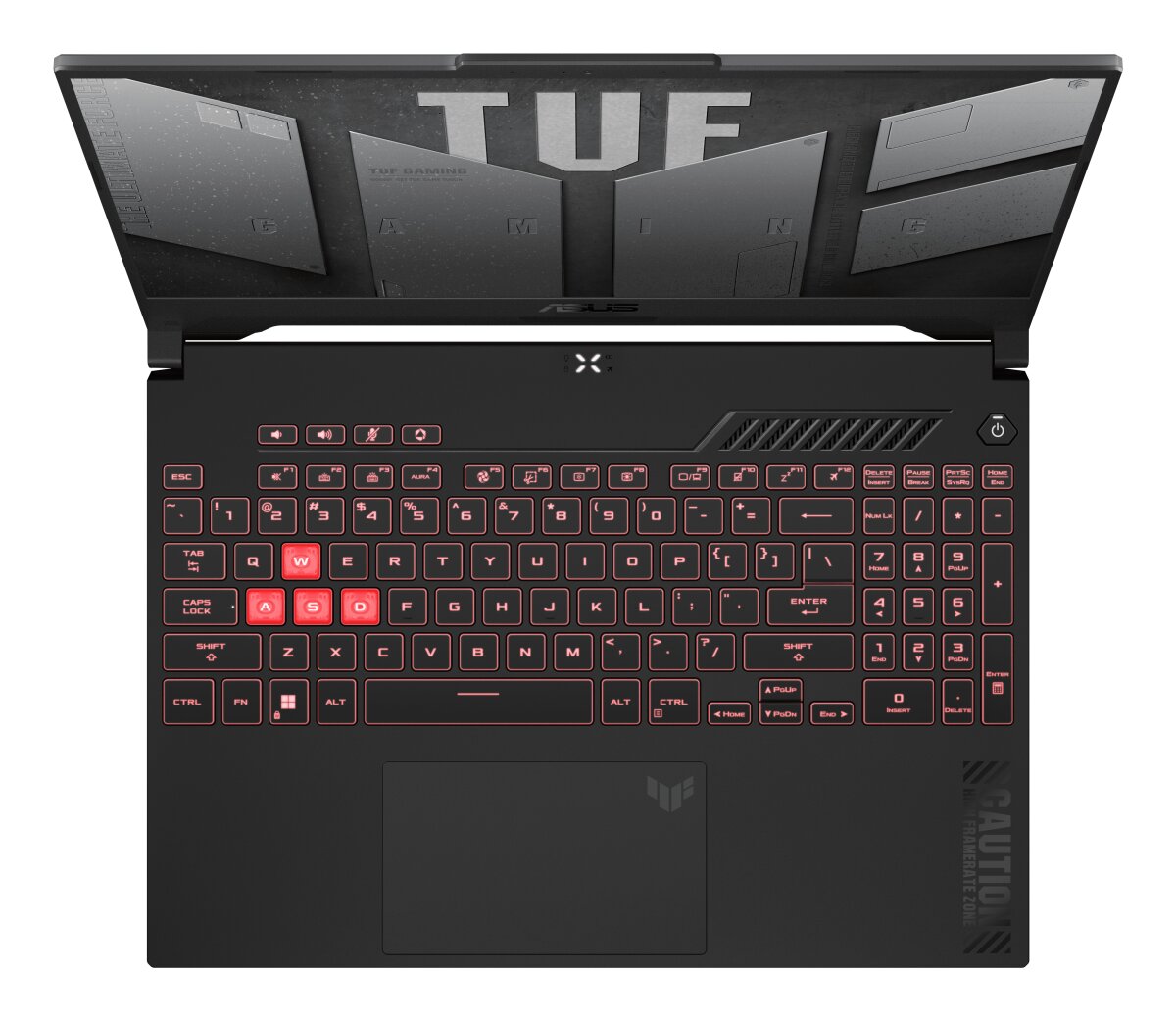



ASUS TUF Gaming A15 FA507UV-LP014 RAM upgrade specifications indicate DDR5-SDRAM memory compatibility with 2x SO-DIMM slots. Maximum memory capacity reaches 32 GB total. Compatible memory modules operate at 5600 MHz frequency. The upgrade slots accommodate SO-DIMM form factor modules. Current memory configuration and available upgrade capacity depend on factory-installed memory specifications. Replacement or additional memory modules must match DDR5 specifications and frequency requirements for optimal performance compatibility with the FA507UV-LP014 platform.
Memory Upgrade Specifications
| Specification | Value |
|---|---|
| Memory slots | 2x SO-DIMM |
| Form factor | SO-DIMM |
| Memory type | DDR5-SDRAM |
| Frequency | 5600 MHz |
| Maximum RAM | 32 GB |
| Voltage | 1.1V |
| Number of pins | 262-pin |
| Interface | PC5 |
| PC Speed Rating | PC5-5600 (PC5-44800) |
| Bandwidth | 44.8 GB/s |
Additional Notes
- The 32 GB maximum capacity limitation stems from chipset memory controller restrictions rather than physical slot constraints, preventing recognition of higher-density modules even if physically compatible.
- DDR5-5600 represents the validated frequency ceiling for the ASUS TUF Gaming FA507UV-LP014, though modules rated at higher speeds will function through automatic downclocking to maintain system stability.
- Dual SO-DIMM configuration enables symmetric channel population for bandwidth optimization, whereas single-module installations halve memory throughput despite identical capacity.
- DDR5 architecture prohibits backward compatibility with DDR4 modules due to fundamentally different voltage requirements and incompatible physical notch positioning.
- Mixing modules with disparate latency timings forces system-wide adoption of the slowest timing values across both channels, degrading overall responsiveness.
- SO-DIMM form factor enforcement excludes standard DIMM desktop memory modules, which feature longer PCB dimensions incompatible with mobile chassis constraints.
- Warranty preservation typically requires avoiding BIOS-level frequency overrides beyond manufacturer specifications, limiting manual tuning interventions.
- Non-matching module capacities between slots triggers flex mode operation, where only matched portions run in dual-channel while excess capacity defaults to reduced-bandwidth single-channel access.
- DDR5 on-die ECC functionality operates transparently without user configuration, correcting single-bit errors internally compared to DDR4 architectures.
- Thermal considerations for 5600 MHz operation may require adequate chassis ventilation, as DDR5 modules generate elevated heat output relative to previous generation memory technologies.