ASUS TUF Gaming FA507UV-LP083W RAM upgrade specifications




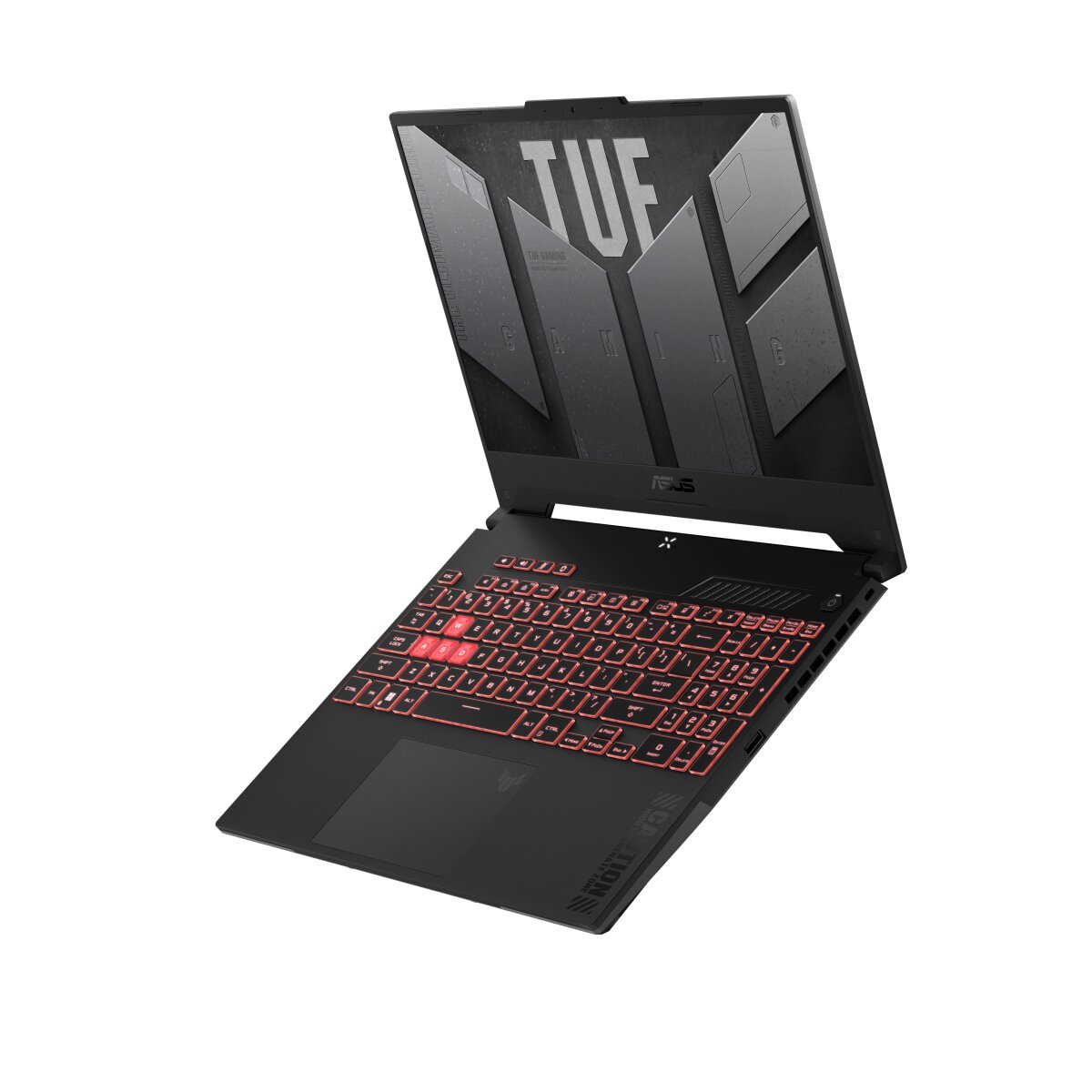
ASUS TUF Gaming A15 FA507UV-LP083W supports DDR5-SDRAM memory upgrade through two SO-DIMM slots. Maximum compatible capacity reaches 64 GB total RAM. Specifications include 5600 MHz frequency for DDR5 modules. Upgrade specifications confirm SO-DIMM form factor compatibility and dual-slot configuration for memory expansion on this gaming laptop model.
Memory Upgrade Specifications
| Specification | Value |
|---|---|
| Memory slots | 2x SO-DIMM |
| Form factor | SO-DIMM |
| Memory type | DDR5-SDRAM |
| Frequency | 5600 MHz |
| Maximum RAM | 64 GB |
| Voltage | 1.1V |
| Number of pins | 262-pin |
| Interface | PC5 |
| PC Speed Rating | PC5-5600 (PC5-44800) |
| Bandwidth | 44.8 GB/s |
Additional Notes
- The ASUS TUF Gaming FA507UV-LP083W supports dual-channel DDR5 operation, which requires identical module pairs in both slots to achieve maximum memory bandwidth of 89.6 GB/s.
- DDR5-5600 represents JEDEC baseline timing rather than XMP profiles, eliminating compatibility risks associated with overclocked modules in laptop implementations.
- The 64 GB ceiling translates to a maximum 2x32 GB configuration, as single 64 GB SO-DIMM modules remain incompatible with current mobile platforms.
- DDR5 SO-DIMM modules operate at 1.1V nominal voltage compared to DDR4's 1.2V, reducing thermal output but requiring motherboard firmware capable of DDR5 power delivery standards.
- Mixing memory capacities across the two slots degrades performance by forcing single-channel mode for the capacity exceeding the smaller module, effectively halving bandwidth for that portion.
- The 5600 MHz specification refers to effective transfer rate while actual clock speed runs at 2800 MHz due to DDR5's double data rate architecture with improved prefetch buffering.
- Non-ECC unbuffered modules remain the only compatible type for this consumer platform, as registered or ECC variants require server-grade memory controllers absent in gaming-focused chipsets.
- Installing DDR5 modules rated above 5600 MHz results in automatic downclocking to the supported frequency, wasting the premium cost of higher-binned memory.
- Physical SO-DIMM access typically requires complete bottom panel removal in this form factor, with potential warranty implications if manufacturer seals are present over access points.
- DDR5's on-die ECC operates transparently for data integrity but differs from full ECC memory, providing error correction within the module without system-level reporting.