ASUS TUF Gaming FA507XU-LP035W RAM upgrade specifications
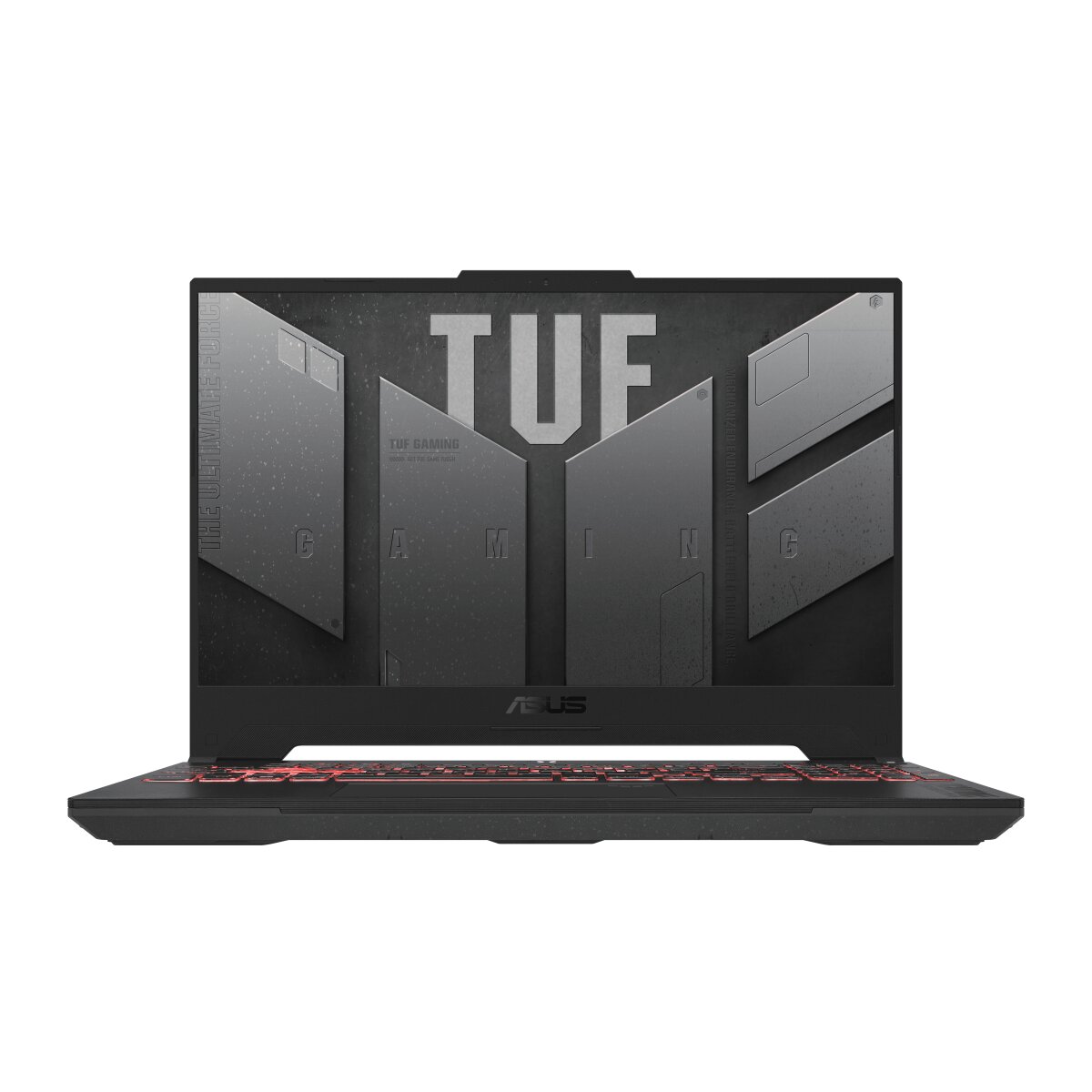
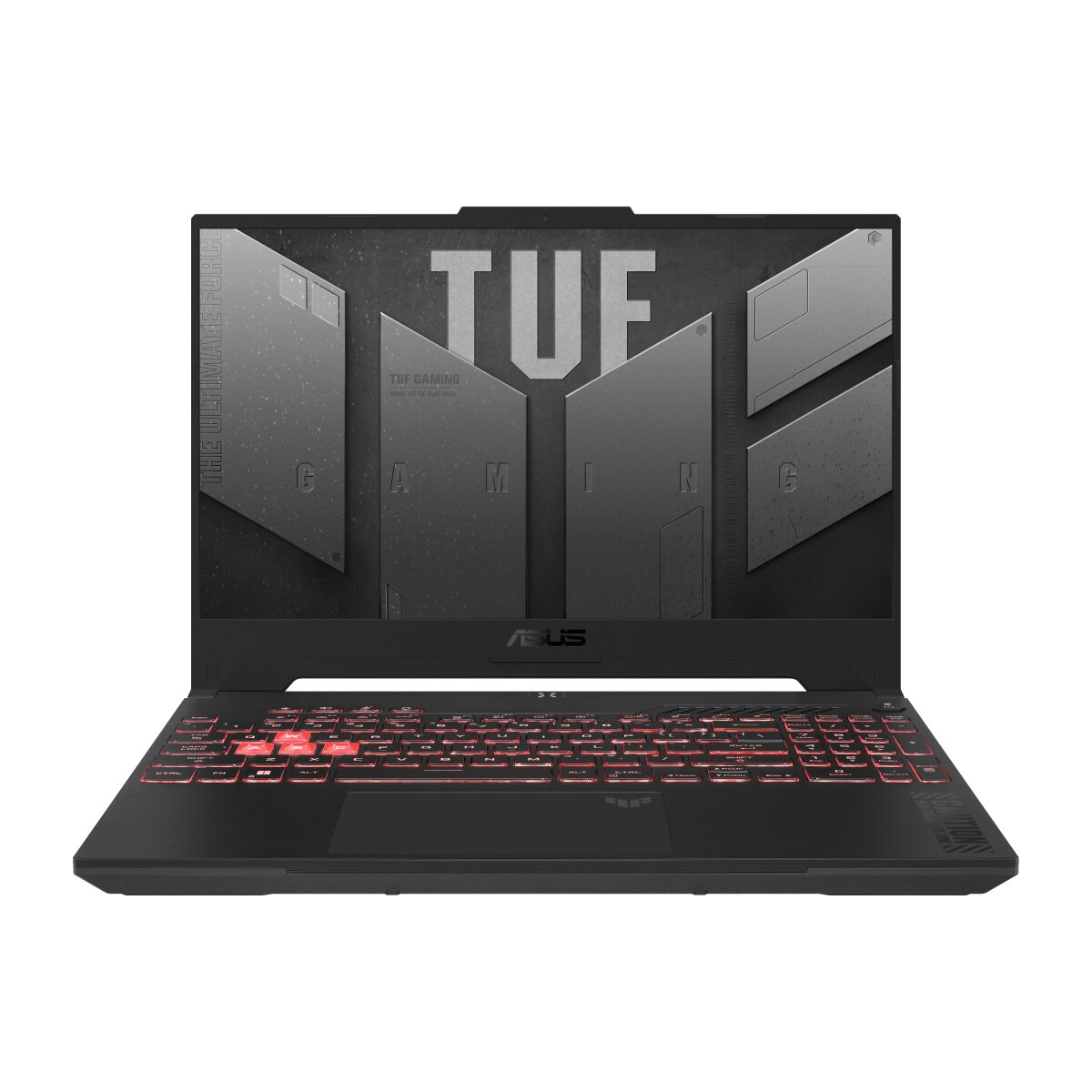
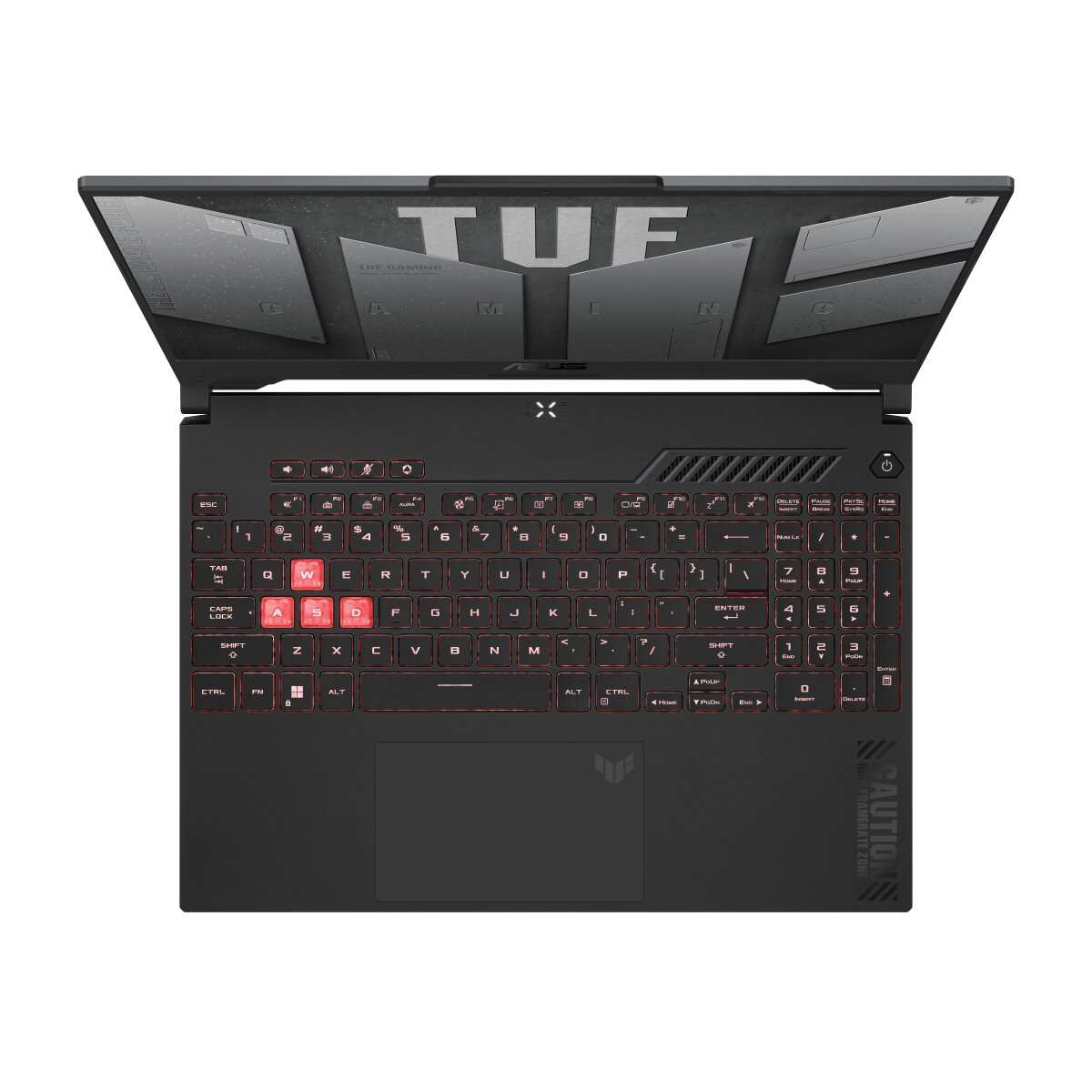
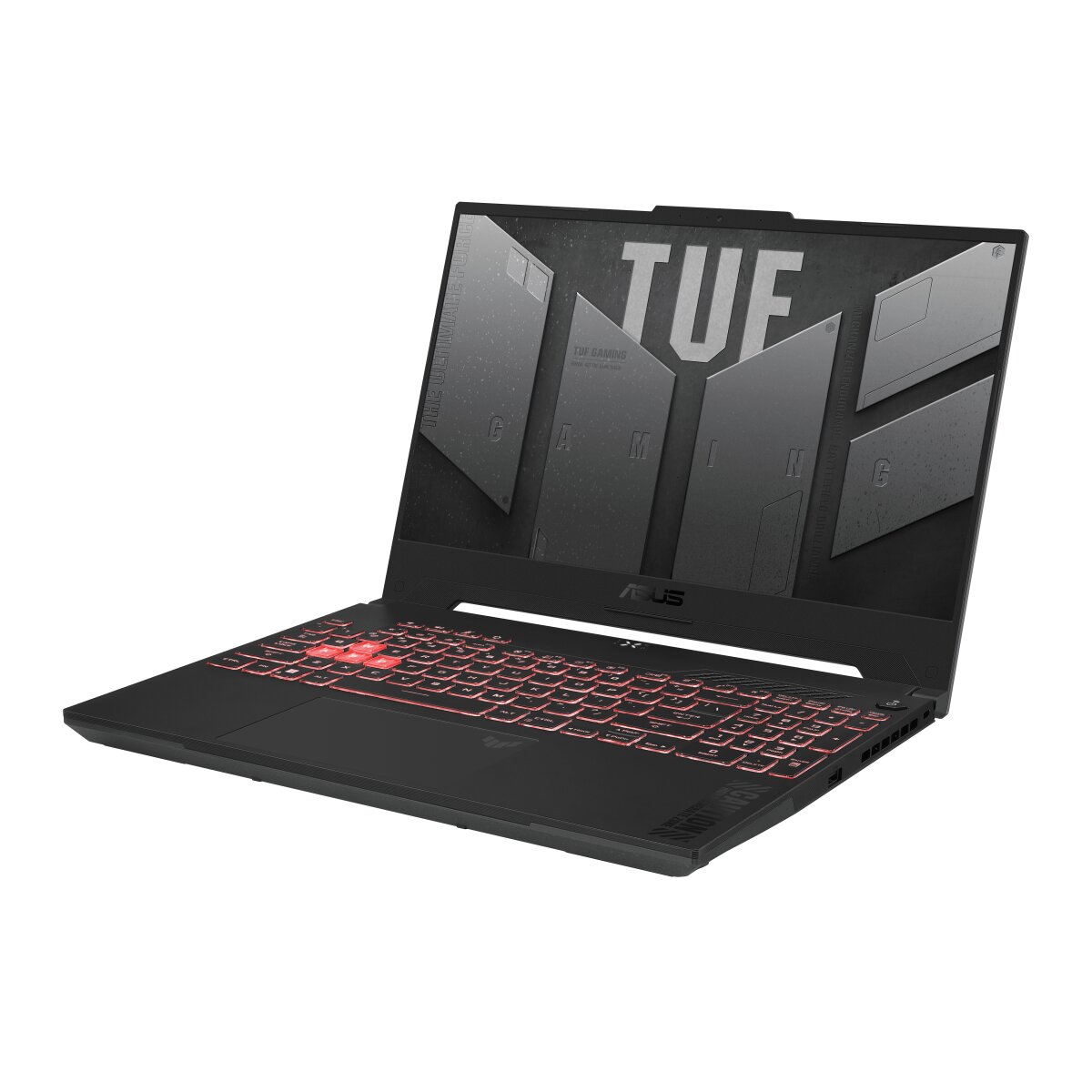
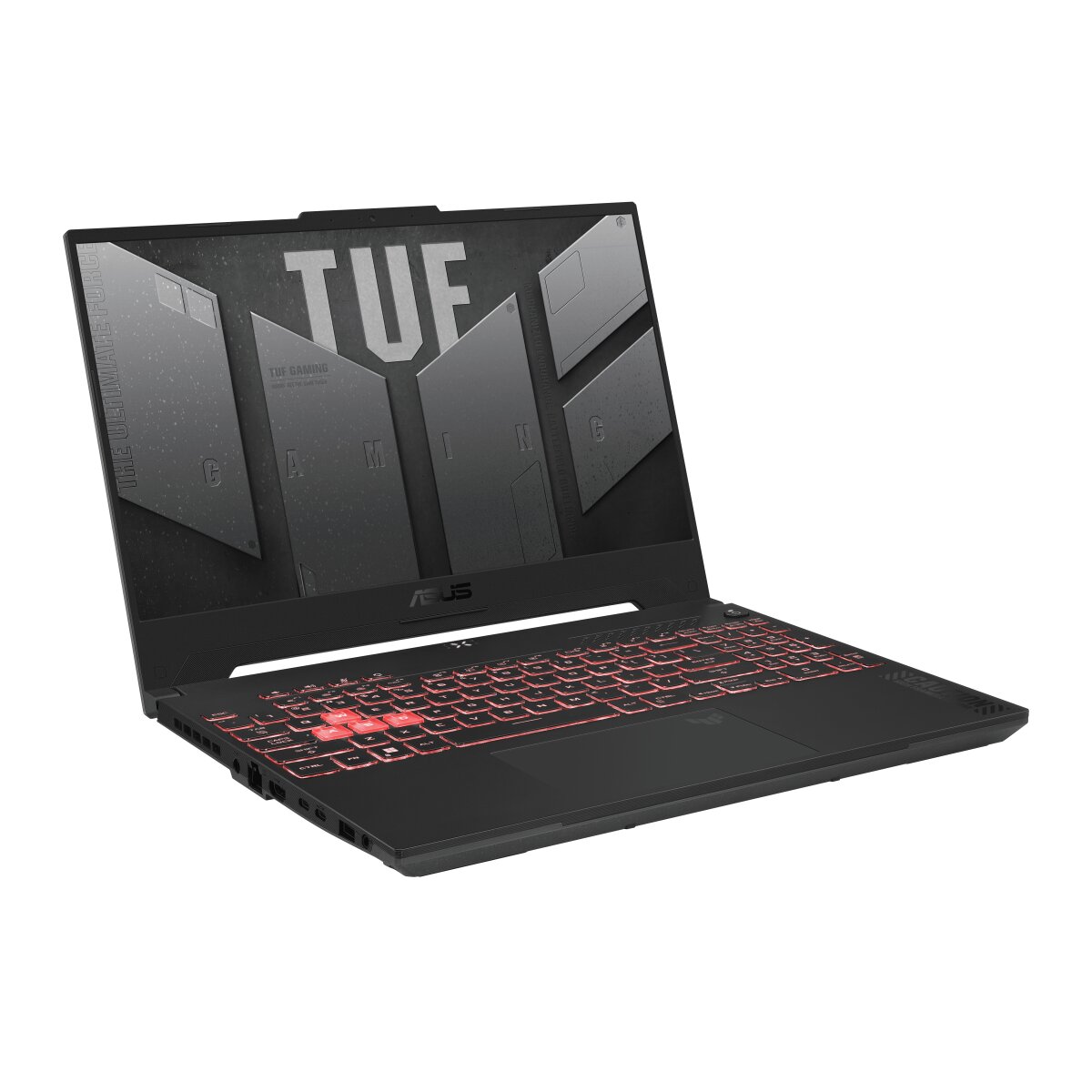
The ASUS TUF Gaming A15 FA507XU-LP035W features DDR5-SDRAM memory upgrade specifications with two SO-DIMM slots supporting maximum capacity of 32 GB RAM. Compatible memory modules operate at 4800 MHz frequency. The laptop accommodates dual SO-DIMM form factor upgrades, enabling users to expand the system's memory capacity for enhanced performance. Specifications indicate DDR5 technology for the memory upgrade slots available on this gaming laptop model.
Memory Upgrade Specifications
| Specification | Value |
|---|---|
| Memory slots | 2x SO-DIMM |
| Form factor | SO-DIMM |
| Memory type | DDR5-SDRAM |
| Frequency | 4800 MHz |
| Maximum RAM | 32 GB |
| Voltage | 1.1V |
| Number of pins | 262-pin |
| Interface | PC5 |
| PC Speed Rating | PC5-4800 (PC5-38400) |
| Bandwidth | 38.4 GB/s |
| Laptop Release date | 07 April 2023 |
Additional Notes
- The ASUS TUF Gaming FA507XU-LP035W supports DDR5 memory at 4800 MHz, which delivers 1.5x the bandwidth of DDR4-3200 systems. This frequency aligns with JEDEC standard specifications and ensures compatibility with mainstream DDR5 modules without overclocking requirements.
- Dual SO-DIMM slots create a physical constraint: both memory modules must be populated to achieve symmetric dual-channel operation. Installing a single module will force single-channel performance, resulting in 30-40 percent latency penalty for memory-bound workloads.
- The 32 GB maximum capacity ceiling is reached with 2x16 GB configuration. This represents the architectural limit of the SO-DIMM slots and cannot be surpassed through firmware updates or BIOS modifications.
- Current DDR5 pricing favors 16 GB modules over 8 GB variants for long-term value. Upgrading from stock configuration to 32 GB total requires purchasing a matched pair of 16 GB DDR5-4800 SO-DIMMs, as mismatched densities will downclock the faster module to the slower module's speed.
- SO-DIMM form factor limits upgrade sources to laptop-specific memory vendors. Desktop DDR5 UDIMM modules are physically incompatible and will not seat in the motherboard slots.
- Memory upgrade procedures on this chassis typically require removal of the bottom access panel. This operation is generally warranty-safe if performed according to manufacturer guidelines, though thermal paste on the heatsink may require reapplication during reassembly.
- The 4800 MHz frequency represents a moderate generational step within DDR5 capabilities. Next-generation DDR5 standards (6400 MHz and above) may offer backward compatibility at reduced clock speeds, but performance gains would be negligible for consumer workloads relative to cost.