ASUS TUF Gaming FA507XV-HQ002W RAM upgrade specifications
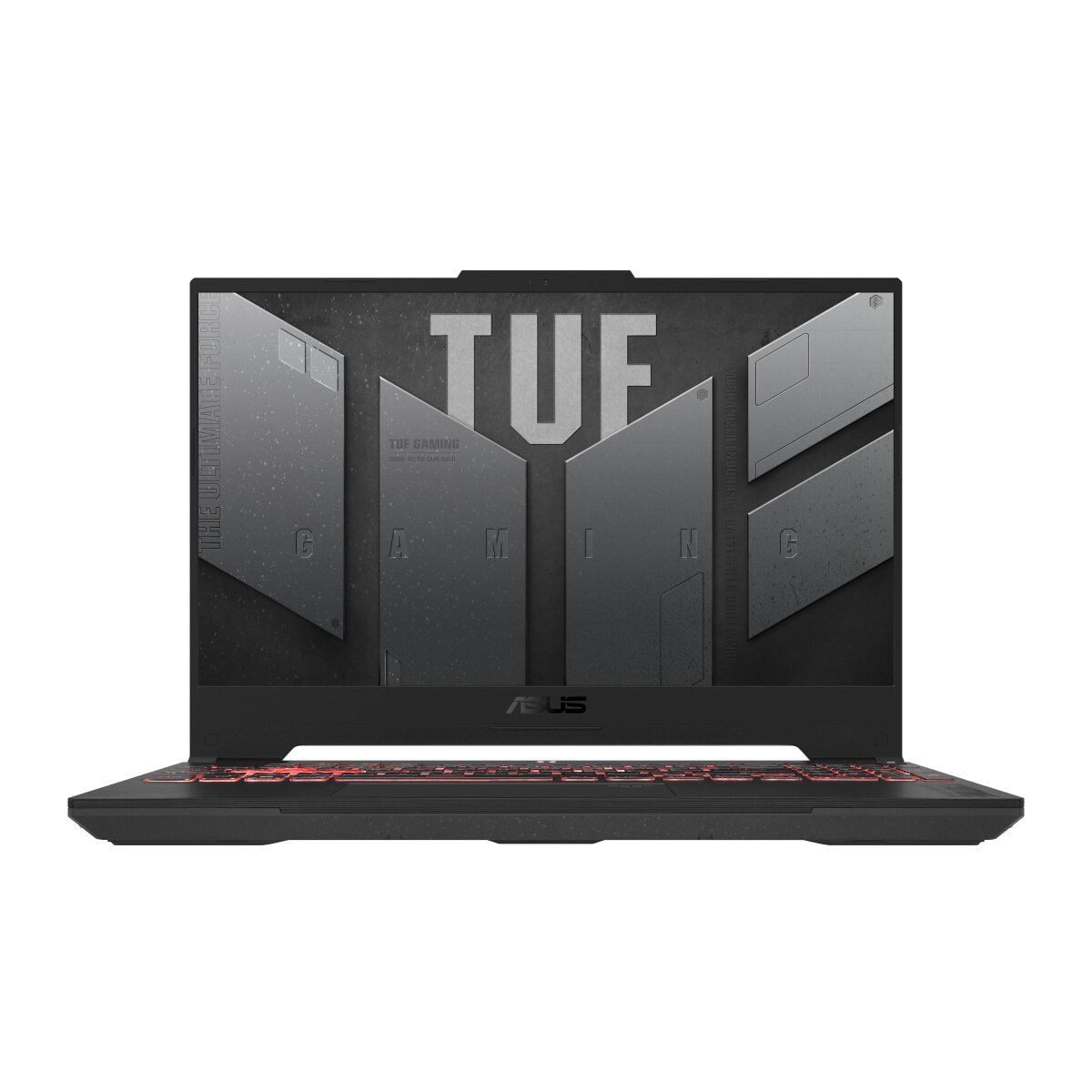
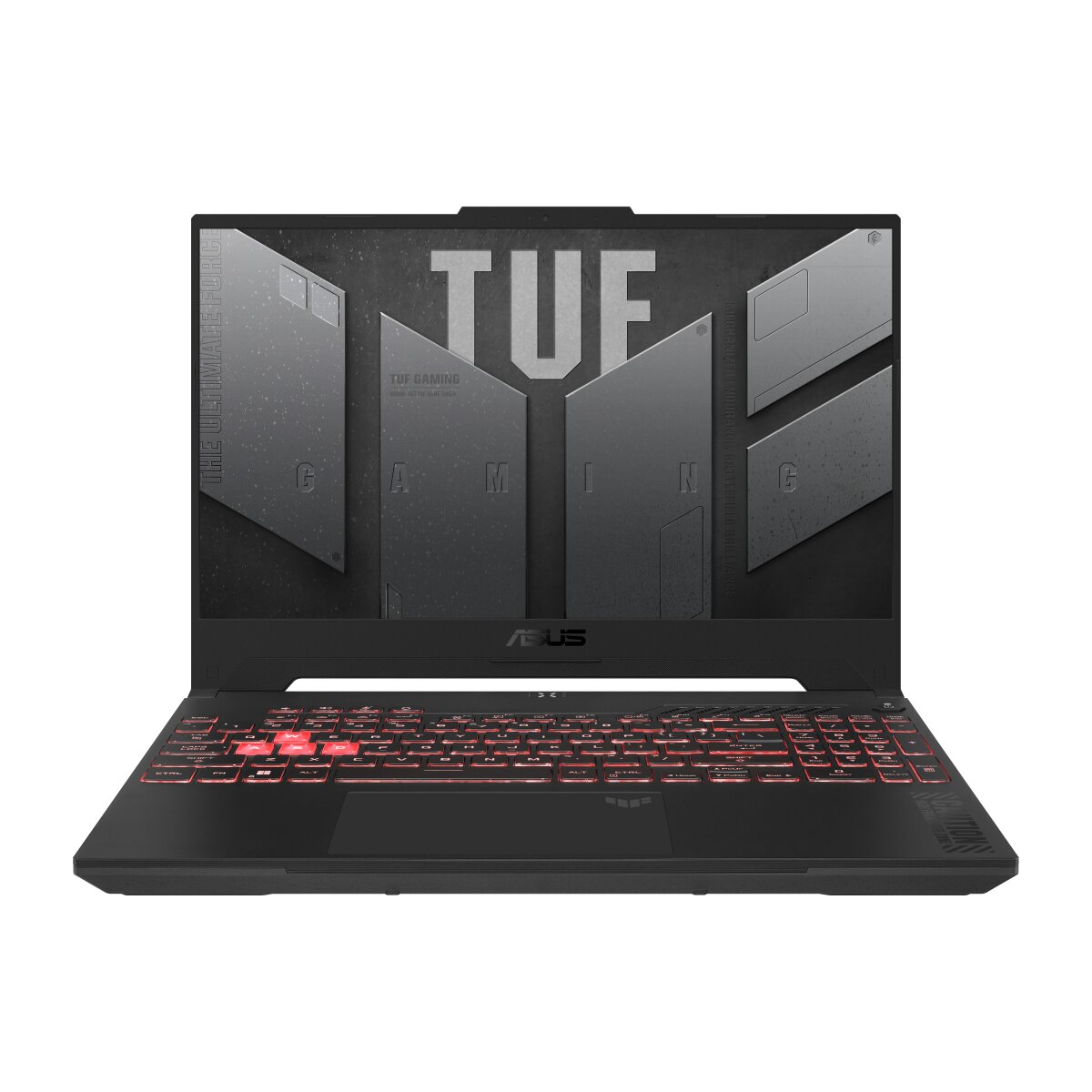
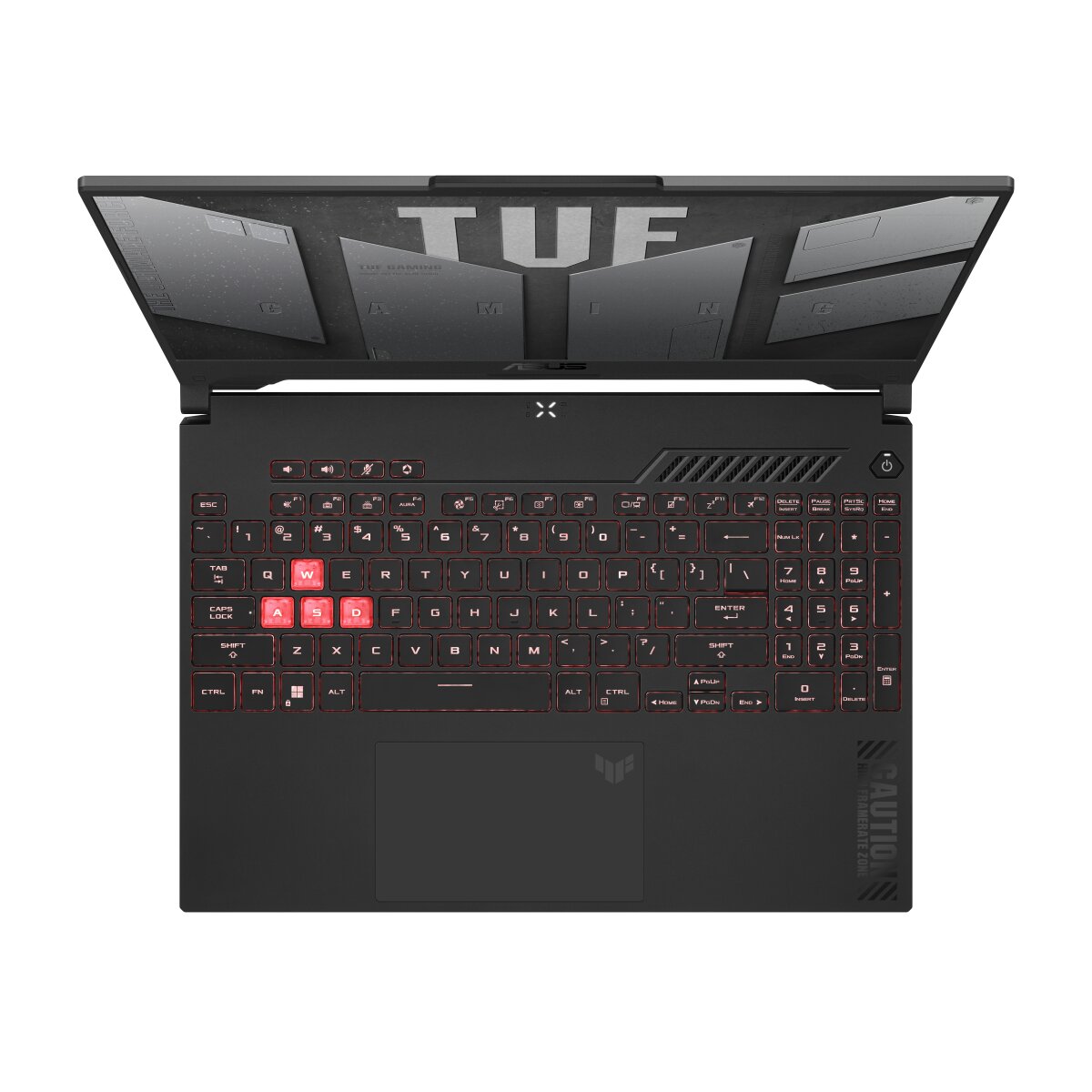
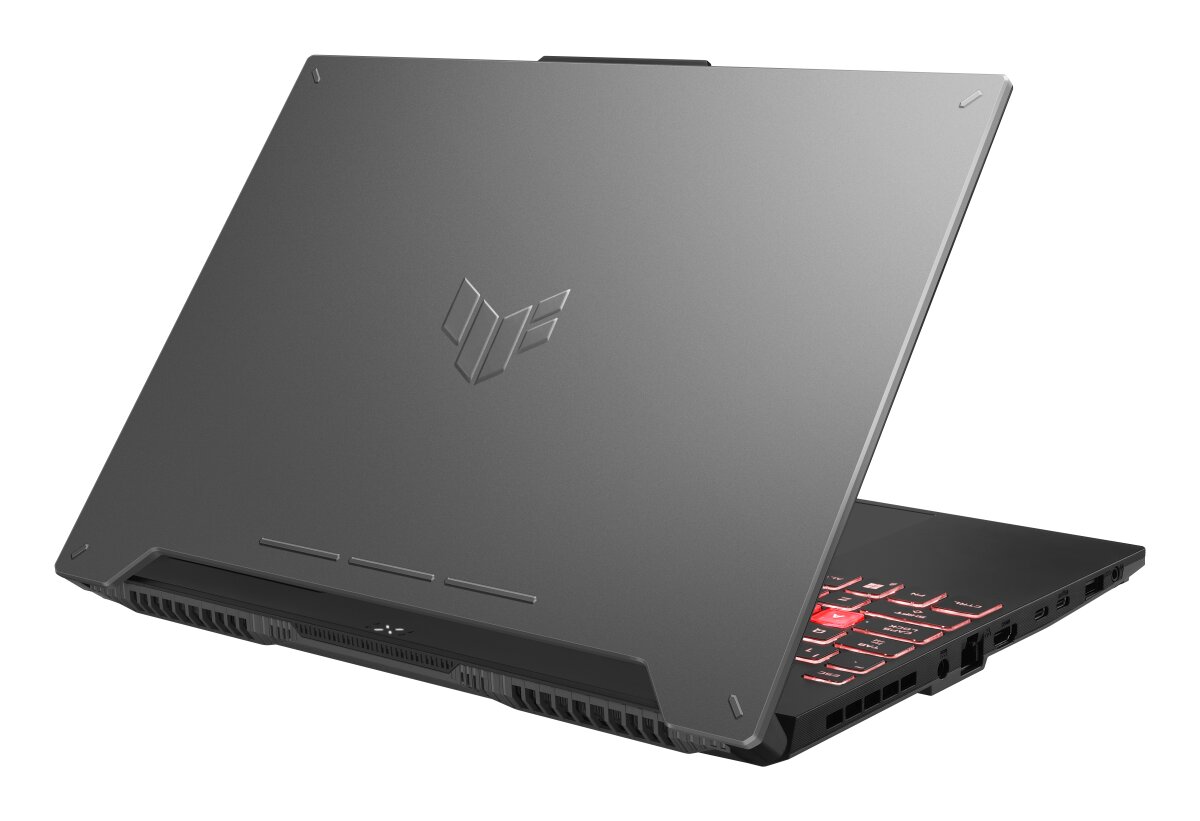
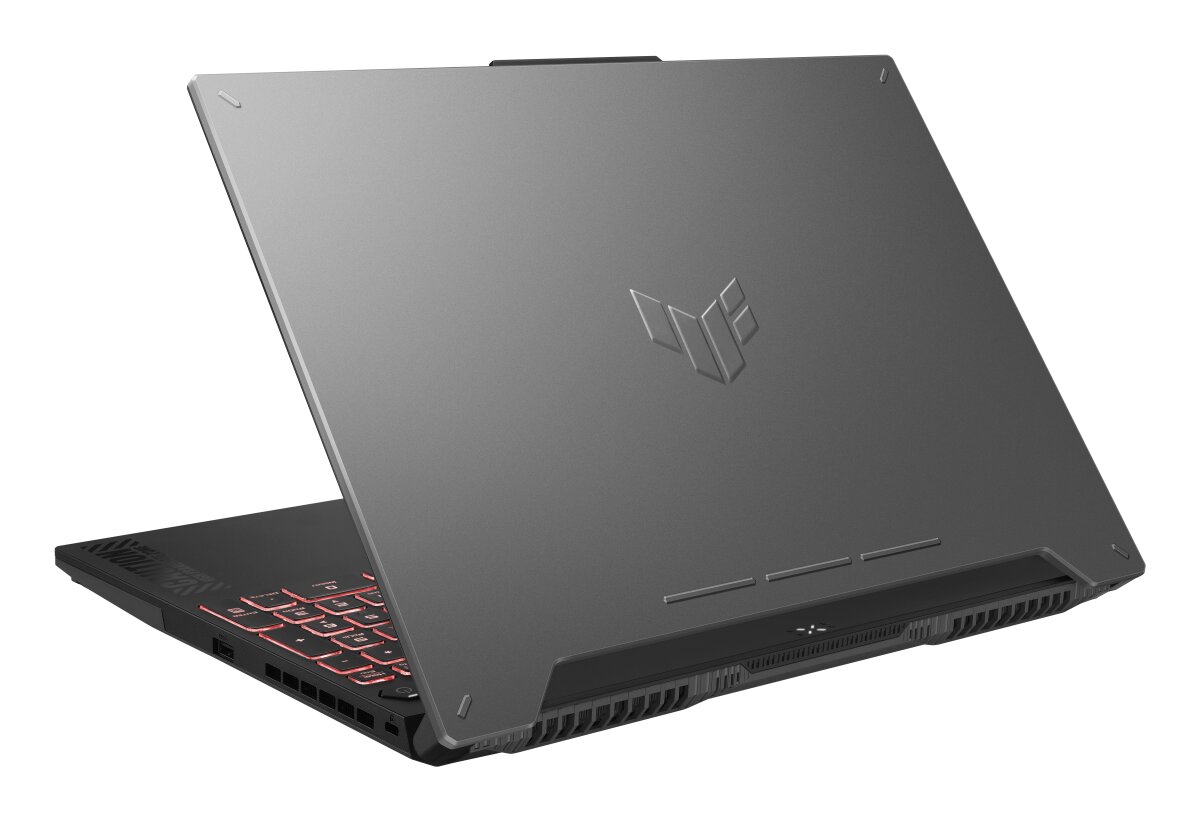
ASUS TUF Gaming A15 FA507XV-HQ002W compatible RAM specifications detail DDR5-SDRAM memory upgrade options. Laptop features two SO-DIMM slots supporting maximum 32 GB capacity. Memory operates at 4800 MHz frequency. Compatible upgrade modules must utilize SO-DIMM form factor and DDR5-SDRAM specifications. Existing memory configuration permits installation of additional or replacement memory modules within maximum capacity constraints.
Memory Upgrade Specifications
| Specification | Value |
|---|---|
| Memory slots | 2x SO-DIMM |
| Form factor | SO-DIMM |
| Memory type | DDR5-SDRAM |
| Frequency | 4800 MHz |
| Maximum RAM | 32 GB |
| Voltage | 1.1V |
| Number of pins | 262-pin |
| Interface | PC5 |
| PC Speed Rating | PC5-4800 (PC5-38400) |
| Bandwidth | 38.4 GB/s |
Additional Notes
- The dual slot architecture requires identical module pairs to activate symmetrical dual channel bandwidth for optimal processor throughput.
- Upgrading the ASUS TUF Gaming FA507XV-HQ002W involves a hard capacity ceiling that prevents the use of 32 GB single sticks if the goal is to remain within the tested stability limits of the motherboard firmware.
- The 4800 MHz frequency rating indicates that installing higher speed modules will result in automatic downclocking to match the system bus limitations.
- Physical access to the SO-DIMM slots necessitates the removal of the entire bottom chassis plate, which may involve varying screw lengths and internal plastic clips.
- The DDR5 standard utilizes on-die ECC and integrated power management circuits, shifting voltage regulation away from the motherboard and onto the RAM modules themselves to reduce heat density.
- Latency performance depends on the CAS timing compatibility between the new hardware and the existing SPD profile stored in the BIOS.
- System stability during high load gaming sessions is contingent upon using non-buffered unbuffered memory modules to avoid compatibility rejection during the POST process.