ASUS TUF Gaming FX506IC-HN021W RAM upgrade specifications



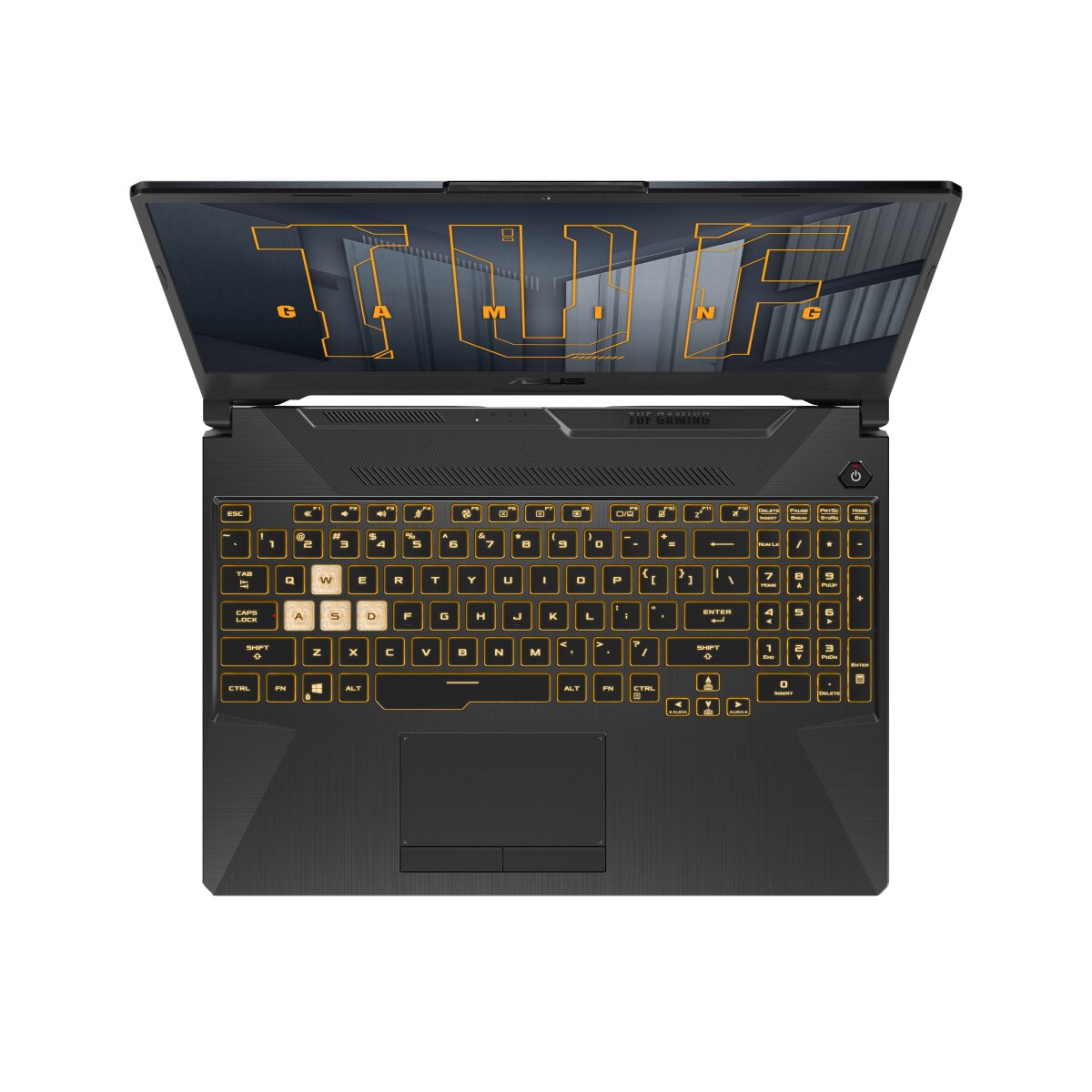

ASUS TUF Gaming A15 FX506IC-HN021W laptop features two SO-DIMM slots supporting DDR4-SDRAM memory upgrades. Maximum capacity reaches 32 GB total memory, with compatible modules operating at 3200 MHz frequency. The DDR4 SO-DIMM form factor enables RAM expansion for enhanced system performance and multitasking capabilities on specifications supporting the FX506IC-HN021W platform.
Memory Upgrade Specifications
| Specification | Value |
|---|---|
| Memory slots | 2x SO-DIMM |
| Form factor | SO-DIMM |
| Memory type | DDR4-SDRAM |
| Frequency | 3200 MHz |
| Maximum RAM | 32 GB |
| Voltage | 1.2V |
| Number of pins | 260-pin |
| Interface | PC4 |
| PC Speed Rating | PC4-3200 (PC4-25600) |
| Bandwidth | 25.6 GB/s |
| Laptop Release date | 20 October 2021 |
Additional Notes
- The ASUS TUF Gaming FX506IC-HN021W memory controller enforces a 32 GB ceiling, preventing recognition of higher-capacity modules even if physically compatible SO-DIMM sticks are installed.
- DDR4-SDRAM at 3200 MHz operates on a dual-channel architecture, requiring matched module pairs to achieve full bandwidth throughput of 51.2 GB/s across both channels.
- Installing modules with mismatched frequencies forces the memory controller to downclock all sticks to the speed of the slowest module, negating any performance advantage of higher-rated RAM.
- SO-DIMM slot population requires sequential installation with the primary slot filled first to maintain proper channel allocation and avoid POST errors during boot sequence.
- Single-channel configurations using only 1 populated slot reduce memory bandwidth by 50%, creating observable bottlenecks in GPU-intensive applications and integrated graphics workloads.
- The 3200 MHz specification represents JEDEC standard timing rather than XMP profiles, ensuring compatibility without BIOS modifications but limiting overclocking headroom.
- Mixing DDR4 modules with different CAS latency values triggers automatic timing relaxation to the highest latency specification, potentially increasing memory access delays by 2-3 nanoseconds.
- Warranty preservation requires non-destructive access to SO-DIMM slots, typically through a bottom panel service door rather than full chassis disassembly.
- Module height restrictions in gaming laptops typically limit SO-DIMM compatibility to standard 30mm profiles, excluding certain high-density or heat-spreader equipped variants.
- Operating voltage is locked at 1.2V for DDR4 modules, preventing installation of DDR4L (1.35V) or older DDR3 standards due to incompatible DIMM keying notches.