ASUS TUF Gaming TUF507NV-LP042 RAM upgrade specifications
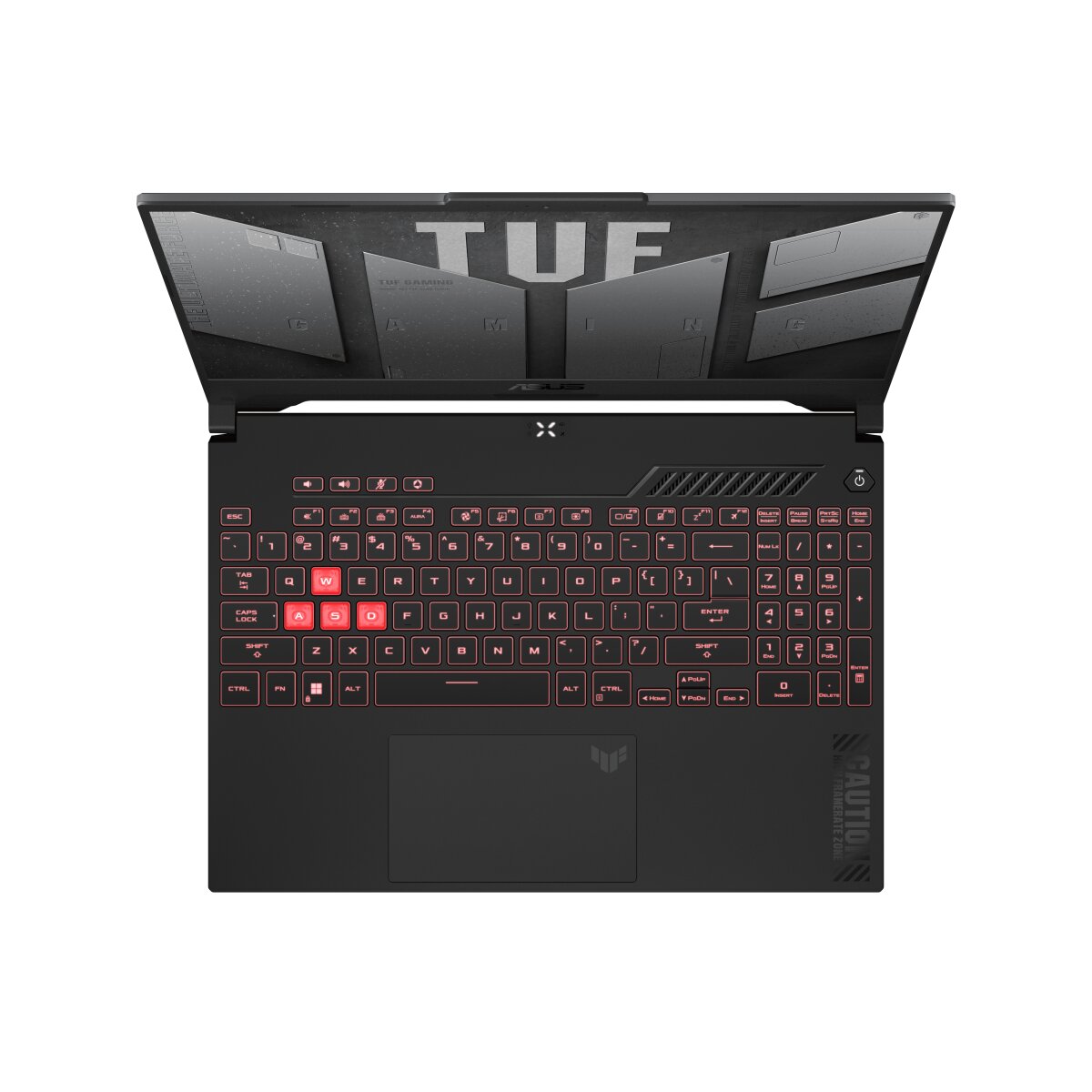




ASUS TUF Gaming A15 series model TUF507NV-LP042 features DDR5-SDRAM memory upgrade capacity. The laptop contains 2x SO-DIMM slots compatible with DDR5 modules operating at 4800 MHz frequency. Maximum memory upgrade specifications support up to 32 GB total RAM capacity. SO-DIMM form factor memory modules are required for RAM upgrade compatibility with this TUF Gaming A15 model.
Memory Upgrade Specifications
| Specification | Value |
|---|---|
| Memory slots | 2x SO-DIMM |
| Form factor | SO-DIMM |
| Memory type | DDR5-SDRAM |
| Frequency | 4800 MHz |
| Maximum RAM | 32 GB |
| Voltage | 1.1V |
| Number of pins | 262-pin |
| Interface | PC5 |
| PC Speed Rating | PC5-4800 (PC5-38400) |
| Bandwidth | 38.4 GB/s |
| Laptop Release date | 06 March 2023 |
Additional Notes
- The ASUS TUF Gaming TUF507NV-LP042 uses DDR5-SDRAM exclusively, preventing installation of any DDR4 modules due to incompatible pin configurations and voltage requirements.
- Both SO-DIMM slots operate in dual-channel mode when populated with matched capacity modules, providing superior memory bandwidth compared to single-channel configurations.
- The 32 GB maximum capacity limit restricts high-memory workloads such as virtual machine hosting, large dataset processing, or professional 3D rendering with complex scenes.
- DDR5 modules running at 4800 MHz offer approximately 38.4 GB/s theoretical bandwidth per channel, reducing latency in memory-intensive applications compared to DDR4 equivalents.
- Upgrading beyond factory-installed capacity requires matching frequency specifications at 4800 MHz to avoid automatic downclocking of faster modules.
- SO-DIMM form factor modules designed for desktop PCs are physically incompatible with laptop slots, requiring laptop-specific memory modules for successful installation.
- Installing modules with mismatched CAS latency timings may trigger system instability or force conservative timing adjustments that reduce effective performance.
- The dual-slot configuration allows incremental upgrades, preserving existing modules when expanding capacity rather than requiring complete replacement.
- DDR5 voltage regulation integrated into the memory module itself reduces motherboard power delivery complexity but increases module cost compared to DDR4 alternatives.
- Manufacturer-validated memory ensures compatibility with system firmware, while non-certified modules may require BIOS updates to achieve stable operation.