ASUS TUF Gaming TUF507NVR-DRLP056W RAM upgrade specifications


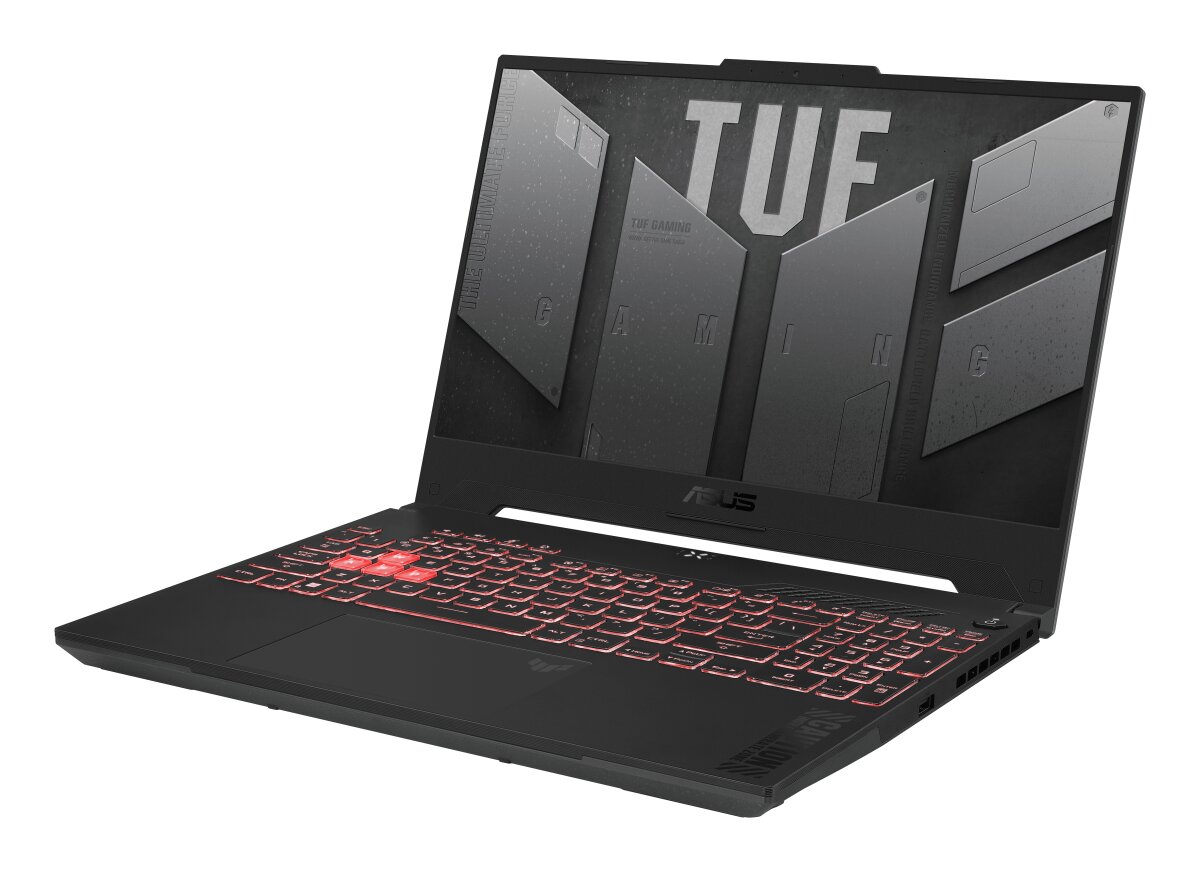

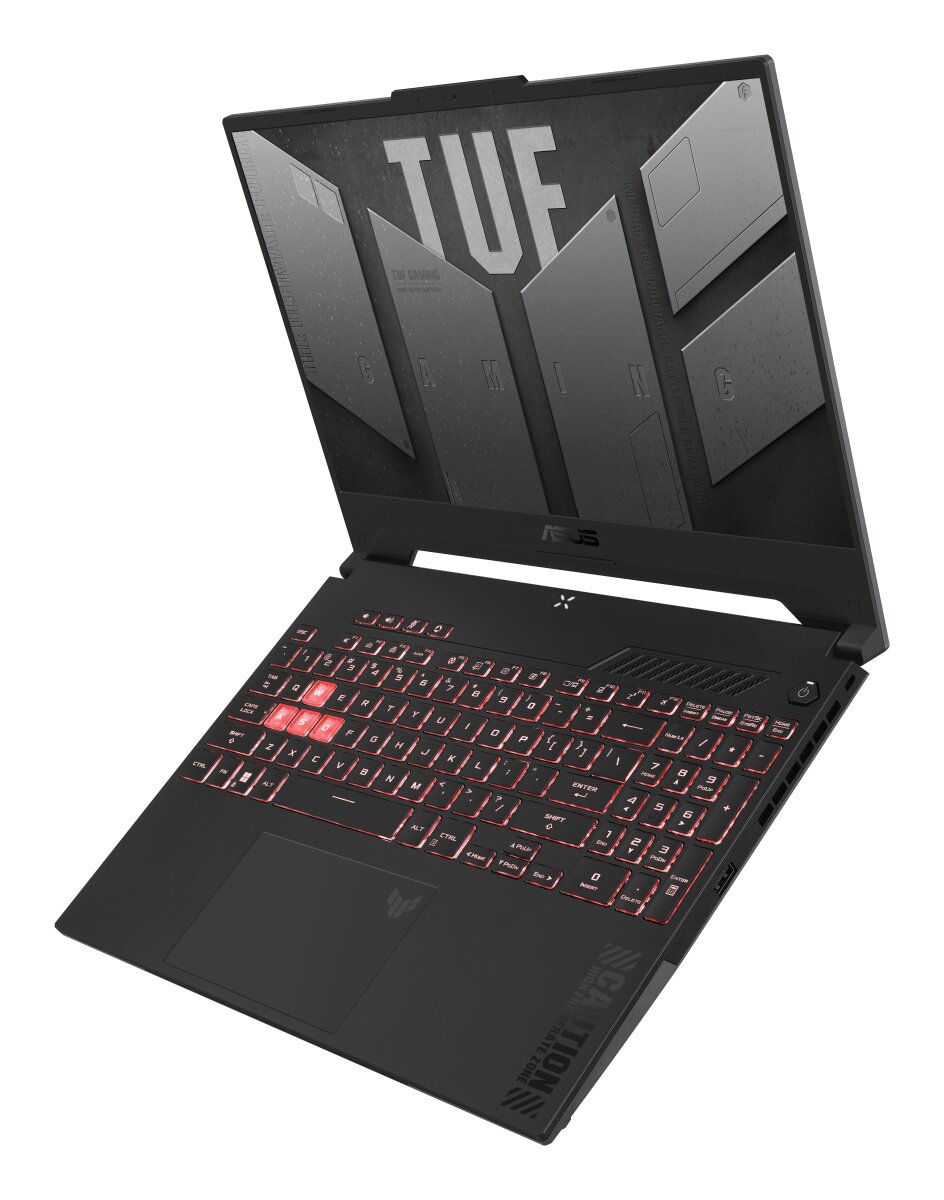
ASUS TUF Gaming A15 series model TUF507NVR-DRLP056W supports DDR5-SDRAM memory upgrade through 2x SO-DIMM slots. Maximum RAM capacity reaches 64 GB total, with compatible memory operating at 4800 MHz frequency. Upgrade specifications indicate SO-DIMM form factor modules are required for this laptop model. DDR5 memory technology provides enhanced performance specifications for the TUF Gaming platform.
Memory Upgrade Specifications
| Specification | Value |
|---|---|
| Memory slots | 2x SO-DIMM |
| Form factor | SO-DIMM |
| Memory type | DDR5-SDRAM |
| Frequency | 4800 MHz |
| Maximum RAM | 64 GB |
| Voltage | 1.1V |
| Number of pins | 262-pin |
| Interface | PC5 |
| PC Speed Rating | PC5-4800 (PC5-38400) |
| Bandwidth | 38.4 GB/s |
Additional Notes
- The presence of 2 SO-DIMM slots allows for a symmetrical dual-channel configuration which doubles the memory bandwidth compared to a single-module setup.
- The 64 GB capacity limit suggests the motherboard firmware is validated for high-density 32 GB modules in each slot.
- The ASUS TUF507NVR-DRLP056W requires unbuffered non-ECC modules to maintain system stability and prevent POST failures.
- Installing modules with higher rated speeds will result in downclocking to the 4800 MHz platform ceiling due to chipset limitations.
- The DDR5 architecture incorporates on-die ECC and integrated power management circuits which significantly reduce the thermal load on the motherboard VRMs during intensive tasks.
- Accessing the memory slots involves removing the bottom chassis panel which exposes internal components to potential electrostatic discharge risks.
- Physical clearance within the SO-DIMM housing restricts the use of memory modules with integrated heat spreaders or oversized shrouds.
- Upgrading to the maximum supported capacity ensures sufficient overhead for memory-intensive applications like virtual machine hosting or high-resolution video rendering without relying on slower disk-based swap files.