ASUS TUF Gaming TUF507NVR-LP047 RAM upgrade specifications


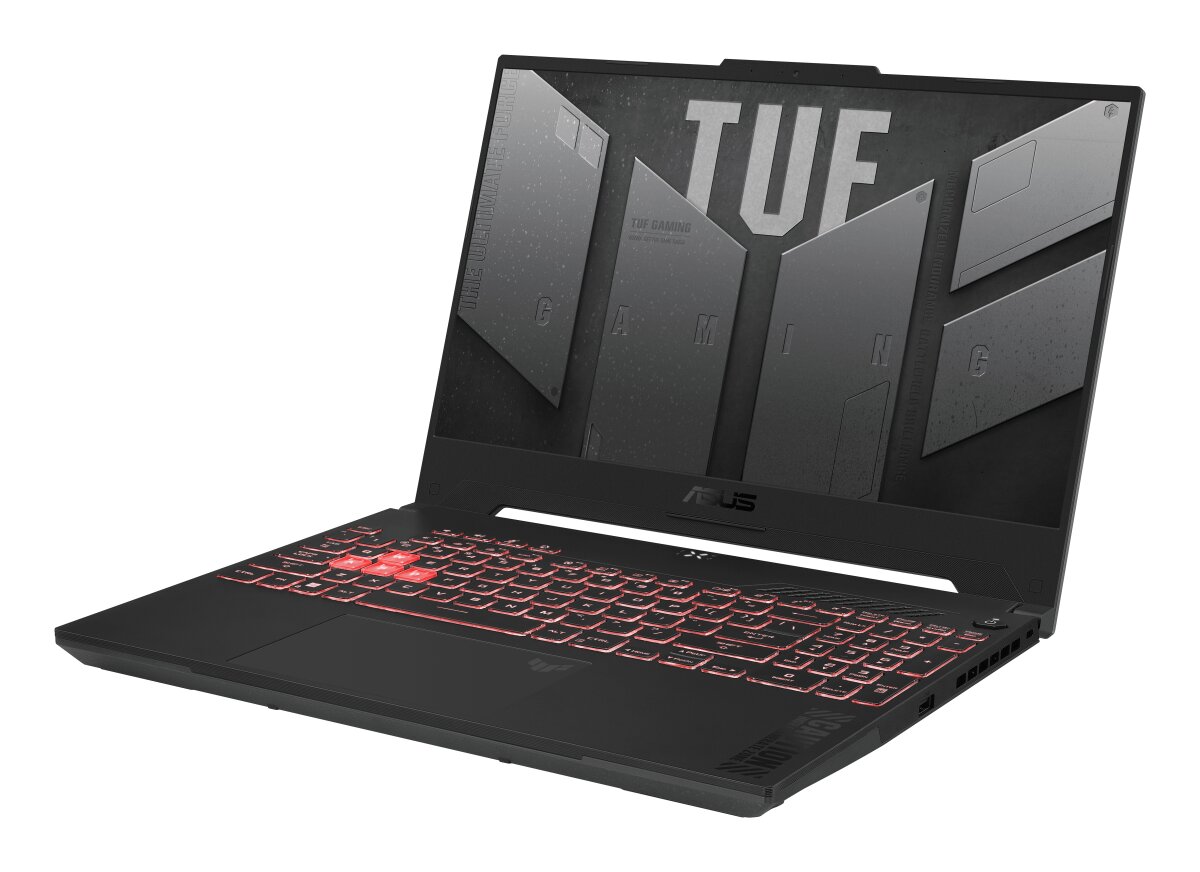
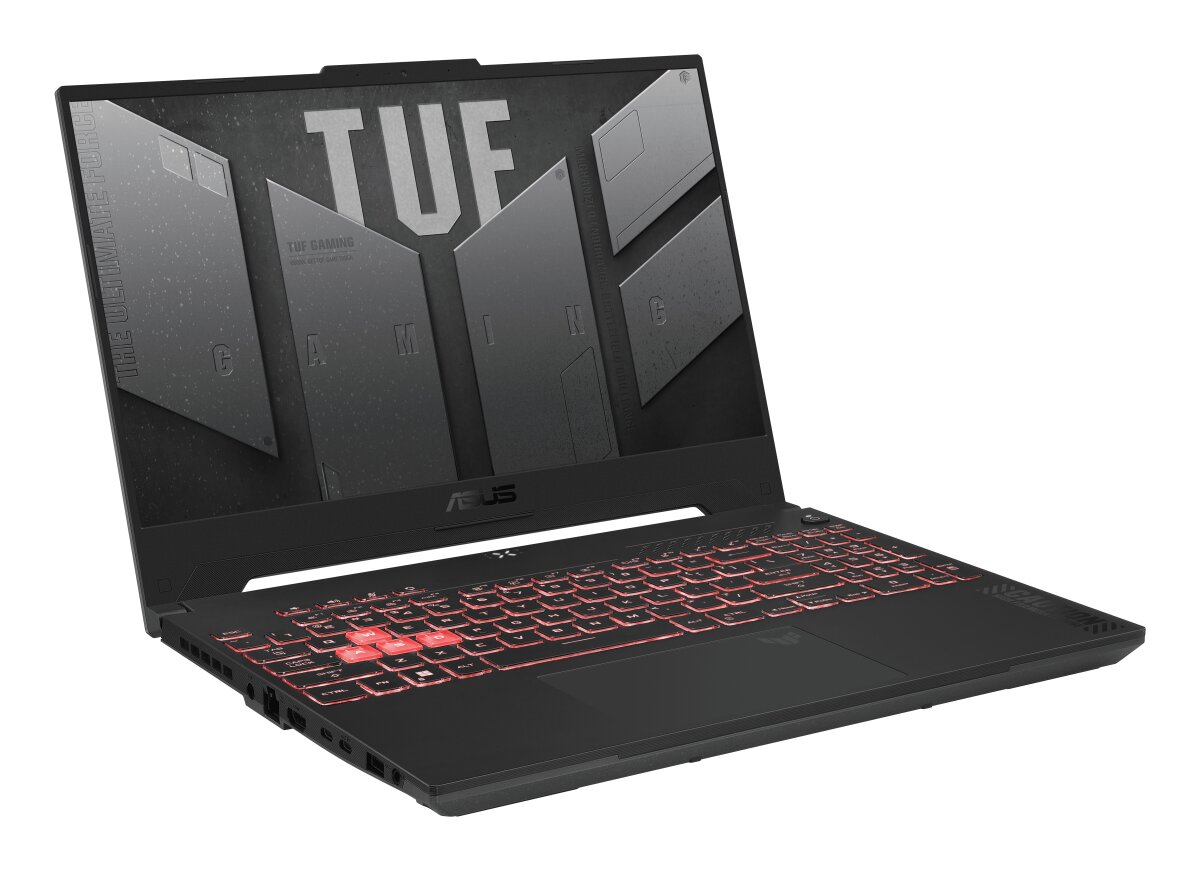
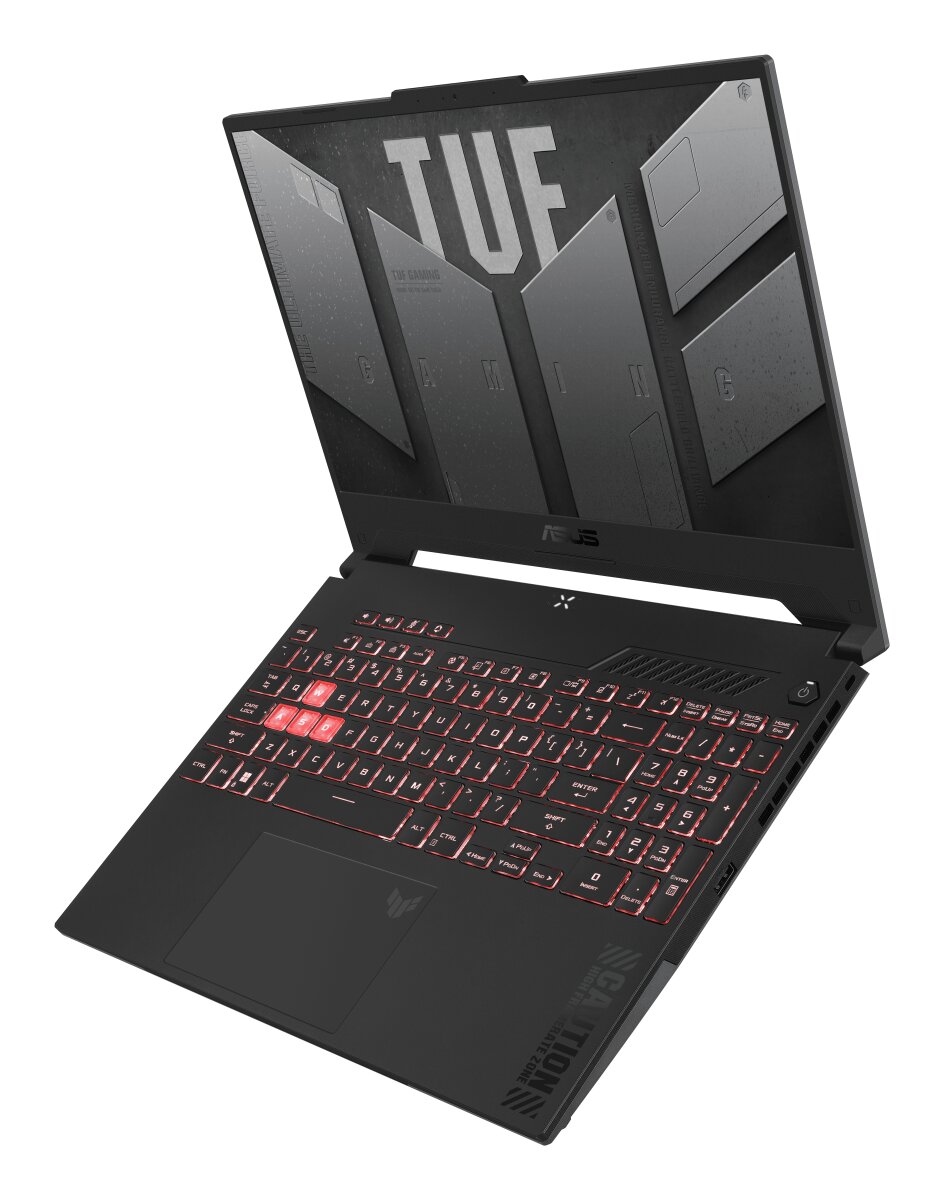
ASUS TUF Gaming A15 Series model TUF507NVR-LP047 features DDR5-SDRAM memory configuration with 2x SO-DIMM slots supporting maximum capacity of 32 GB. Compatible upgrade specifications include DDR5 modules operating at 4800 MHz frequency. The laptop memory slots accommodate SO-DIMM form factor components. RAM upgrade options enable expansion within the specified 32 GB maximum limit across available SO-DIMM slots.
Memory Upgrade Specifications
| Specification | Value |
|---|---|
| Memory slots | 2x SO-DIMM |
| Form factor | SO-DIMM |
| Memory type | DDR5-SDRAM |
| Frequency | 4800 MHz |
| Maximum RAM | 32 GB |
| Voltage | 1.1V |
| Number of pins | 262-pin |
| Interface | PC5 |
| PC Speed Rating | PC5-4800 (PC5-38400) |
| Bandwidth | 38.4 GB/s |
Additional Notes
- The 32 GB maximum capacity implies a chipset limitation that restricts both slots to 16 GB modules, preventing installation of higher-density modules even if physically compatible.
- DDR5 operates at 1.1V nominal voltage, meaning DDR4 modules are electrically incompatible and will not function if inserted despite similar physical connectors.
- The 4800 MHz specification represents JEDEC baseline speed for DDR5, indicating the memory controller may downclock faster modules to this frequency unless XMP/EXPO profiles are supported and enabled in BIOS.
- SO-DIMM form factor physically differs from standard desktop DIMM modules by approximately half the length, making desktop memory incompatible regardless of generation or speed matching.
- Dual-channel architecture requires matched pairs for optimal bandwidth utilization, meaning mismatched module capacities or speeds across slots will force the controller to operate at the lower specification.
- DDR5's on-die ECC operates independently of traditional ECC memory designation, providing internal error correction without requiring specific ECC SO-DIMM modules that may carry warranty or compatibility concerns.
- The TUF Gaming TUF507NVR-LP047 uses soldered memory architecture in many configurations, so verification of actual socketed SO-DIMM slots versus integrated modules is necessary before purchasing upgrade components.
- Thermal considerations for DDR5 at 4800 MHz become relevant under sustained loads, as the modules generate more heat than DDR4 equivalents, potentially requiring adequate chassis airflow for stability.
- JEDEC-standard DDR5-4800 modules eliminate compatibility risks associated with overclocked XMP profiles that may void warranty or require manual BIOS intervention to achieve stability.
- Mixing manufacturers across the 2 slots remains technically feasible if specifications match, though identical part numbers reduce variables in dual-channel synchronization and timing stability.