ASUS TUF Gaming TUF507RR-HN014W RAM upgrade specifications

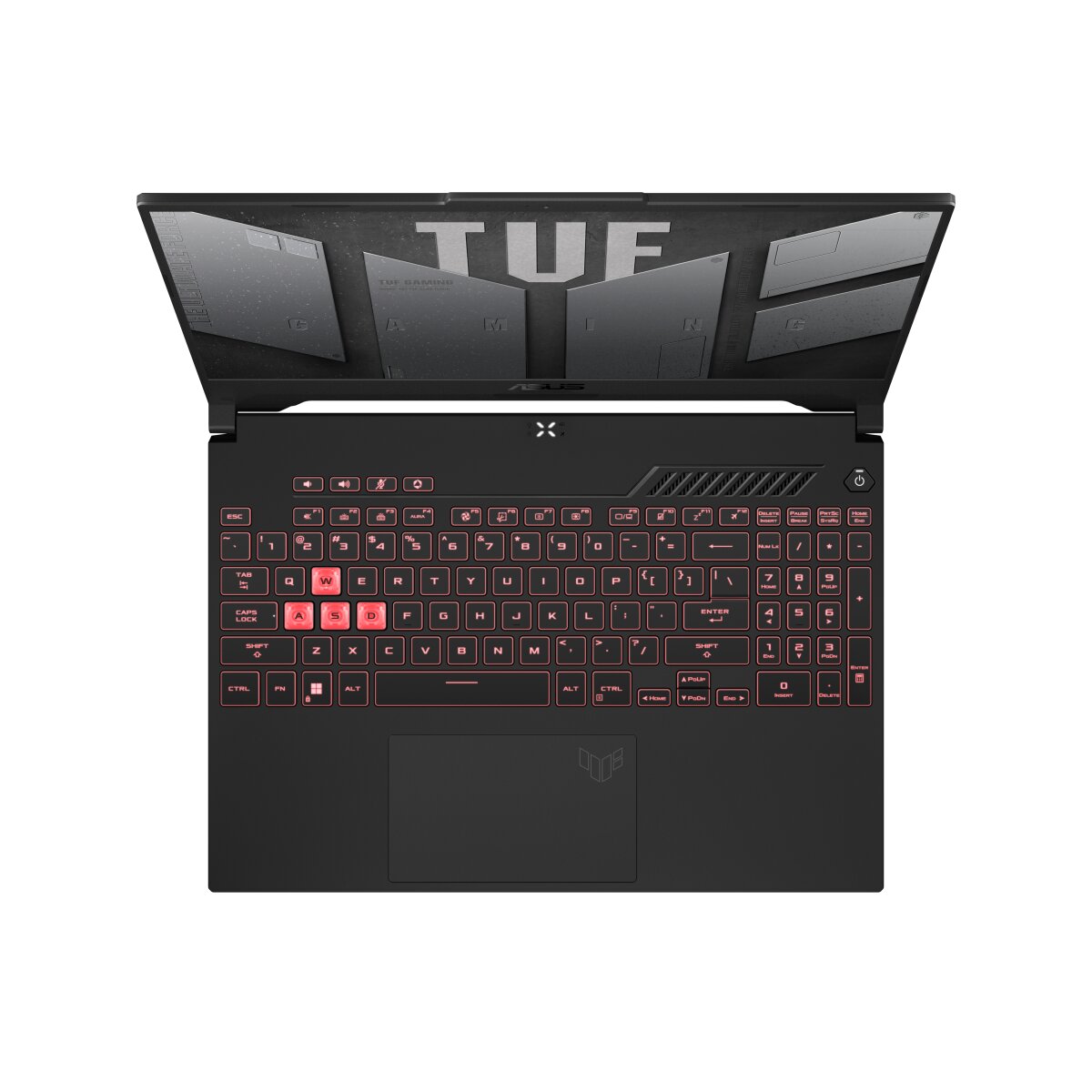



The ASUS TUF Gaming A15 series model TUF507RR-HN014W features two SO-DIMM memory slots supporting DDR5-SDRAM upgrades. The laptop accommodates a maximum RAM capacity of 32 GB total, with compatible modules operating at 4800 MHz frequency. Memory upgrade specifications indicate DDR5 SO-DIMM form factor compatibility for expanding system performance on this TUF Gaming A15 configuration.
Memory Upgrade Specifications
| Specification | Value |
|---|---|
| Memory slots | 2x SO-DIMM |
| Form factor | SO-DIMM |
| Memory type | DDR5-SDRAM |
| Frequency | 4800 MHz |
| Maximum RAM | 32 GB |
| Voltage | 1.1V |
| Number of pins | 262-pin |
| Interface | PC5 |
| PC Speed Rating | PC5-4800 (PC5-38400) |
| Bandwidth | 38.4 GB/s |
| Laptop Release date | 31 December 2021 |
Additional Notes
- The ASUS TUF Gaming TUF507RR-HN014W implements DDR5 technology, which operates at significantly lower voltage (1.1V) compared to DDR4 (1.2V), reducing power consumption and heat generation during extended gaming sessions.
- The 32 GB maximum capacity constraint is likely enforced by the laptop's chipset architecture rather than physical slot limitations, as DDR5 SO-DIMM modules are manufactured in densities up to 64 GB per stick.
- DDR5's dual-channel architecture operates at 32-bit per channel instead of DDR4's 64-bit single channel, effectively creating four independent 32-bit channels when both slots are populated.
- The 4800 MHz specification represents the JEDEC standard baseline speed for DDR5, meaning modules rated at higher speeds (5200 MHz, 5600 MHz) will downclock to 4800 MHz unless BIOS supports XMP 3.0 profiles.
- Mixing different capacity modules (8 GB with 16 GB) will function but may disable Flex Mode optimizations, potentially reducing memory bandwidth in asymmetric configurations.
- The SO-DIMM form factor restricts physical clearance to 30mm module height, eliminating compatibility with taller heat spreader designs common in performance-oriented DDR5 sticks.
- DDR5's on-die ECC (Error Correction Code) operates independently of system-level ECC support, providing basic data integrity without requiring specialized non-consumer modules.
- Upgrading from a single module to dual-channel configuration can yield 30-50% memory bandwidth improvement in applications that saturate memory subsystems, though latency remains identical.
- The 2 slot configuration prevents triple or quad-channel setups, limiting total memory bandwidth to what the dual-channel controller can provide regardless of individual module speeds.
- Installing non-standard voltage modules (1.25V or higher) may trigger thermal throttling in confined laptop chassis designs, as DDR5 already generates more heat than DDR4 at equivalent speeds.
- Manufacturer warranty terms typically remain intact during user-performed memory upgrades, unlike storage or cooling system modifications which may void coverage.
- DDR5's increased prefetch buffer (16n vs DDR4's 8n) means the 4800 MHz effective rate translates to a 2400 MHz core clock, affecting latency-sensitive applications differently than bandwidth-dependent workloads.