ASUS TUF Gaming TUF507RR-HQ091 RAM upgrade specifications
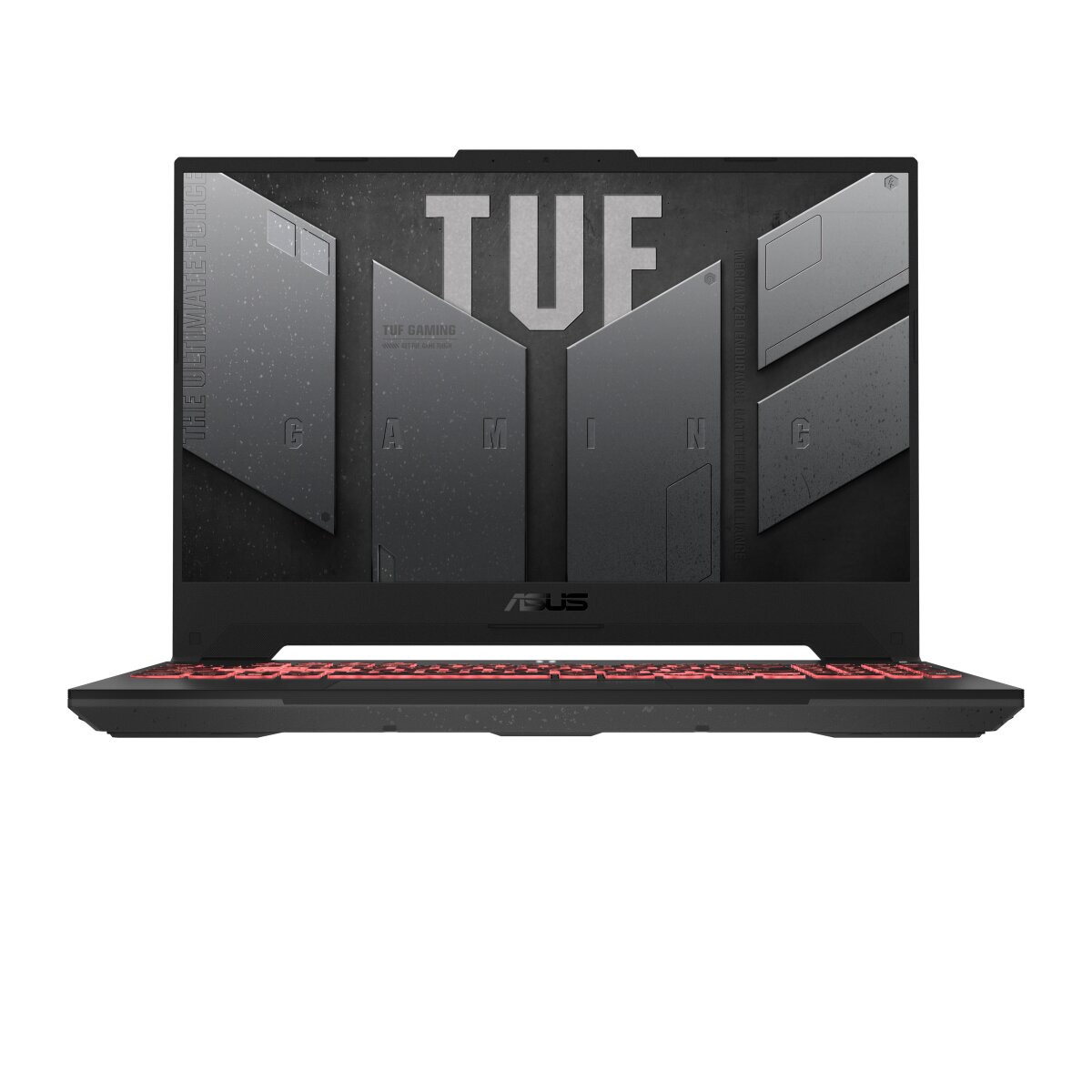
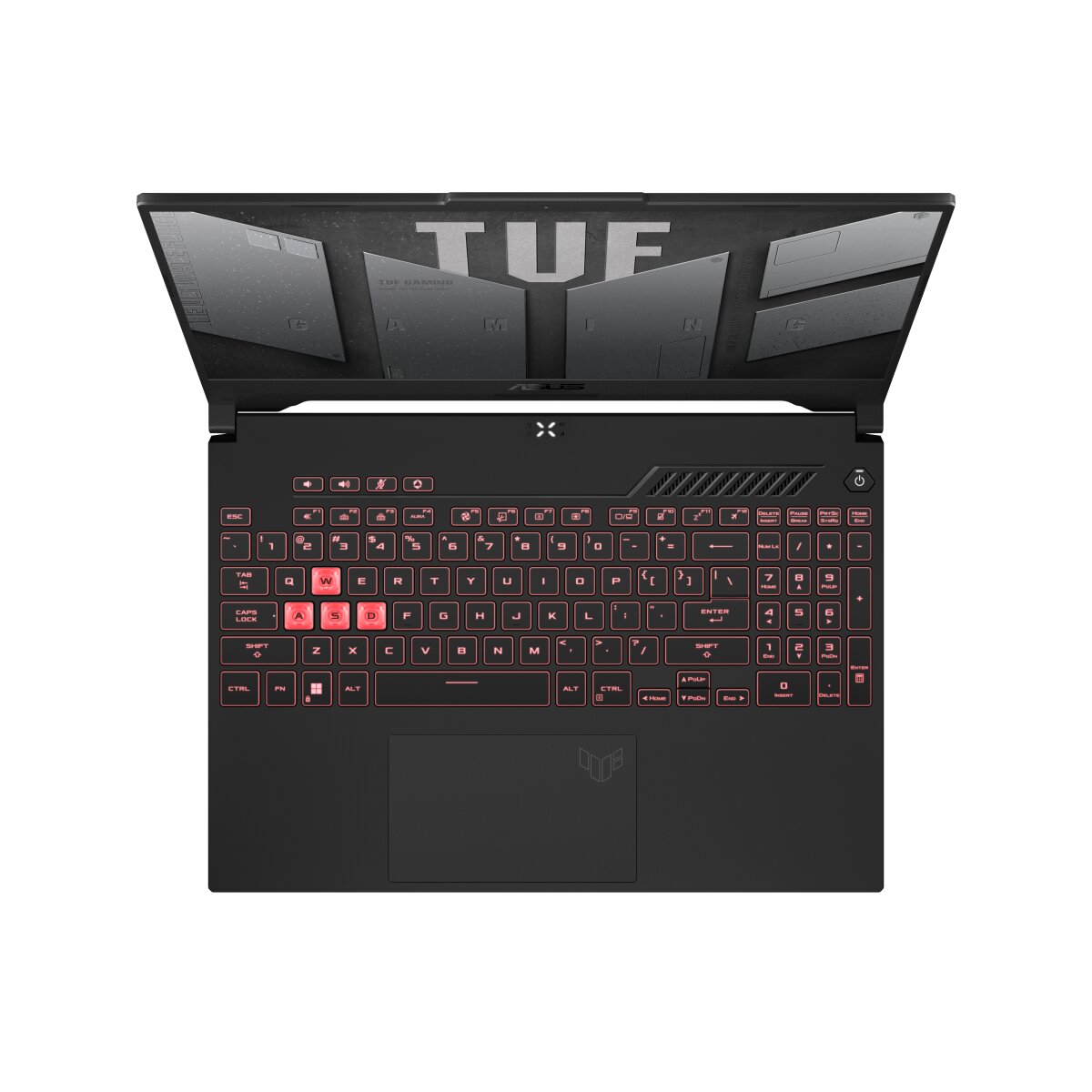
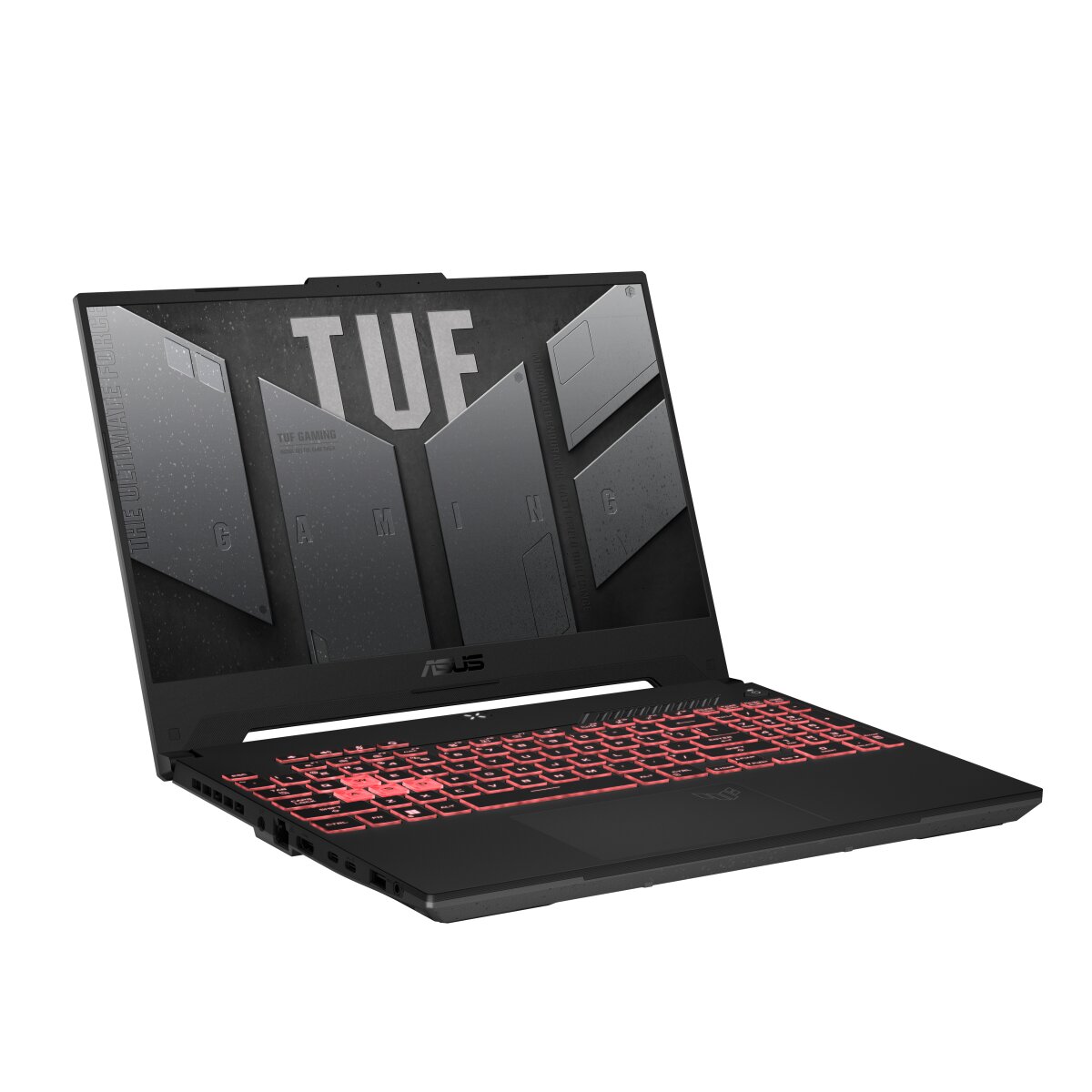
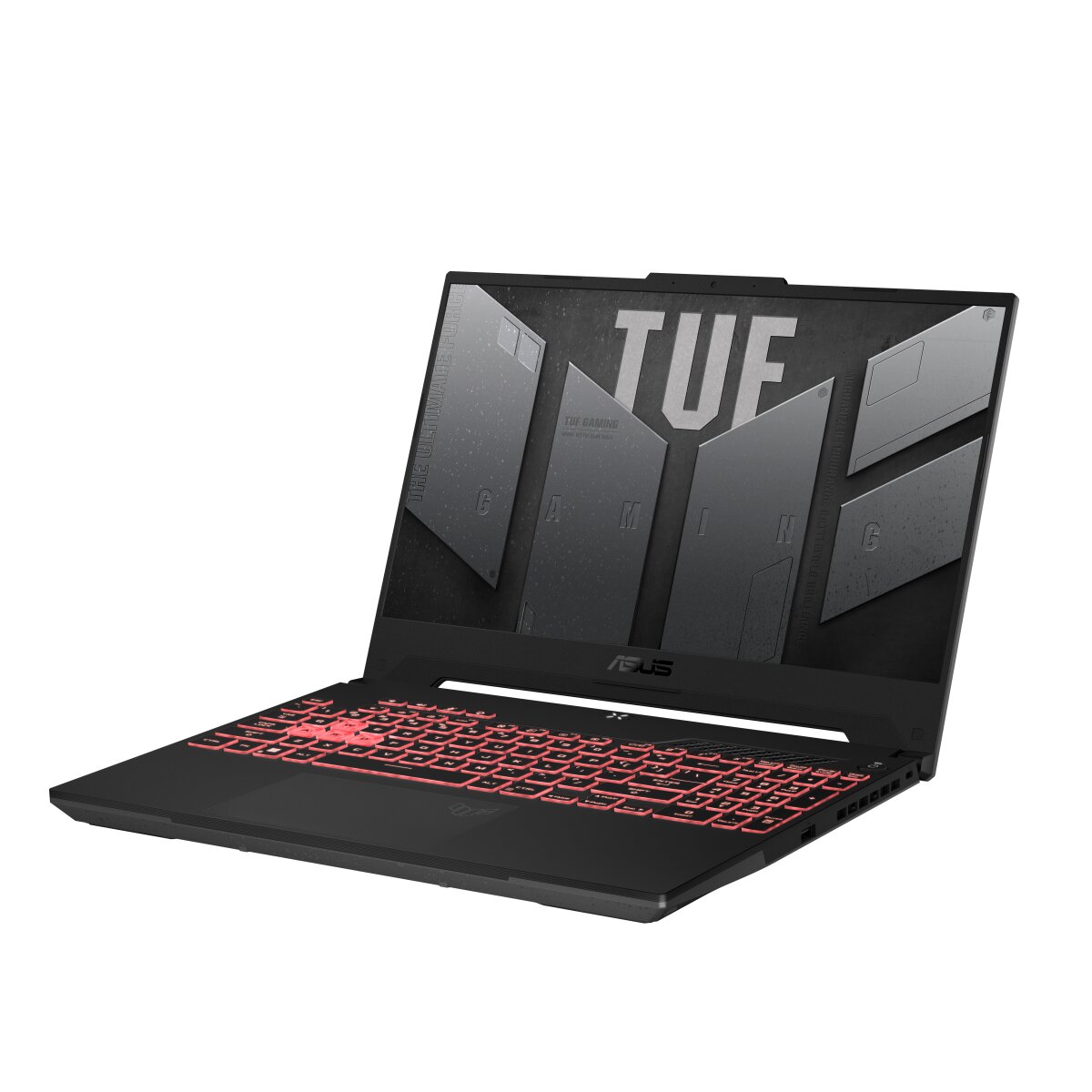

The ASUS TUF Gaming A15 series model TUF507RR-HQ091 features two SO-DIMM slots for memory expansion. The laptop supports DDR5-SDRAM modules operating at 4800 MHz frequency. Maximum supported RAM capacity is 32 GB total. Compatible upgrade modules must utilize the SO-DIMM form factor and DDR5 specifications. The memory slots accommodate individual modules up to 16 GB each for maximum capacity configuration. Specifications indicate DDR5 memory compatibility for enhanced performance characteristics on the TUF507RR-HQ091 platform.
Memory Upgrade Specifications
| Specification | Value |
|---|---|
| Memory slots | 2x SO-DIMM |
| Form factor | SO-DIMM |
| Memory type | DDR5-SDRAM |
| Frequency | 4800 MHz |
| Maximum RAM | 32 GB |
| Voltage | 1.1V |
| Number of pins | 262-pin |
| Interface | PC5 |
| PC Speed Rating | PC5-4800 (PC5-38400) |
| Bandwidth | 38.4 GB/s |
| Laptop Release date | 23 September 2022 |
Additional Notes
- The ASUS TUF Gaming TUF507RR-HQ091 accommodates only 2 SO-DIMM slots, establishing a hard ceiling of 32 GB total capacity regardless of future DDR5 module density improvements.
- DDR5-4800 MHz operation requires compatible memory modules rated for this frequency; slower DDR5 variants (3200 MHz, 4400 MHz) will function but operate at reduced bandwidth, potentially limiting performance in workloads sensitive to memory throughput.
- SO-DIMM form factor restricts upgrades to laptop-specific modules; desktop DDR5 UDIMM or RDIMM modules cannot be installed, eliminating cost advantages from repurposing standard PC memory stock.
- Single-channel operation occurs if only 1 module is installed, halving effective bandwidth compared to 2-module dual-channel configuration; asymmetrical configurations (16 GB + 8 GB) also disable dual-channel mode for the 8 GB module only.
- The non-upgradeable 2-slot design prevents staged memory expansion; both modules must be replaced simultaneously to exceed 16 GB, creating higher replacement costs than systems with additional empty slots.
- DDR5 SO-DIMM thermal management differs significantly from DDR4 equivalents due to increased power density; cooling clearance around the memory slots may constrain module selection if heat-spreader designs vary in height or thickness.