ASUS TUF Gaming TUF507XI-LP054 RAM upgrade specifications
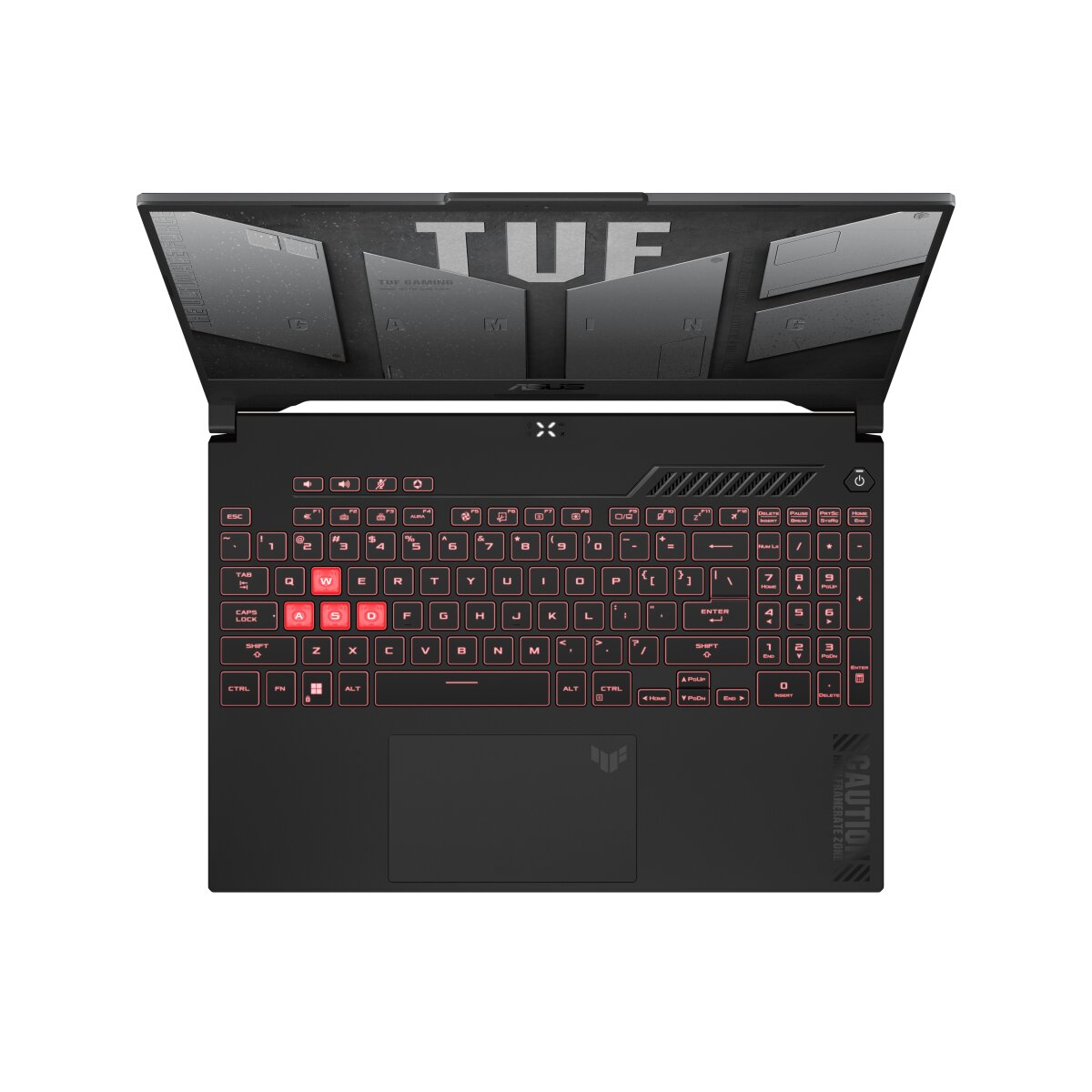




ASUS TUF Gaming A15 series model TUF507XI-LP054 features DDR5-SDRAM memory upgrade capabilities with two SO-DIMM slots supporting maximum RAM capacity of 32 GB. Memory specifications include DDR5 technology operating at 4800 MHz frequency. The laptop accommodates SO-DIMM form factor modules for compatible RAM upgrades. Maximum memory expansion reaches 32 GB total capacity across both memory slots.
Memory Upgrade Specifications
| Specification | Value |
|---|---|
| Memory slots | 2x SO-DIMM |
| Form factor | SO-DIMM |
| Memory type | DDR5-SDRAM |
| Frequency | 4800 MHz |
| Maximum RAM | 32 GB |
| Voltage | 1.1V |
| Number of pins | 262-pin |
| Interface | PC5 |
| PC Speed Rating | PC5-4800 (PC5-38400) |
| Bandwidth | 38.4 GB/s |
| Laptop Release date | 27 March 2023 |
Additional Notes
- The ASUS TUF Gaming TUF507XI-LP054 architecture imposes a 32 GB ceiling across both slots, limiting each module to a maximum of 16 GB regardless of available higher-density options in the market.
- DDR5-SDRAM operates at a minimum baseline voltage of 1.1V compared to DDR4's 1.2V, reducing thermal output during sustained workloads but requiring motherboard firmware capable of managing the dual-channel power delivery architecture inherent to DDR5's on-die voltage regulation.
- The 4800 MHz specification represents JEDEC baseline speed for DDR5, meaning modules rated at 5200 MHz, 5600 MHz, or higher will downclock to 4800 MHz when installed, negating any advertised performance advantages of premium-tier memory kits.
- SO-DIMM form factor necessitates laptop-specific modules measuring 67.6 mm in length versus desktop DIMM's 133.35 mm, making standard desktop DDR5 memory physically incompatible despite identical electrical specifications.
- Dual-slot configuration enables channel interleaving for bandwidth aggregation, but mismatched module capacities between slots will force the system into asymmetric (flex) mode, reducing effective throughput compared to matched-pair installations.
- DDR5's per-module ECC functionality operates independently of system-level error correction, providing silent data corruption protection without BIOS exposure, though this differs from registered ECC DIMM implementations found in workstation platforms.
- Warranty preservation typically requires avoiding modules exceeding the validated 4800 MHz threshold, as Intel and AMD XMP/EXPO overclocking profiles may void coverage even when the platform supports higher frequency strap configurations.
- The transition from DDR4 SO-DIMM creates backward incompatibility due to notch repositioning at pin 145 versus DDR4's pin 144, physically preventing insertion of previous-generation modules despite the SO-DIMM footprint remaining unchanged.
- Peak theoretical bandwidth reaches 76.8 GB/s in dual-channel configuration at 4800 MHz, establishing headroom constraints for GPU-integrated workloads where unified memory architecture shares capacity between CPU and graphics processing.