ASUS TUF Gaming TUF706IHNT-HX022W RAM upgrade specifications
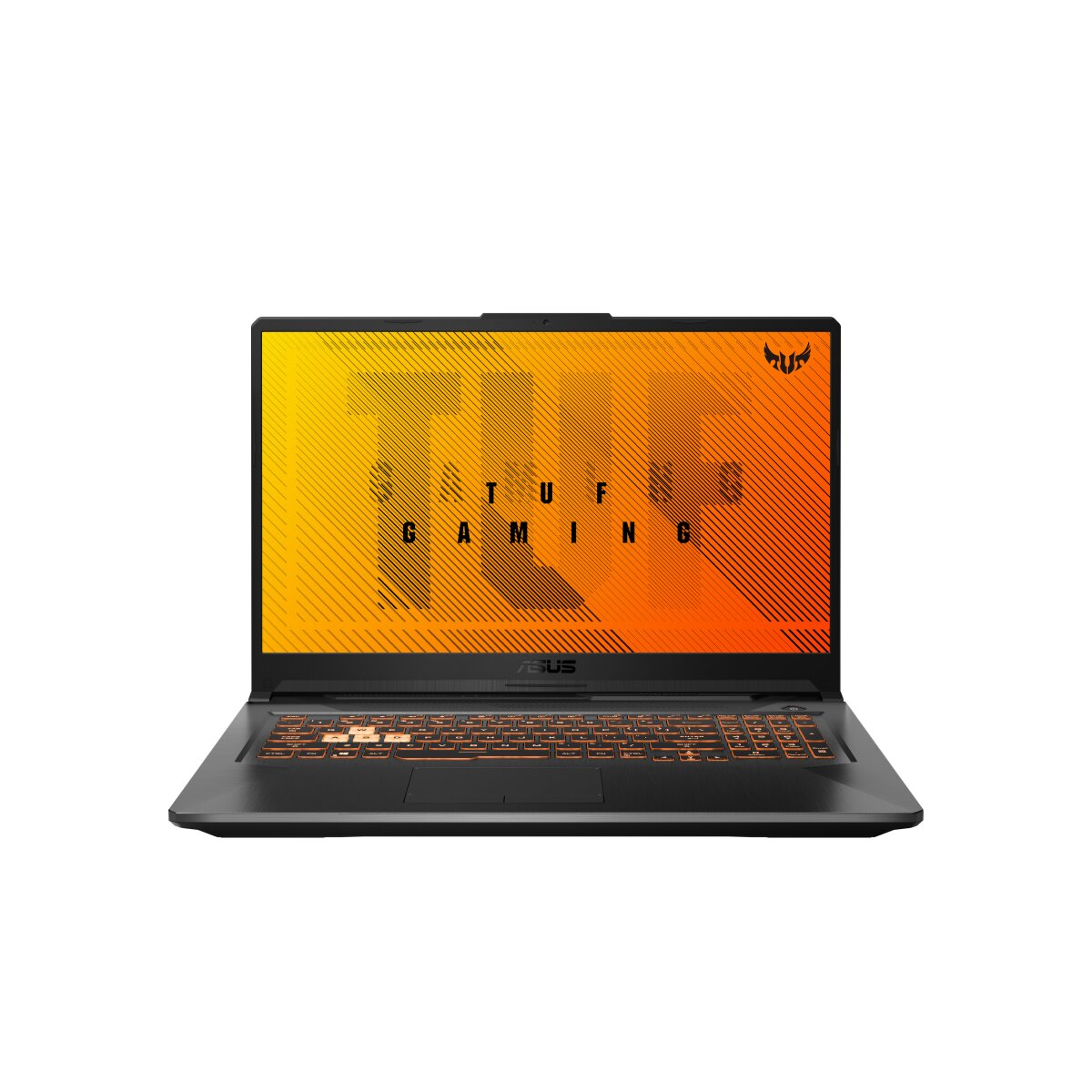
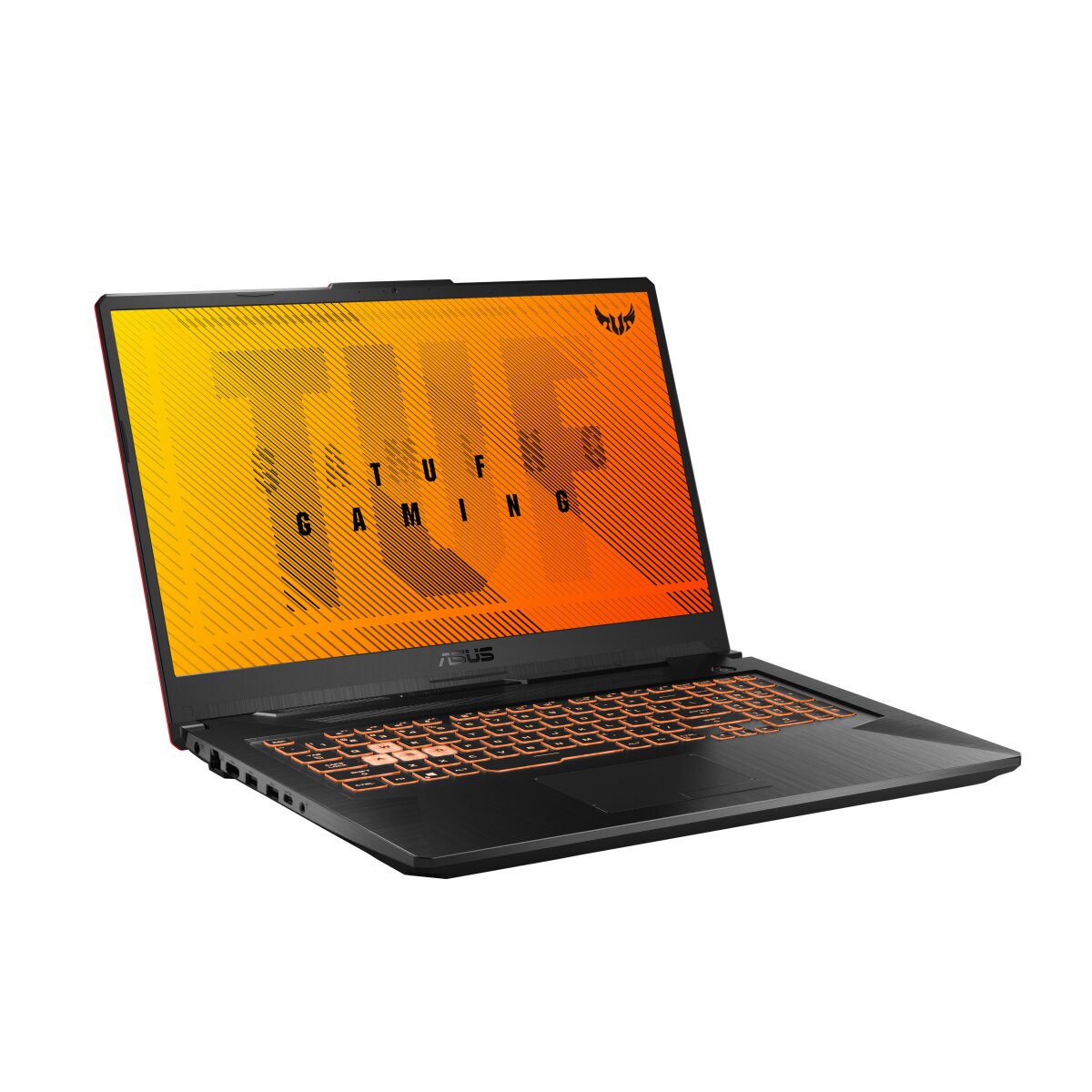
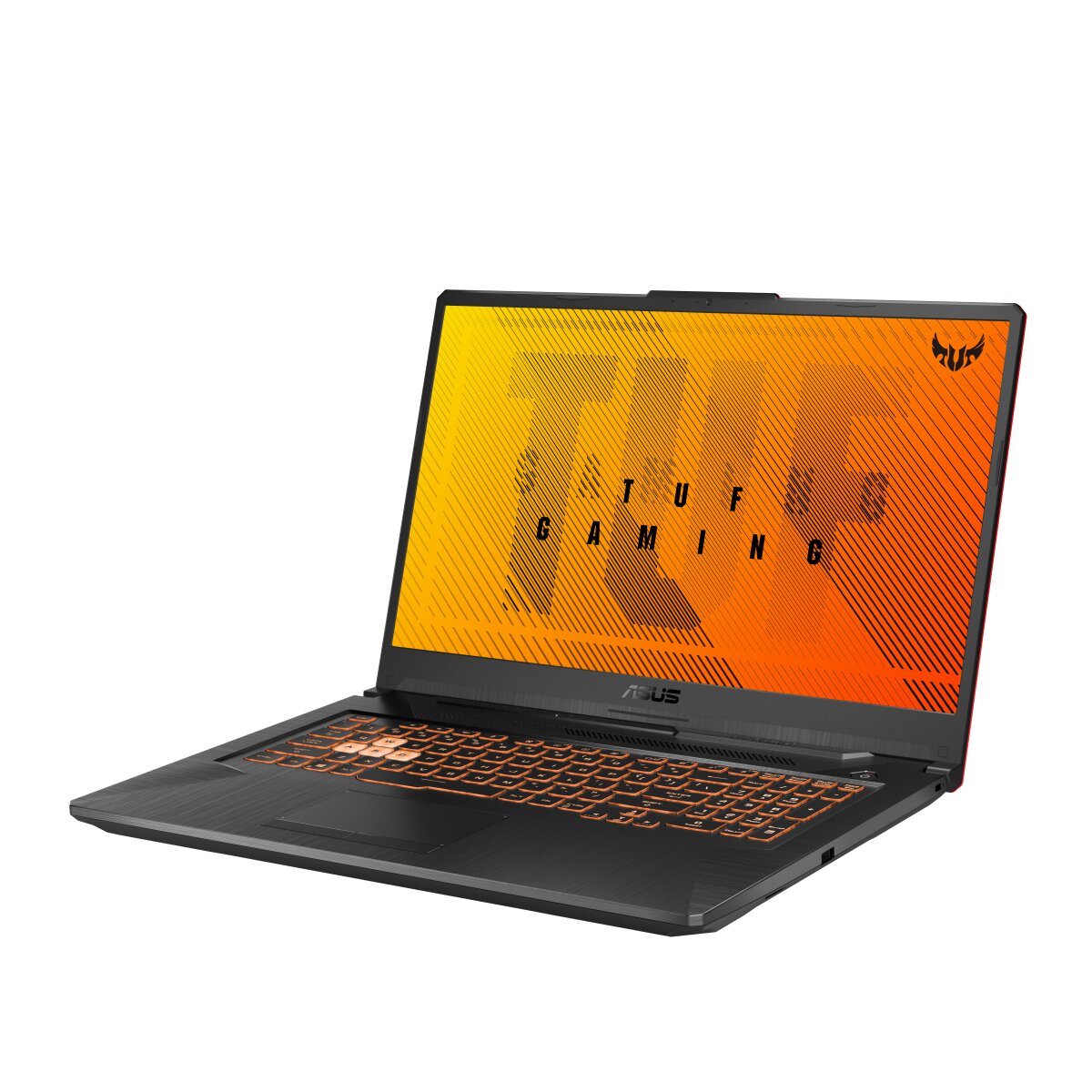
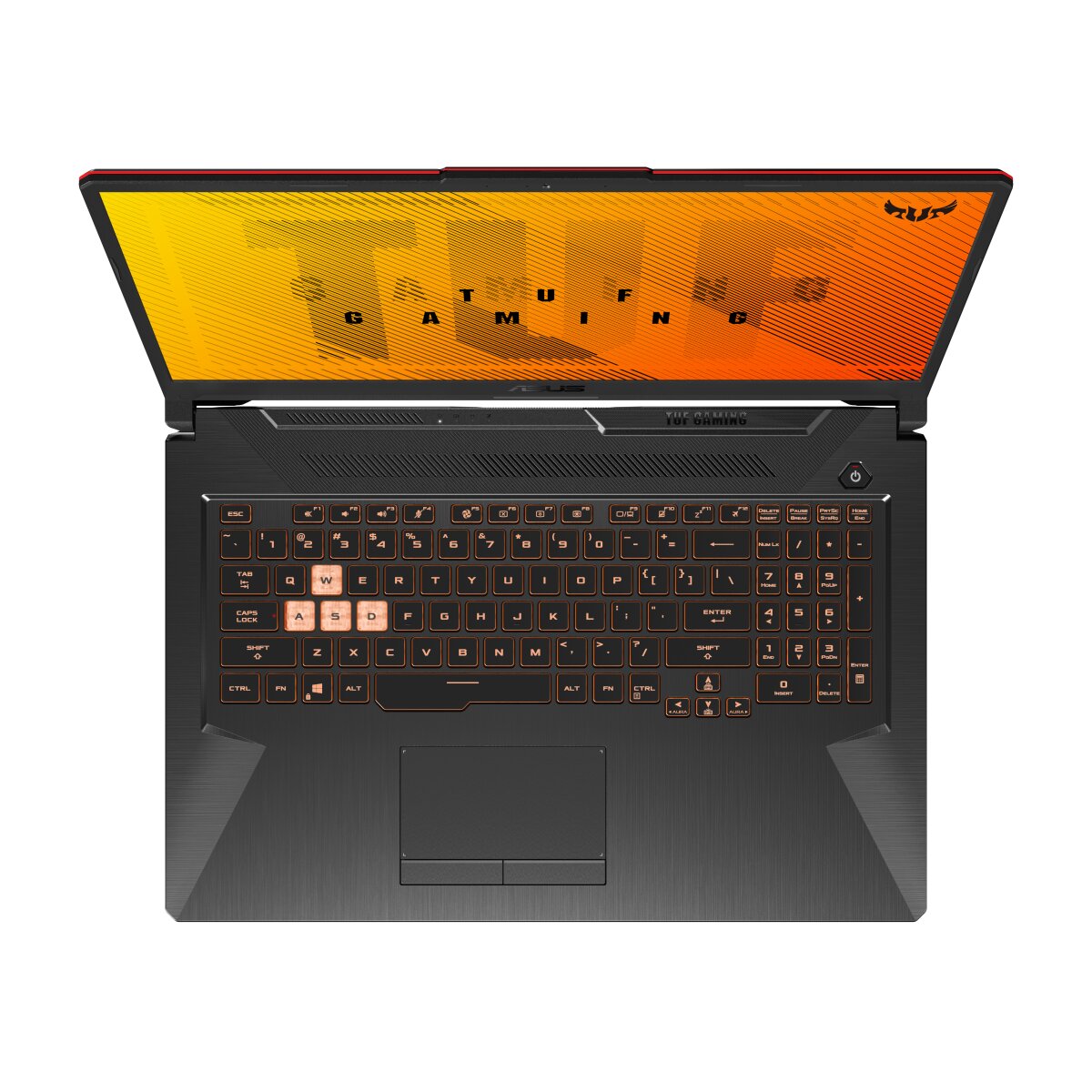
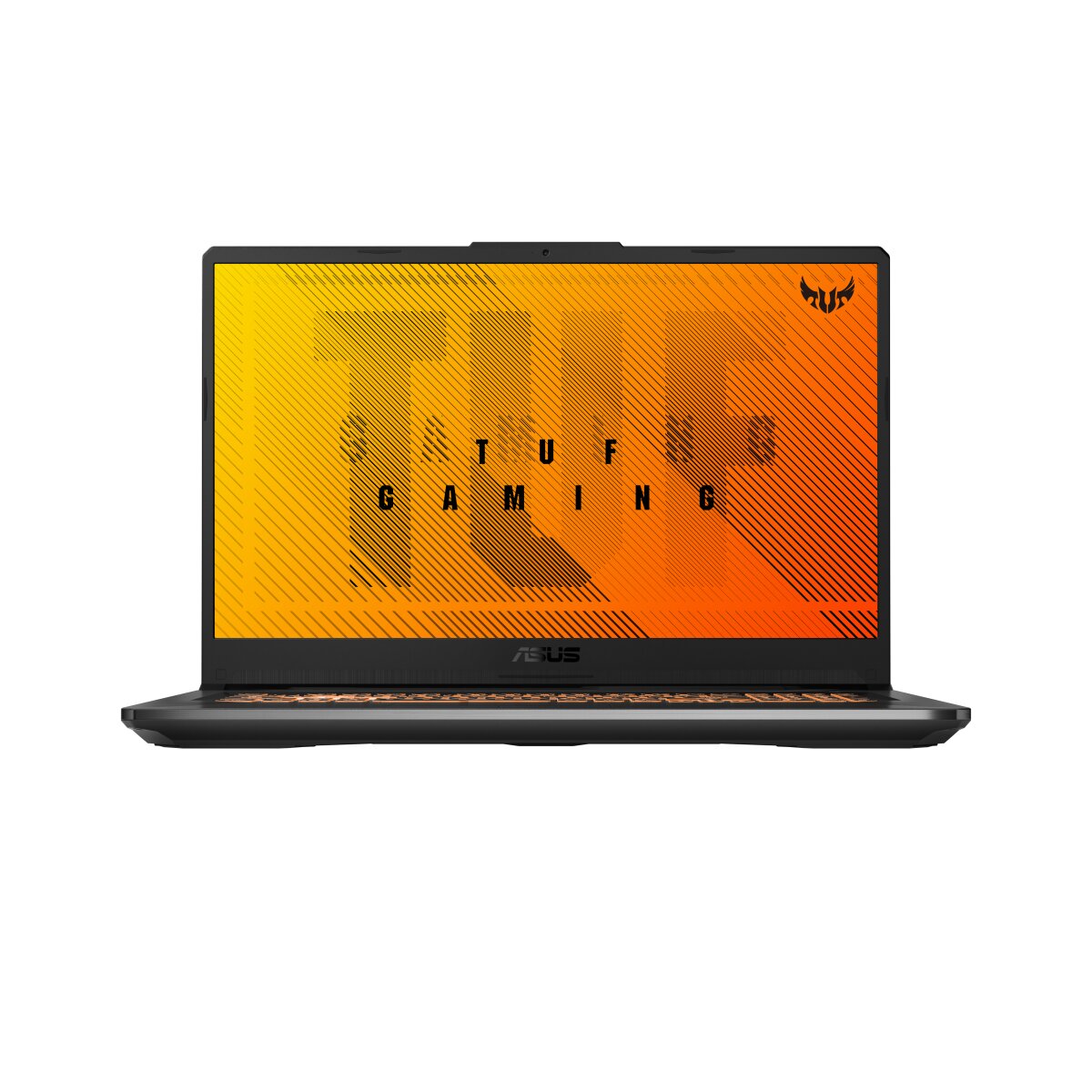
ASUS TUF Gaming A15 series model TUF706IHNT-HX022W supports DDR4-SDRAM memory upgrades. The laptop features two SO-DIMM slots compatible with DDR4 modules operating at 3200 MHz frequency. Maximum supported RAM capacity reaches 32 GB total. Current memory configuration can be expanded by installing additional compatible SO-DIMM memory modules in available upgrade slots. Specifications indicate SO-DIMM form factor compatibility for RAM upgrades on this TUF Gaming A15 model.
Memory Upgrade Specifications
| Specification | Value |
|---|---|
| Memory slots | 2x SO-DIMM |
| Form factor | SO-DIMM |
| Memory type | DDR4-SDRAM |
| Frequency | 3200 MHz |
| Maximum RAM | 32 GB |
| Voltage | 1.2V |
| Number of pins | 260-pin |
| Interface | PC4 |
| PC Speed Rating | PC4-3200 (PC4-25600) |
| Bandwidth | 25.6 GB/s |
| Laptop Release date | 31 December 2021 |
Additional Notes
- The ASUS TUF Gaming TUF706IHNT-HX022W memory controller imposes a 32 GB ceiling, meaning dual-channel configurations are limited to 2x16 GB modules regardless of higher-capacity module availability in the market.
- DDR4-3200 represents the baseline specification, but actual operational speed depends on CPU memory controller capabilities and may default to lower JEDEC profiles if the processor does not support the rated frequency.
- SO-DIMM form factor restricts physical compatibility to notebook-specific modules, with standard desktop DIMM memory being mechanically incompatible due to different pin counts and physical dimensions.
- Dual-slot configuration enables genuine dual-channel operation only when paired modules are installed, as single-module configurations halve theoretical memory bandwidth despite identical clock speeds.
- CAS latency specifications become critical at 3200 MHz, where CL22 modules introduce approximately 13.75 nanoseconds of latency versus CL16 modules at 10 nanoseconds, directly affecting memory-sensitive workloads.
- Operating voltage must remain at standard 1.2V for DDR4 SO-DIMMs, as gaming laptops typically lack BIOS voltage adjustment options and XMP profiles may not activate without manufacturer-specific firmware support.
- Module height clearance within the chassis cavity limits compatibility to standard-profile SO-DIMMs, excluding some high-performance modules with extended heat spreaders that exceed JEDEC thickness specifications.
- Mixed-capacity configurations (such as 8 GB plus 16 GB) trigger asymmetric dual-channel mode, where only the matched portion operates in dual-channel while excess capacity reverts to single-channel operation.
- Non-ECC unbuffered memory remains the only viable option, as SO-DIMM ECC modules require server-grade memory controllers not present in consumer gaming laptop platforms.
- Thermal constraints within laptop chassis designs cause DDR4-3200 modules to generate approximately 15-20% more heat than DDR4-2666 equivalents, potentially triggering throttling in inadequately ventilated configurations.