ASUS TUF Gaming FA607NU-RL051W RAM upgrade specifications

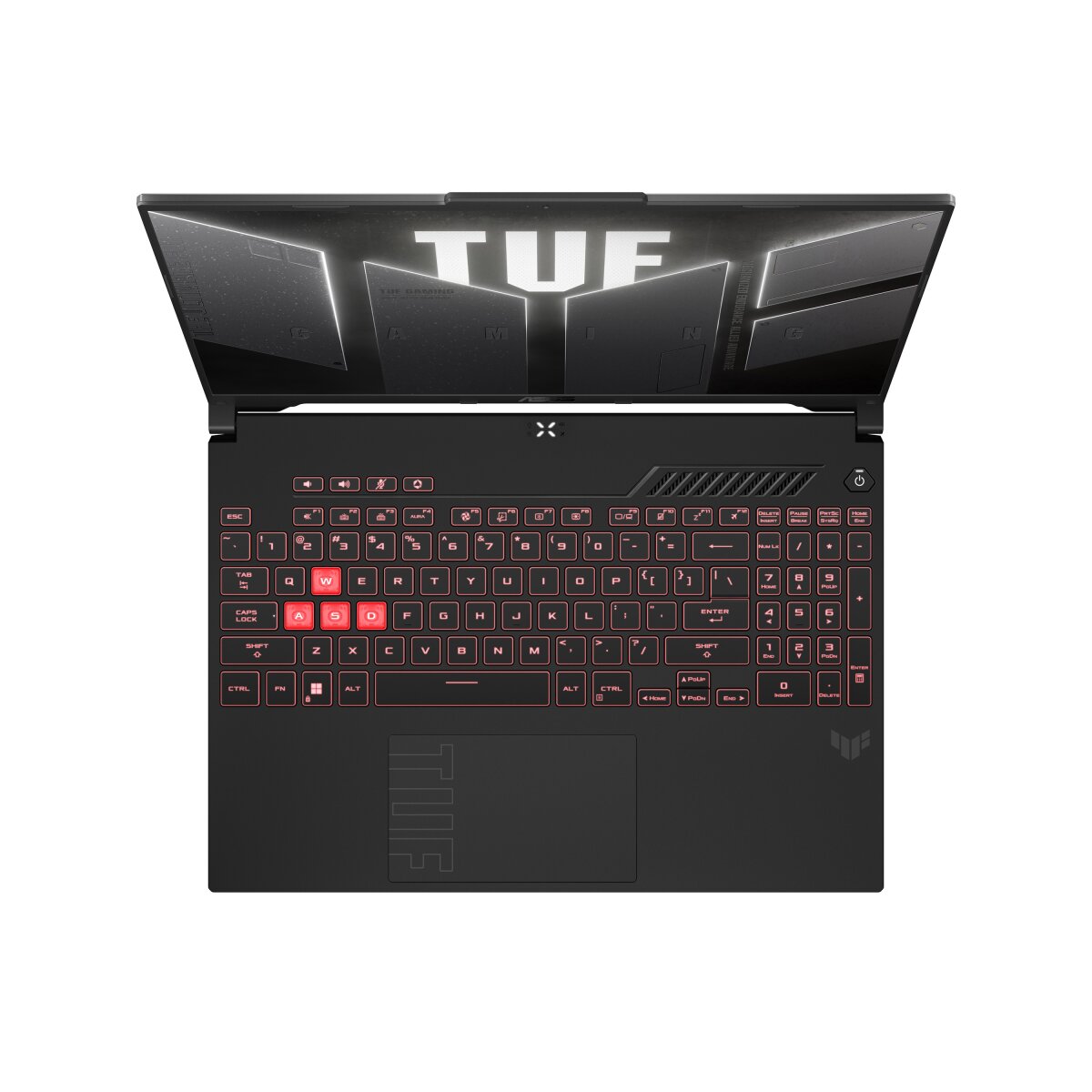
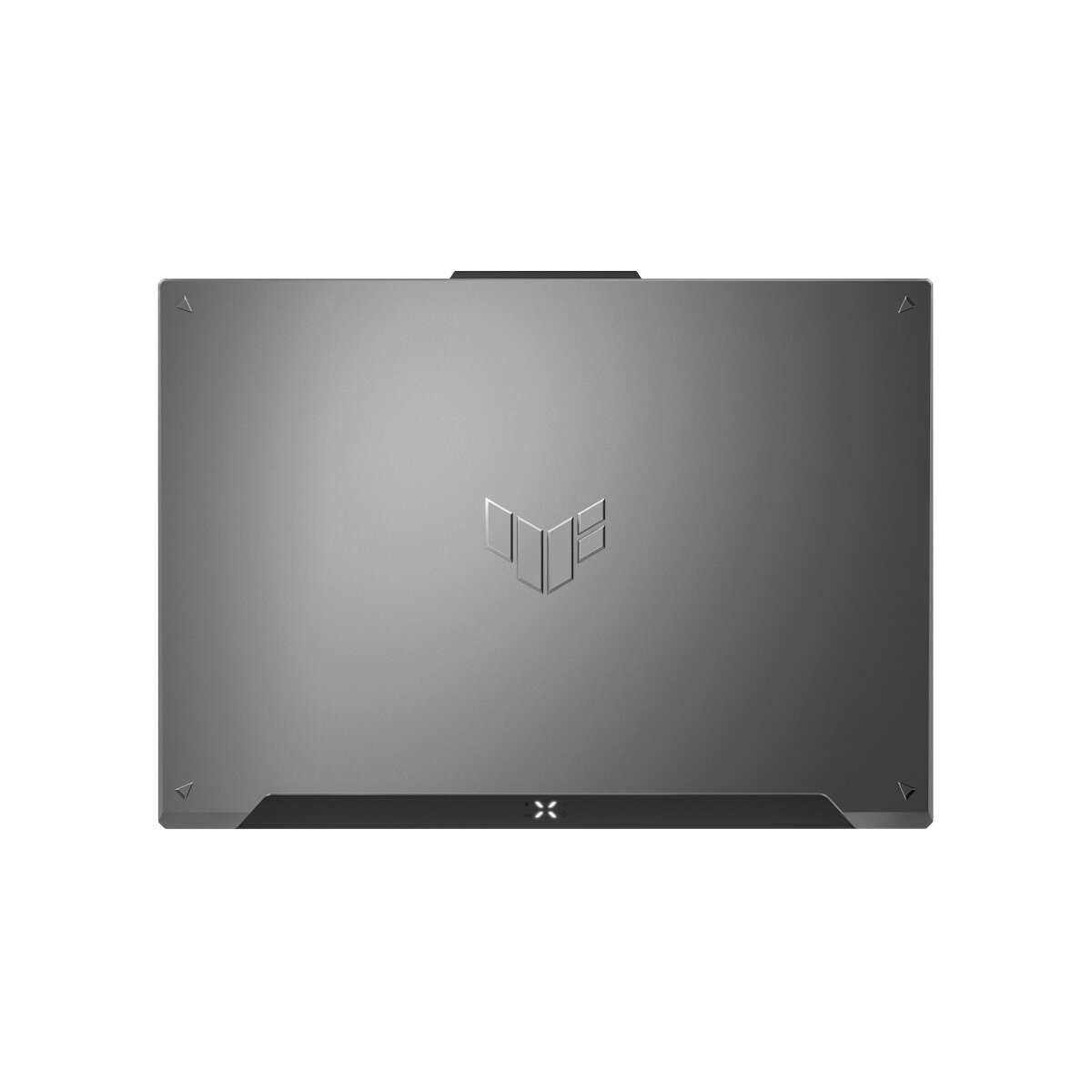


The ASUS TUF Gaming A16 FA607NU-RL051W laptop features two SO-DIMM memory slots supporting DDR5-SDRAM upgrades. Maximum compatible RAM capacity reaches 64 GB total. The memory operates at 4800 MHz frequency. Current upgrade specifications indicate the upgrade slots accommodate DDR5 modules in SO-DIMM form factor. Replacement RAM must match DDR5-SDRAM specifications for compatibility with the FA607NU-RL051W model.
Memory Upgrade Specifications
| Specification | Value |
|---|---|
| Memory slots | 2x SO-DIMM |
| Form factor | SO-DIMM |
| Memory type | DDR5-SDRAM |
| Frequency | 4800 MHz |
| Maximum RAM | 64 GB |
| Voltage | 1.1V |
| Number of pins | 262-pin |
| Interface | PC5 |
| PC Speed Rating | PC5-4800 (PC5-38400) |
| Bandwidth | 38.4 GB/s |
Additional Notes
- The ASUS TUF Gaming FA607NU-RL051W supports dual-channel memory operation through its 2 SO-DIMM slots, enabling up to double the bandwidth compared to single-channel configurations when matched modules are installed.
- The 64 GB maximum capacity translates to a ceiling of 32 GB per slot, which requires high-density modules that may carry a cost premium over more common 16 GB or 8 GB configurations.
- DDR5-4800 represents JEDEC baseline specification, meaning modules rated at higher speeds will typically downclock to 4800 MHz unless the system firmware supports XMP 3.0 or EXPO profiles and those profiles are manually enabled.
- The SO-DIMM form factor requires modules approximately 67.6 mm in length, physically incompatible with standard 133.35 mm DIMM modules used in desktop systems.
- DDR5 operates at 1.1V compared to DDR4's 1.2V, preventing backward compatibility and requiring generation-specific module selection to avoid physical installation failure due to notch positioning differences.
- Mixing modules with different latency timings or voltage requirements may force the memory controller to operate all sticks at the slowest common specifications, potentially negating performance advantages of higher-spec modules.
- The dual-slot configuration limits expansion flexibility, as achieving maximum capacity requires replacing both existing modules rather than adding to empty slots when both are already populated.
- DDR5's on-die ECC operates independently of user intervention but does not provide the same error correction capabilities as server-grade registered ECC memory, focusing instead on internal data integrity.
- Most laptop manufacturers retain memory upgrades within user-serviceable warranty terms when performed through the designated access panel, but damage to the SO-DIMM slots during installation typically voids coverage for that specific component.
- The 4800 MHz data rate provides theoretical bandwidth of 38.4 GB/s per channel, totaling 76.8 GB/s in dual-channel mode, though real-world throughput depends on application memory access patterns and controller efficiency.