ASUS TUF Gaming FA607NU-RL056 RAM upgrade specifications




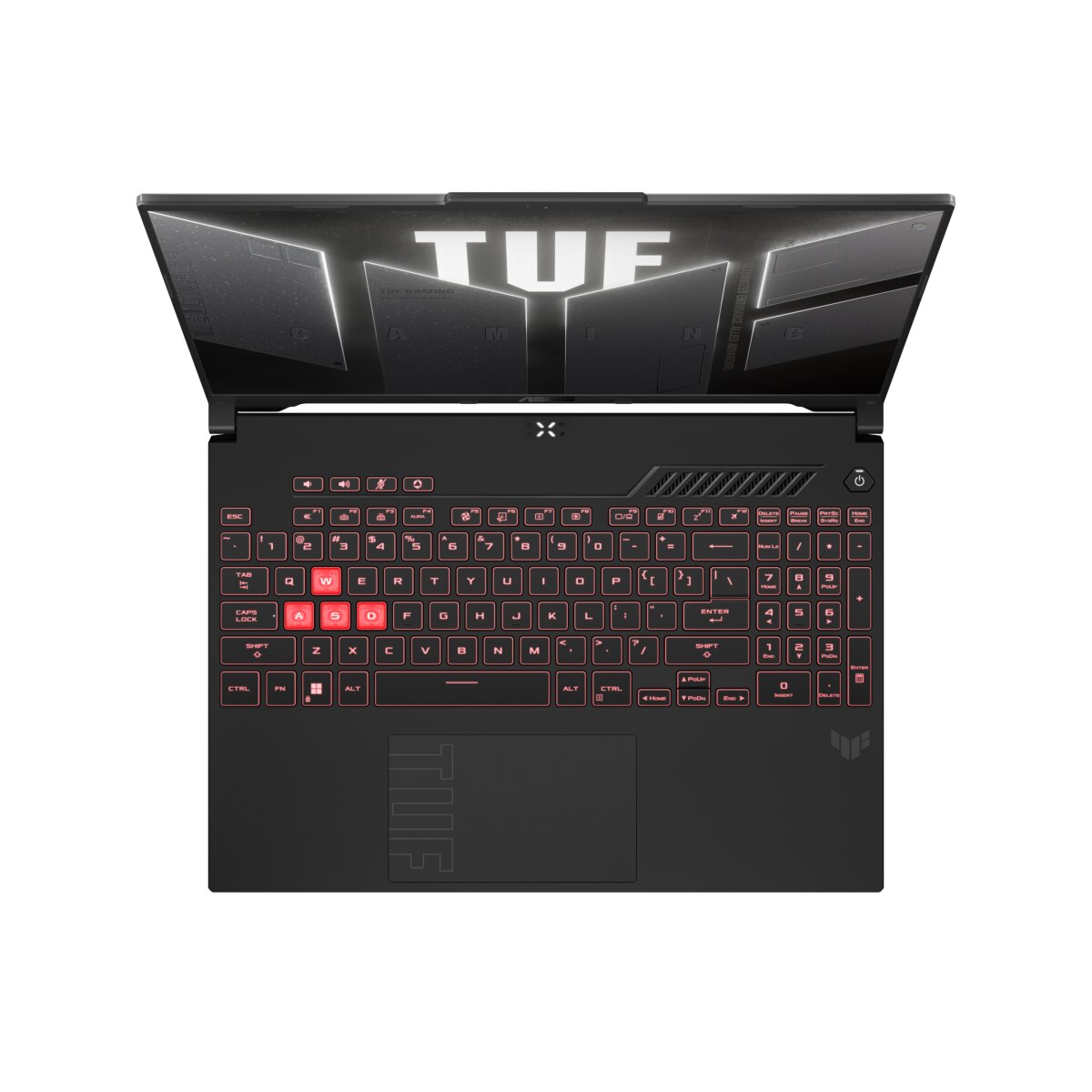
ASUS TUF Gaming A16 FA607NU-RL056 laptop features DDR5-SDRAM memory upgrade capabilities. The system contains 2x SO-DIMM slots supporting maximum RAM capacity of 64 GB. Compatible memory modules operate at 4800 MHz frequency. Specifications indicate SO-DIMM form factor for memory expansion. RAM upgrade slots enable users to enhance system performance through compatible DDR5 memory modules installed in available SO-DIMM slots.
Memory Upgrade Specifications
| Specification | Value |
|---|---|
| Memory slots | 2x SO-DIMM |
| Form factor | SO-DIMM |
| Memory type | DDR5-SDRAM |
| Frequency | 4800 MHz |
| Maximum RAM | 64 GB |
| Voltage | 1.1V |
| Number of pins | 262-pin |
| Interface | PC5 |
| PC Speed Rating | PC5-4800 (PC5-38400) |
| Bandwidth | 38.4 GB/s |
Additional Notes
- The ASUS TUF Gaming FA607NU-RL056 accepts DDR5 modules exclusively, rendering all DDR4 inventory incompatible due to distinct physical notch positions and voltage requirements.
- The 64 GB ceiling requires 2 matched 32 GB modules, as splitting capacity unevenly across slots may trigger single-channel operation and halve memory bandwidth.
- Modules rated above 4800 MHz will function but downclock to match the platform's supported frequency, negating any performance advantage from higher-spec kits.
- SO-DIMM specification limits thermal headroom compared to desktop DIMM modules, making passive cooling the only viable solution without chassis modifications.
- Both slots must remain accessible without motherboard removal to preserve factory seal integrity and maintain warranty coverage during user-initiated upgrades.
- Mixing module capacities or brands introduces potential instability through mismatched SPD profiles, even when total capacity stays within the 64 GB threshold.
- DDR5's dual-channel architecture per module means each SO-DIMM independently manages 2 memory channels, unlike DDR4's paired-slot channel distribution.
- Running a single populated slot forfeits half the available memory bandwidth regardless of module capacity, directly impacting GPU frame pacing in integrated graphics scenarios.
- Voltage regulation occurs on DDR5 modules rather than the motherboard, shifting power delivery responsibility and affecting compatibility with legacy DDR5 BIOS revisions.
- The 4800 MHz base specification represents JEDEC standard speeds; achieving stability requires modules with validated compatibility rather than relying solely on speed ratings.