ASUS TUF Gaming FA608UH-RV066 RAM upgrade specifications
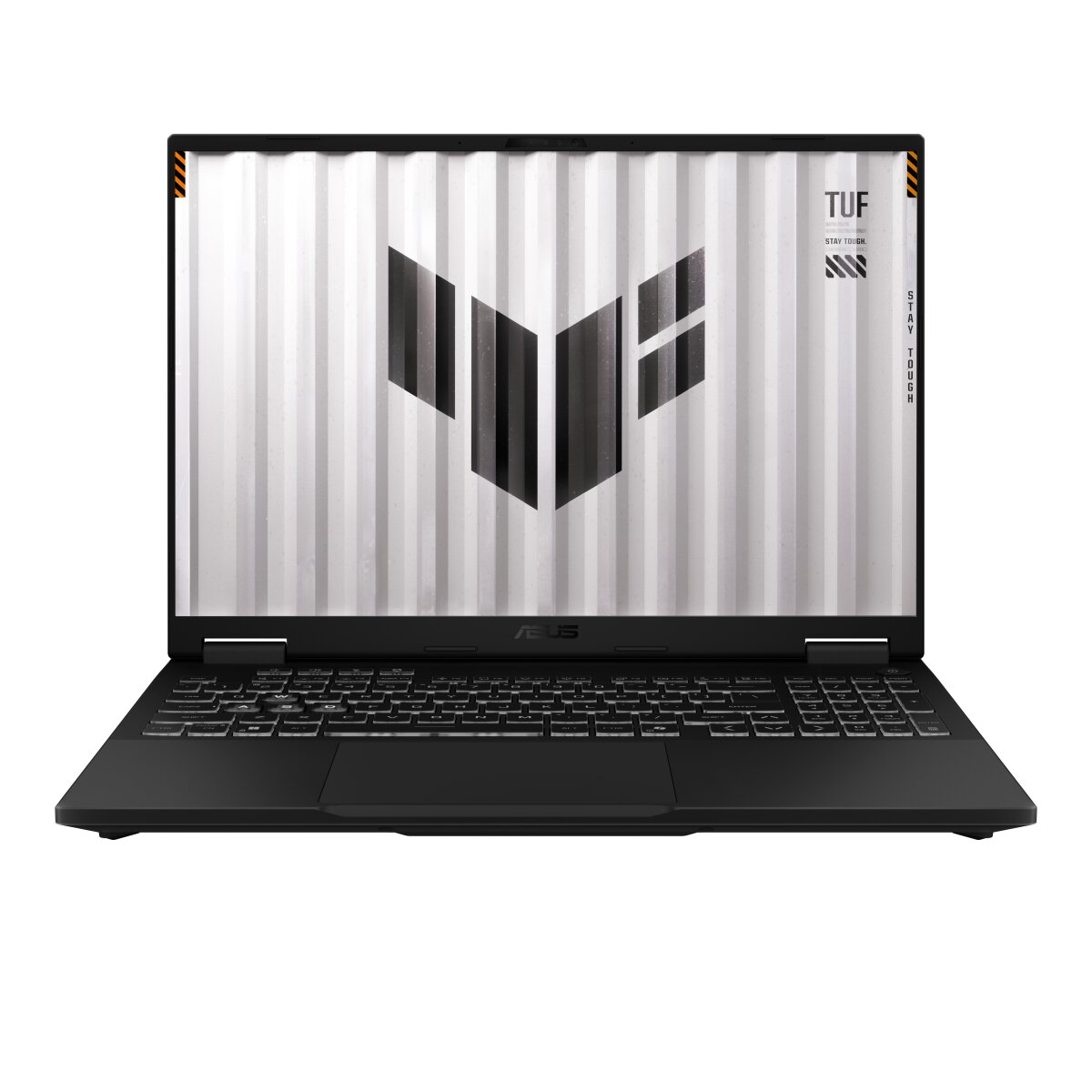
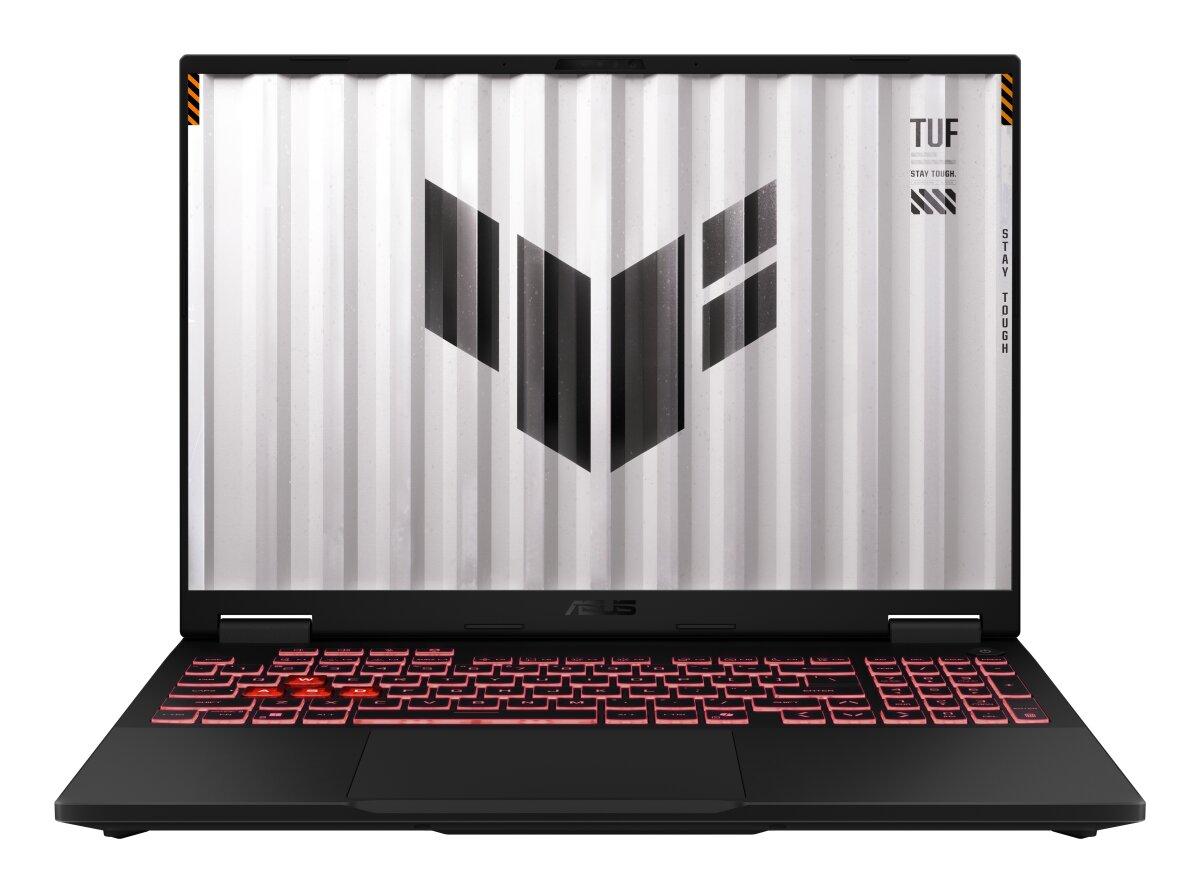
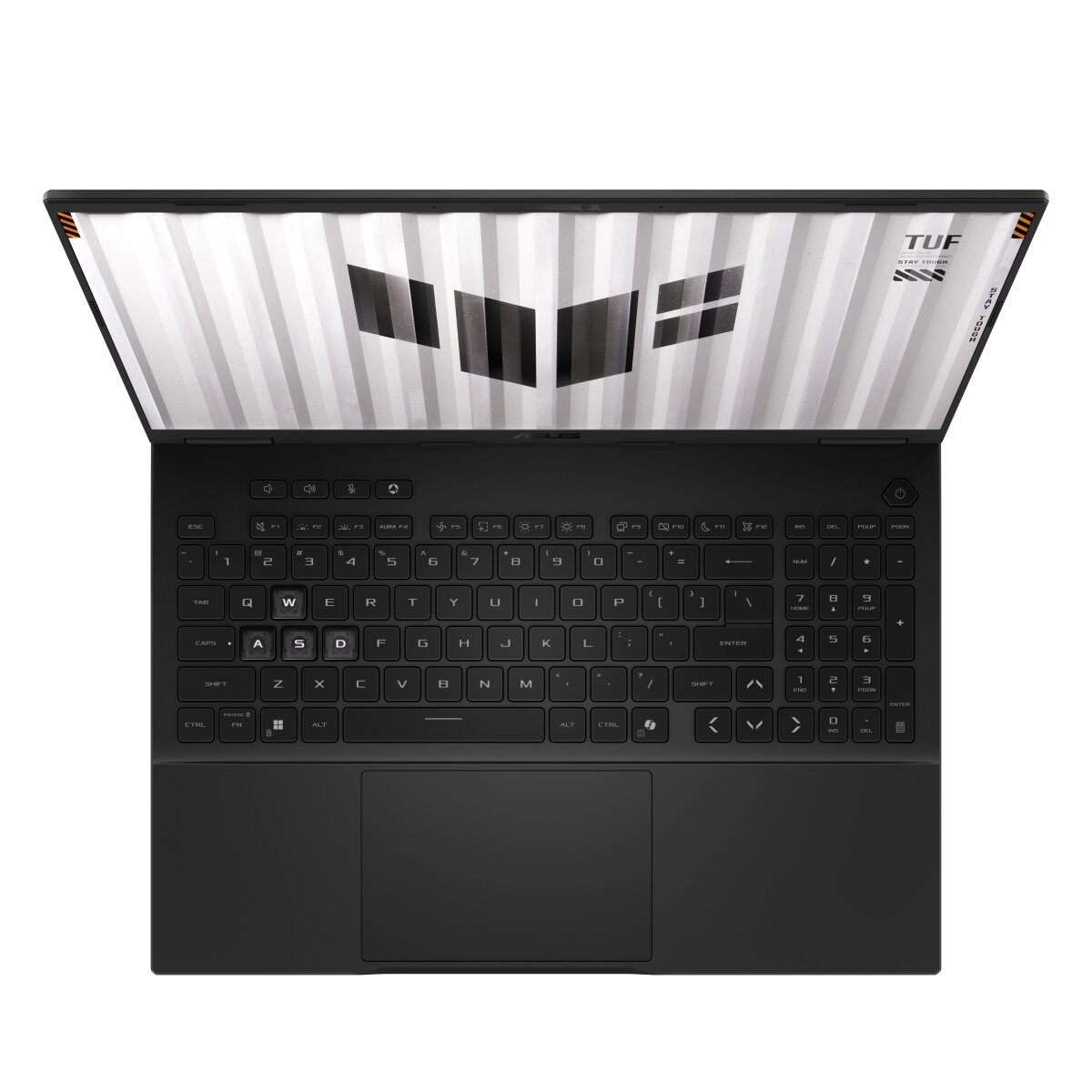
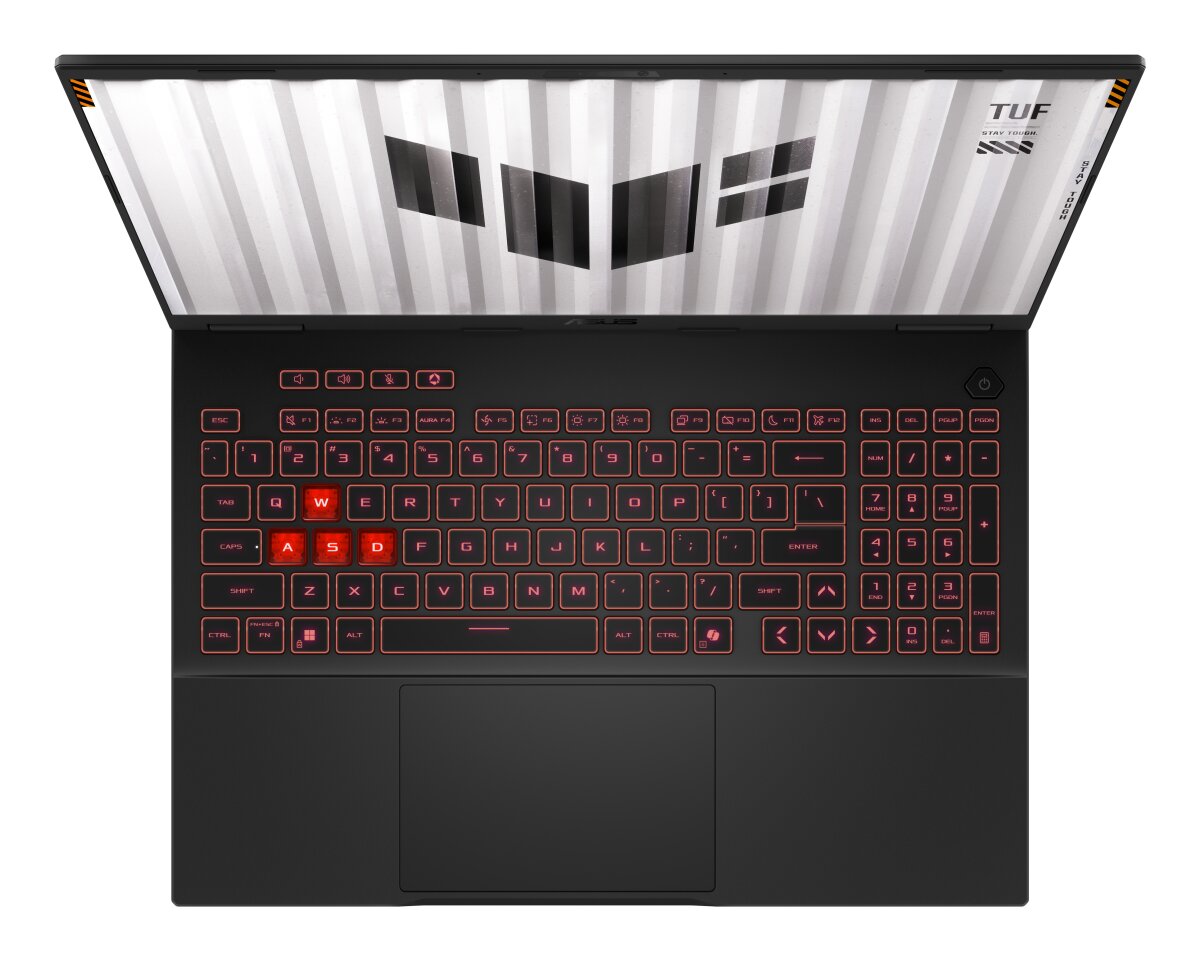
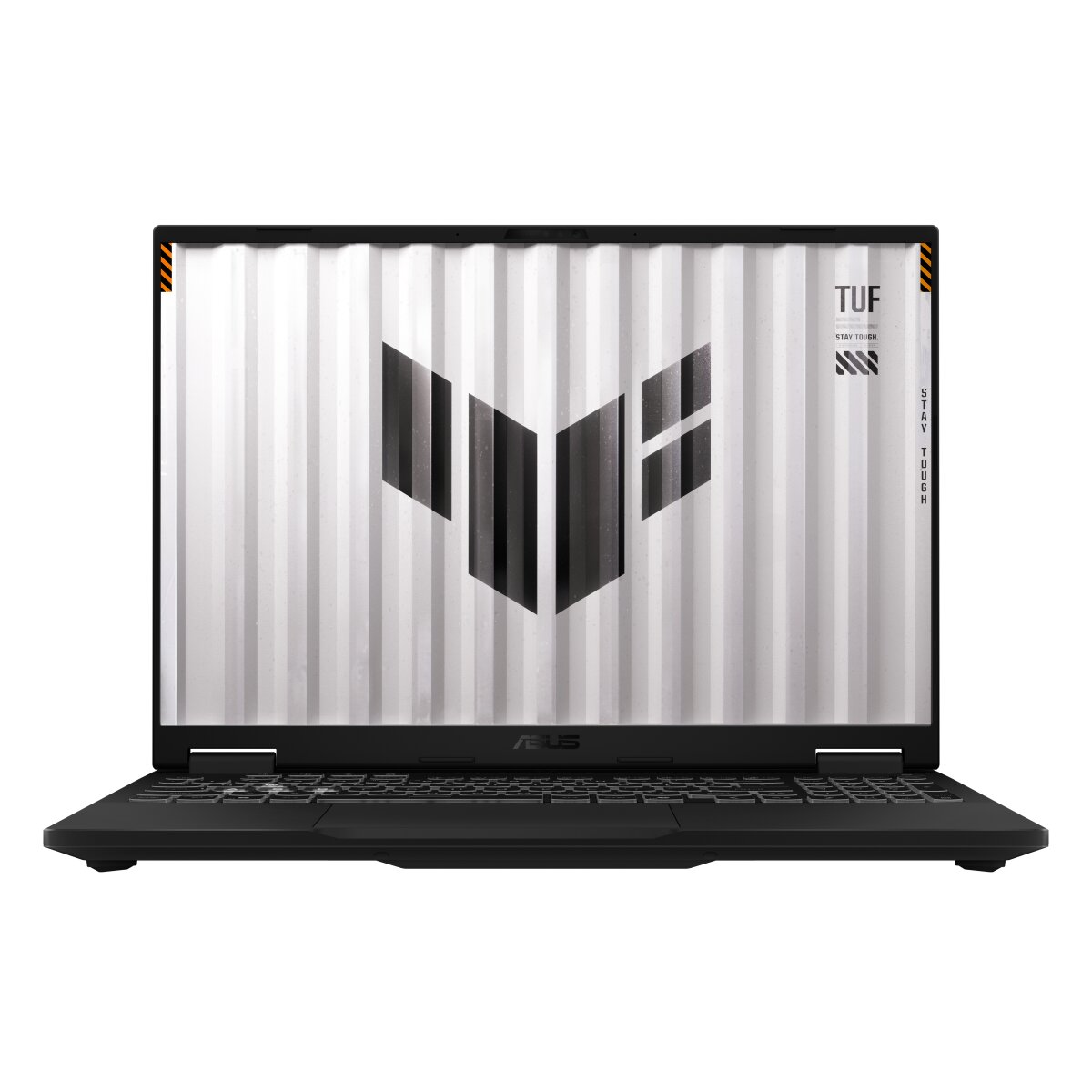
ASUS TUF Gaming A16 FA608UH-RV066 laptop features 2x SO-DIMM memory slots supporting DDR5-SDRAM modules. Maximum RAM capacity reaches 64 GB total. Memory specifications include DDR5-5600 MHz frequency standard. RAM upgrade slots accommodate SO-DIMM form factor modules. Compatible memory expansion enables configurations up to 64 GB maximum capacity. Specifications support DDR5 technology with dual SO-DIMM slot architecture for memory upgrade compatibility.
Memory Upgrade Specifications
| Specification | Value |
|---|---|
| Memory slots | 2x SO-DIMM |
| Form factor | SO-DIMM |
| Memory type | DDR5-SDRAM |
| Frequency | 5600 MHz |
| Maximum RAM | 64 GB |
| Voltage | 1.1V |
| Number of pins | 262-pin |
| Interface | PC5 |
| PC Speed Rating | PC5-5600 (PC5-44800) |
| Bandwidth | 44.8 GB/s |
Additional Notes
- The ASUS TUF Gaming FA608UH-RV066 contains 2 memory slots that operate in a dual-channel configuration, meaning symmetric capacity installation yields optimal bandwidth utilization at 5600 MHz.
- DDR5-5600 memory requires native JEDEC compatibility; third-party modules rated at higher frequencies will downclock to 5600 MHz without additional BIOS tuning, eliminating performance gain from premium-tier modules.
- SO-DIMM form factor restricts upgrade options to mobile-class memory only; desktop DDR5 UDIMMs are physically incompatible and cannot be force-fitted without damaging the retention clips or PCB traces.
- The 64 GB maximum capacity ceiling represents a hard constraint imposed by the platform controller and BIOS; single modules exceeding 32 GB per slot risk non-recognition on some firmware versions, requiring BIOS updates before installation.
- Upgrading from the factory configuration to the 64 GB maximum requires filling both slots with identical 32 GB modules; mismatched capacities operate in single-channel mode on the smaller module's capacity, reducing effective bandwidth by approximately 50 percent.
- Memory latency on DDR5-5600 platforms typically ranges from 40 to 50 nanoseconds; this higher latency compared to DDR4 compensates for increased bandwidth, but gaming workloads may not perceive generational performance gains in single-player titles with CPU-bound bottlenecks.
- SO-DIMM slots occupy minimal physical space beneath the keyboard deck; thermal pads on the memory module housing must seat correctly against the cooling structure, or memory throttling activates at 85 degrees Celsius.