ASUS TUF Gaming FA608UM RAM upgrade specifications


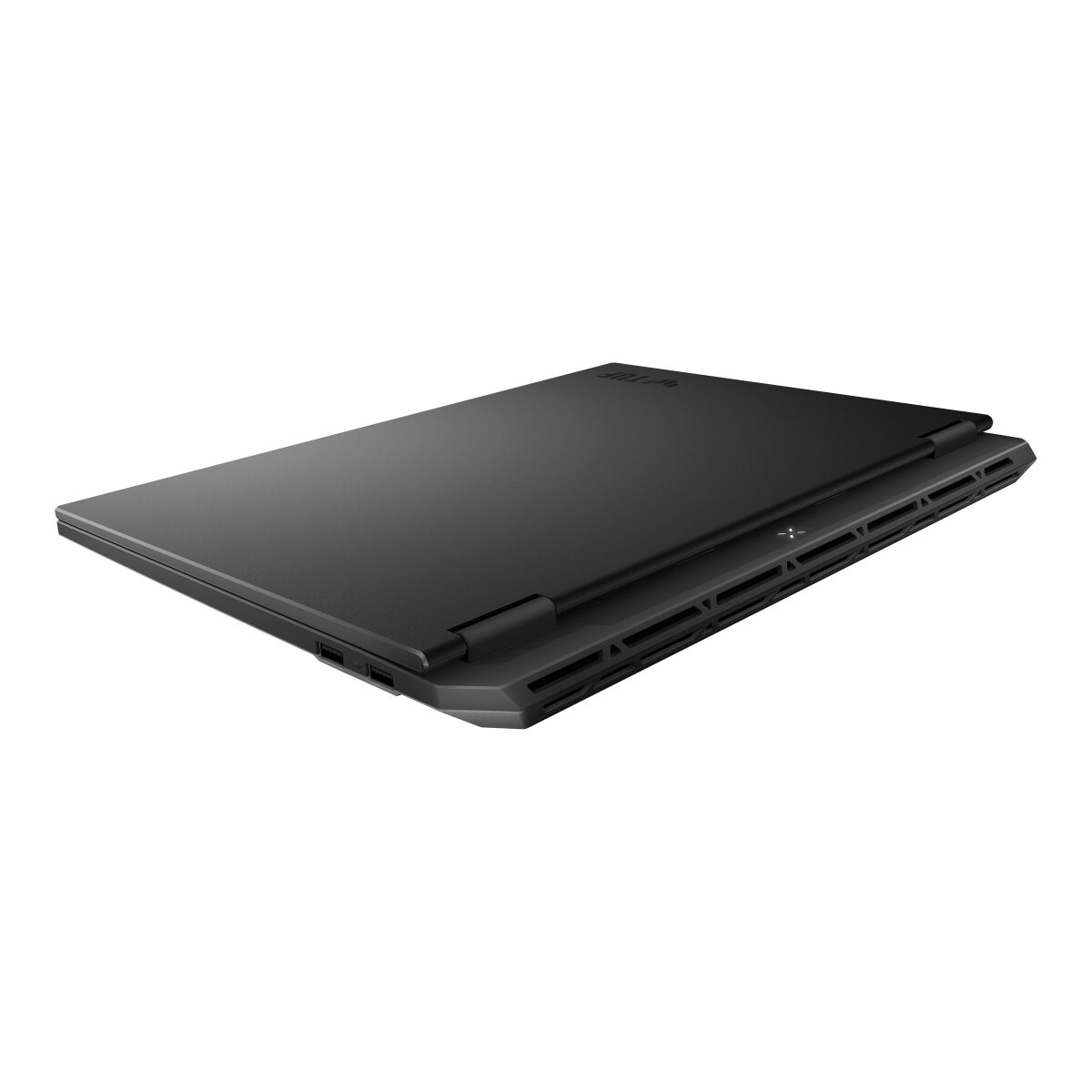
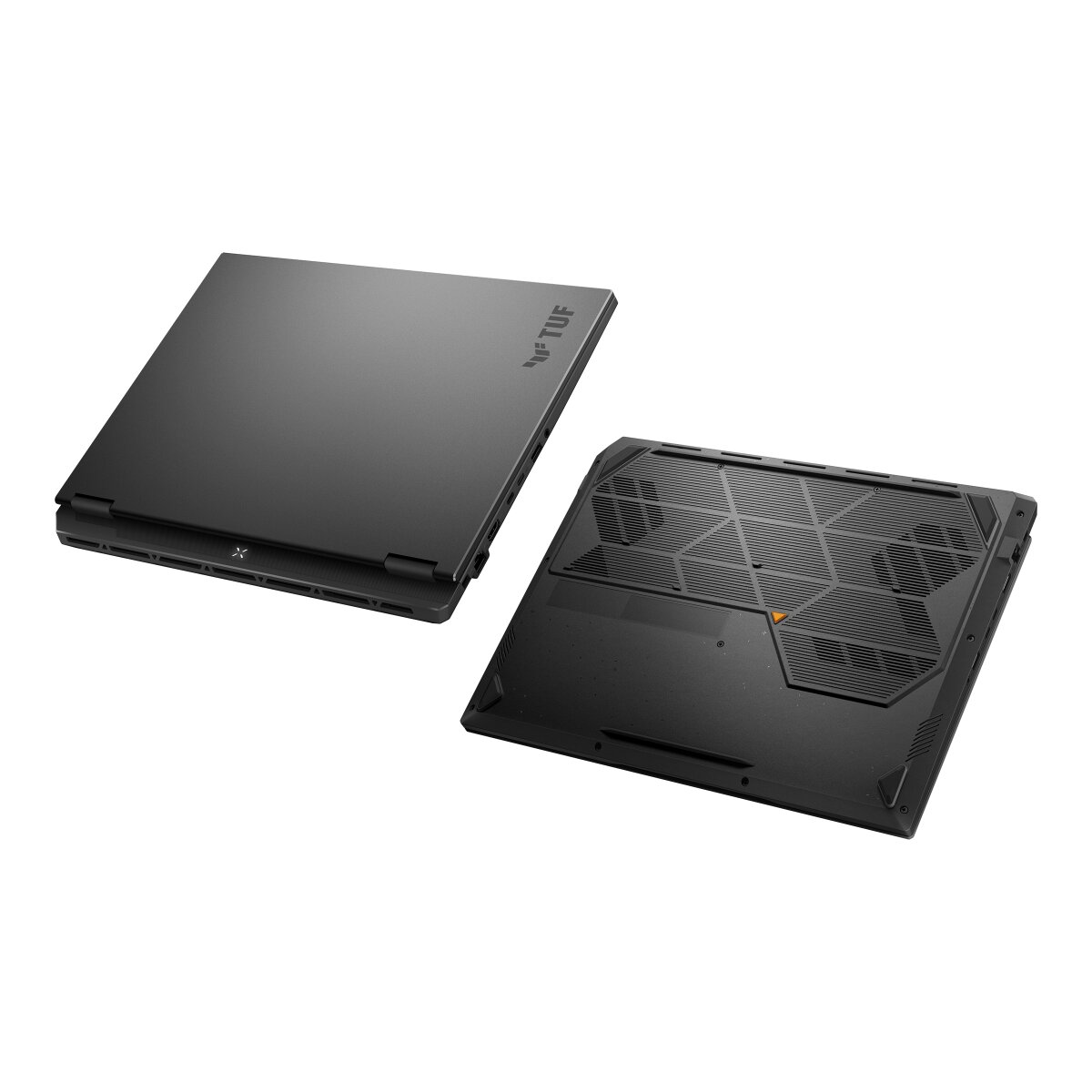

ASUS TUF Gaming A16 FA608UM laptop supports DDR5-SDRAM memory upgrades via two SO-DIMM slots. Maximum RAM capacity reaches 64 GB total. Compatible memory operates at 5600 MHz frequency. SO-DIMM form factor specifications ensure proper slot compatibility. Upgrade options allow for individual or dual module configurations to reach maximum supported capacity. Memory specifications are designed for optimal performance within TUF Gaming A16 series parameters.
Memory Upgrade Specifications
| Specification | Value |
|---|---|
| Memory slots | 2x SO-DIMM |
| Form factor | SO-DIMM |
| Memory type | DDR5-SDRAM |
| Frequency | 5600 MHz |
| Maximum RAM | 64 GB |
| Voltage | 1.1V |
| Number of pins | 262-pin |
| Interface | PC5 |
| PC Speed Rating | PC5-5600 (PC5-44800) |
| Bandwidth | 44.8 GB/s |
Additional Notes
- The presence of 2 physical SO-DIMM slots implies that memory is not soldered to the motherboard, allowing for the complete replacement of factory modules to reach the maximum threshold.
- Utilizing both available slots enables dual-channel memory architecture, which significantly increases memory bandwidth compared to single-channel configurations for the ASUS TUF Gaming FA608UM.
- The 5600 MHz frequency rating necessitates the use of high-speed DDR5 modules to avoid automatic downclocking and potential system instability caused by mismatched timings.
- Installing 64 GB of RAM requires 2 matching 32 GB modules, as the system firmware may reject higher density individual sticks that exceed the validated ceiling.
- The DDR5 standard operates at lower voltages than previous generations, which helps manage internal thermals within the chassis during high-load processing tasks.
- Upgrading the memory involves removing the bottom panel, which is generally considered a user-serviceable procedure that does not void the hardware warranty provided no physical damage occurs to the internal components.
- Latency performance is dictated by the integrated memory controller of the processor, meaning modules with lower CAS latency ratings than the factory stock will only yield benefits if the BIOS supports XMP or EXPO profiles.