ASUS TUF Gaming FA608UM-R72B56CS1 RAM upgrade specifications

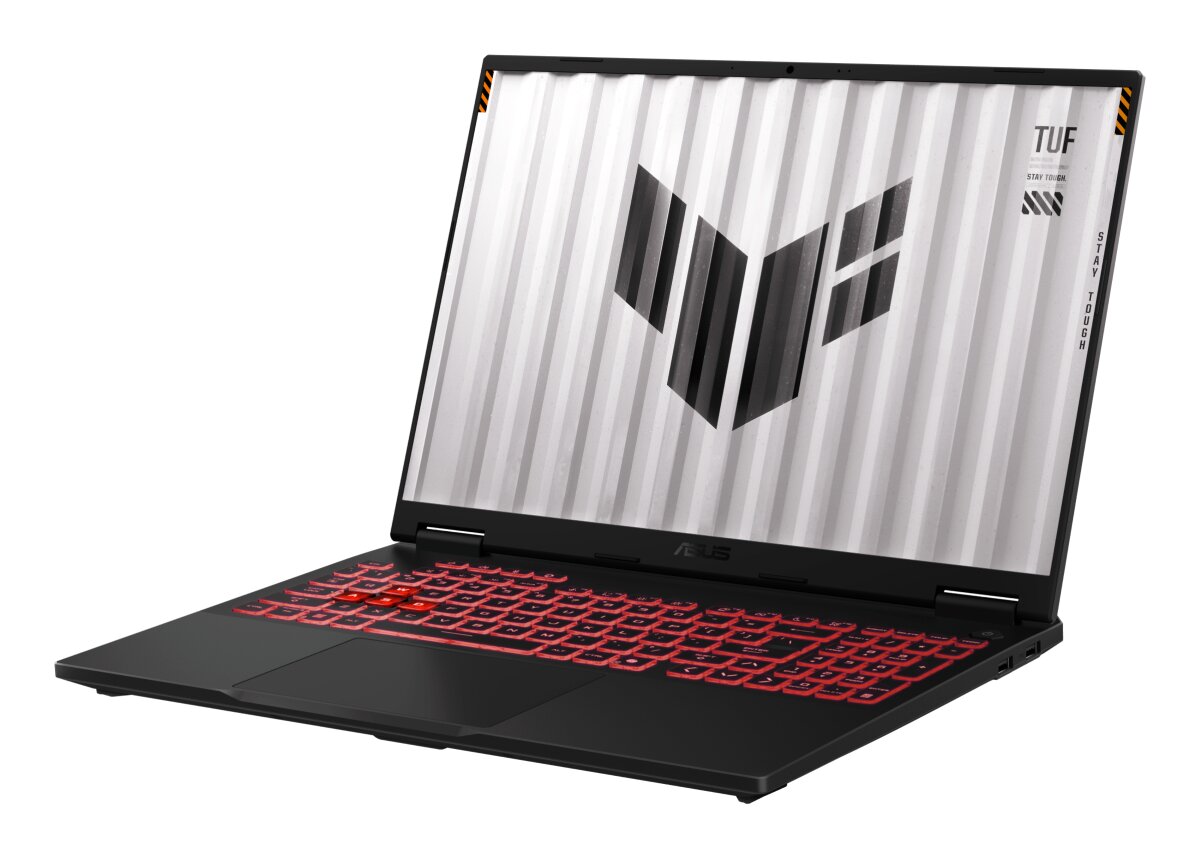
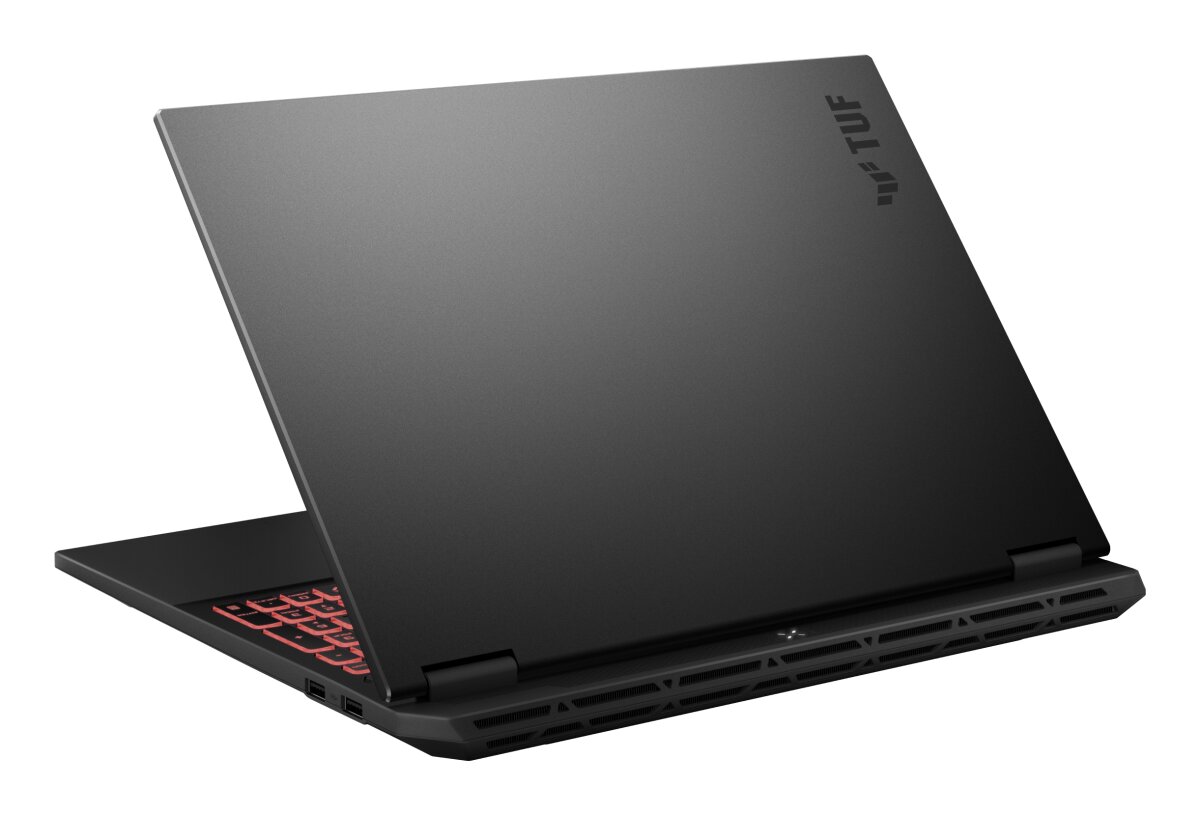
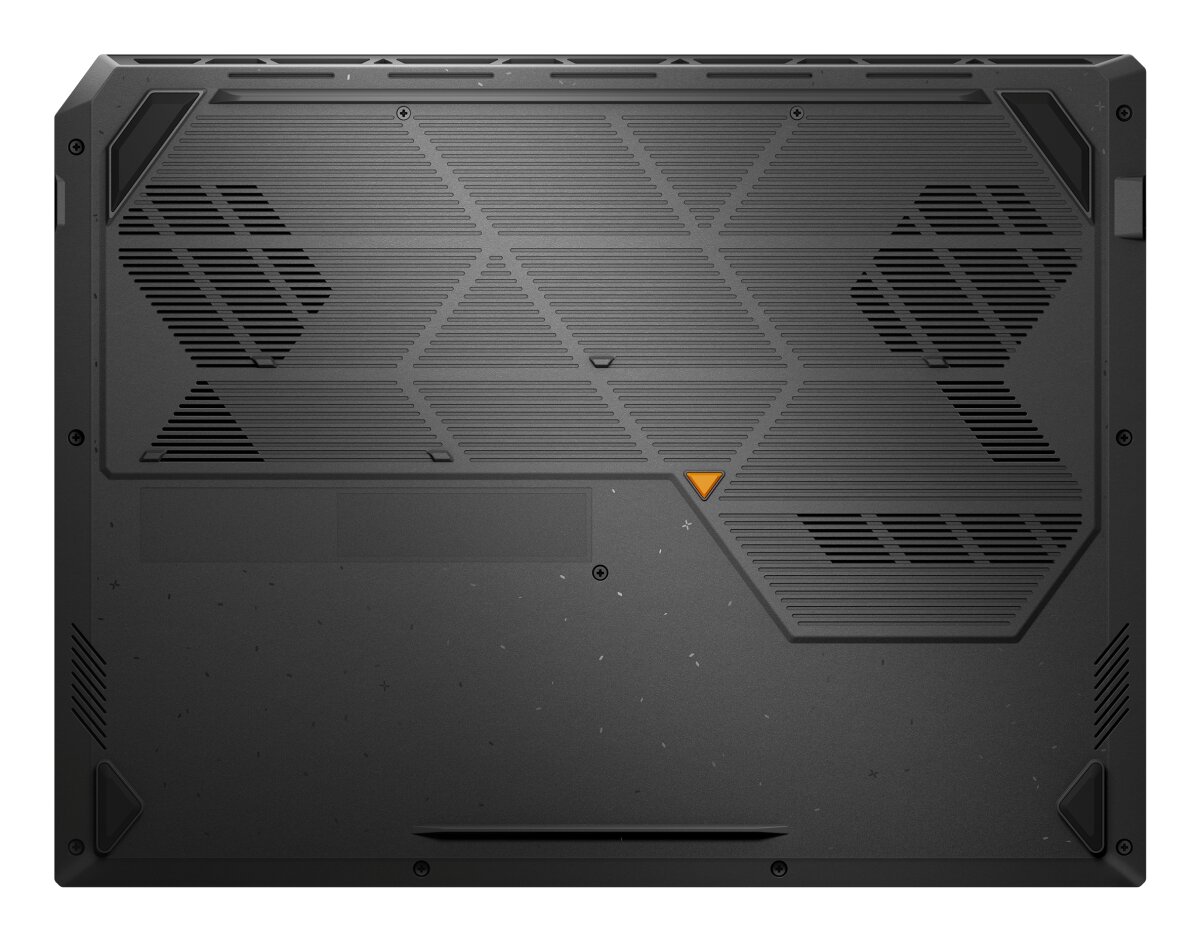
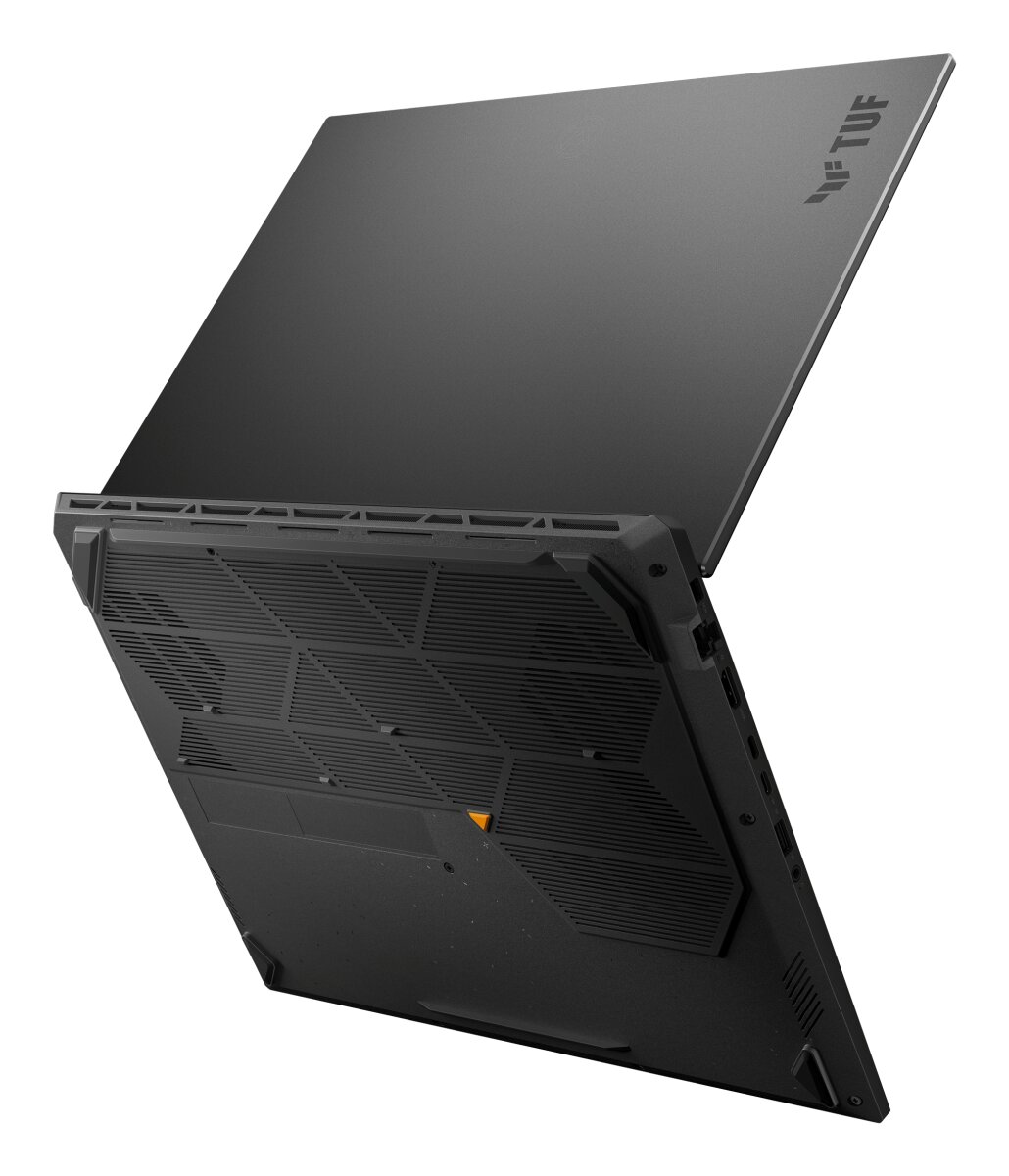
The ASUS TUF Gaming A16 FA608UM-R72B56CS1 laptop features DDR5-SDRAM memory upgrade capabilities with two SO-DIMM slots supporting maximum capacity of 64 GB total. Compatible memory modules operate at 5600 MHz frequency specifications. The upgrade configuration allows installation of DDR5 SO-DIMM modules across both available slots for enhanced system performance and multitasking capabilities.
Memory Upgrade Specifications
| Specification | Value |
|---|---|
| Memory slots | 2x SO-DIMM |
| Form factor | SO-DIMM |
| Memory type | DDR5-SDRAM |
| Frequency | 5600 MHz |
| Maximum RAM | 64 GB |
| Voltage | 1.1V |
| Number of pins | 262-pin |
| Interface | PC5 |
| PC Speed Rating | PC5-5600 (PC5-44800) |
| Bandwidth | 44.8 GB/s |
Additional Notes
- The 64 GB ceiling indicates chipset-level restrictions rather than slot count limitations, as each SO-DIMM slot theoretically supports 32 GB modules when using current high-density DDR5 technology.
- DDR5-5600 represents the JEDEC standard baseline speed, meaning modules rated at higher frequencies like 6400 MHz or 7200 MHz will downclock to 5600 MHz without manual BIOS adjustments on this ASUS TUF Gaming FA608UM-R72B56CS1 platform.
- SO-DIMM DDR5 modules require 1.1V operating voltage, which differs from DDR4's 1.2V standard, making cross-generation physical insertion impossible despite identical 262-pin connector layouts.
- Dual-channel architecture demands matched module pairs for optimal bandwidth utilization, though mismatched capacities will function in asymmetric flex mode at reduced throughput.
- The 5600 MHz data rate delivers 44.8 GB/s theoretical bandwidth per channel, totaling 89.6 GB/s in dual-channel configuration when both slots operate synchronously.
- Temperature-sensitive on-die ECC built into DDR5 architecture activates automatically without user configuration, unlike traditional ECC requiring specific module types and motherboard support.
- Gaming laptops typically solder neither memory controller nor slots directly to the mainboard in this configuration, preserving end-user upgrade accessibility without warranty violations when using manufacturer-approved capacities.
- Mixing modules with different CAS latency timings forces the memory controller to adopt the slower specification across both channels, potentially negating speed advantages of premium modules.
- Power management features in DDR5 shift voltage regulation from the motherboard to individual modules, requiring compatible PMIC chips on replacement RAM sticks for stable operation.
- The 5600 MT/s transfer rate creates specific compatibility windows with CPU memory controller specifications, particularly relevant for AMD Ryzen 7000 series mobile processors common in this chassis designation.