ASUS TUF Gaming FA608UM-QT013W RAM upgrade specifications


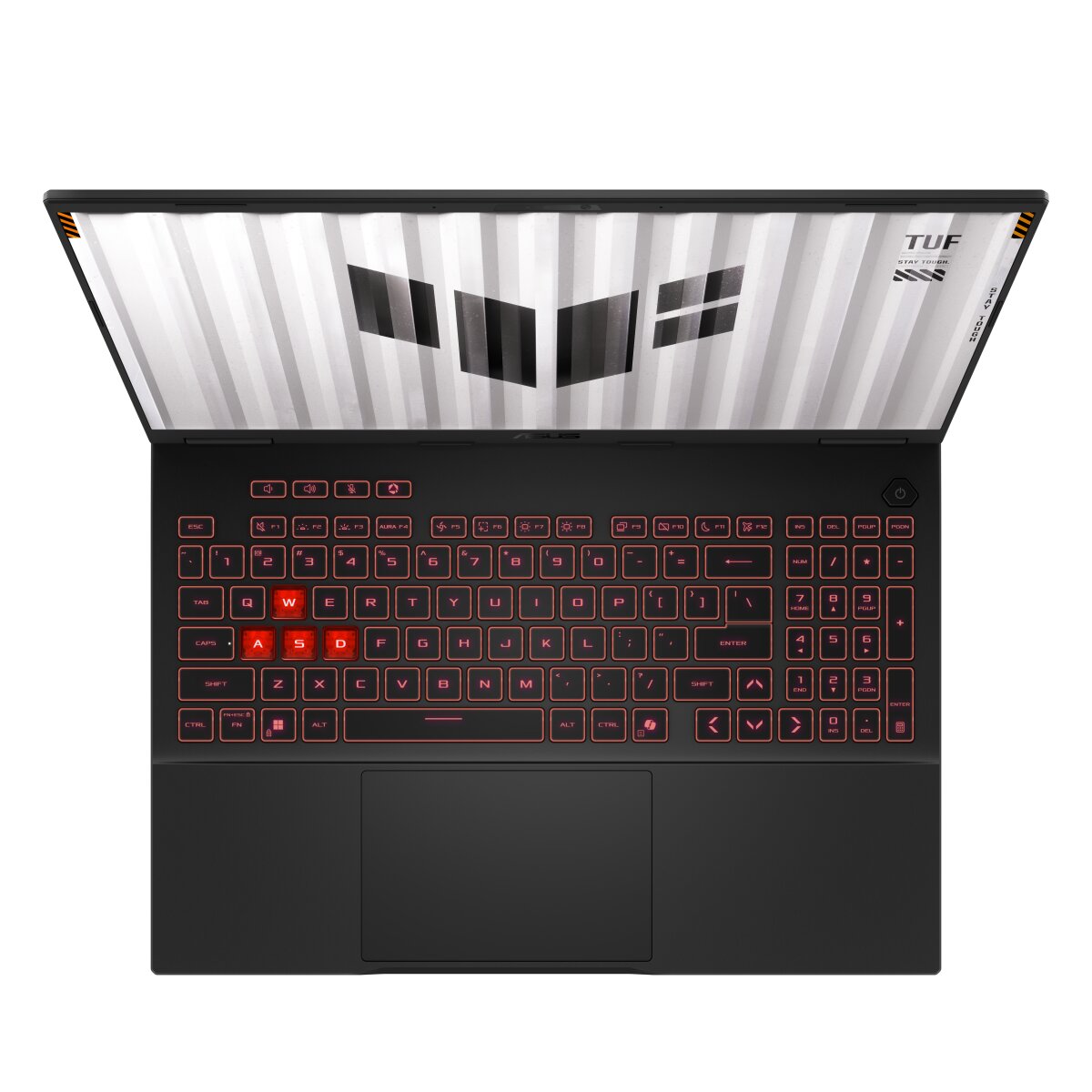

ASUS TUF Gaming A16 FA608UM-QT013W laptop features DDR5-SDRAM memory upgrade specifications. The system contains 2x SO-DIMM memory slots supporting maximum RAM capacity of 64 GB. Compatible memory modules operate at 5600 MHz frequency. Upgrade components must match DDR5-SDRAM specifications and SO-DIMM form factor for proper compatibility with the laptop's motherboard and memory controller specifications.
Memory Upgrade Specifications
| Specification | Value |
|---|---|
| Memory slots | 2x SO-DIMM |
| Form factor | SO-DIMM |
| Memory type | DDR5-SDRAM |
| Frequency | 5600 MHz |
| Maximum RAM | 64 GB |
| Voltage | 1.1V |
| Number of pins | 262-pin |
| Interface | PC5 |
| PC Speed Rating | PC5-5600 (PC5-44800) |
| Bandwidth | 44.8 GB/s |
Additional Notes
- DDR5 modules from DDR4 systems are physically incompatible due to different notch positions in the 262-pin SO-DIMM connector design.
- The 5600 MHz specification represents JEDEC standard speed, with higher frequency modules automatically downclocking to this baseline when installed in the ASUS TUF Gaming FA608UM-QT013W.
- Dual-channel configuration requires matched module capacities in both slots to maintain optimal memory bandwidth of 89.6 GB/s theoretical throughput.
- The 64 GB ceiling limits applications requiring larger memory allocations, such as virtual machine configurations exceeding 48 GB guest allocation or complex 3D rendering projects with high-resolution texture caches.
- SO-DIMM installation requires accessing the bottom service panel, with potential warranty implications varying by region and service center policies.
- Single 32 GB module operation halves memory bandwidth to 44.8 GB/s, creating performance bottlenecks in bandwidth-sensitive tasks like video encoding and large dataset processing.
- XMP/EXPO profiles on aftermarket modules remain inactive without BIOS support, defaulting all installed memory to 5600 MHz regardless of rated specifications.
- Mixing module brands or timings may force the memory controller to lowest common denominator settings, increasing latency beyond manufacturer specifications.
- Non-ECC SO-DIMM architecture means uncorrected bit errors propagate through system memory without detection or correction mechanisms.
- The 2-slot limitation prevents future capacity expansion beyond initial dual-module configuration without complete replacement of existing modules.