ASUS TUF Gaming FA608UM-RV014W RAM upgrade specifications


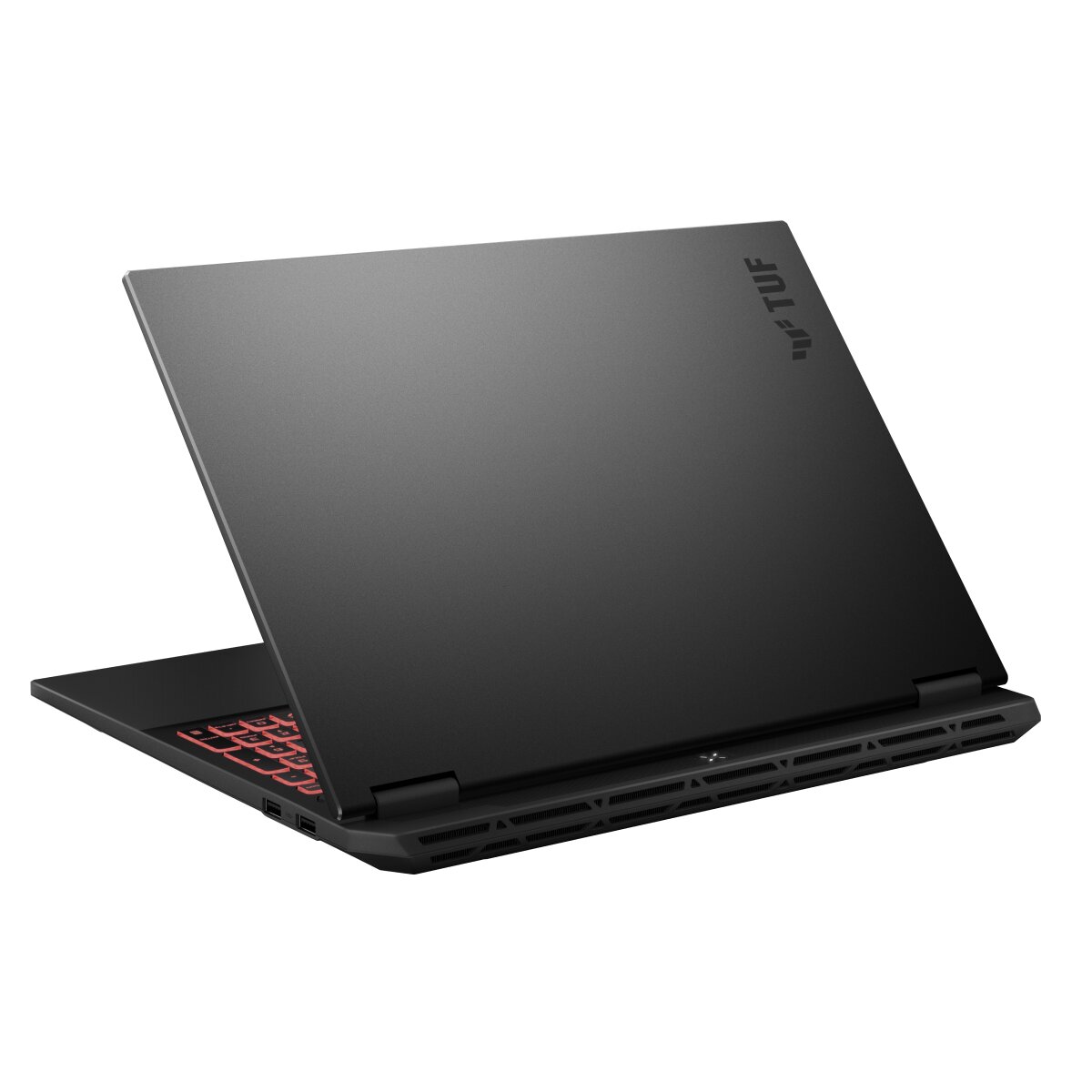
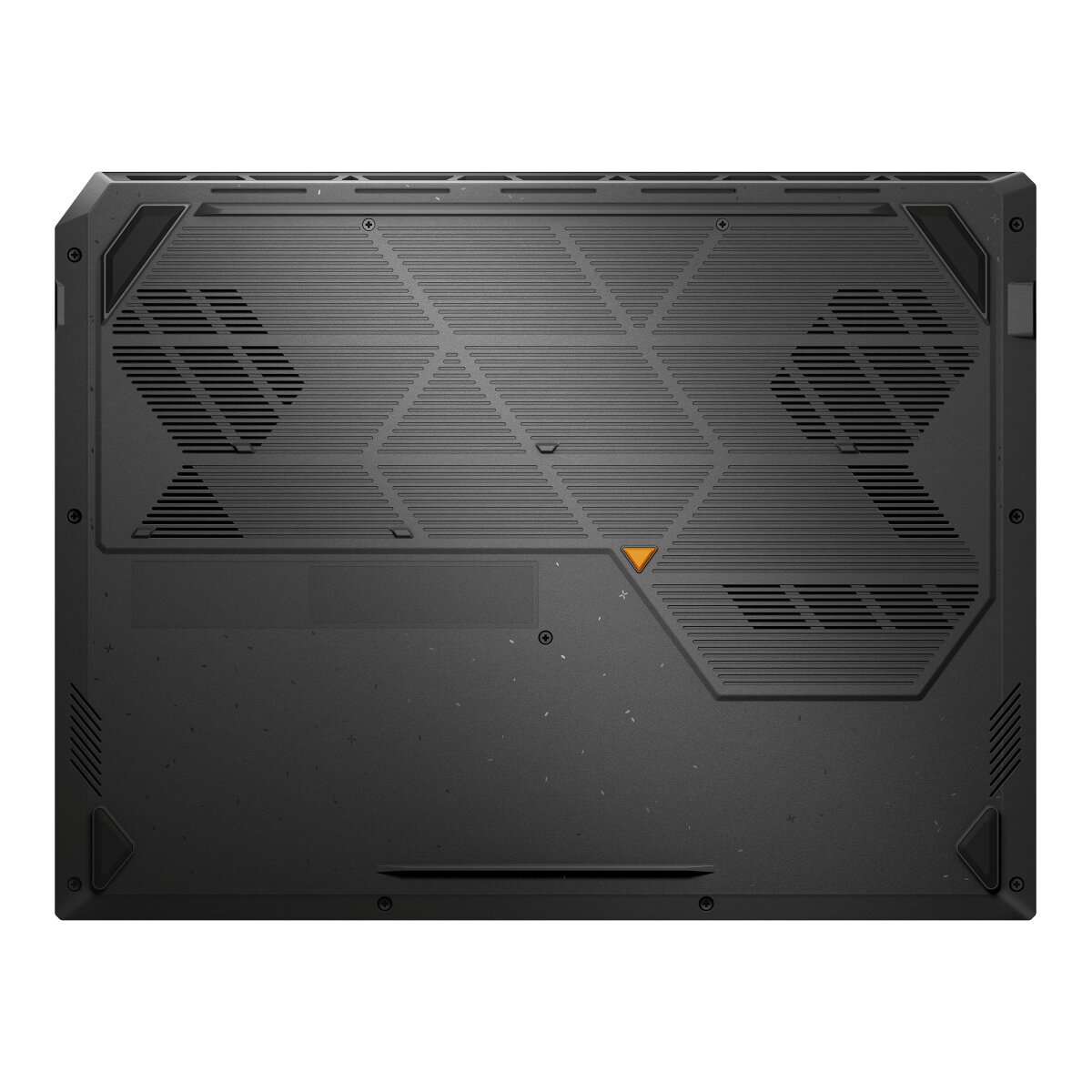
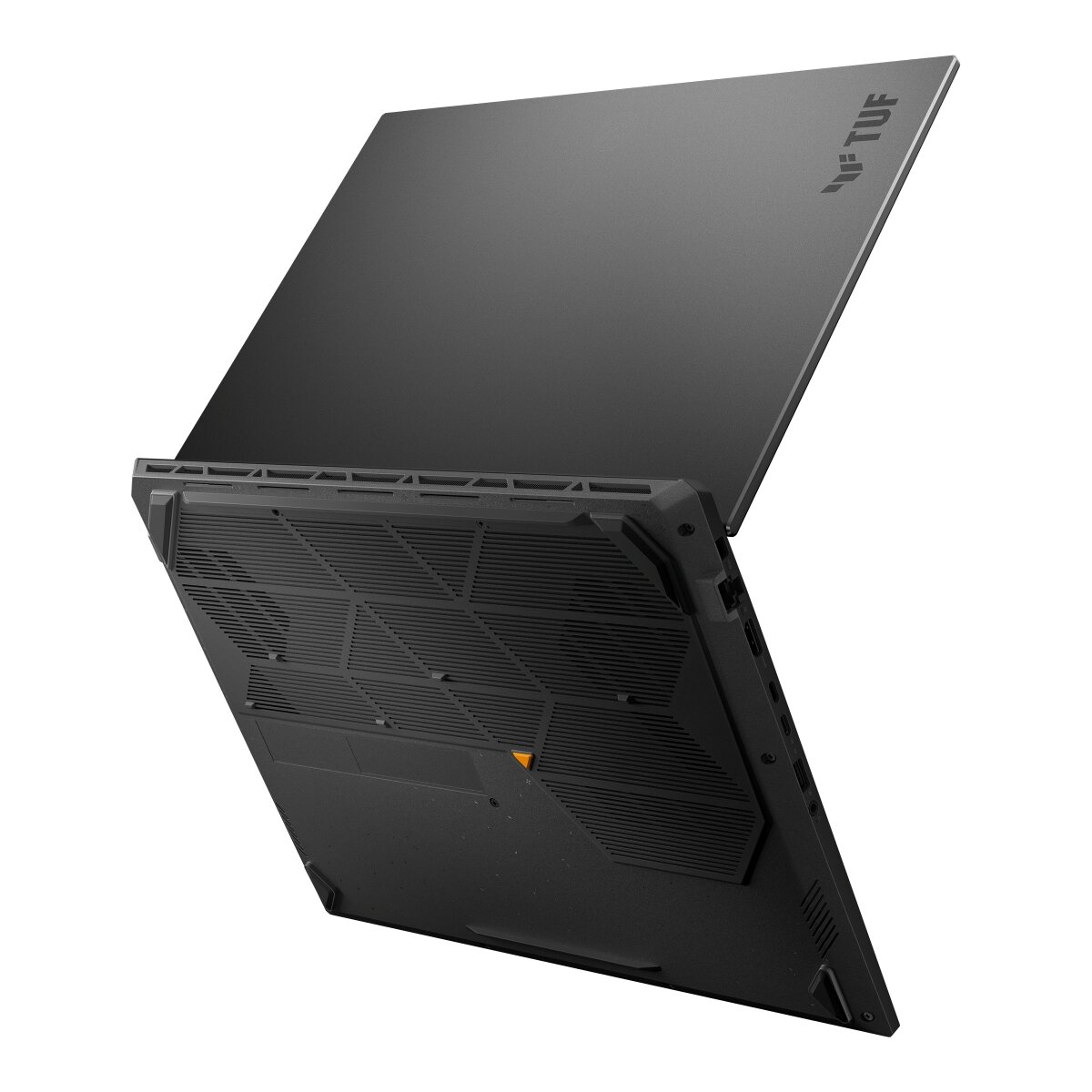
ASUS TUF Gaming A16 FA608UM-RV014W laptop features DDR5-SDRAM memory upgrade specifications with 2x SO-DIMM slots supporting maximum capacity of 64 GB total RAM. Compatible memory modules operate at 5600 MHz frequency using SO-DIMM form factor. Upgrade options allow expansion from standard configurations to maximum supported capacity across dual memory slots.
Memory Upgrade Specifications
| Specification | Value |
|---|---|
| Memory slots | 2x SO-DIMM |
| Form factor | SO-DIMM |
| Memory type | DDR5-SDRAM |
| Frequency | 5600 MHz |
| Maximum RAM | 64 GB |
| Voltage | 1.1V |
| Number of pins | 262-pin |
| Interface | PC5 |
| PC Speed Rating | PC5-5600 (PC5-44800) |
| Bandwidth | 44.8 GB/s |
Additional Notes
- The ASUS TUF Gaming FA608UM-RV014W supports dual-channel memory architecture through its 2 SO-DIMM slots, enabling up to twice the theoretical bandwidth compared to single-channel configurations when matched modules are installed.
- DDR5-5600 operates at a higher base frequency than DDR4 specifications, delivering greater bandwidth for memory-intensive applications while maintaining lower operating voltages between 1.1V and 1.2V.
- The 64 GB maximum capacity requires 32 GB modules in both slots, which may be priced at a premium compared to more common 16 GB configurations.
- SO-DIMM form factor compatibility restricts upgrade options to laptop-specific modules, excluding standard desktop DIMM memory which uses a different pin configuration and physical length.
- DDR5 modules incorporate on-die ECC and dual-channel architecture per module, representing a fundamental change from DDR4's single-channel per module design.
- Installing a single module will halve the available memory bandwidth, as one SO-DIMM slot would remain unused and dual-channel mode requires population of both slots.
- Higher frequency DDR5 modules above 5600 MHz may downclock to match the supported speed, as the memory controller defines the operational ceiling regardless of module capability.
- Mixed capacity configurations are possible but maintain dual-channel operation only up to twice the capacity of the smaller module, with remaining memory operating in less efficient single-channel mode.
- Non-soldered SO-DIMM implementation allows user-serviceable upgrades without requiring motherboard replacement or specialized BGA rework equipment.
- DDR5 modules require different keying notches than DDR4 SO-DIMMs, creating a physical incompatibility that prevents installation of previous-generation memory types.