ASUS TUF Gaming FA608UP-DS77-CA RAM upgrade specifications
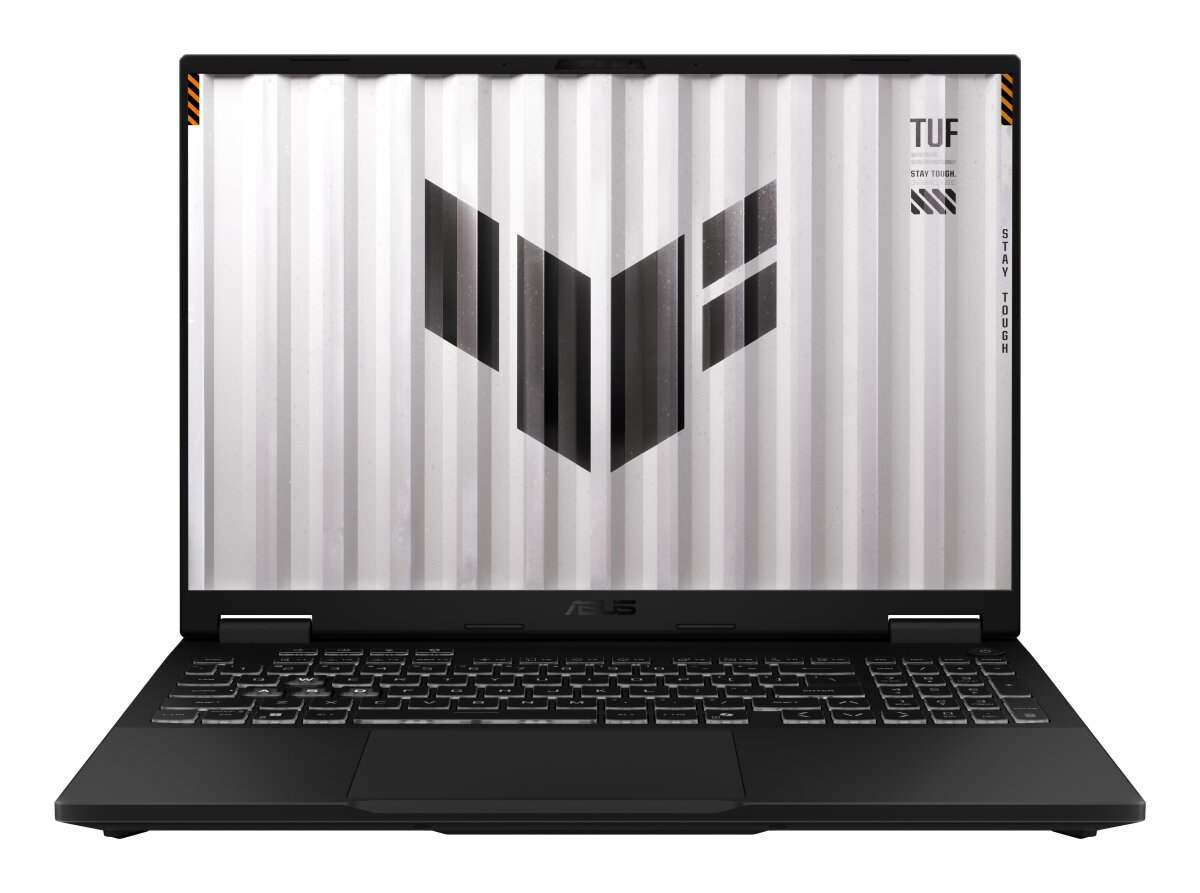
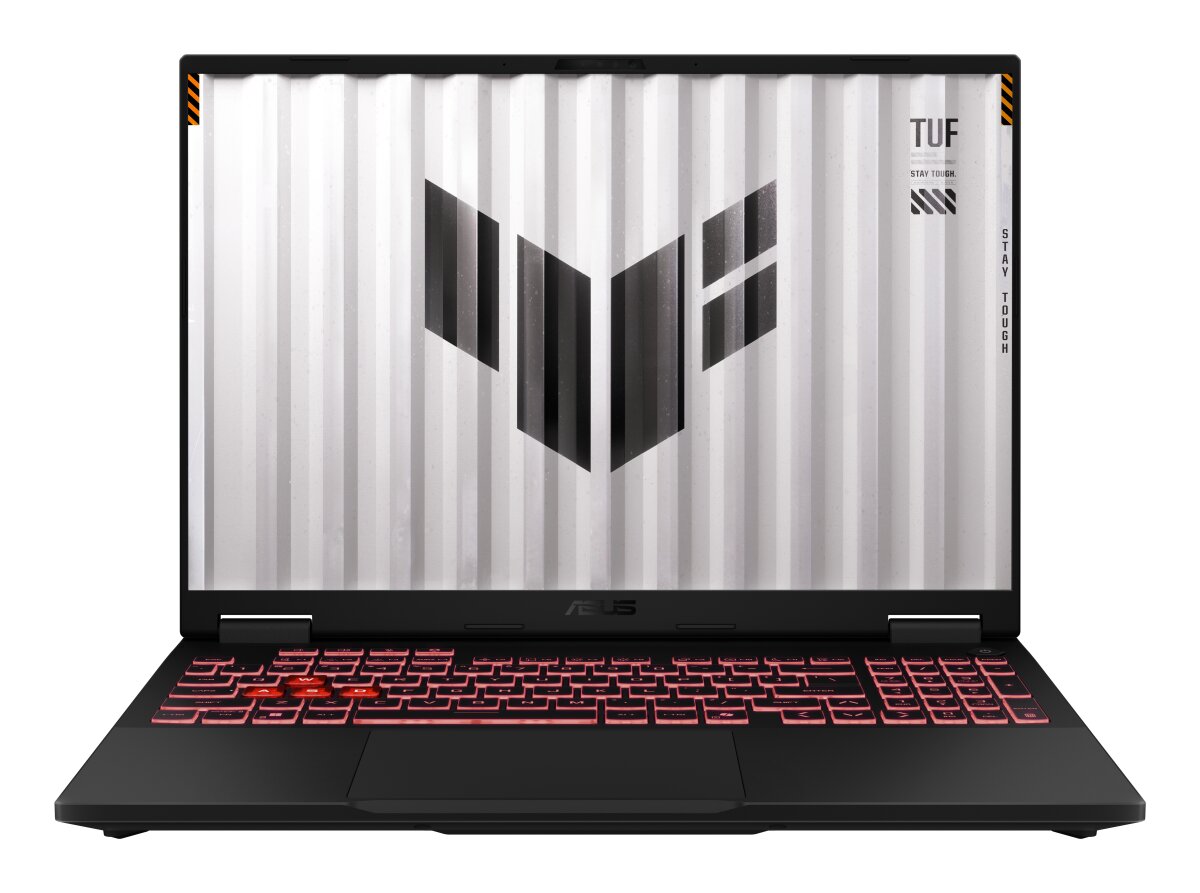
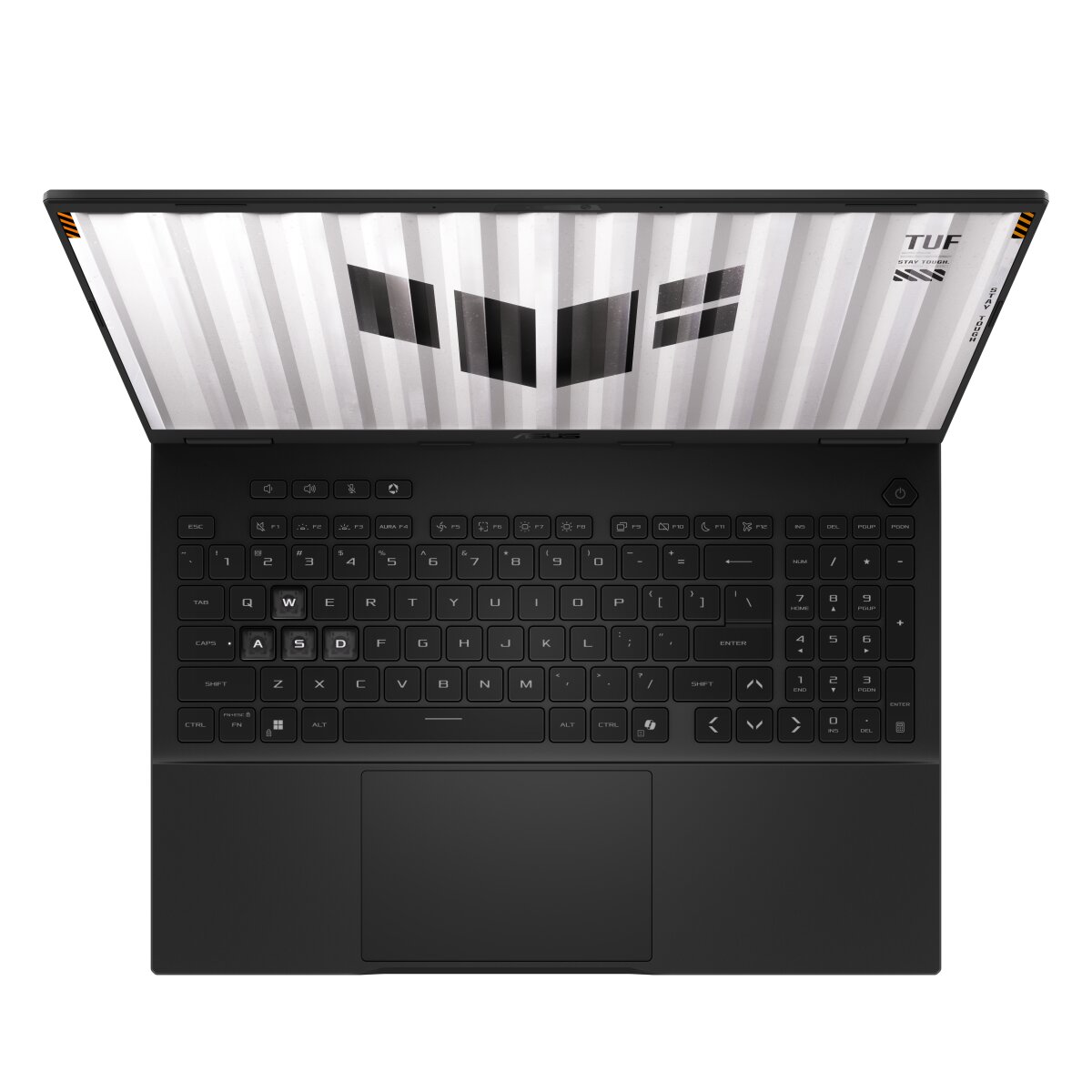
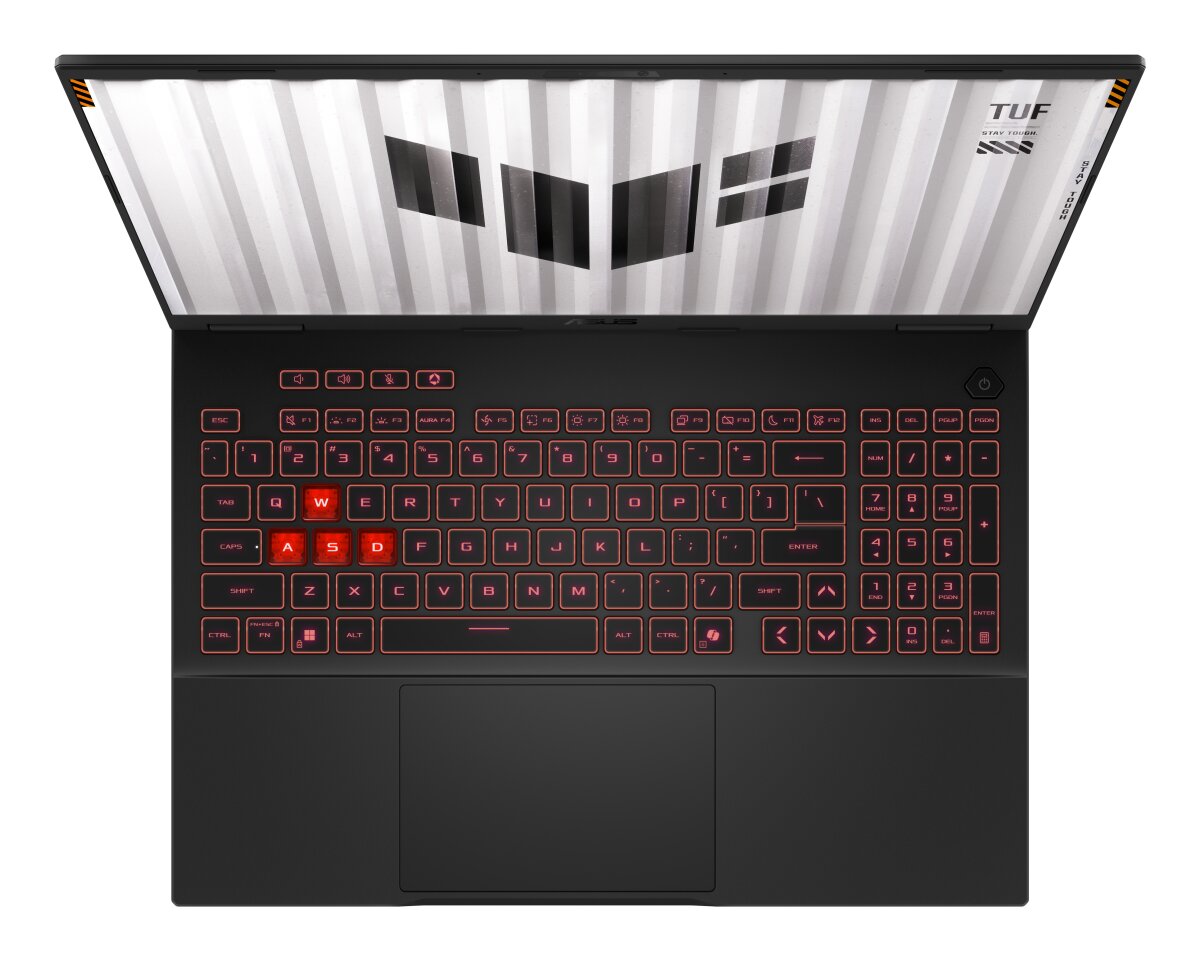
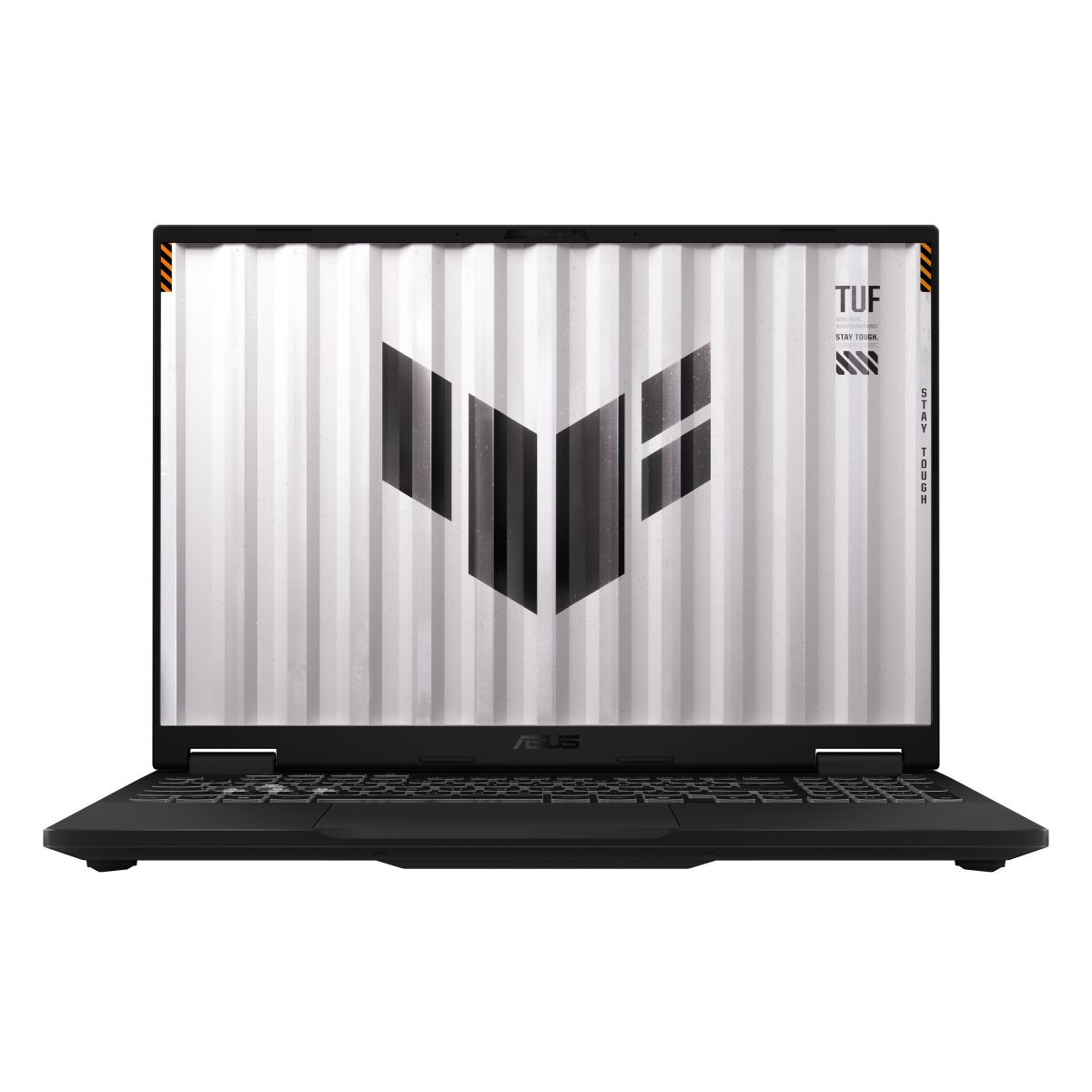
ASUS TUF Gaming A16 FA608UP-DS77-CA supports DDR5-SDRAM memory upgrades with 2x SO-DIMM slots. Maximum RAM capacity reaches 64 GB total. Compatible memory operates at 5600 MHz frequency using SO-DIMM form factor. The laptop specifications allow for modular memory expansion through dual SO-DIMM slots to enhance system performance and multitasking capabilities.
Memory Upgrade Specifications
| Specification | Value |
|---|---|
| Memory slots | 2x SO-DIMM |
| Form factor | SO-DIMM |
| Memory type | DDR5-SDRAM |
| Frequency | 5600 MHz |
| Maximum RAM | 64 GB |
| Voltage | 1.1V |
| Number of pins | 262-pin |
| Interface | PC5 |
| PC Speed Rating | PC5-5600 (PC5-44800) |
| Bandwidth | 44.8 GB/s |
Additional Notes
- The ASUS TUF Gaming FA608UP-DS77-CA supports DDR5 memory at 5600 MHz, which provides 1.77x greater bandwidth than DDR4-3200 baseline configurations, directly benefiting multi-threaded workloads and real-time content creation tasks.
- The 2x SO-DIMM slot configuration enforces a dual-channel memory architecture with no expansion beyond 64 GB total capacity, meaning maximum upgrade potential is fixed at a single ceiling point regardless of future DDR5 density improvements.
- SO-DIMM form factor limits memory stick dimensions to 67.6 x 30 mm, restricting cooling solution designs; tall heatspreaders on premium DDR5 modules may contact internal lid clearance, necessitating low-profile variant verification before purchase.
- Upgrading from single-channel populated state to dual-channel operation would increase memory throughput by approximately 2x, making population of both slots a higher priority than frequency tuning for performance gains.
- DDR5-5600 modules operate at 1.25V standard specification; modules rated for higher frequencies (5800 MHz and above) typically require 1.4V or greater, creating potential stability issues if mismatched generations are populated simultaneously in both slots.
- The 64 GB ceiling excludes this platform from certain professional workflows requiring 128 GB or higher memory configurations, notably 8K video editing and large-scale 3D simulations.