ASUS TUF Gaming FA608UP-QT024W RAM upgrade specifications
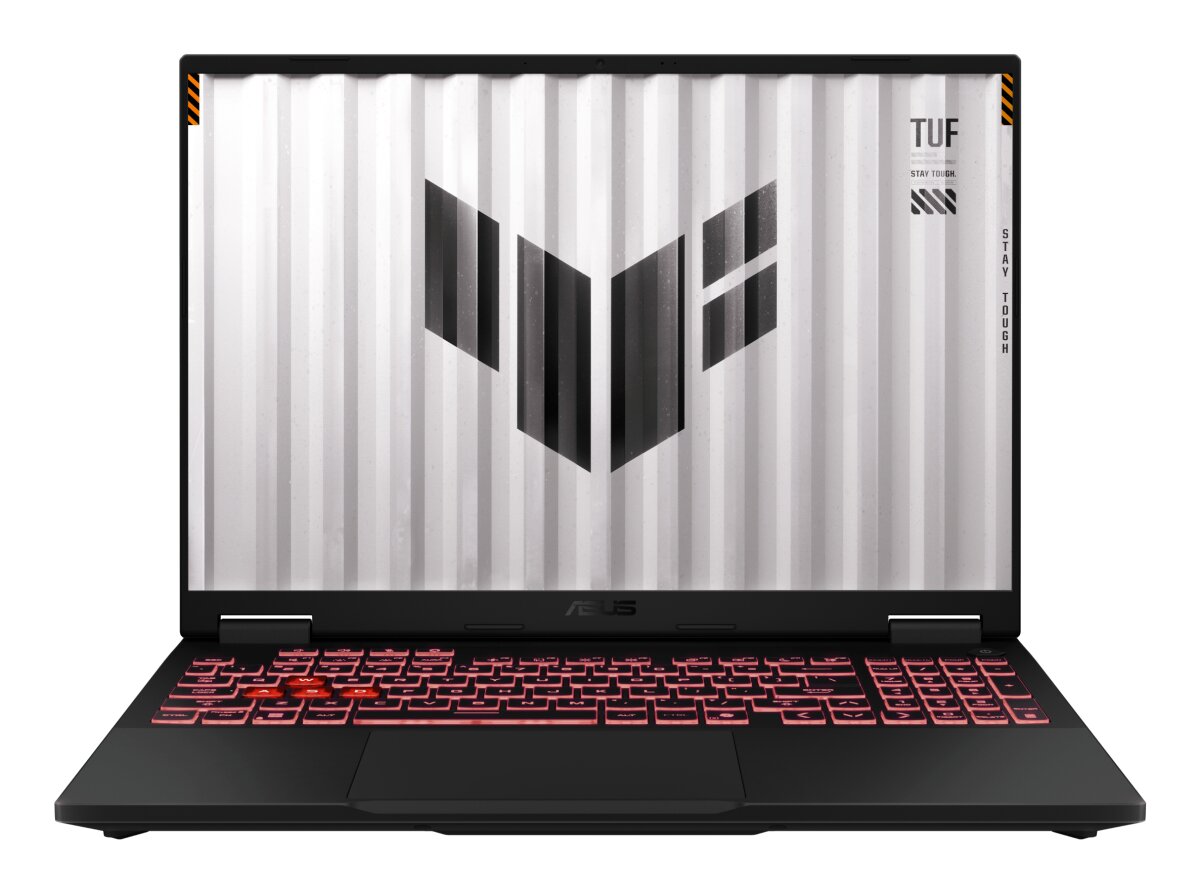
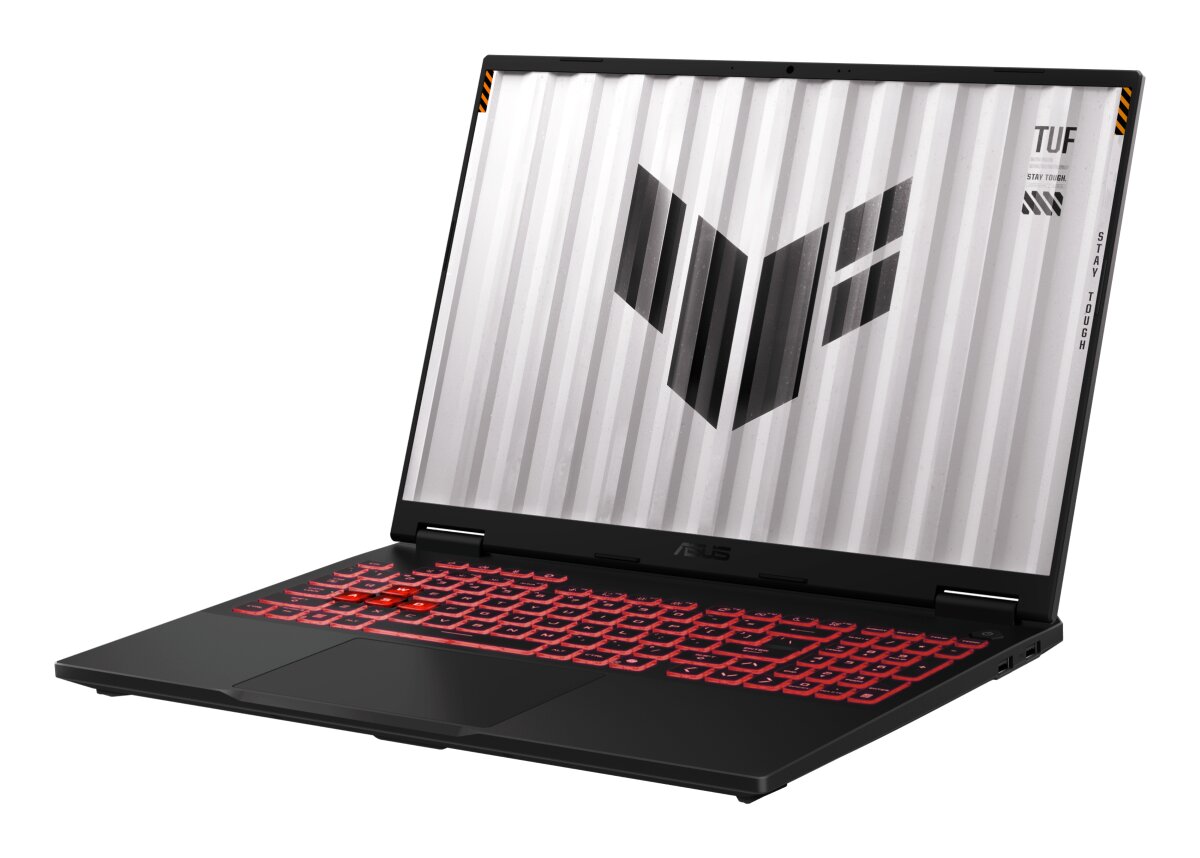
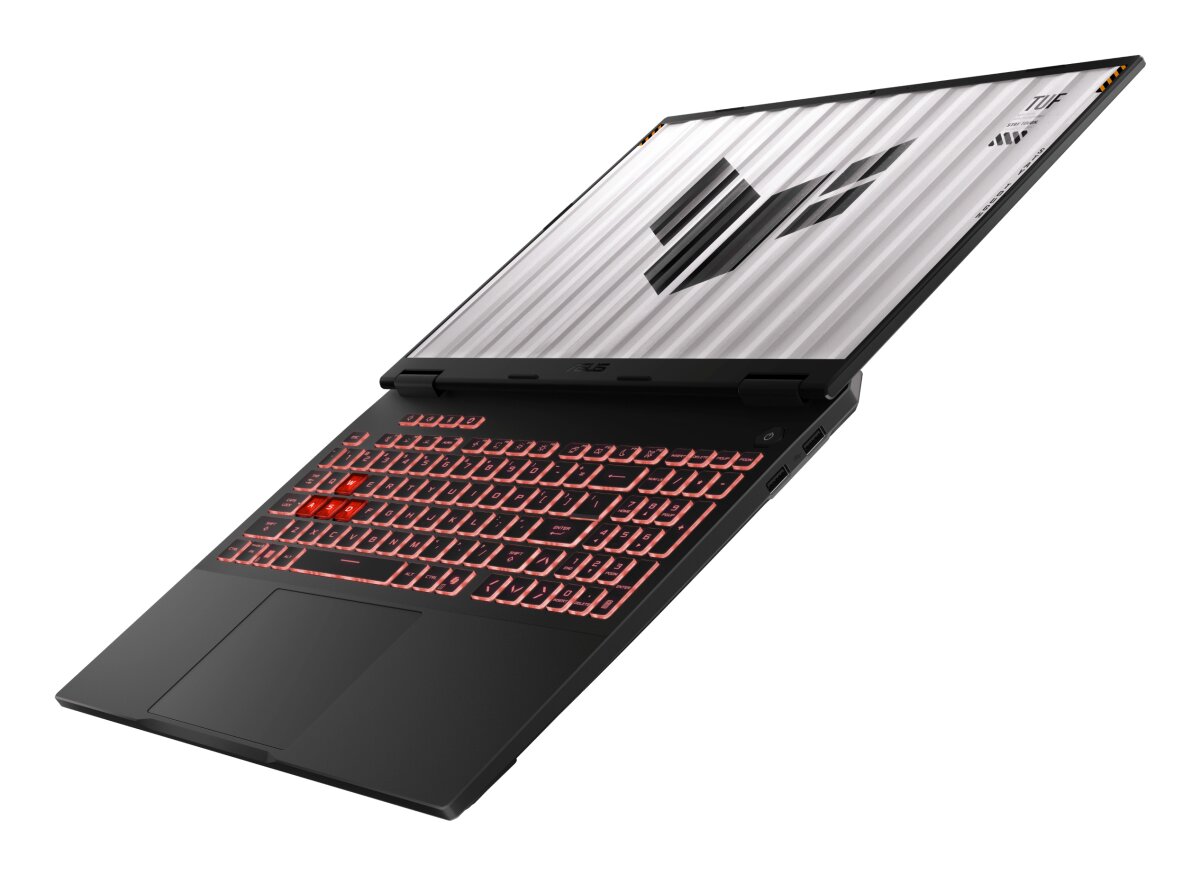
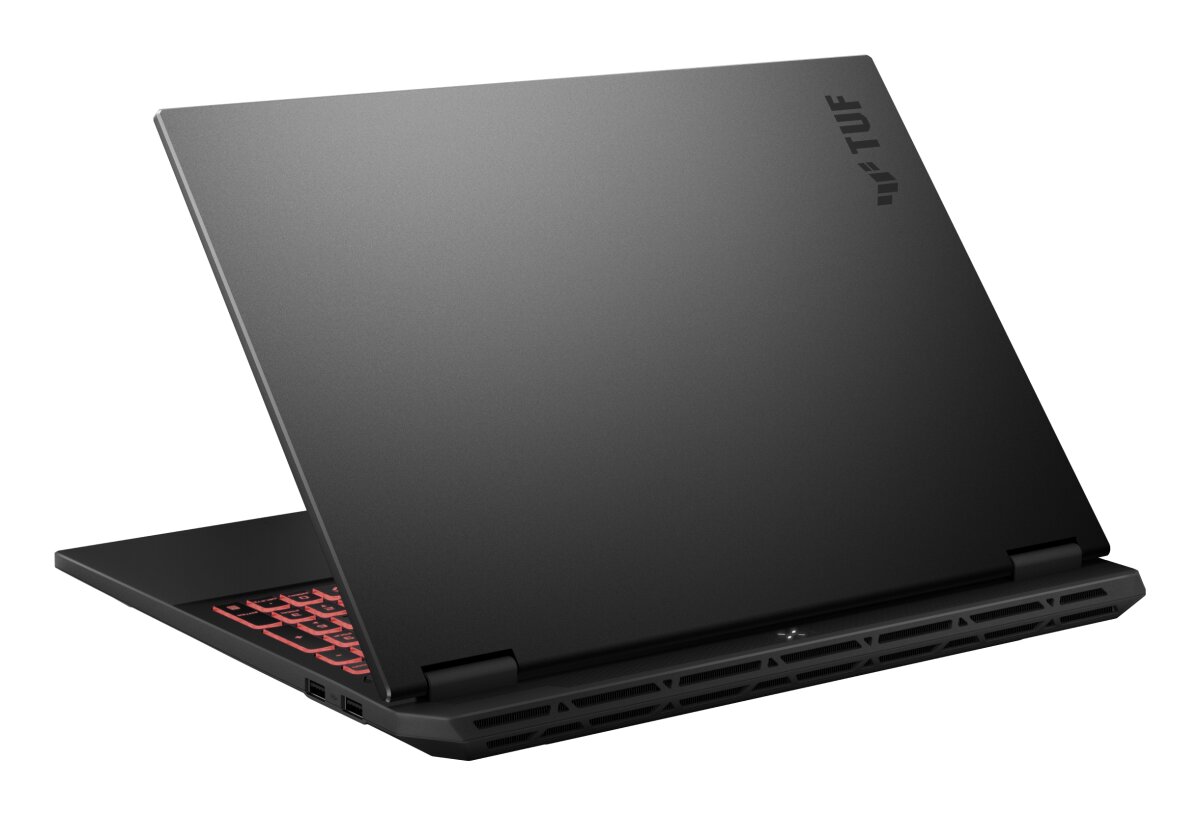
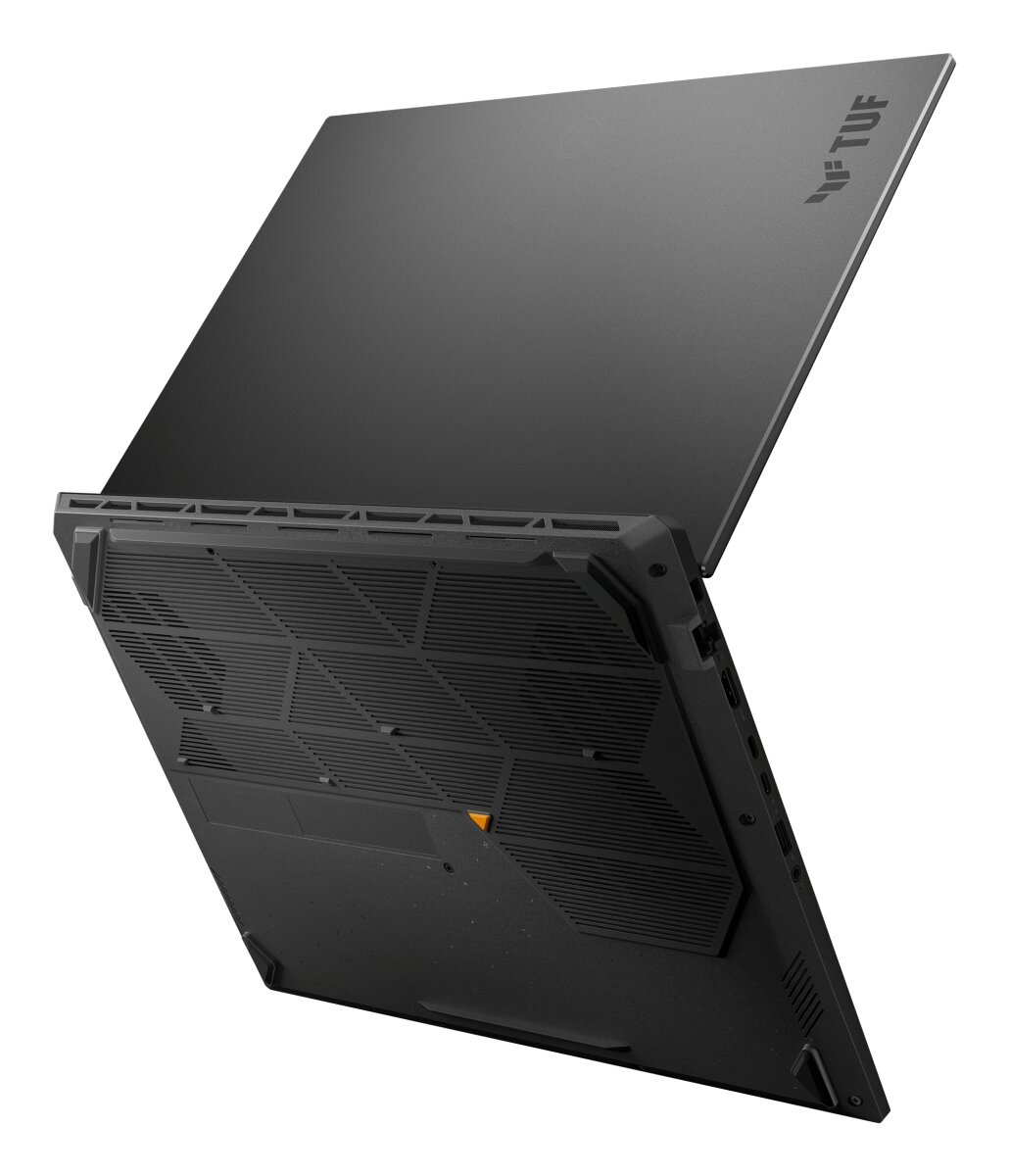
The ASUS TUF Gaming A16 FA608UP-QT024W laptop features DDR5-SDRAM memory specifications for upgrade capability. The device contains 2x SO-DIMM slots supporting maximum RAM capacity of 64 GB total. Compatible memory modules operate at 5600 MHz frequency and utilize SO-DIMM form factor. Upgrade options allow users to expand memory capacity by replacing or adding compatible DDR5 modules within the dual slot configuration. Maximum specifications support up to 64 GB of DDR5-SDRAM memory for enhanced system performance and multitasking capabilities.
Memory Upgrade Specifications
| Specification | Value |
|---|---|
| Memory slots | 2x SO-DIMM |
| Form factor | SO-DIMM |
| Memory type | DDR5-SDRAM |
| Frequency | 5600 MHz |
| Maximum RAM | 64 GB |
| Voltage | 1.1V |
| Number of pins | 262-pin |
| Interface | PC5 |
| PC Speed Rating | PC5-5600 (PC5-44800) |
| Bandwidth | 44.8 GB/s |
Additional Notes
- The ASUS TUF Gaming FA608UP-QT024W supports dual-channel memory architecture through its 2 SO-DIMM slots, enabling maximum bandwidth of 89.6 GB/s when both channels are populated with matched modules.
- Achieving the 64 GB ceiling requires two 32 GB modules, which are less common and more expensive per gigabyte than standard 16 GB configurations.
- The 5600 MHz frequency operates with JEDEC standard timings of CL46, resulting in first word latency of approximately 16.4 nanoseconds before any XMP/EXPO profile adjustments.
- SO-DIMM DDR5 modules physically measure 69.6 mm in length and require approximately 30 mm of vertical clearance above the slot for installation and removal.
- Single-channel operation with one occupied slot reduces memory bandwidth by 50 percent, creating potential bottlenecks in applications that stream large datasets.
- DDR5 modules integrate onboard power management ICs, preventing mixing of different voltage regulation designs even when frequencies match.
- The platform's memory controller supports JEDEC standard 5600 MHz without requiring BIOS configuration, while higher speeds demand manufacturer-validated compatibility.
- Thermal considerations become relevant above 32 GB total capacity, as denser modules generate more heat during sustained write operations.
- Warranty preservation requires using modules within JEDEC specifications, as overclocked profiles may void coverage depending on regional policies.
- Module rank configuration affects compatibility, with dual-rank sticks per channel potentially limiting maximum stable frequencies compared to single-rank alternatives.