ASUS TUF Gaming FA608UP-QT016W RAM upgrade specifications
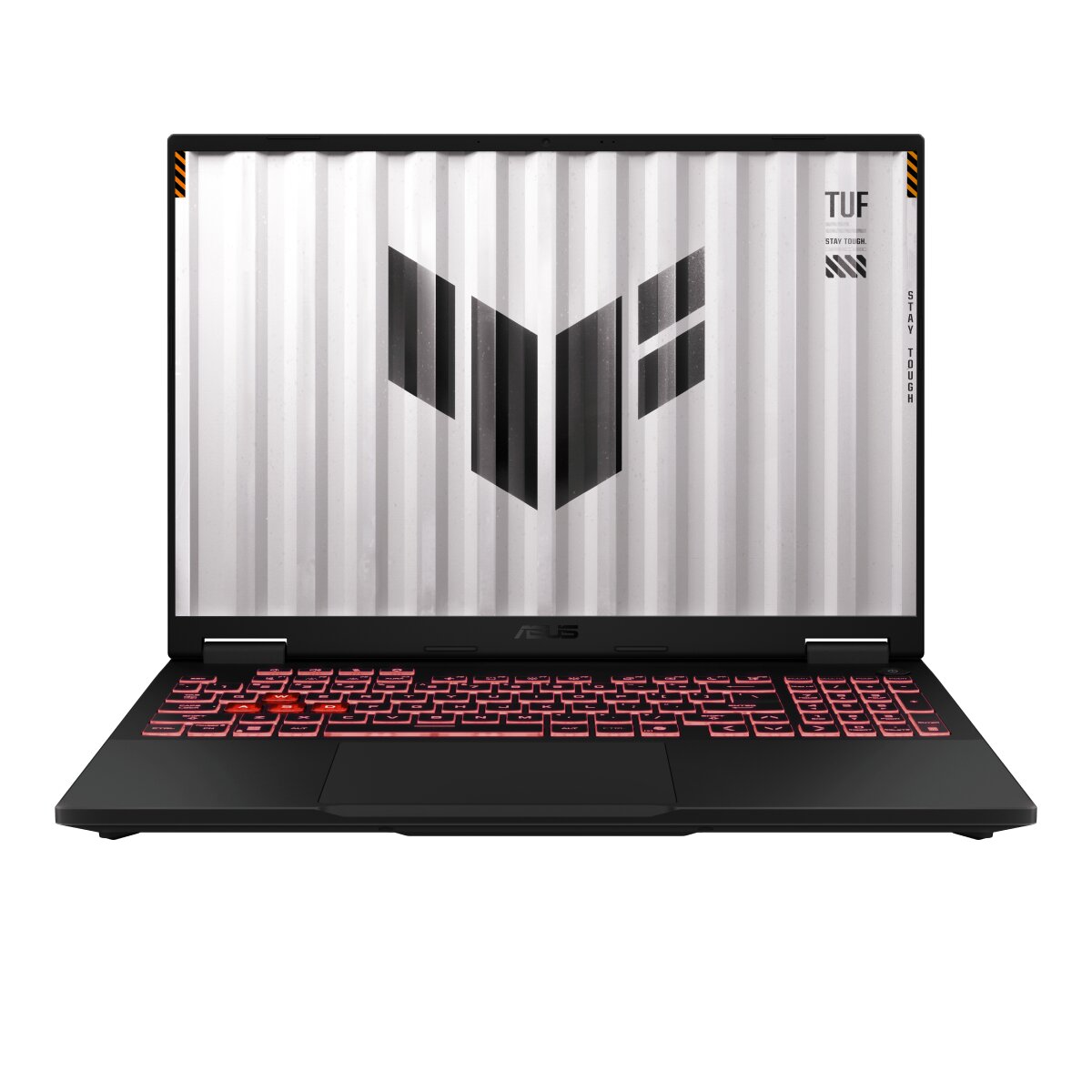
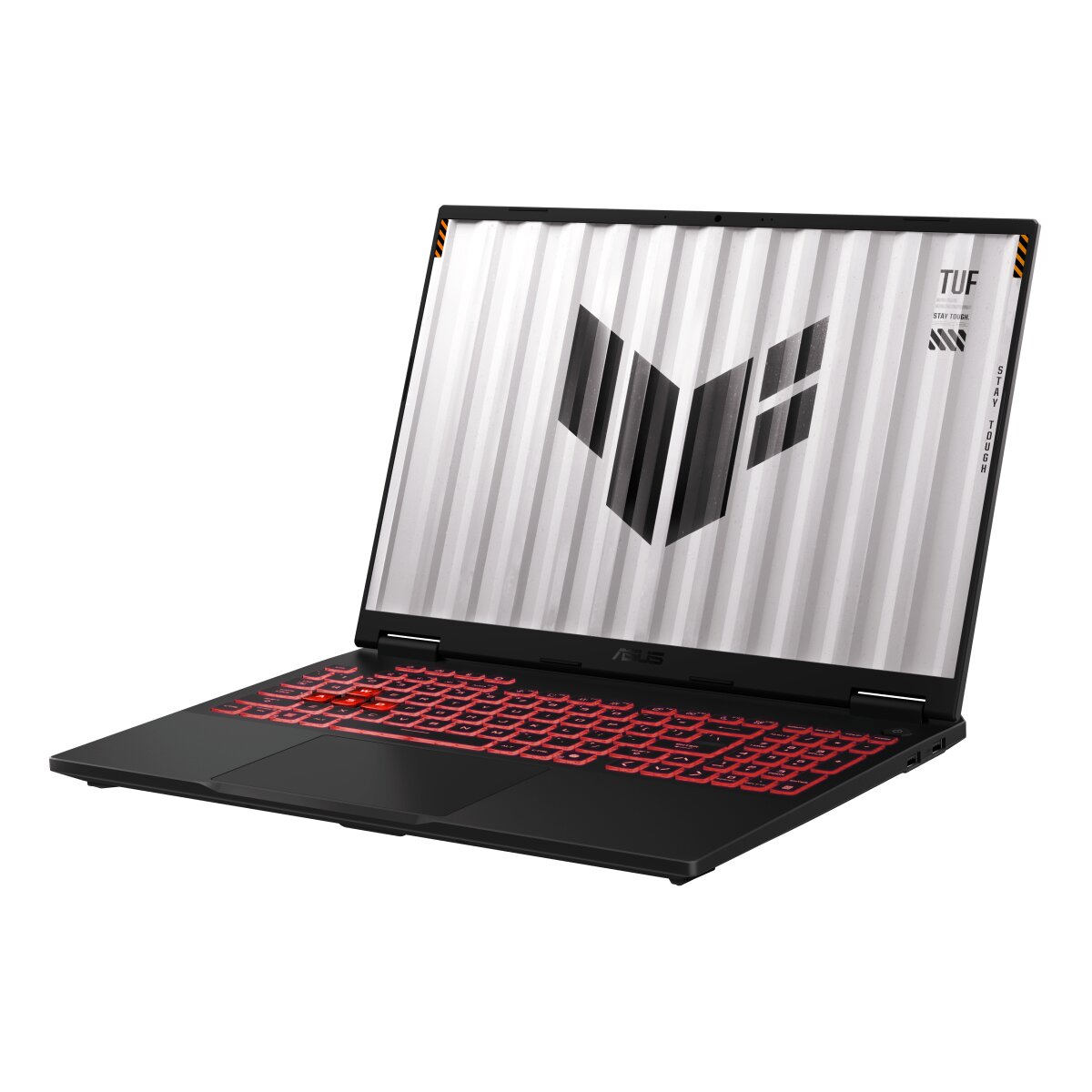
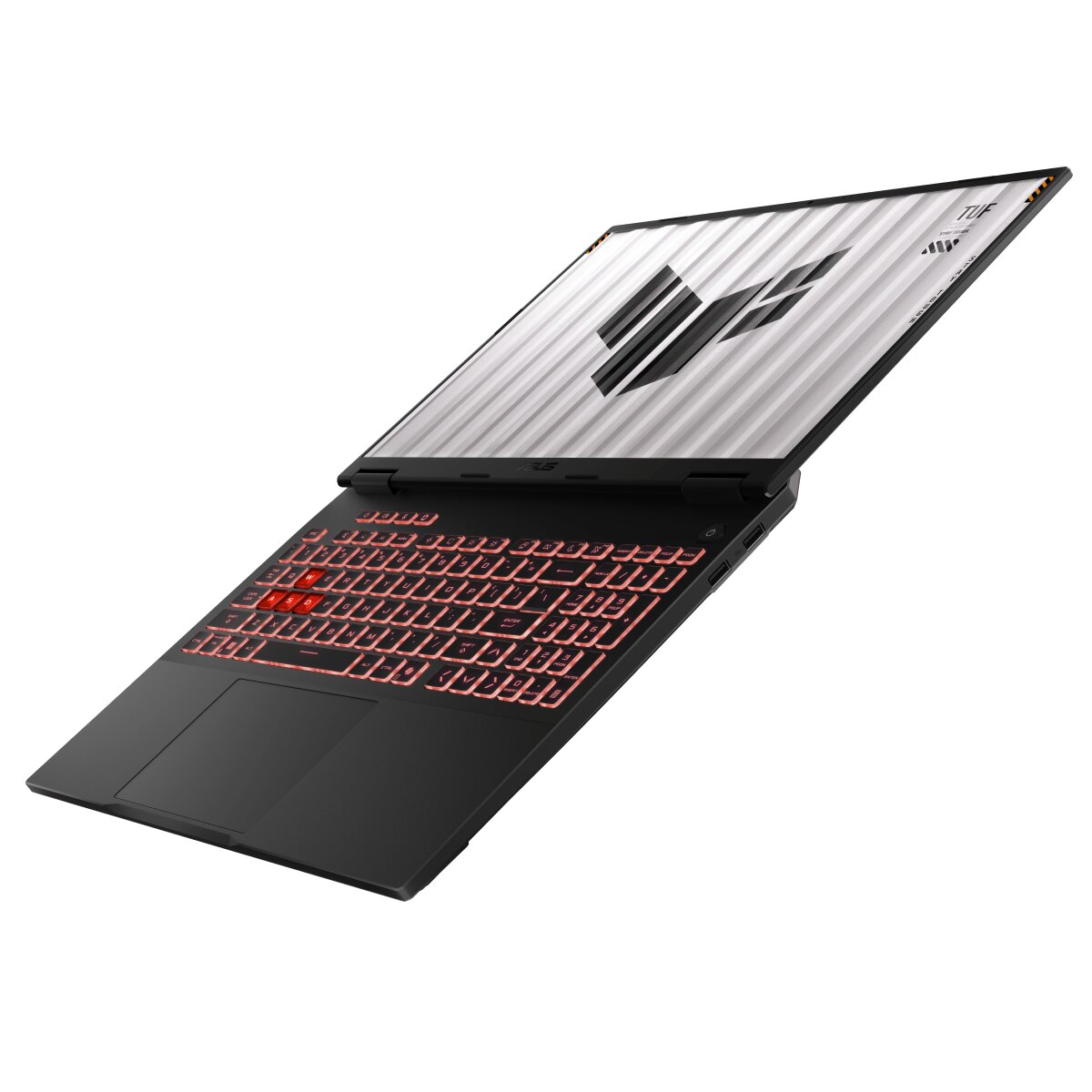
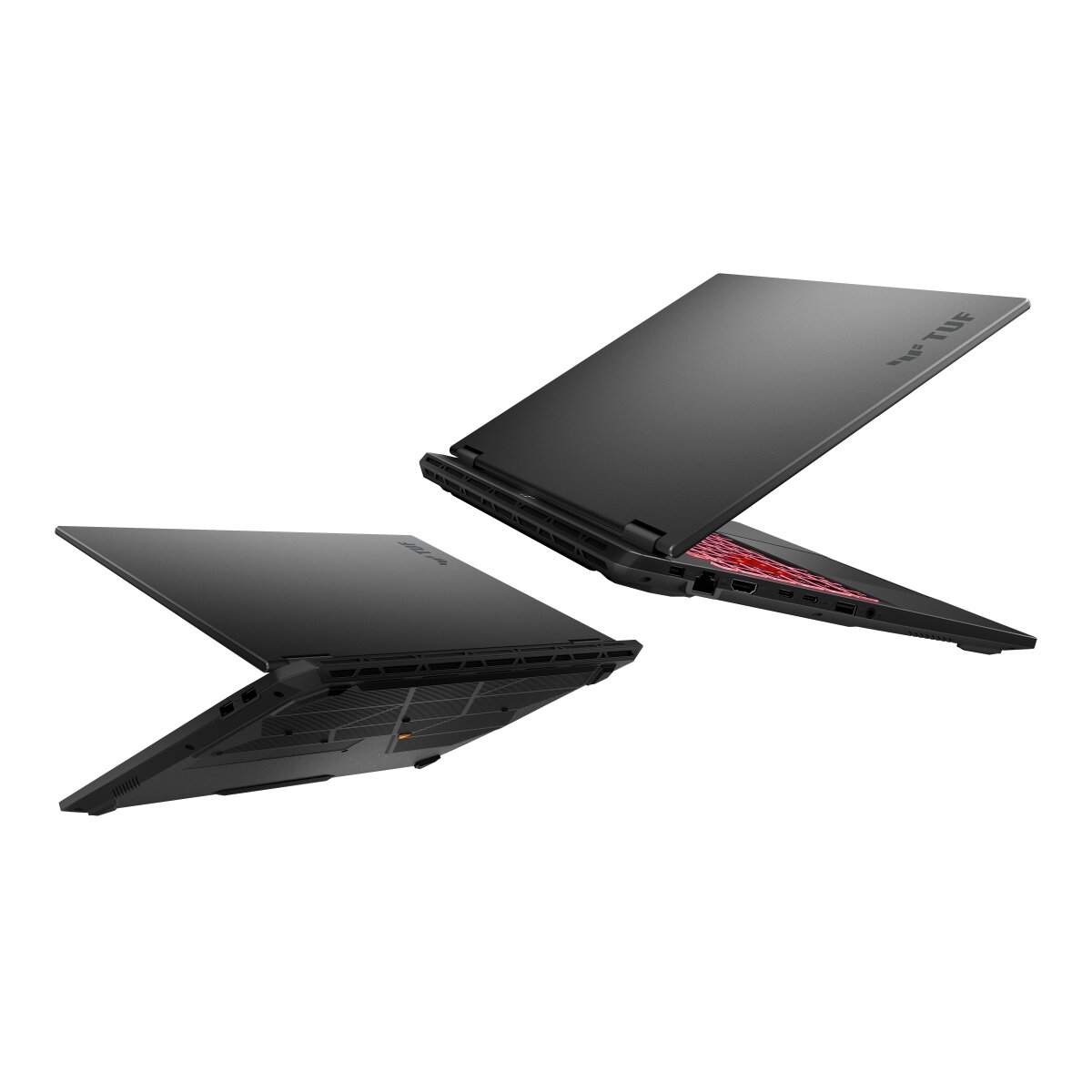
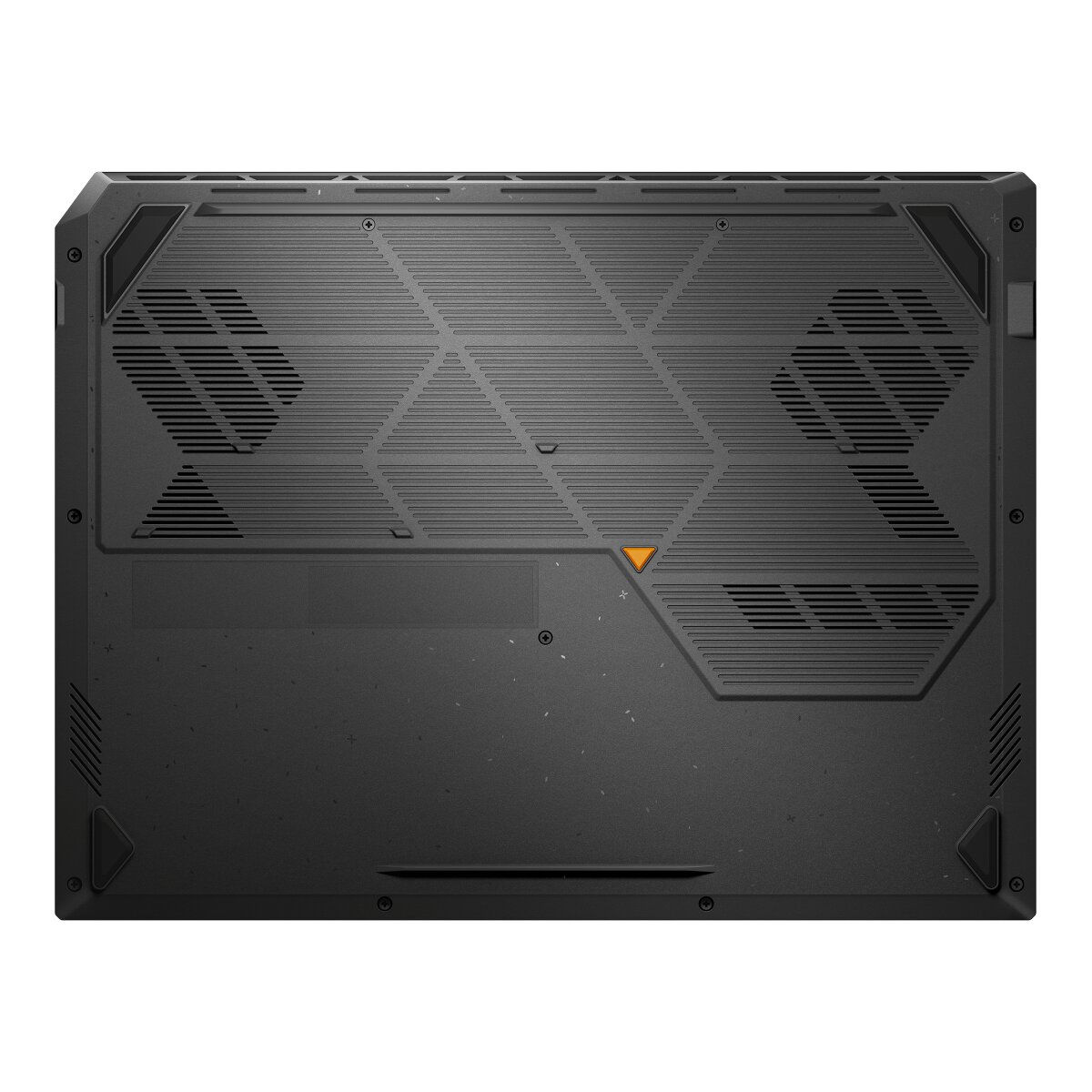
ASUS TUF Gaming A16 FA608UP-QT016W RAM upgrade specifications: DDR5-SDRAM memory type with 2x SO-DIMM slots. Maximum RAM capacity reaches 64 GB total. Compatible memory modules operate at 5600 MHz frequency. SO-DIMM form factor ensures proper physical fit. Upgrade options allow users to expand memory from factory configuration to maximum specifications. This laptop supports high-speed DDR5 technology for enhanced multitasking performance and gaming capabilities.
Memory Upgrade Specifications
| Specification | Value |
|---|---|
| Memory slots | 2x SO-DIMM |
| Form factor | SO-DIMM |
| Memory type | DDR5-SDRAM |
| Frequency | 5600 MHz |
| Maximum RAM | 64 GB |
| Voltage | 1.1V |
| Number of pins | 262-pin |
| Interface | PC5 |
| PC Speed Rating | PC5-5600 (PC5-44800) |
| Bandwidth | 44.8 GB/s |
Additional Notes
- The ASUS TUF Gaming FA608UP-QT016W uses SO-DIMM form factor, which is physically smaller than desktop DIMM modules and specific to laptop configurations, making standard desktop RAM incompatible with this system.
- DDR5-SDRAM operating at 5600 MHz creates a generational compatibility gap where DDR4 modules cannot function in these sockets, eliminating backward compatibility with older memory standards regardless of physical fit.
- With 2 SO-DIMM slots and a 64 GB maximum capacity ceiling, each slot accommodates up to 32 GB modules, establishing a hard upgrade limit that cannot be circumvented through additional slots or higher-density options.
- The 5600 MHz frequency specification indicates this platform supports JEDEC DDR5 standard rates, though some manufacturers produce higher-frequency SO-DIMM modules that may operate outside warranty specifications when installed in this laptop.
- Upgrading from factory memory to the 64 GB maximum requires both SO-DIMM slots to be populated with 32 GB modules each, potentially necessitating complete removal of original memory rather than additive expansion depending on shipping configuration.
- Memory bandwidth capacity is fixed by the 2-channel SO-DIMM architecture, meaning performance scaling from memory upgrades is constrained by the laptop's integrated memory controller rather than slot quantity.