ASUS TUF Gaming FA608UM-RV115W RAM upgrade specifications
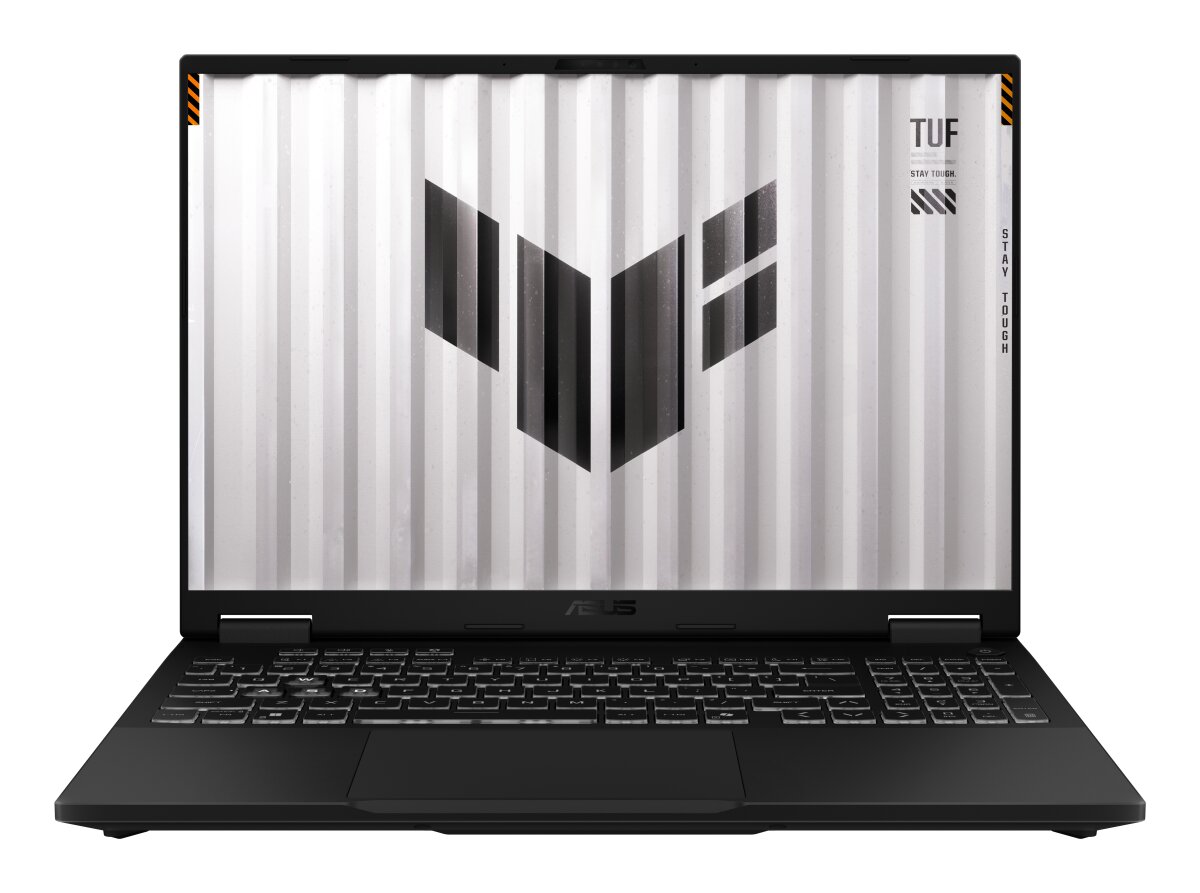
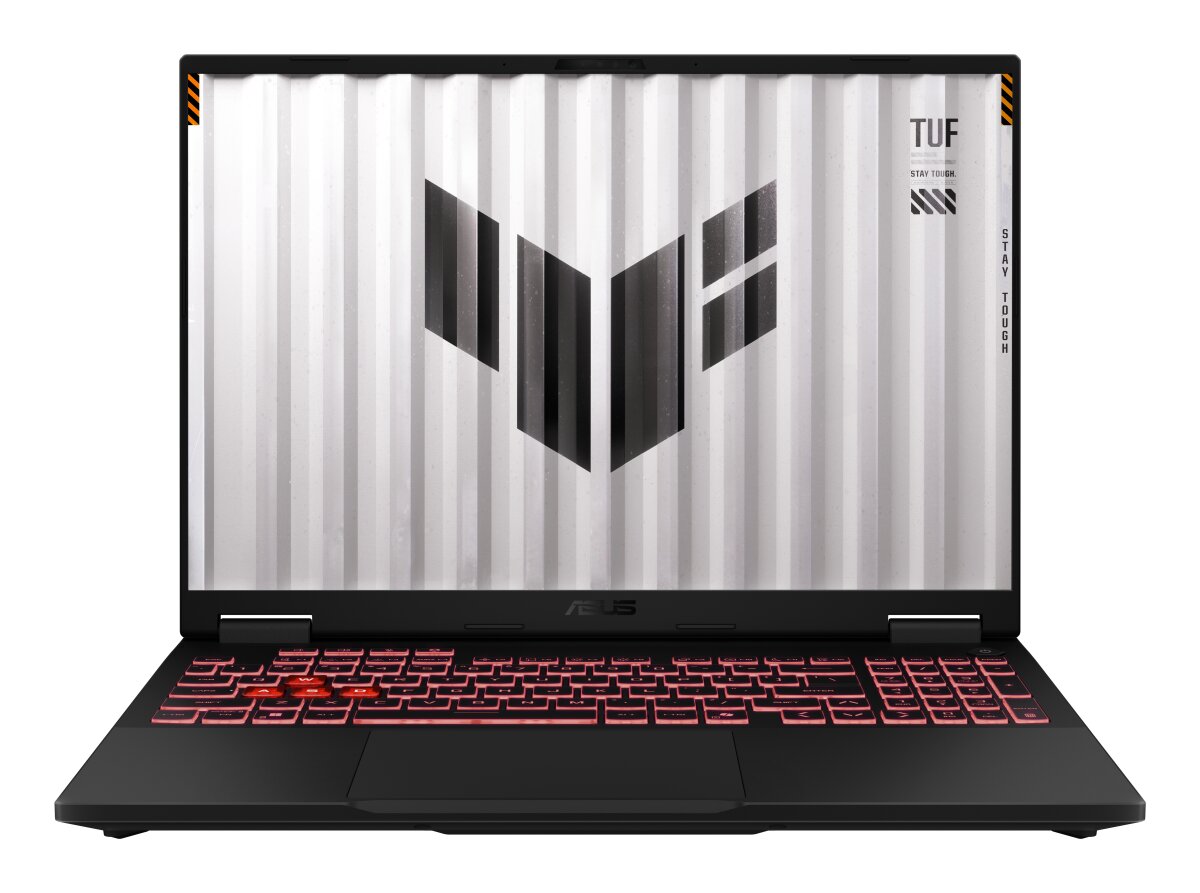
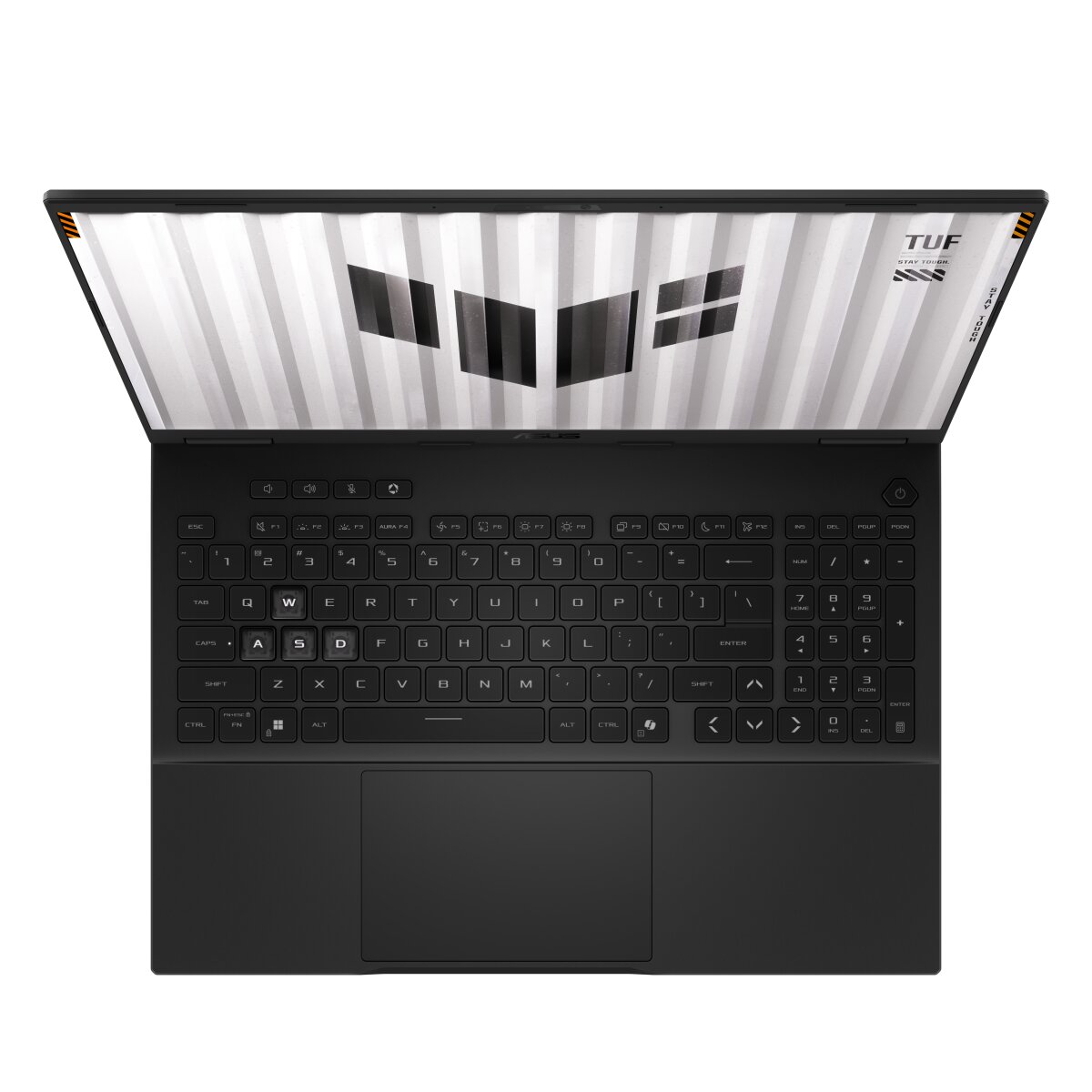
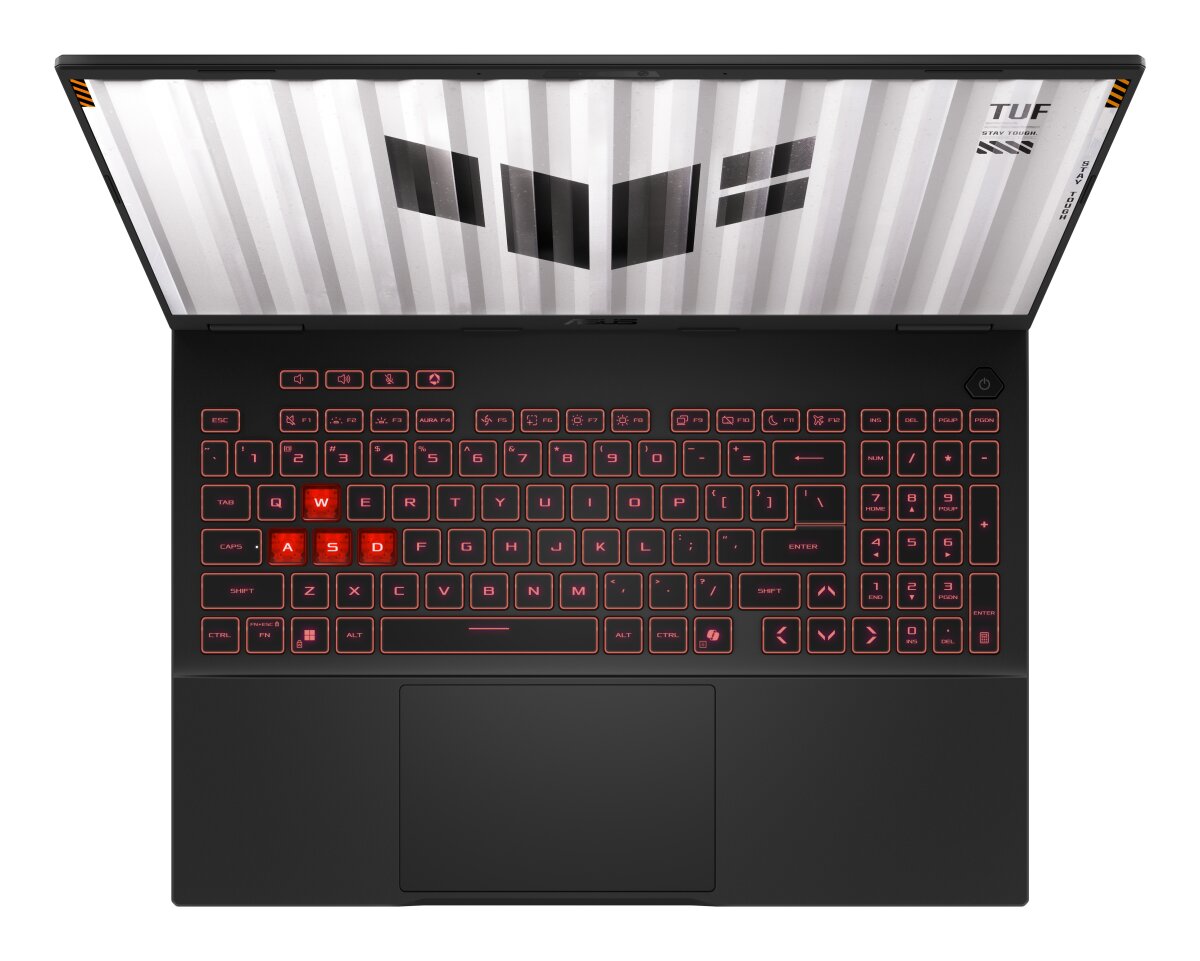
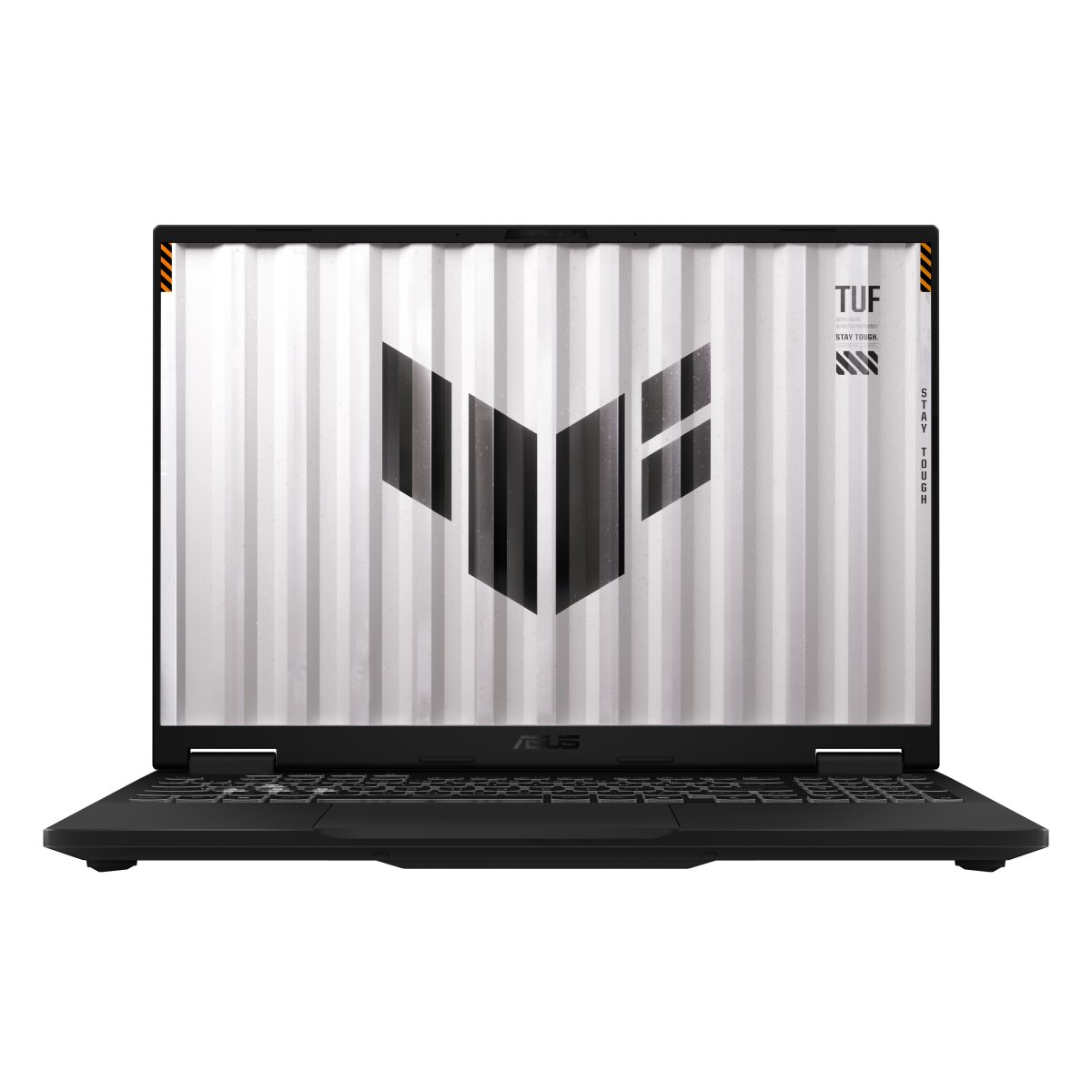
ASUS TUF Gaming A16 model FA608UM-RV115W features DDR5-SDRAM memory upgrade capabilities with two SO-DIMM slots supporting maximum capacity of 64 GB. The laptop specifications indicate compatible memory operates at 5600 MHz frequency. Memory upgrade options utilize SO-DIMM form factor modules for the dual slots configuration. Current memory specifications establish upgrade path to 64 GB maximum RAM capacity through DDR5 technology standard.
Memory Upgrade Specifications
| Specification | Value |
|---|---|
| Memory slots | 2x SO-DIMM |
| Form factor | SO-DIMM |
| Memory type | DDR5-SDRAM |
| Frequency | 5600 MHz |
| Maximum RAM | 64 GB |
| Voltage | 1.1V |
| Number of pins | 262-pin |
| Interface | PC5 |
| PC Speed Rating | PC5-5600 (PC5-44800) |
| Bandwidth | 44.8 GB/s |
Additional Notes
- The 2 SO-DIMM slot configuration in the ASUS TUF Gaming FA608UM-RV115W enforces a dual-channel architecture with no expansion redundancy; adding or replacing a single module requires either leaving one slot vacant (reducing bandwidth utilization) or purchasing matched pairs to maintain symmetric performance.
- DDR5-5600 memory operates at JEDEC standard frequency with headroom for higher-speed variants (DDR5-6400, DDR5-7200) that may be compatible but require BIOS validation and will not exceed the 64 GB capacity ceiling if installed.
- SO-DIMM physical constraints mean replacement modules must match the compact laptop form factor specification; full-size DIMM or proprietary soldered alternatives cannot substitute without board redesign.
- Bandwidth saturation risk exists if memory frequency lags behind the integrated or discrete GPU's memory interface speed; upgrading to matched DDR5-6400 or higher pairs may eliminate latency bottlenecks in graphics-intensive workloads without changing slot count.
- The 64 GB addressable maximum indicates firmware limits on supported module density; upgrading beyond 32 GB per slot requires confirmation that BIOS revision supports 48 GB or 64 GB configurations, as older firmware may cap recognition at 32 GB total capacity.
- Dual-slot architecture necessitates outright module replacement rather than additive expansion; users cannot retain existing memory when reaching maximum capacity, creating disposal obligations for working components.