ASUS TUF Gaming FA707NU-HX058W RAM upgrade specifications



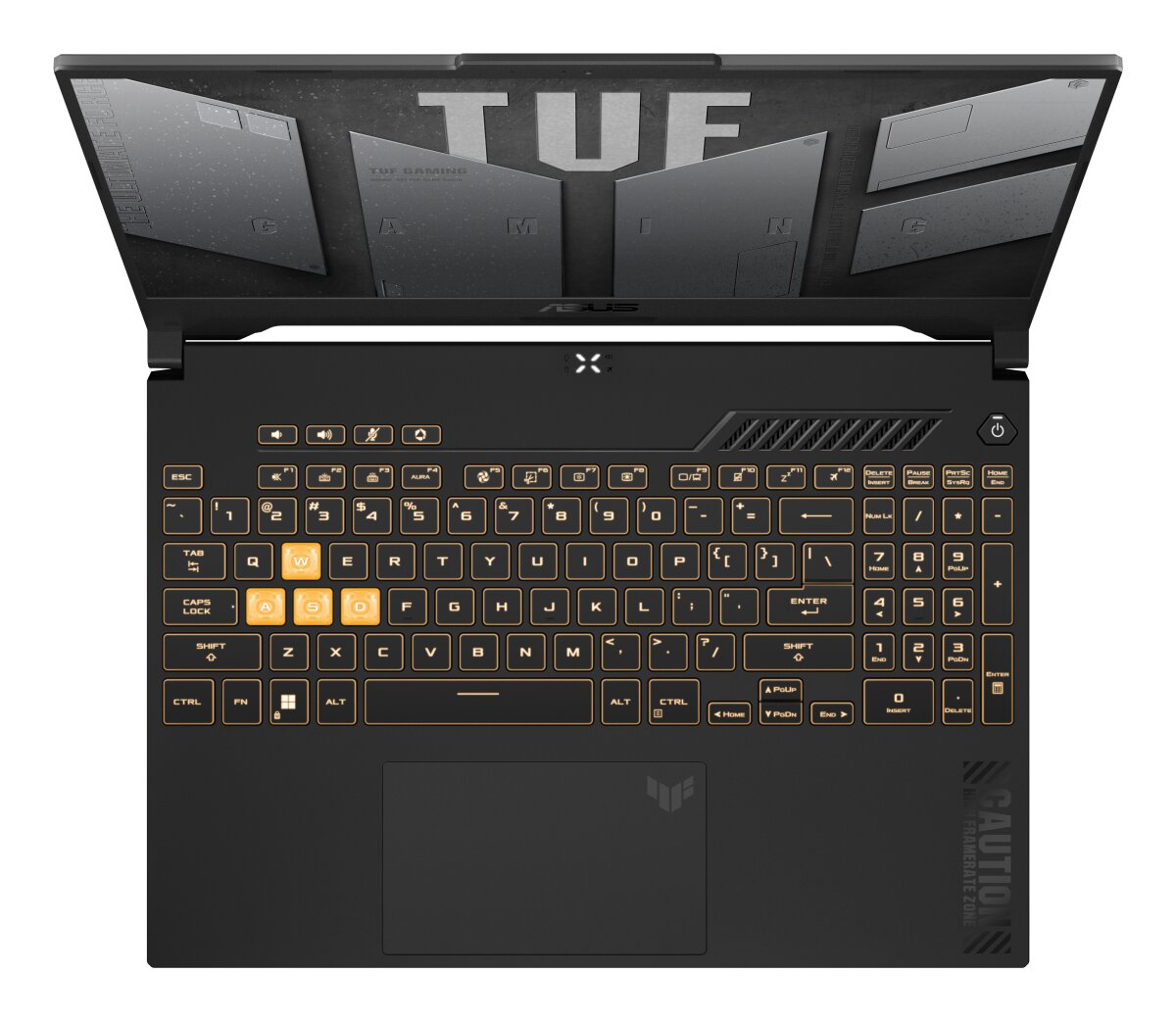

ASUS TUF Gaming A17 FA707NU-HX058W RAM upgrade specifications detail memory expansion capabilities for the laptop. The system features 2x SO-DIMM slots supporting DDR5-SDRAM memory modules. Maximum compatible RAM capacity reaches 32 GB, with native frequency of 4800 MHz. SO-DIMM form factor specifies the physical dimensions required for memory module installation. These upgrade specifications define the memory expansion parameters and compatible components for system memory enhancements on the FA707NU-HX058W model.
Memory Upgrade Specifications
| Specification | Value |
|---|---|
| Memory slots | 2x SO-DIMM |
| Form factor | SO-DIMM |
| Memory type | DDR5-SDRAM |
| Frequency | 4800 MHz |
| Maximum RAM | 32 GB |
| Voltage | 1.1V |
| Number of pins | 262-pin |
| Interface | PC5 |
| PC Speed Rating | PC5-4800 (PC5-38400) |
| Bandwidth | 38.4 GB/s |
Additional Notes
- The ASUS TUF Gaming FA707NU-HX058W relies on DDR5 modules, which are physically incompatible with DDR4 slots due to different notch positions, preventing accidental installation of older generation memory.
- SO-DIMM form factor indicates a compact module design typical for mobile systems, measuring 67.6mm in length compared to 133.35mm desktop DIMMs, making standard desktop RAM physically unsuitable for this chassis.
- The 32 GB ceiling implies a dual-channel configuration limited to 16 GB per slot, requiring matched module pairs for optimal memory interleaving and bandwidth utilization.
- DDR5-4800 represents the JEDEC baseline specification for this generation, operating at 1.1V compared to DDR4's 1.2V, which reduces thermal output during sustained workloads.
- Modules exceeding 4800 MHz may downclock to this specification unless XMP 3.0 or EXPO profiles are supported by the motherboard chipset and BIOS implementation.
- The dual SO-DIMM configuration enables field replacement without factory disassembly tools, though access typically requires bottom panel removal which may affect warranty seals depending on regional consumer protection laws.
- DDR5 architecture incorporates on-die ECC that corrects single-bit errors transparently, separate from traditional ECC memory, improving data integrity without requiring specialized modules.
- Mixing modules with different densities or ranks may force the memory controller to operate in asymmetric mode, potentially reducing performance compared to identical paired modules.
- The 4800 MHz data rate translates to PC5-38400 module designation, indicating 38.4 GB/s theoretical bandwidth per channel or 76.8 GB/s in dual-channel operation.
- CAS latency specifications become critical at this frequency threshold, as DDR5-4800 CL40 delivers similar real-world latency to DDR4-3200 CL22 despite the higher absolute cycle count.
- Thermal considerations differ from DDR4 due to higher burst frequencies, though SO-DIMM modules lack space for integrated heat spreaders common on desktop variants.
- Population of both slots maximizes memory bandwidth for integrated graphics or APU configurations, though discrete GPU systems see diminishing returns beyond dual-channel saturation.