ASUS TUF Gaming TUF706IHNT-HX036W RAM upgrade specifications
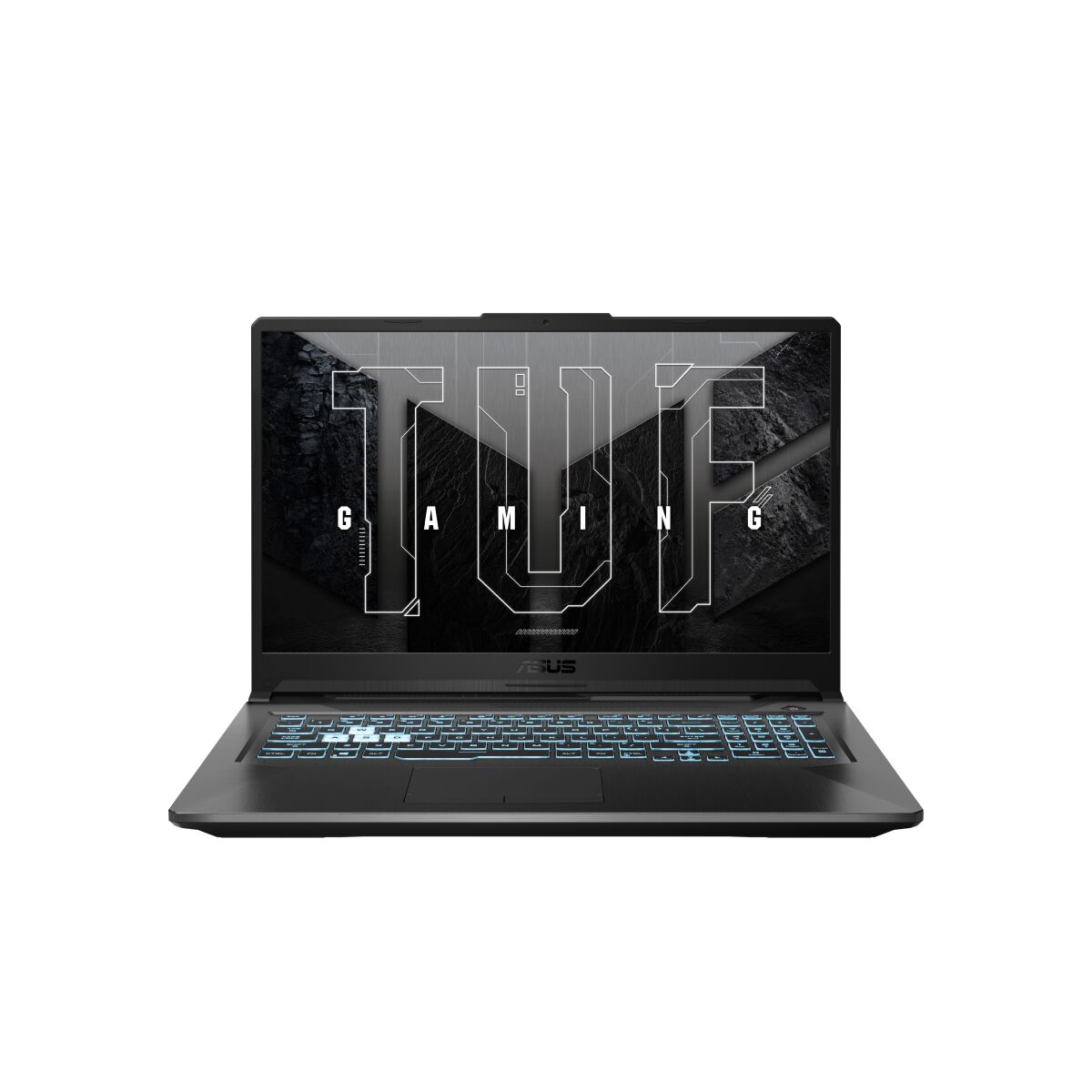
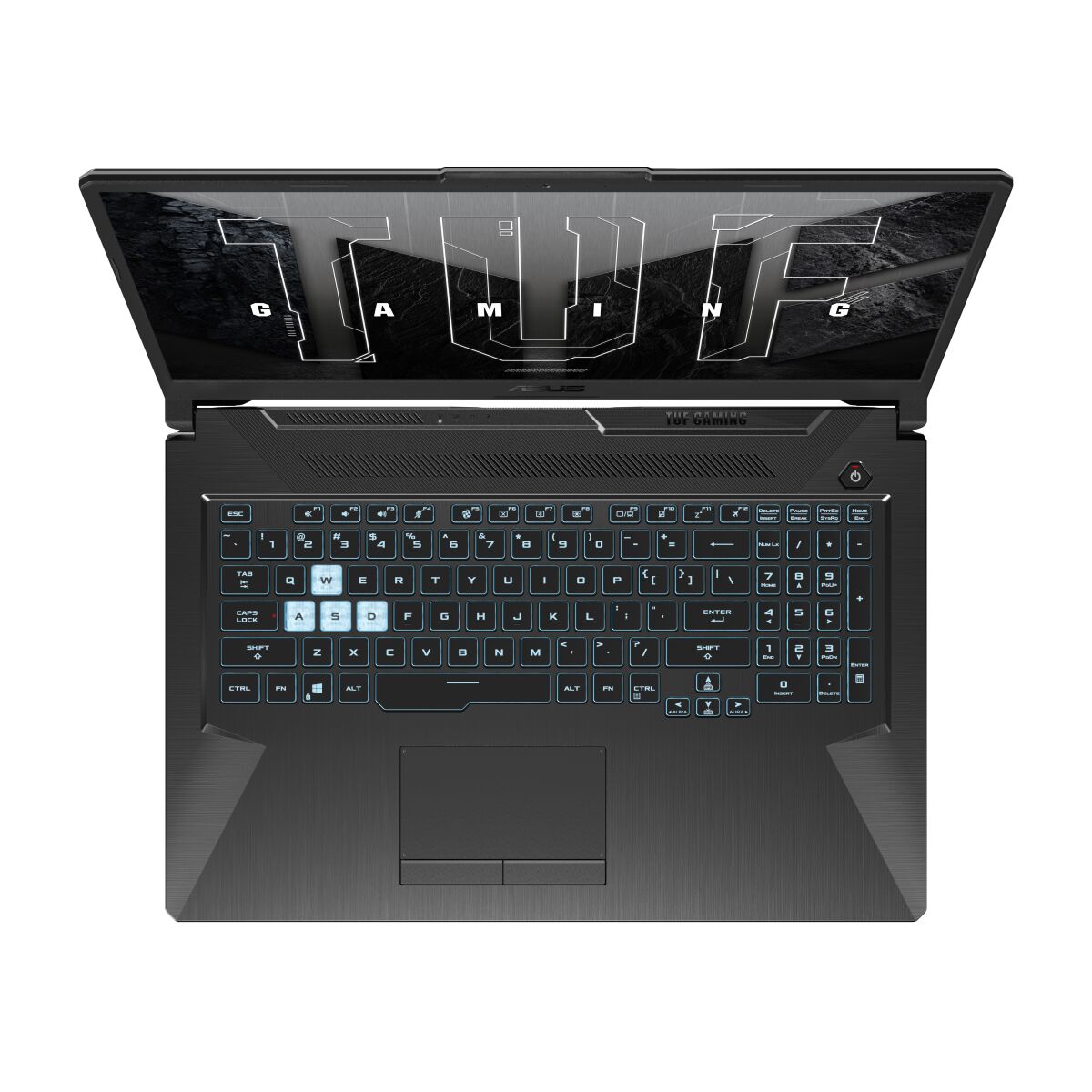


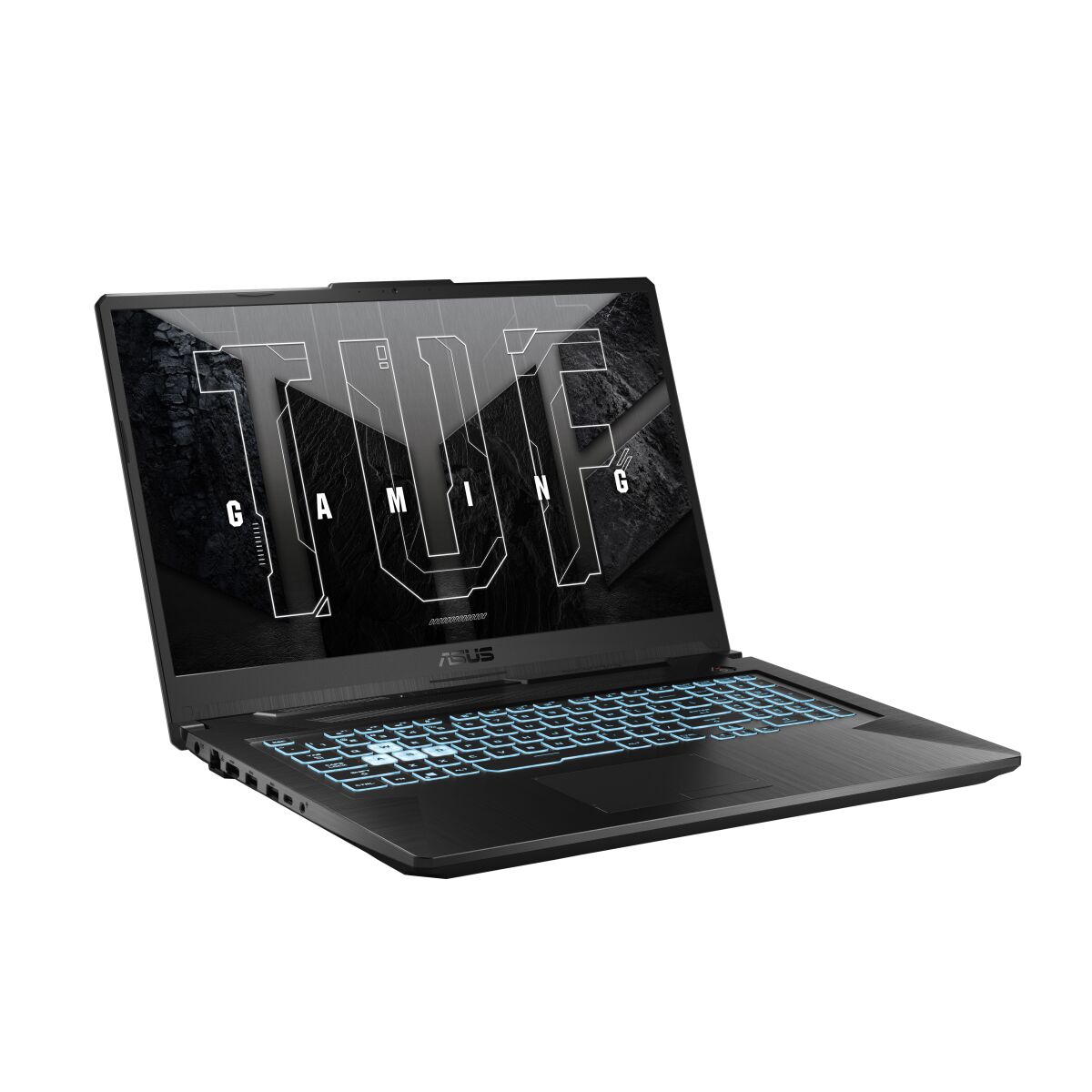
ASUS TUF Gaming A17 series model TUF706IHNT-HX036W features DDR4-SDRAM memory with 2x SO-DIMM slots. Maximum RAM capacity reaches 32 GB total. Memory modules operate at 3200 MHz frequency. Compatible upgrades utilize SO-DIMM form factor specifications. This gaming laptop supports memory expansion through dual upgrade slots, enabling configuration modifications up to manufacturer specifications for enhanced performance and multitasking capabilities.
Memory Upgrade Specifications
| Specification | Value |
|---|---|
| Memory slots | 2x SO-DIMM |
| Form factor | SO-DIMM |
| Memory type | DDR4-SDRAM |
| Frequency | 3200 MHz |
| Maximum RAM | 32 GB |
| Voltage | 1.2V |
| Number of pins | 260-pin |
| Interface | PC4 |
| PC Speed Rating | PC4-3200 (PC4-25600) |
| Bandwidth | 25.6 GB/s |
| Laptop Release date | 10 April 2022 |
Additional Notes
- The ASUS TUF Gaming TUF706IHNT-HX036W architecture limits total memory capacity to 32 GB due to chipset addressing constraints, preventing higher density configurations regardless of module availability.
- DDR4-3200 represents the validated speed ceiling, meaning modules rated above this frequency will downclock to 3200 MHz through JEDEC fallback protocols.
- Dual SO-DIMM configuration enables dual-channel operation when matched module pairs are installed, doubling theoretical memory bandwidth compared to single-channel asymmetric setups.
- Physical access requires bottom panel removal, with memory slots positioned beneath cooling assemblies in most gaming laptop designs of this generation.
- Mixed module configurations (differing speeds or capacities) force the memory controller to synchronize all DIMMs to the lowest common specifications, reducing overall performance.
- Non-ECC unbuffered modules are required, as consumer mobile platforms lack error correction support and cannot initialize registered or load-reduced memory types.
- CAS latency variations between CL16, CL18, and CL22 modules at identical frequencies create measurable differences in memory-intensive workloads despite identical transfer rates.
- Thermal headroom in gaming laptops necessitates modules within standard JEDEC voltage specifications (1.2V for DDR4), as overvolted XMP profiles may trigger throttling or instability.
- Upgrading from factory-installed capacities maintains OEM warranty coverage in most regions, whereas third-party modifications to soldered components void service agreements.
- Single-rank versus dual-rank module topology affects interleaving behavior, with dual-rank configurations providing modest performance gains in bandwidth-sensitive applications at identical frequencies.