ASUS TUF Gaming TUF706IHRB-HX037 RAM upgrade specifications
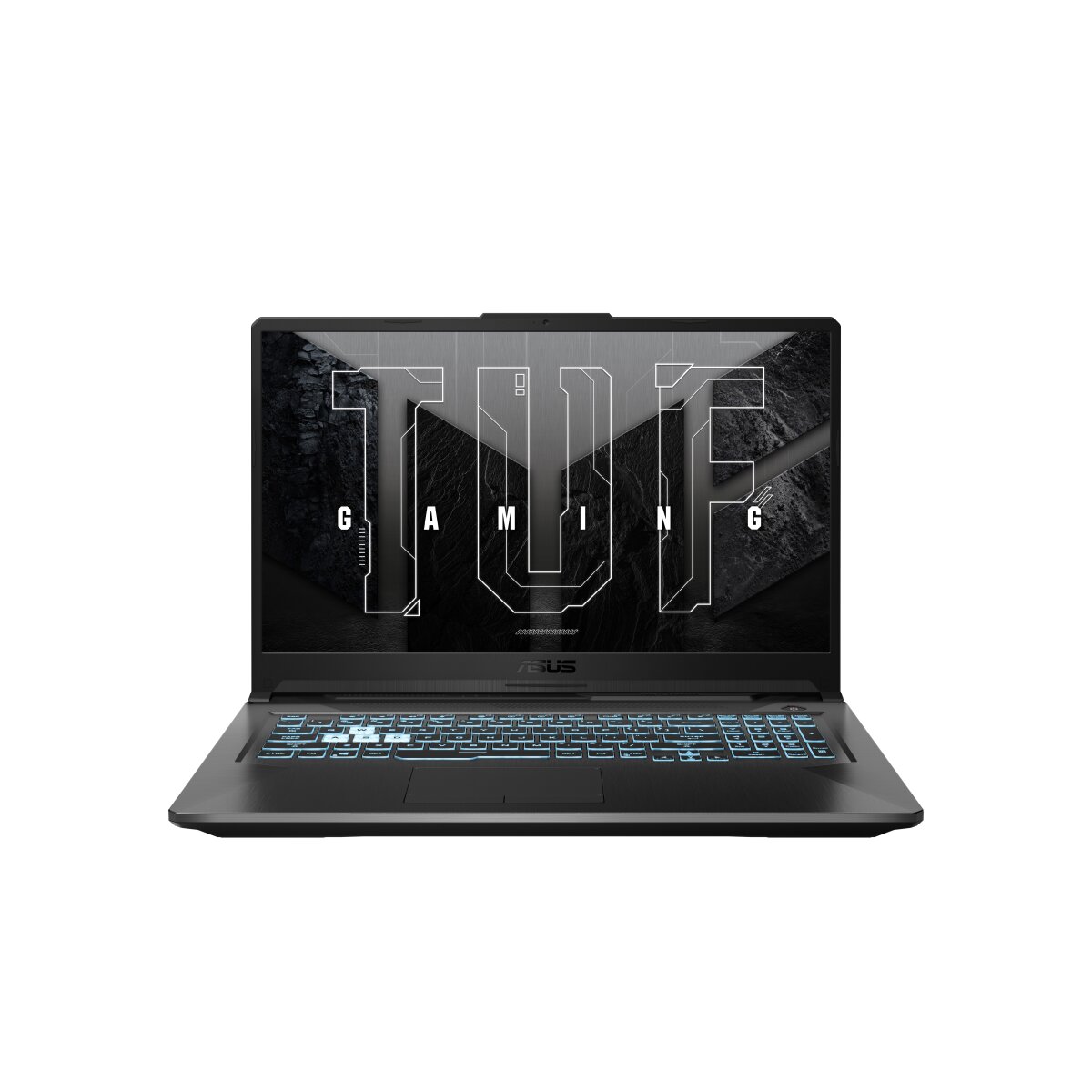
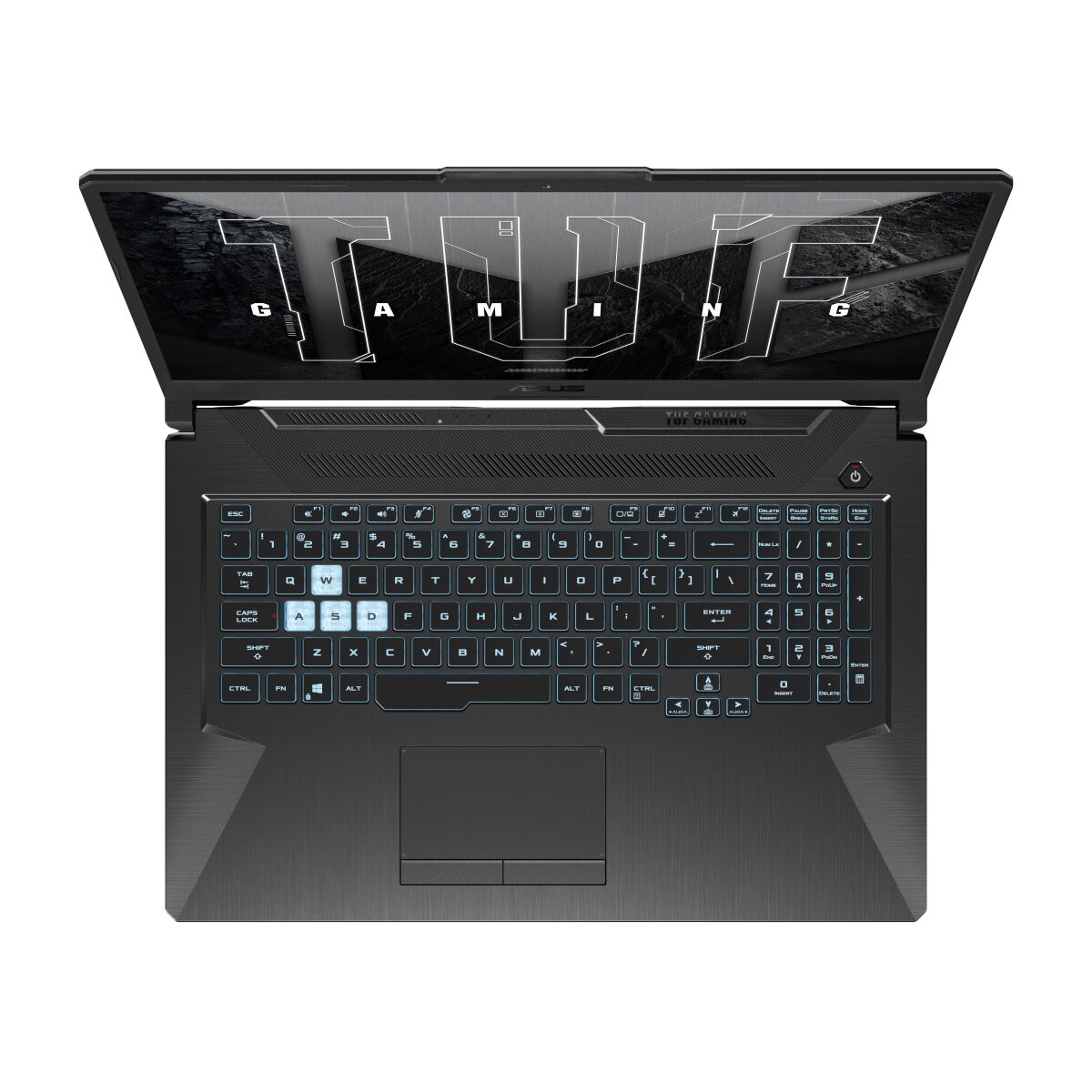

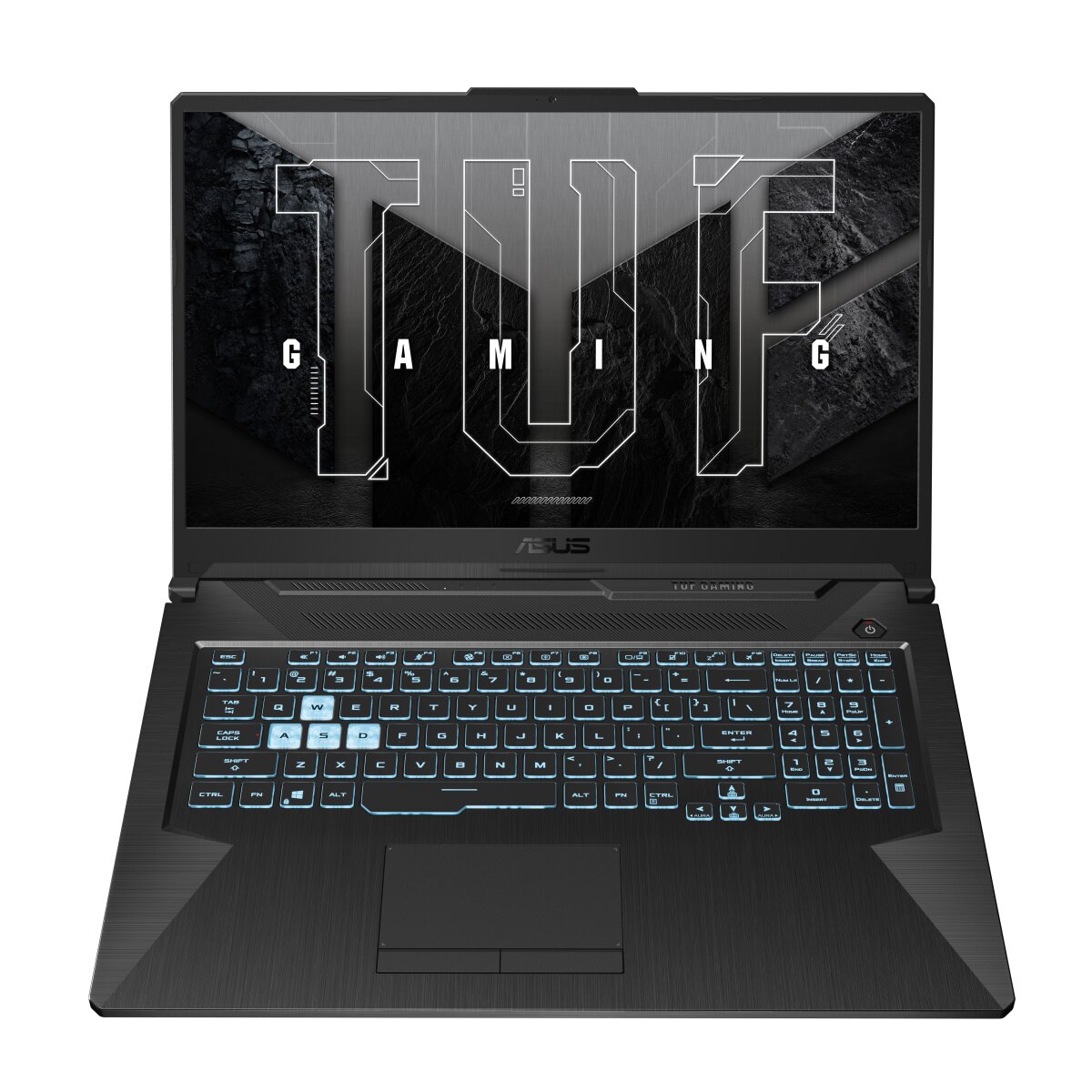
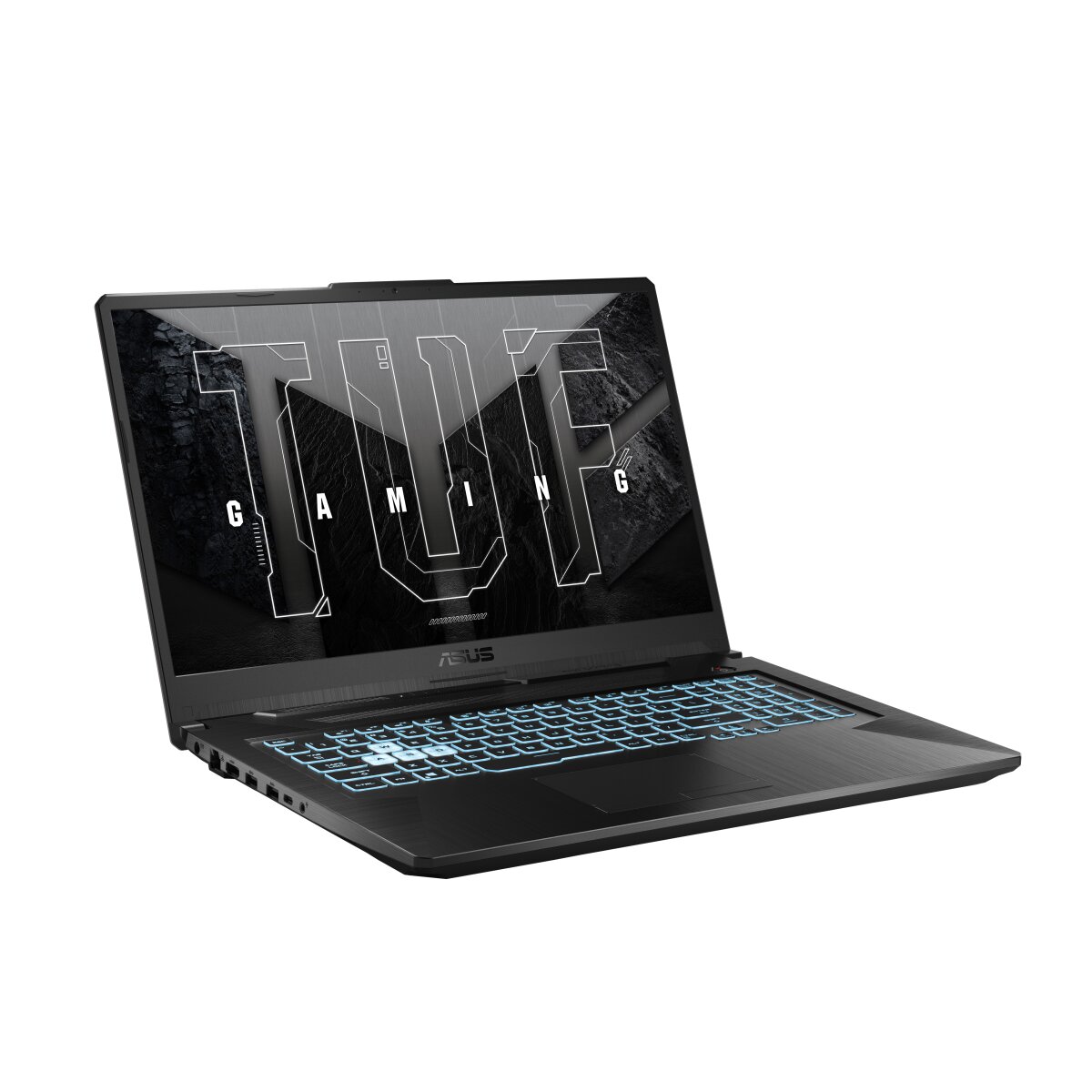
ASUS TUF Gaming A17 Series model TUF706IHRB-HX037 supports DDR4-SDRAM memory upgrades. The laptop features 2x SO-DIMM slots with a maximum RAM capacity of 32 GB. Compatible memory modules operate at 3200 MHz frequency. Upgrade specifications indicate SO-DIMM form factor memory is required for this gaming laptop model. Maximum supported capacity allows for significant memory expansion to enhance multitasking and performance capabilities on the TUF Gaming A17 platform.
Memory Upgrade Specifications
| Specification | Value |
|---|---|
| Memory slots | 2x SO-DIMM |
| Form factor | SO-DIMM |
| Memory type | DDR4-SDRAM |
| Frequency | 3200 MHz |
| Maximum RAM | 32 GB |
| Voltage | 1.2V |
| Number of pins | 260-pin |
| Interface | PC4 |
| PC Speed Rating | PC4-3200 (PC4-25600) |
| Bandwidth | 25.6 GB/s |
Additional Notes
- The ASUS TUF Gaming TUF706IHRB-HX037 architecture limits total system memory to 32 GB due to chipset or processor memory controller constraints, preventing installation of higher capacity configurations even if physically compatible modules exist.
- The 2 SO-DIMM slot configuration requires balanced population for dual-channel operation, meaning two identical modules must be installed to achieve maximum memory bandwidth of 51.2 GB/s instead of the 25.6 GB/s available in single-channel mode.
- DDR4-3200 represents the native JEDEC specification speed, meaning modules rated at higher frequencies such as 3600 MHz or 4000 MHz will automatically downclock to 3200 MHz unless manual BIOS adjustments are available and supported.
- Mixing modules with different densities, ranks, or timings may force the memory controller to operate all modules at the slowest common specifications, potentially reducing effective performance below rated speeds.
- SO-DIMM form factor physically prevents installation of standard desktop DIMM modules, requiring specifically laptop-oriented memory with the smaller 260-pin connector layout.
- Reaching the 32 GB maximum capacity necessitates replacing any pre-installed memory with a matched pair of 16 GB modules, rendering the original modules unusable in this system.
- Operating voltage for DDR4-3200 typically remains fixed at 1.2V, meaning higher-voltage XMP profiles designed for desktop overclocking will either fail to activate or require motherboard support that mobile platforms rarely provide.
- Memory access latency at 3200 MHz with standard CL22 timings produces approximately 13.75 nanoseconds of actual latency, while tighter CL16 modules would reduce this to approximately 10 nanoseconds if the memory controller accepts non-JEDEC timings.
- The dual-slot limitation prevents capacity expansion beyond the 32 GB ceiling without complete module replacement, unlike 4-slot desktop configurations that allow incremental upgrades.
- Thermal constraints in the laptop chassis may prevent sustained operation at maximum memory frequency under heavy workloads, potentially triggering automatic thermal throttling that desktop systems typically avoid.