ASUS TUF Gaming TUF707NU-HX007W RAM upgrade specifications
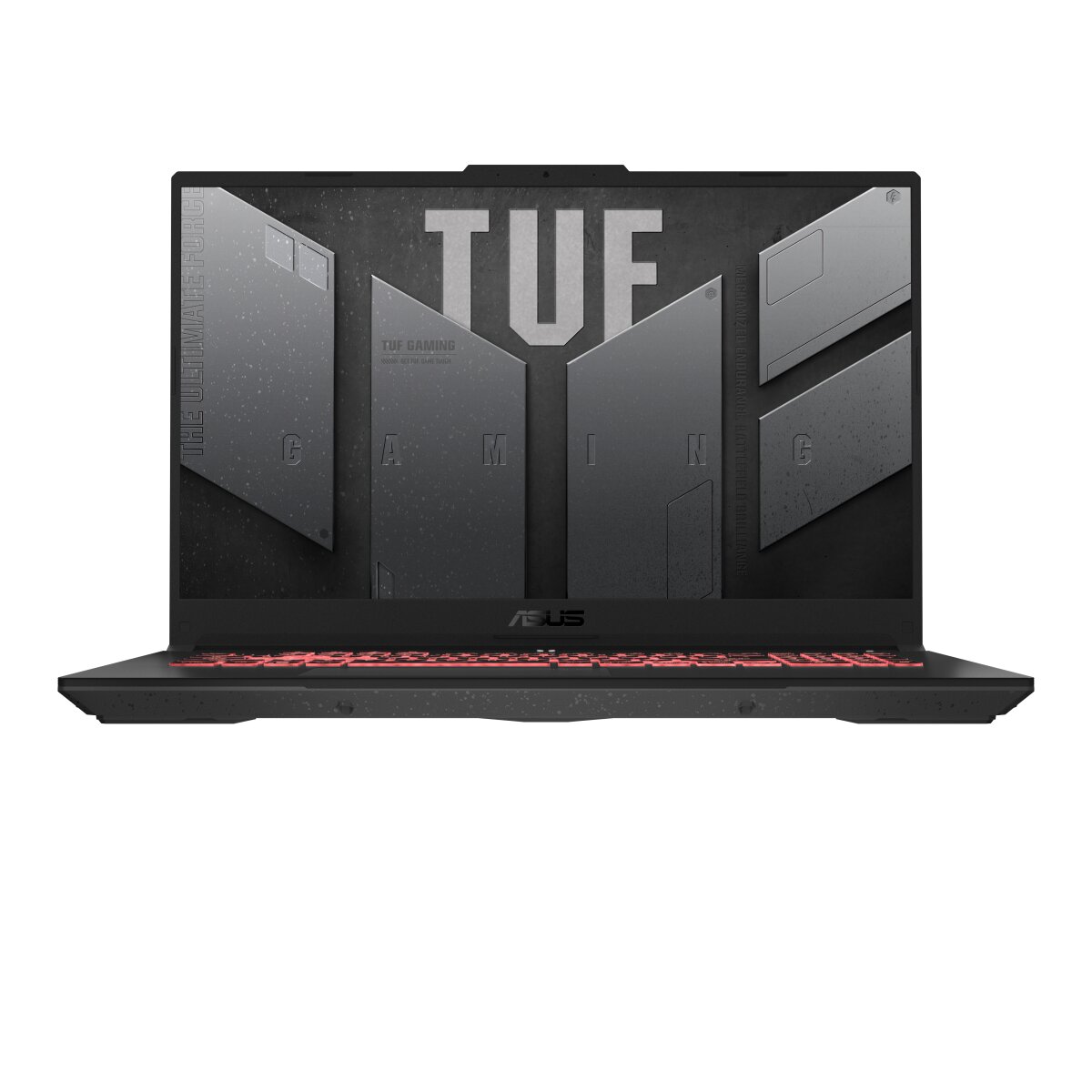
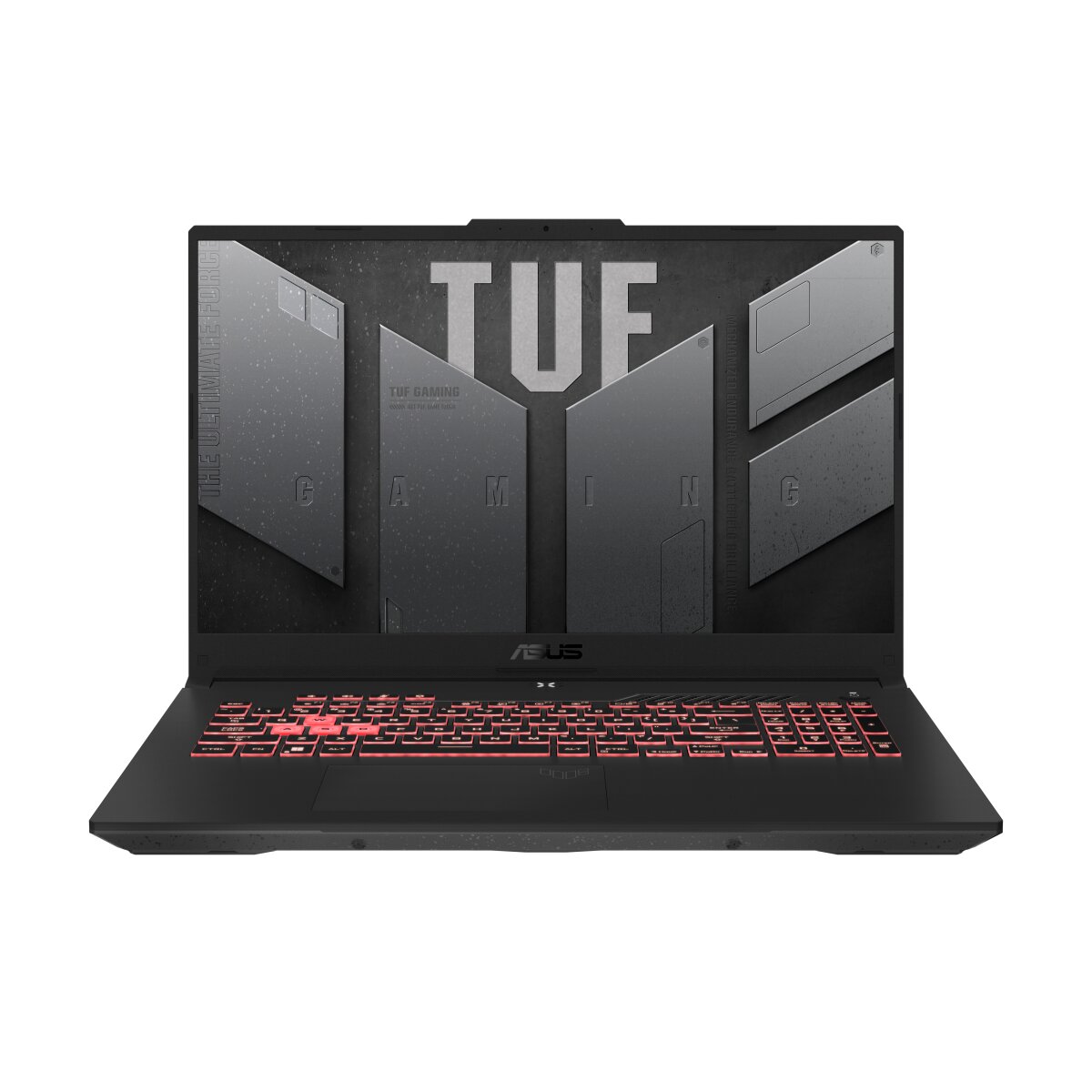
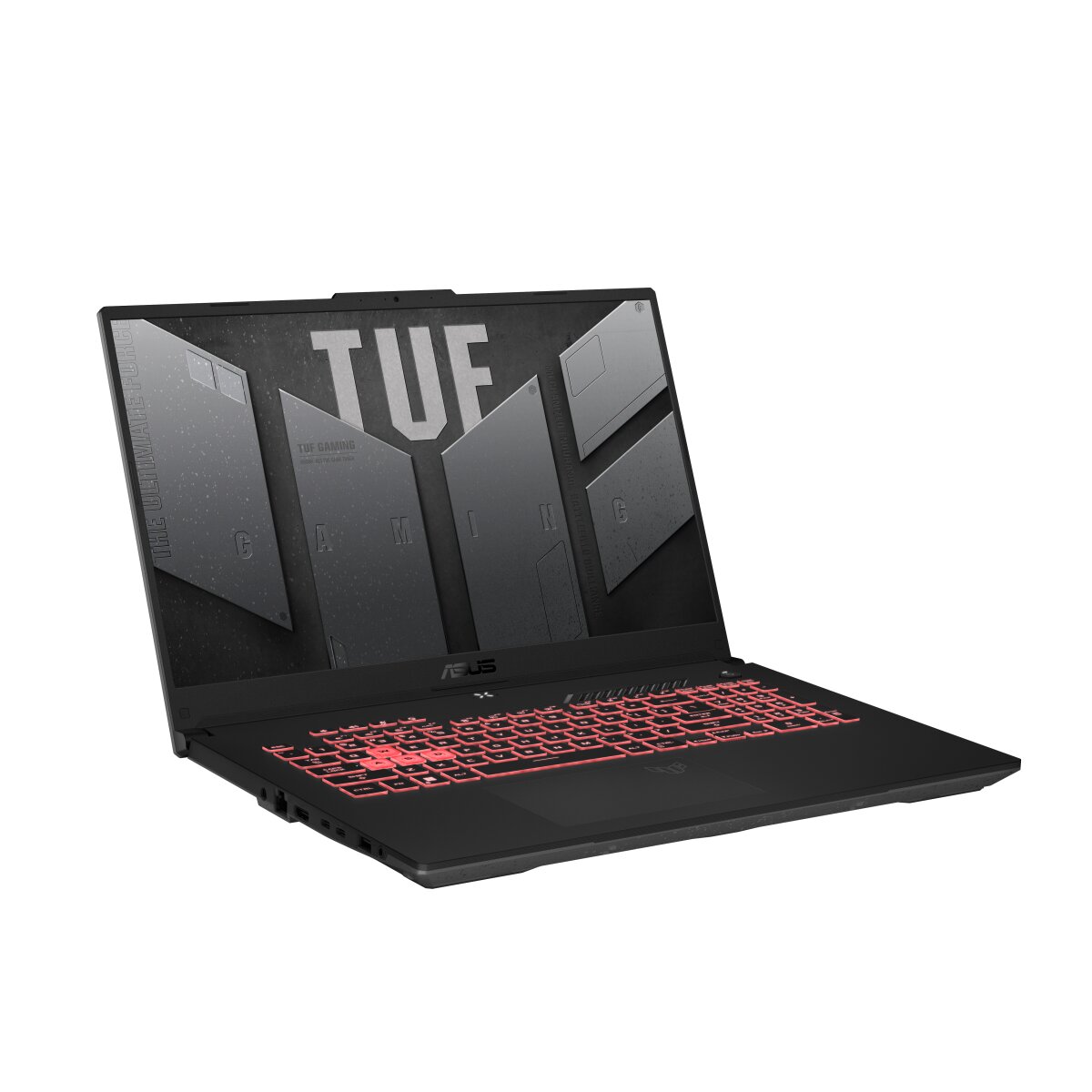
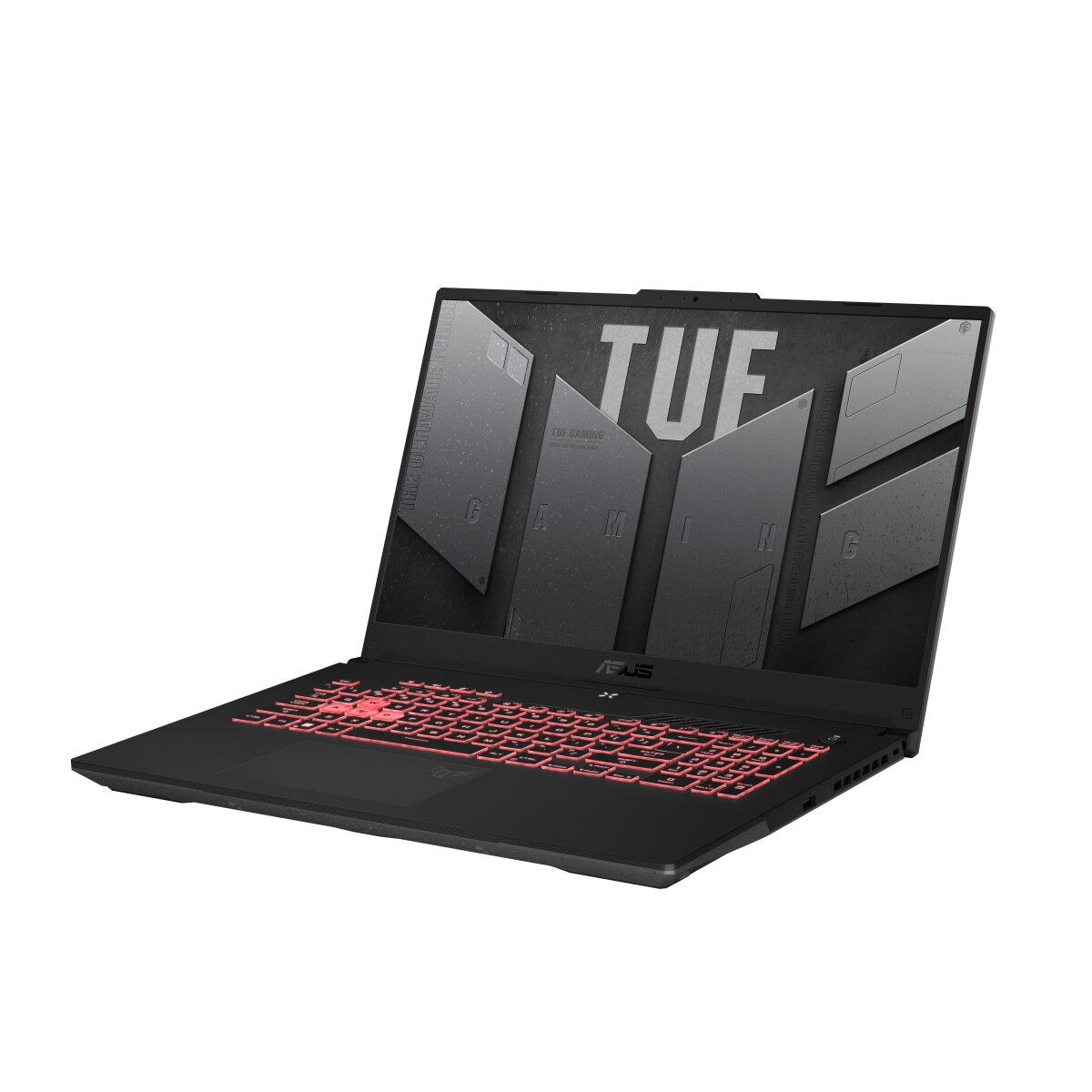
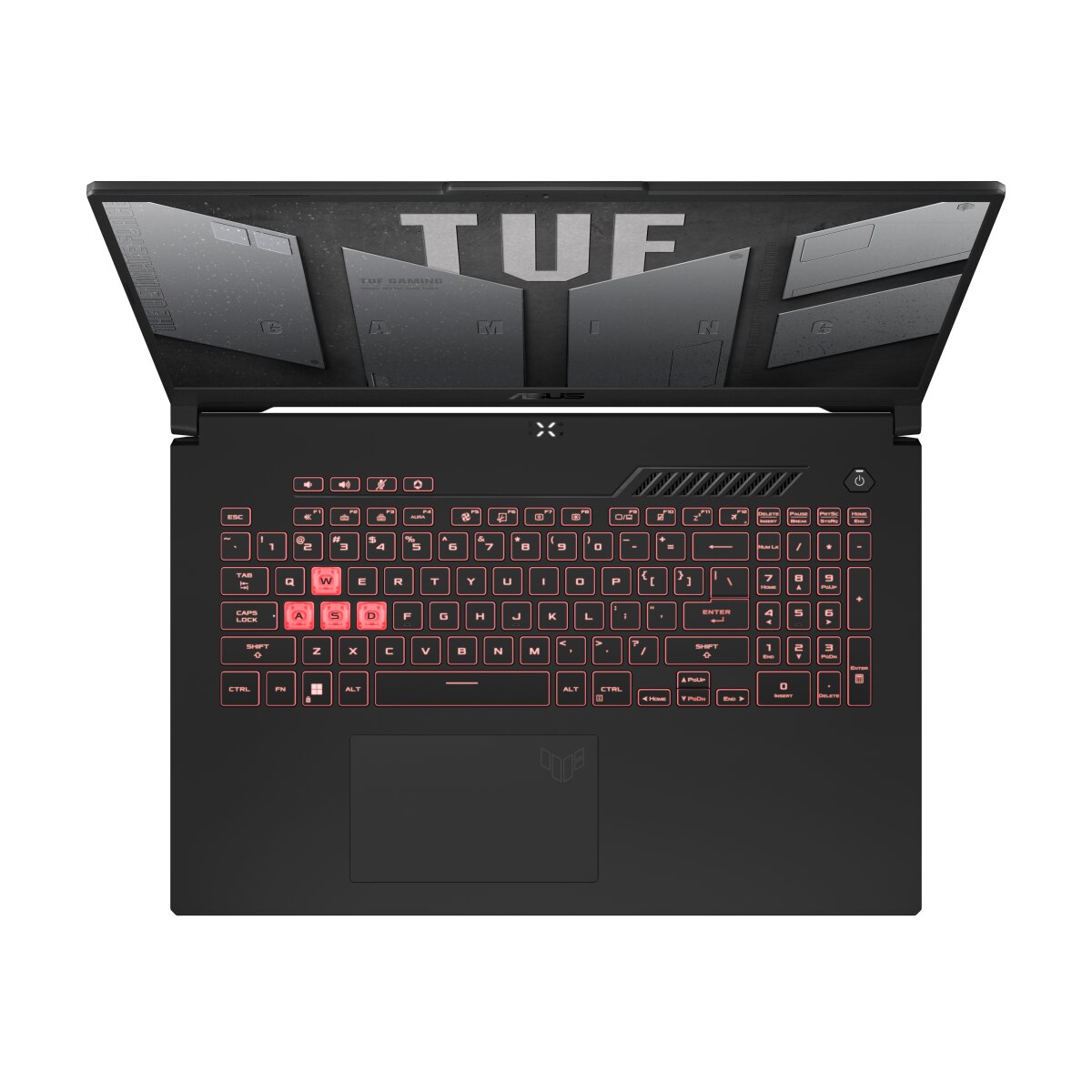
ASUS TUF Gaming A17 series model TUF707NU-HX007W supports DDR5-SDRAM memory upgrades through two SO-DIMM slots. Maximum RAM capacity reaches 32 GB total. Memory specifications include DDR5 4800 MHz frequency support. Compatible upgrades utilize SO-DIMM form factor modules. Current memory configurations and upgrade options depend on factory specifications and available slot capacity.
Memory Upgrade Specifications
| Specification | Value |
|---|---|
| Memory slots | 2x SO-DIMM |
| Form factor | SO-DIMM |
| Memory type | DDR5-SDRAM |
| Frequency | 4800 MHz |
| Maximum RAM | 32 GB |
| Voltage | 1.1V |
| Number of pins | 262-pin |
| Interface | PC5 |
| PC Speed Rating | PC5-4800 (PC5-38400) |
| Bandwidth | 38.4 GB/s |
| Laptop Release date | 01 March 2023 |
Additional Notes
- DDR5-4800 memory operates at reduced frequency relative to high-end DDR5 capability (5600 MHz and above), creating a 14-17% performance gap in bandwidth-intensive workloads such as 3D rendering, video encoding, and large dataset processing.
- The 2-slot SO-DIMM configuration requires full module replacement rather than additive expansion; upgrading from factory memory to the 32 GB ceiling necessitates removing existing modules entirely, with no option to retain a single original DIMM.
- Single-channel memory operation during the transition period between removal of original modules and installation of replacements will degrade system performance by 40-50% until both slots are populated, affecting users who rely on the ASUS TUF Gaming TUF707NU-HX007W for content creation or virtual machines during the upgrade window.
- SO-DIMM slot contact degradation accelerates with repeated insertion cycles; warranty coverage typically excludes damage from module swapping, so users should minimize experimental memory swapping to preserve long-term upgrade optionality.
- Maximum 32 GB capacity limitation constrains multithreaded workload scaling; virtualization scenarios, concurrent video streaming with local transcoding, or memory-mapped database operations may encounter ceiling constraints within 3-5 years as software footprints expand.
- DDR5-4800 SO-DIMM modules remain commodity-priced and widely available through 2026, but procurement beyond that window may face supply contraction as DDR5-5600 and DDR6 products dominate retail channels.