ASUS TUF Gaming TUF707NUQ-ISCHX031W RAM upgrade specifications


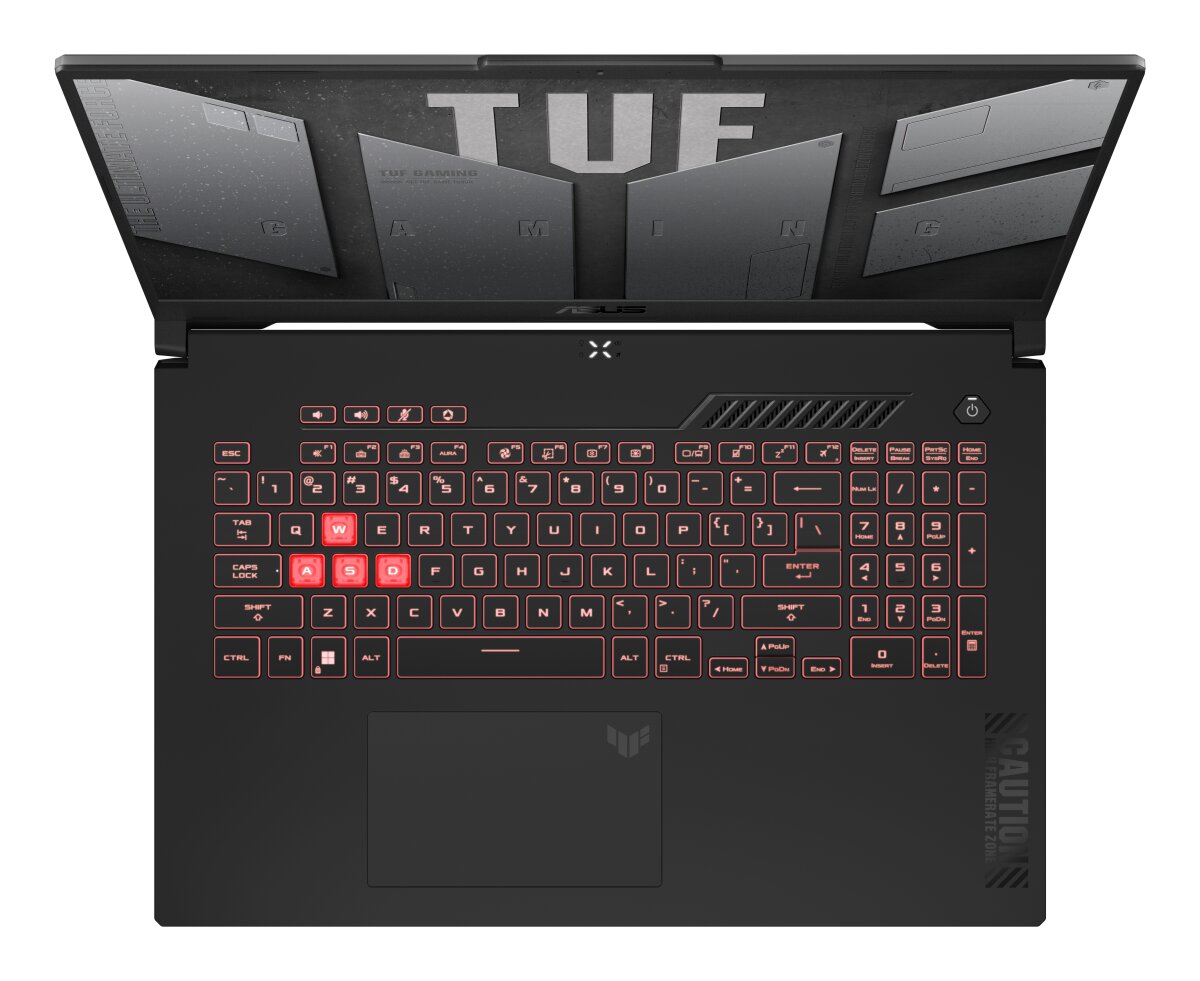


The ASUS TUF Gaming A17 Series TUF707NUQ-ISCHX031W laptop features DDR5-SDRAM memory with two SO-DIMM slots for RAM upgrade capability. The system supports a maximum memory capacity of 64 GB. Memory modules operate at 5600 MHz frequency. Compatible DDR5 SO-DIMM modules enable users to expand the RAM specifications up to the maximum supported capacity. Upgrade options allow installation of matched pairs to optimize dual-channel performance on this TUF Gaming notebook.
Memory Upgrade Specifications
| Specification | Value |
|---|---|
| Memory slots | 2x SO-DIMM |
| Form factor | SO-DIMM |
| Memory type | DDR5-SDRAM |
| Frequency | 5600 MHz |
| Maximum RAM | 64 GB |
| Voltage | 1.1V |
| Number of pins | 262-pin |
| Interface | PC5 |
| PC Speed Rating | PC5-5600 (PC5-44800) |
| Bandwidth | 44.8 GB/s |
Additional Notes
- The ASUS TUF Gaming TUF707NUQ-ISCHX031W implements a dual-channel memory architecture through its 2 SO-DIMM configuration, requiring matched module pairs for optimal bandwidth utilization at 89.6 GB/s theoretical throughput.
- DDR5-5600 represents a JEDEC standard specification, ensuring broad module compatibility across manufacturers without requiring XMP profile configuration or BIOS adjustments.
- The 64 GB ceiling dictates a maximum of 32 GB per slot, limiting future expansion beyond this threshold regardless of higher-density module availability.
- Mixing modules with different speeds will force all installed memory to downclock to the slowest module's frequency, potentially degrading system performance below the native 5600 MHz specification.
- SO-DIMM physical accessibility typically requires bottom panel removal on gaming laptops, with potential seal breakage implications for manufacturer warranty coverage depending on regional service policies.
- DDR5 operates at 1.1V compared to DDR4's 1.2V, reducing thermal output but requiring generation-specific modules that cannot physically install in DDR4-equipped systems.
- Dual-rank modules may exhibit slightly higher latency than single-rank alternatives at identical frequencies, though capacity per slot increases with rank configuration.
- The controller's maximum frequency specification of 5600 MHz prevents performance gains from installing higher-rated modules like DDR5-6400, which would downclock to chipset limitations.
- Unmatched module capacities between slots maintain dual-channel operation only up to the capacity of the smaller module, with remaining capacity reverting to single-channel mode.
- ECC SO-DIMM modules face incompatibility with consumer gaming platforms despite physical form factor matching, as error correction requires explicit chipset and BIOS support.