ASUS TUF Gaming TUF707NUQ-DICHX146W RAM upgrade specifications
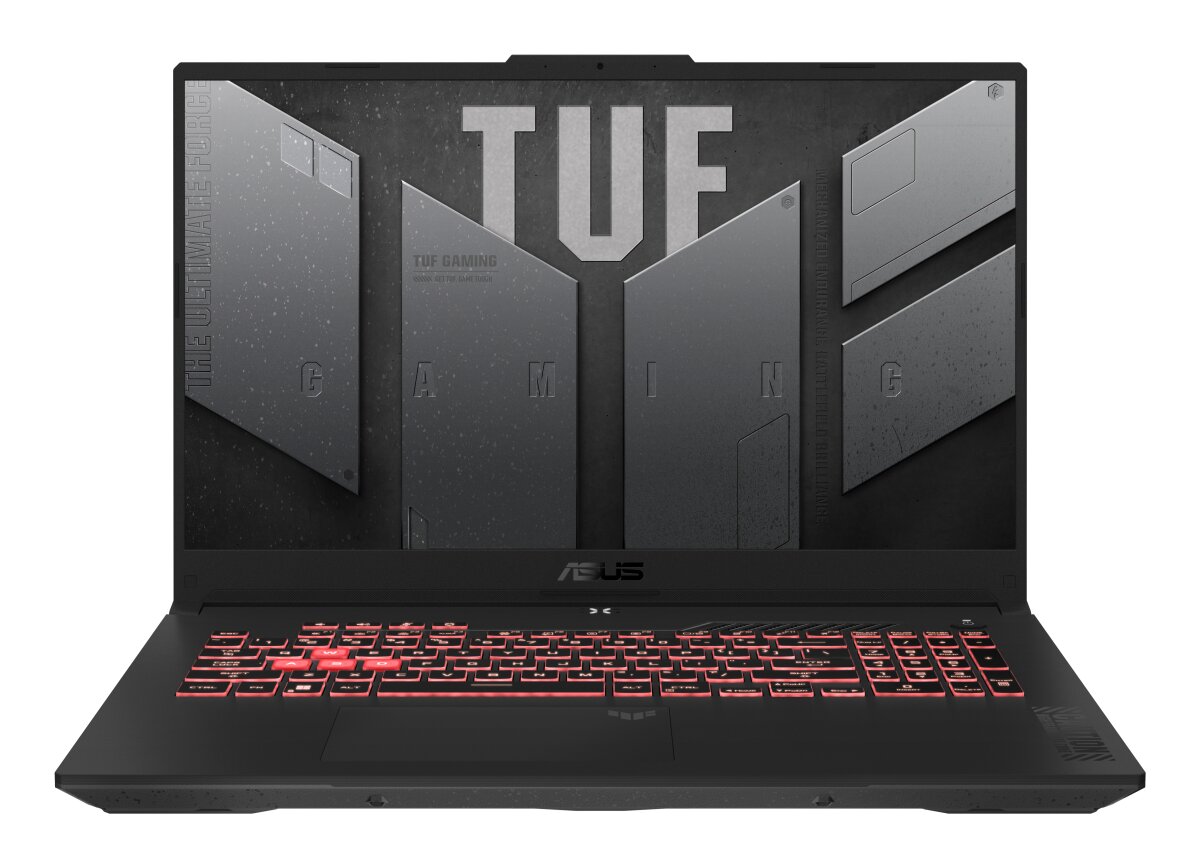

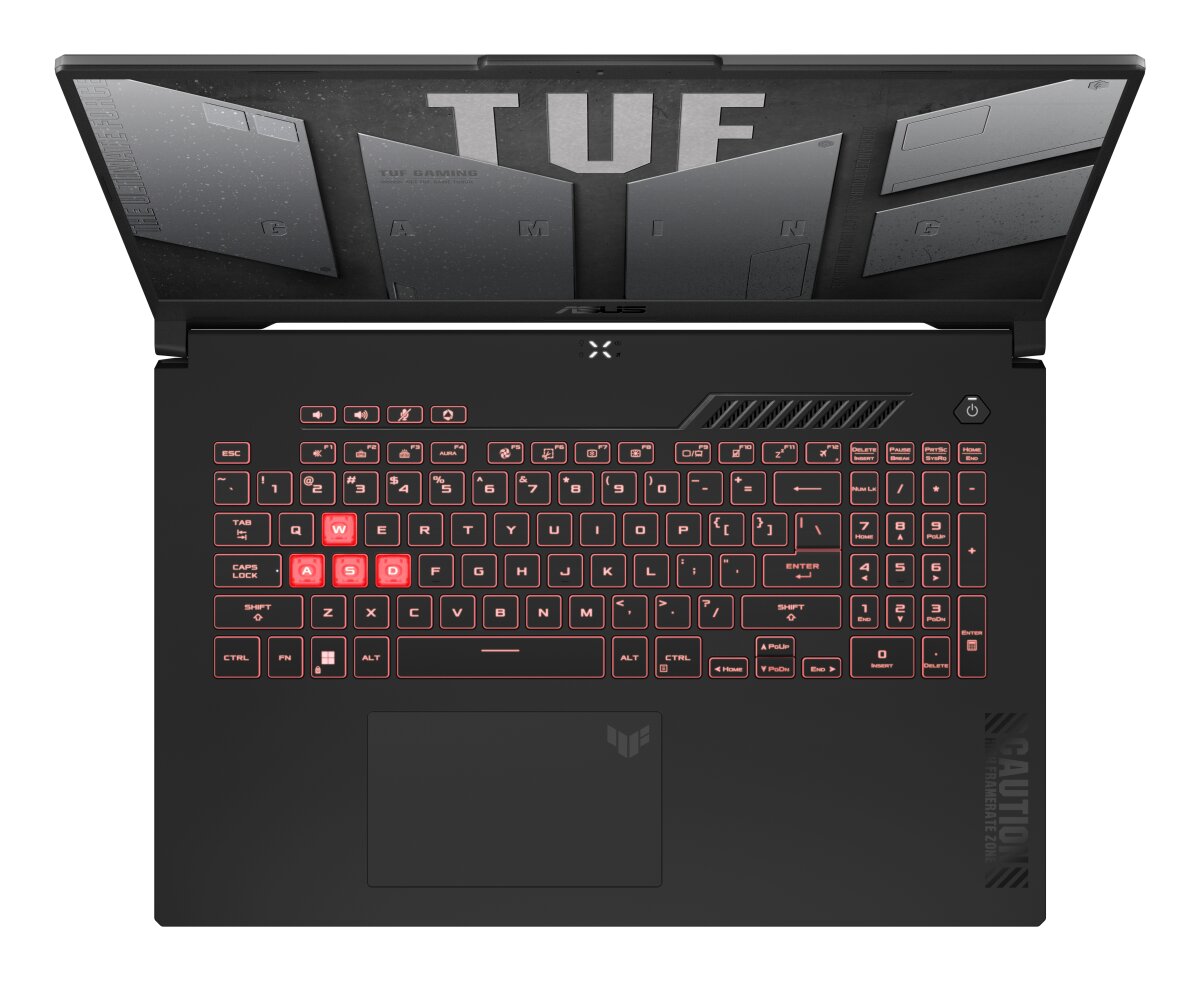

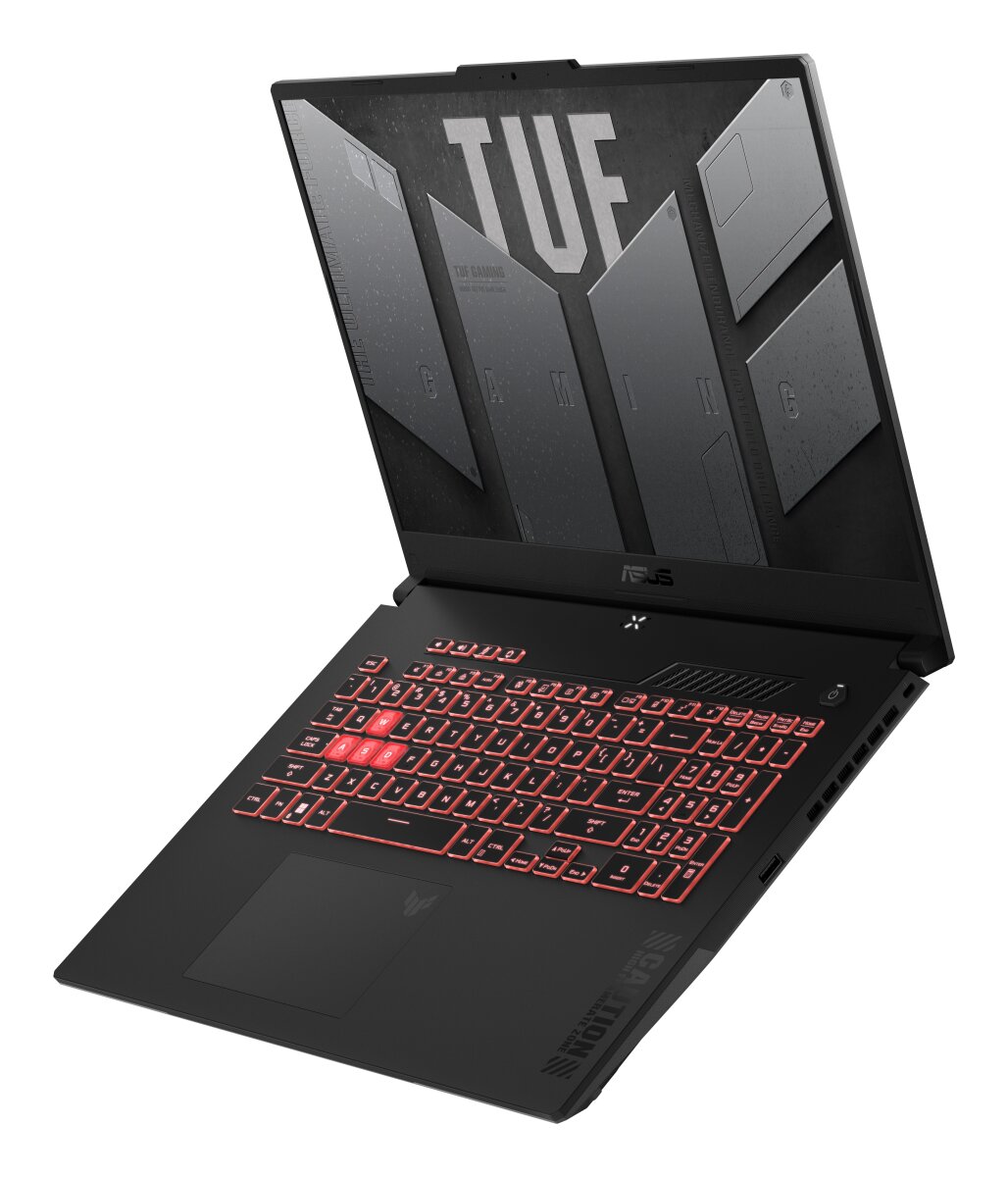
The ASUS TUF Gaming A17 series model TUF707NUQ-DICHX146W features DDR5-SDRAM memory upgrade specifications with 2x SO-DIMM slots supporting maximum capacity of 64 GB. Compatible RAM operates at 5600 MHz frequency. The laptop accommodates SO-DIMM form factor memory modules, enabling users to expand system memory up to the specified maximum. Upgrade slots allow installation of matched pairs for optimal performance and stability.
Memory Upgrade Specifications
| Specification | Value |
|---|---|
| Memory slots | 2x SO-DIMM |
| Form factor | SO-DIMM |
| Memory type | DDR5-SDRAM |
| Frequency | 5600 MHz |
| Maximum RAM | 64 GB |
| Voltage | 1.1V |
| Number of pins | 262-pin |
| Interface | PC5 |
| PC Speed Rating | PC5-5600 (PC5-44800) |
| Bandwidth | 44.8 GB/s |
Additional Notes
- The 2 SO-DIMM slot configuration in this ASUS TUF Gaming notebook establishes a hard ceiling of 64 GB total capacity, requiring both slots to be populated with 32 GB modules to reach maximum density. Single-slot upgrades cannot distribute the load across multiple sticks.
- DDR5-SDRAM operating at 5600 MHz introduces higher latency overhead compared to DDR4 architectures at equivalent clock speeds. This affects random access performance in I/O-bound workloads despite superior bandwidth throughput in sequential operations.
- SO-DIMM form factor creates asymmetrical accessibility constraints in this laptop model. Upgrading memory may require partial system disassembly depending on internal layout, potentially voiding coverage if procedures deviate from manufacturer documentation.
- The 5600 MHz rating establishes strict compatibility requirements. Third-party DDR5 modules must support JEDEC 5600 specification or explicitly list compatibility with this chassis; non-validated modules risk system instability or refusal to initialize, despite physical compatibility.
- Bandwidth saturation becomes a limiting factor when pairing high-speed DDR5 with mobile-class processors. Memory throughput may exceed the CPU's frontside bus capacity in certain workloads, reducing the effective performance gain from frequency upgrades beyond stock configurations.
- Thermal considerations arise with DDR5 adoption. Higher operating voltages and clock speeds generate increased heat dissipation in compact laptop enclosures. Replacement modules with integrated heat spreaders may require clearance verification against the heatsink assembly or system lid.
- The transition from factory-installed memory to aftermarket DDR5 modules may trigger SPD profile conflicts. BIOS firmware may prioritize original module specifications over new hardware, requiring manual timing adjustments or firmware updates to recognize rated frequencies on replacement sticks.