ASUS TUF Gaming FA808UH-S8013W RAM upgrade specifications
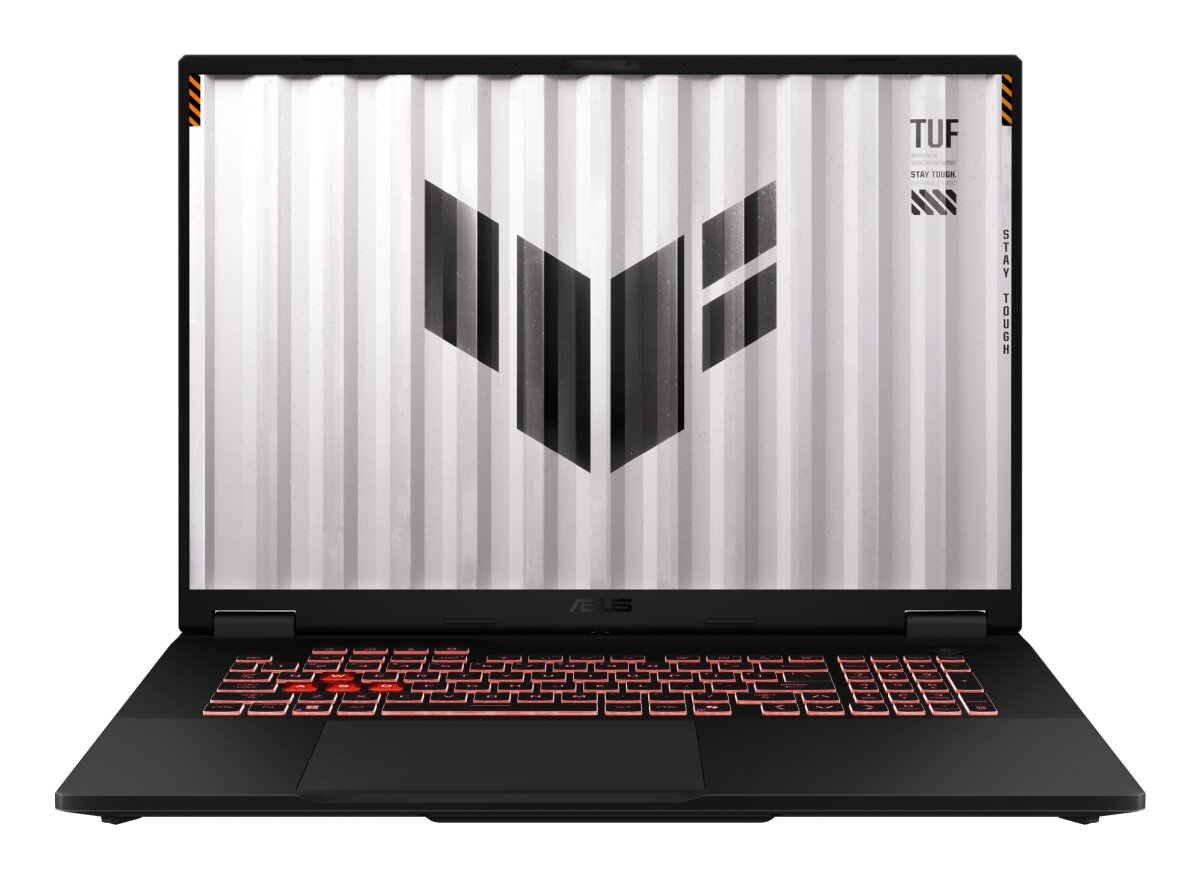
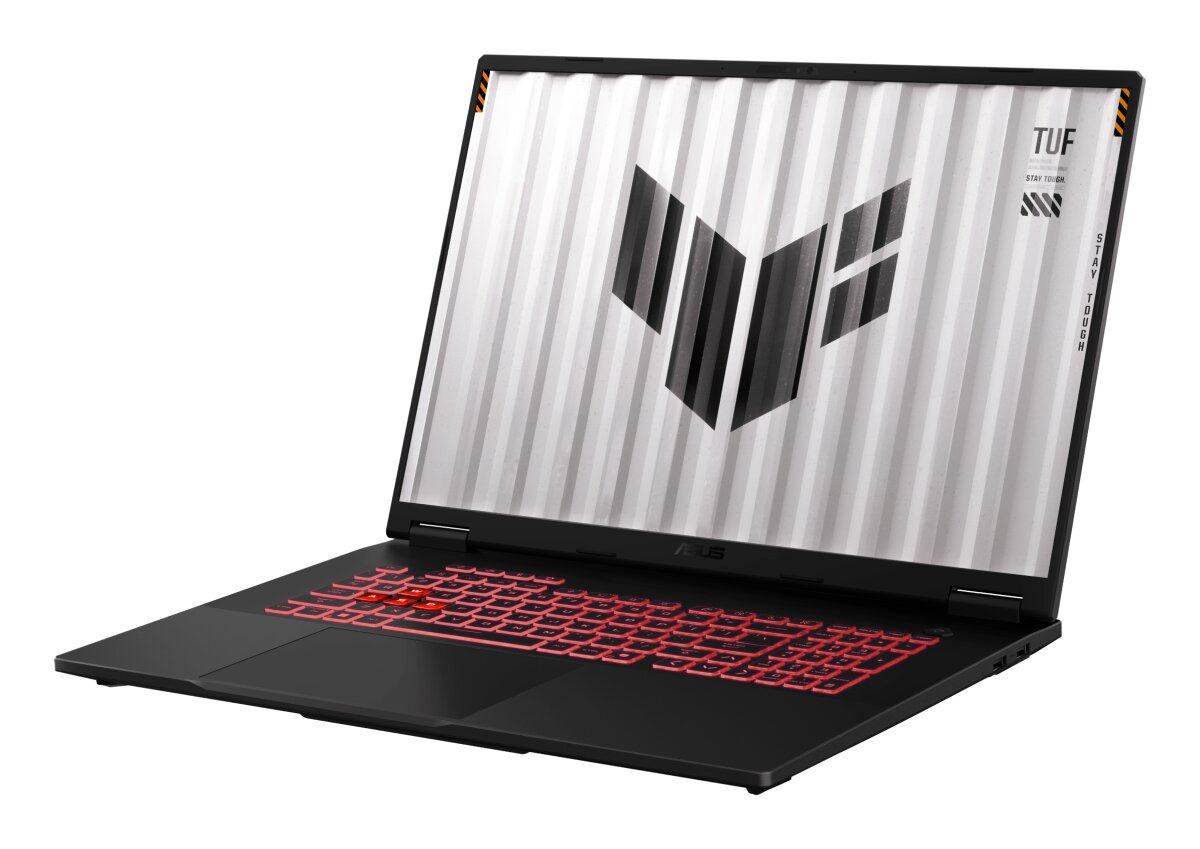
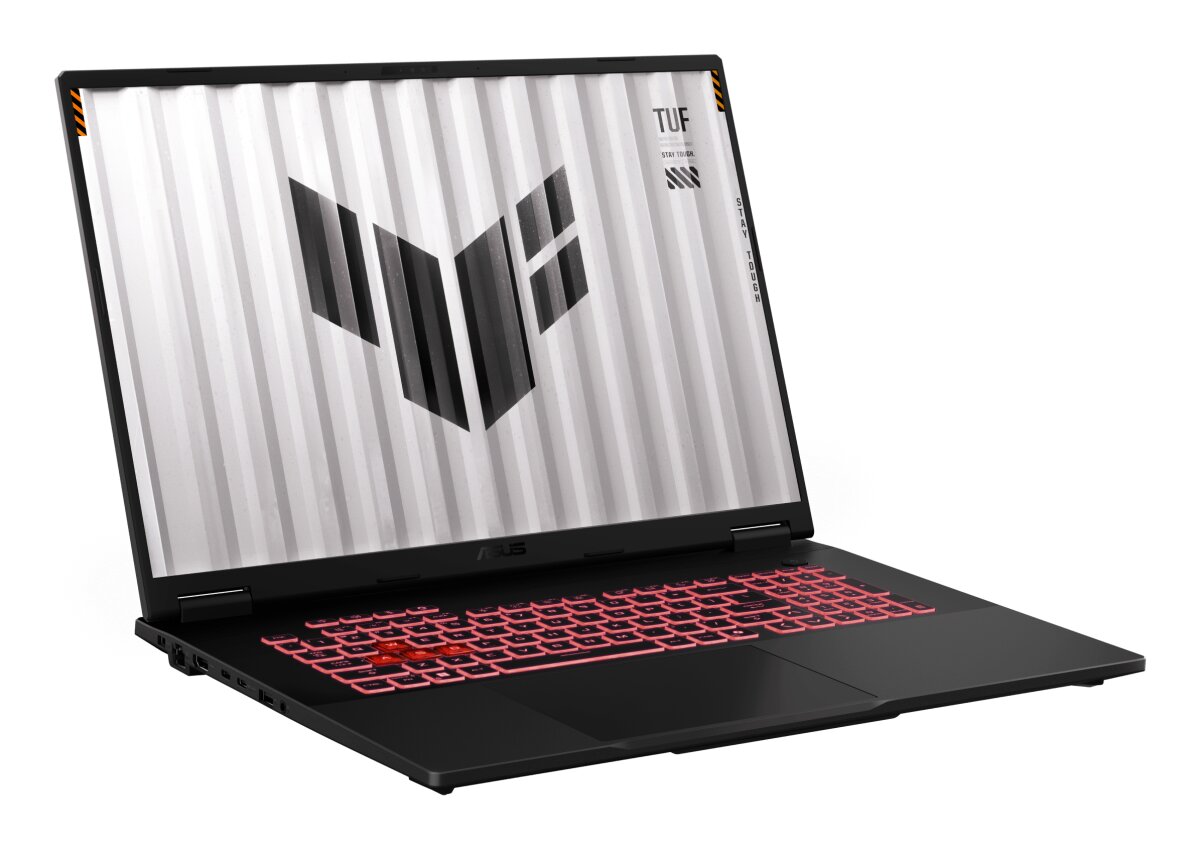
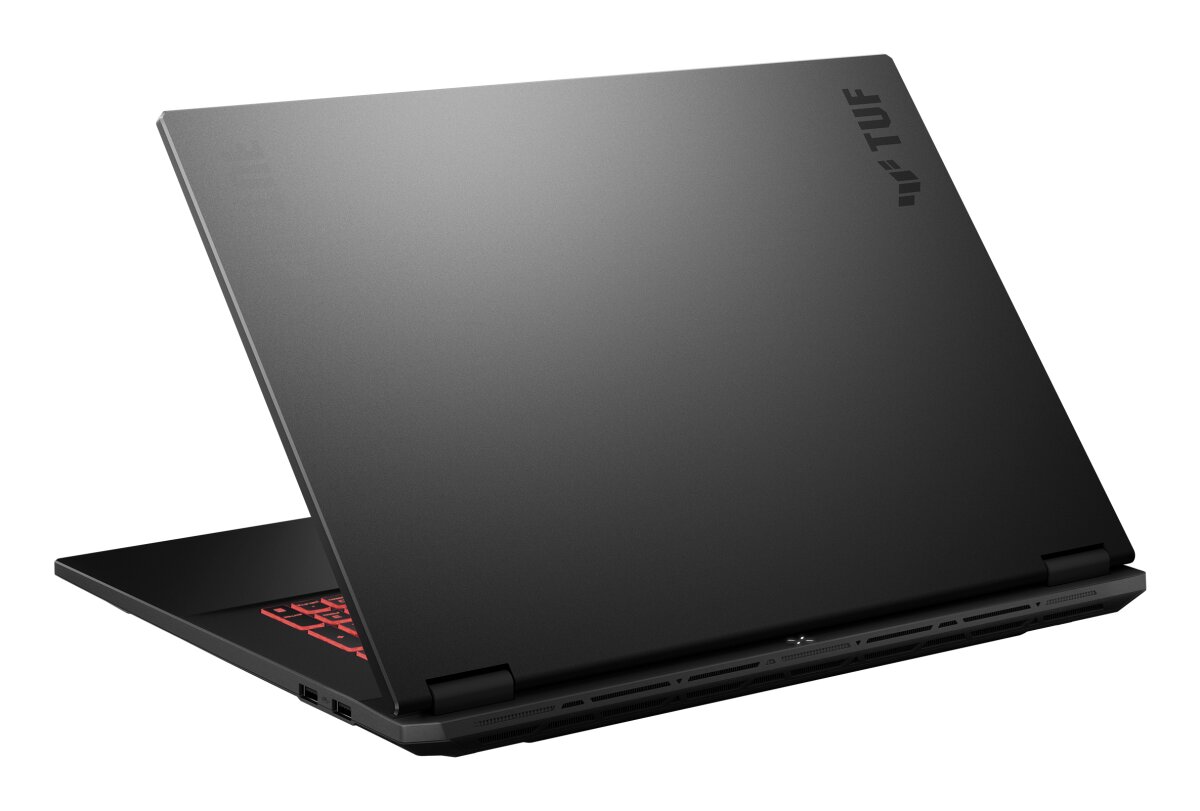
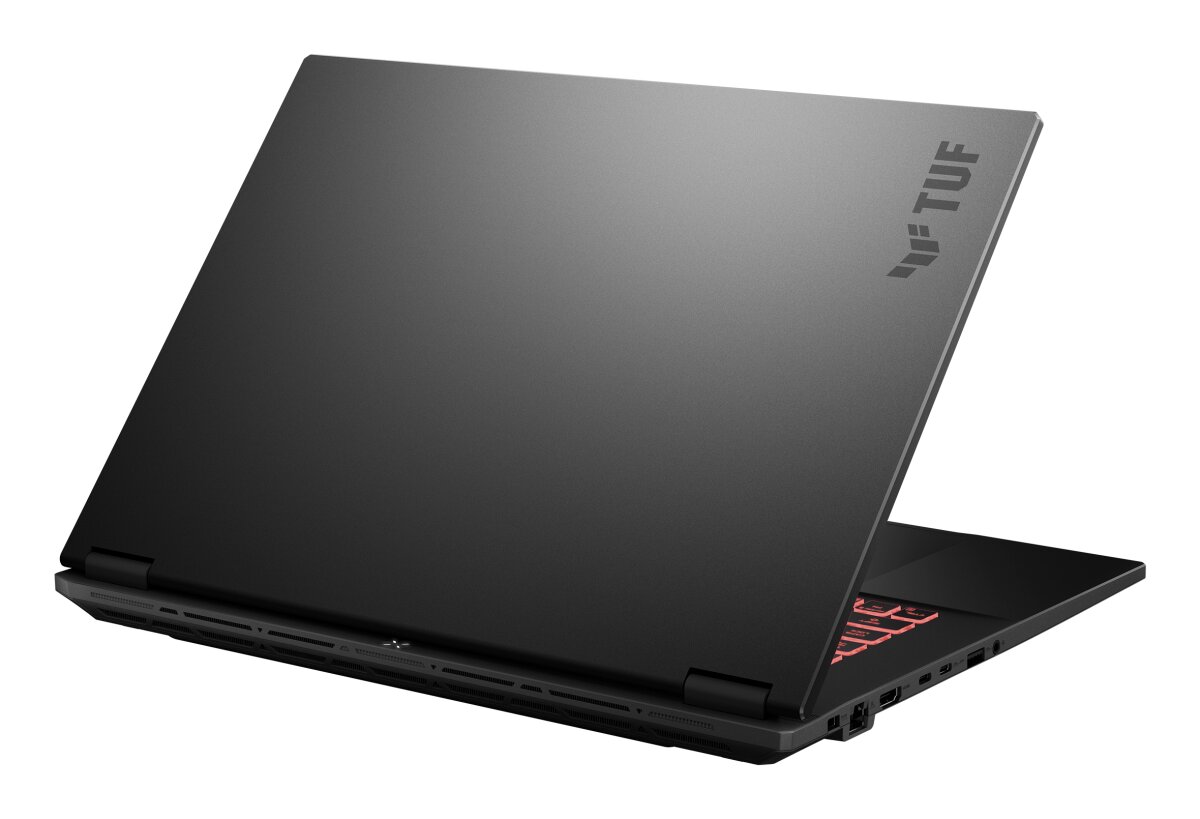
ASUS TUF Gaming A18 series FA808UH-S8013W laptop features two SO-DIMM memory slots supporting DDR5-SDRAM upgrades at 5600 MHz frequency. The machine offers maximum RAM capacity of 64 GB total, allowing users to expand the existing memory configuration. Compatible upgrades utilize standard SO-DIMM form factor modules. Specifications outline the upgrade potential and maximum memory specifications for the FA808UH-S8013W model within the ASUS TUF Gaming A18 family.
Memory Upgrade Specifications
| Specification | Value |
|---|---|
| Memory slots | 2x SO-DIMM |
| Form factor | SO-DIMM |
| Memory type | DDR5-SDRAM |
| Frequency | 5600 MHz |
| Maximum RAM | 64 GB |
| Voltage | 1.1V |
| Number of pins | 262-pin |
| Interface | PC5 |
| PC Speed Rating | PC5-5600 (PC5-44800) |
| Bandwidth | 44.8 GB/s |
Additional Notes
- Dual channel architecture requires matching memory modules in both slots to maximize the available memory bandwidth and prevent system latency during heavy gaming workloads.
- The high clock frequency suggests a requirement for chips with specific timing profiles to maintain stability at 5600 MHz without triggering automatic downclocking.
- Internal access for memory replacement on the ASUS TUF Gaming FA808UH-S8013W necessitates removing the entire bottom panel which exposes sensitive surface mounted components to potential electrostatic discharge.
- Support for 64 GB of total capacity indicates the motherboard firmware is compatible with high density 32 GB modules but does not guarantee compatibility with non binary memory sizes.
- Using memory modules with lower rated frequencies will result in a performance bottleneck because the system bus will synchronize to the slowest installed stick.
- DDR5 technology operates with on die power management integrated circuits which increases heat generation compared to previous standards and relies on passive airflow within the chassis.
- Physical installation is limited to 262 pin SO-DIMM components and cannot accommodate older DDR4 hardware due to different notch positions and electrical requirements.