ASUS TUF Gaming FA808UH-S8017W RAM upgrade specifications
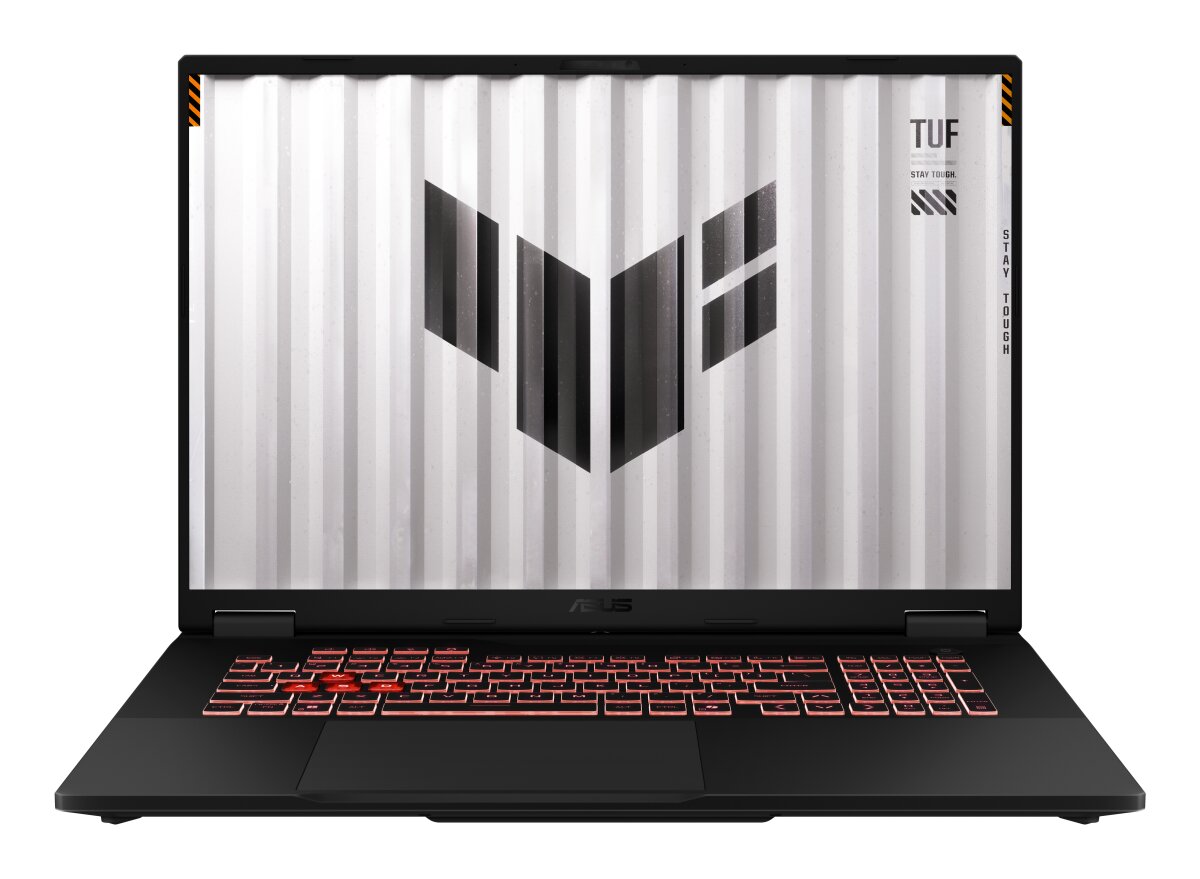
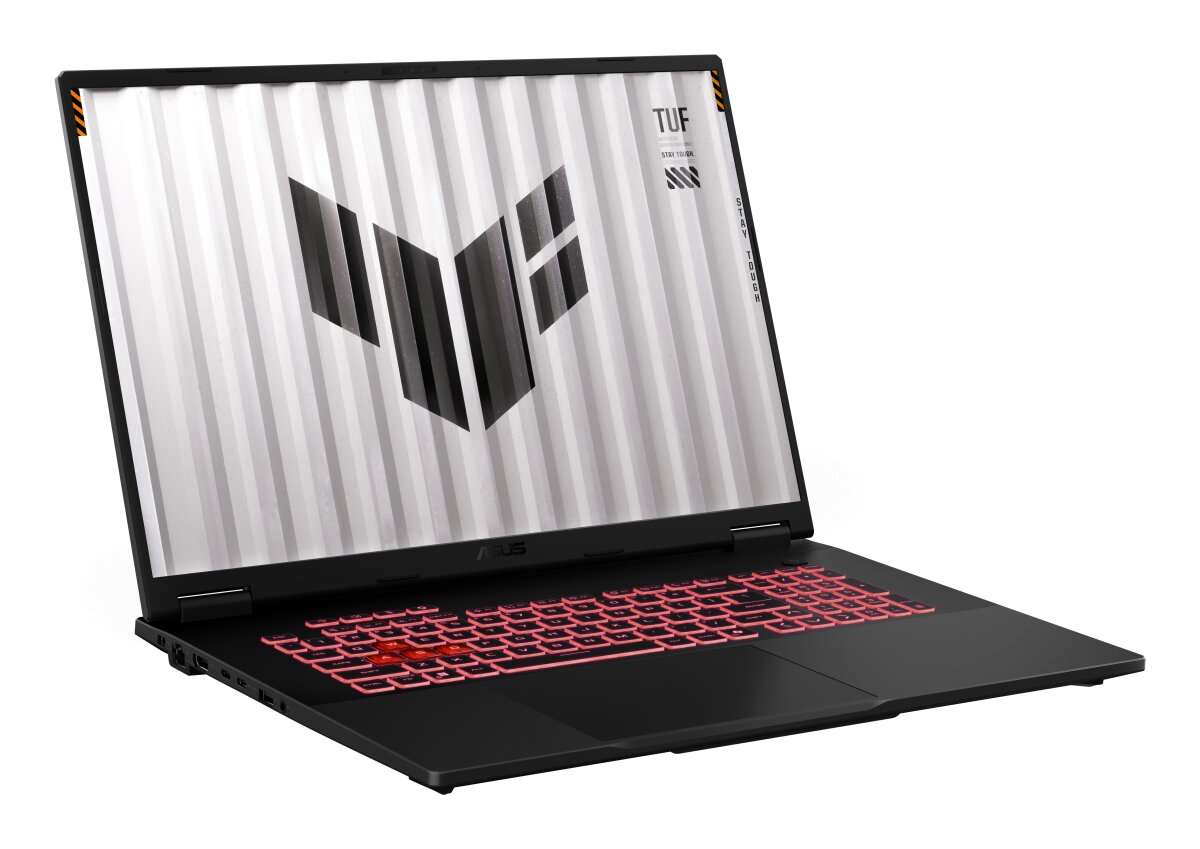
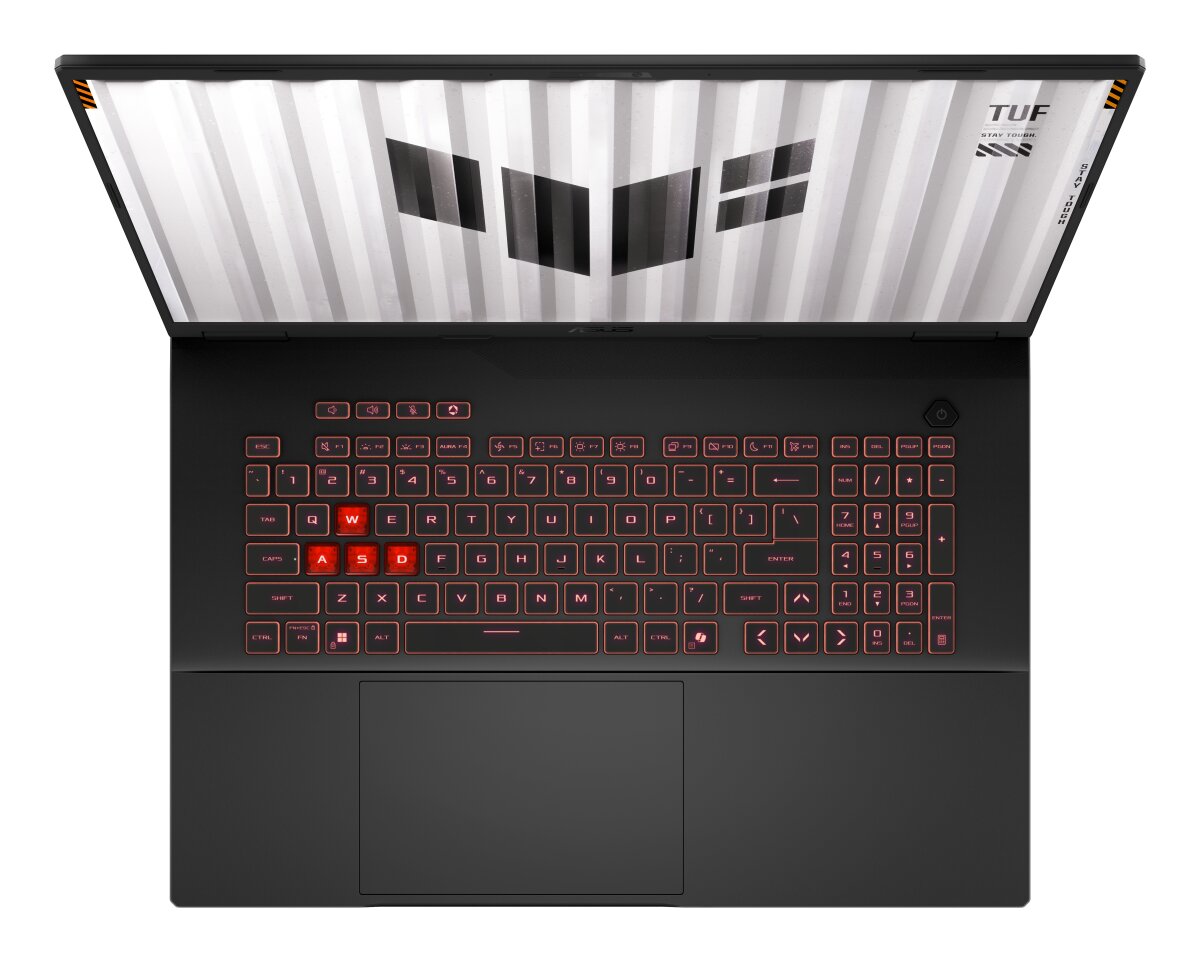
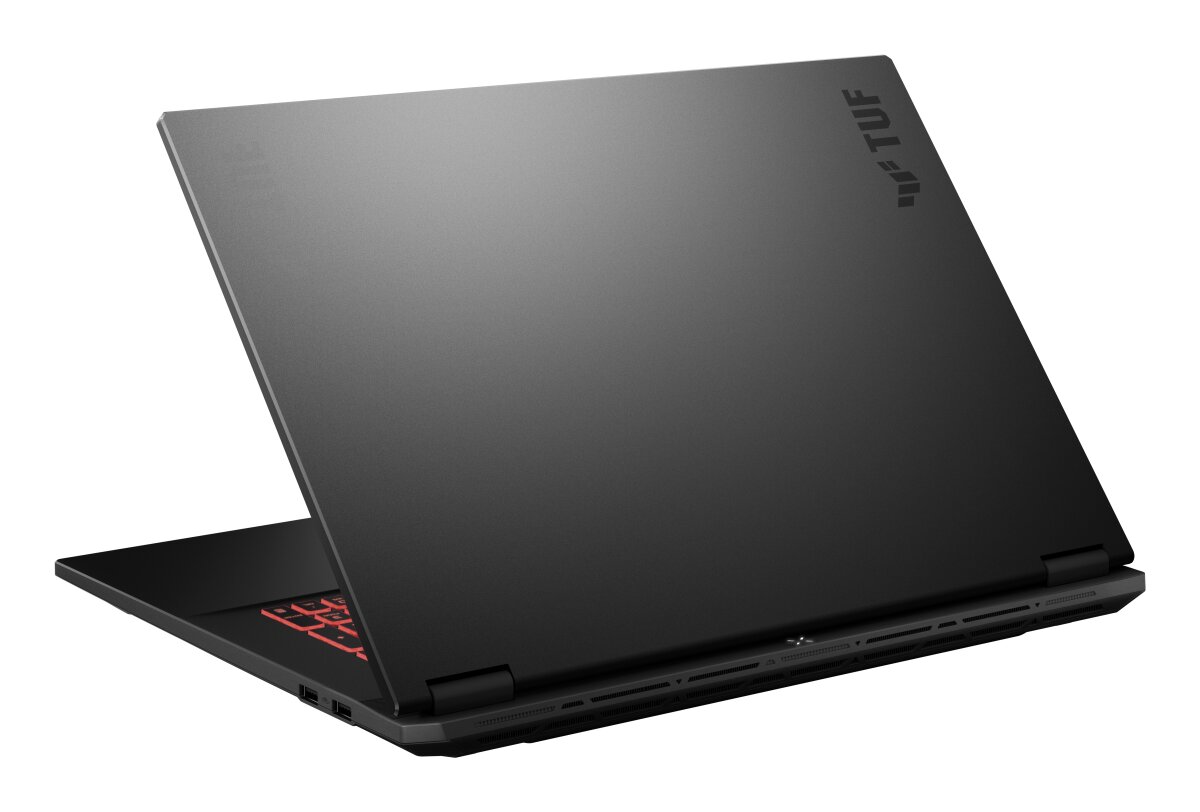
ASUS TUF Gaming A18 FA808UH-S8017W laptop contains 2x SO-DIMM memory slots supporting DDR5-SDRAM upgrade capacity. Maximum RAM capacity reaches 64 GB with DDR5-5600 MHz specifications. Compatible memory modules utilize SO-DIMM form factor for this gaming model. Upgrade slots accommodate DDR5 memory specifications meeting ASUS FA808UH-S8017W compatibility requirements.
Memory Upgrade Specifications
| Specification | Value |
|---|---|
| Memory slots | 2x SO-DIMM |
| Form factor | SO-DIMM |
| Memory type | DDR5-SDRAM |
| Frequency | 5600 MHz |
| Maximum RAM | 64 GB |
| Voltage | 1.1V |
| Number of pins | 262-pin |
| Interface | PC5 |
| PC Speed Rating | PC5-5600 (PC5-44800) |
| Bandwidth | 44.8 GB/s |
Additional Notes
- DDR5 SO-DIMM modules operate at 5600 MHz native speed, which establishes a performance floor for replacement memory. Modules rated below this frequency will either downclock to match the lower speed or may not initialize properly, resulting in reduced bandwidth efficiency relative to the system's design specifications.
- The 2-slot configuration on the ASUS TUF Gaming FA808UH-S8017W creates a single upgrade pathway to 64 GB maximum capacity. Populating both slots with 32 GB modules represents the only viable path to the capacity ceiling; partial upgrades using single higher-density modules leave one slot unutilized and cannot be expanded further without replacing existing memory.
- SO-DIMM physical constraints restrict module height to approximately 30 mm, which may conflict with tall aftermarket CPU coolers if they extend into the memory bay area. Verification of cooler clearance against installed memory modules is necessary before purchasing replacement modules with tall heat spreaders.
- Memory latency specifications (CAS latency, tRCD, tRP values) are not stated in the provided data. Purchasing DDR5-5600 modules with significantly higher latency than the original equipment configuration may introduce measurable performance degradation in memory-intensive workloads, despite matching the frequency specification.
- DDR5 modules with Intel XMP 3.0 or AMD EXPO profiles rated above 5600 MHz will require manual BIOS configuration to operate at their rated speeds. Running such modules at JEDEC standard 5600 MHz negates the performance advantage of premium memory pricing, making native-frequency modules economically preferable.