ASUS TUF Gaming FA808UH-S8061W RAM upgrade specifications
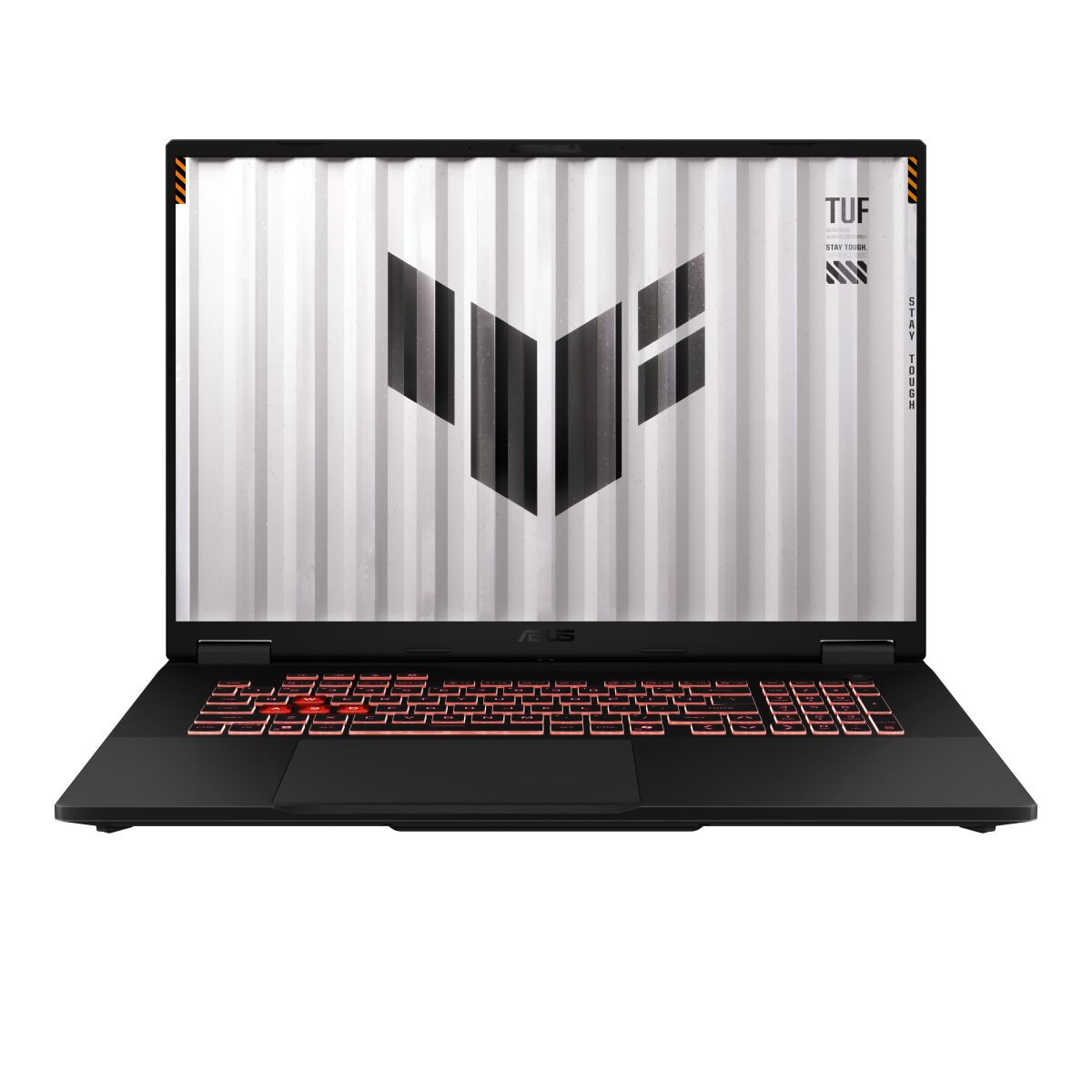
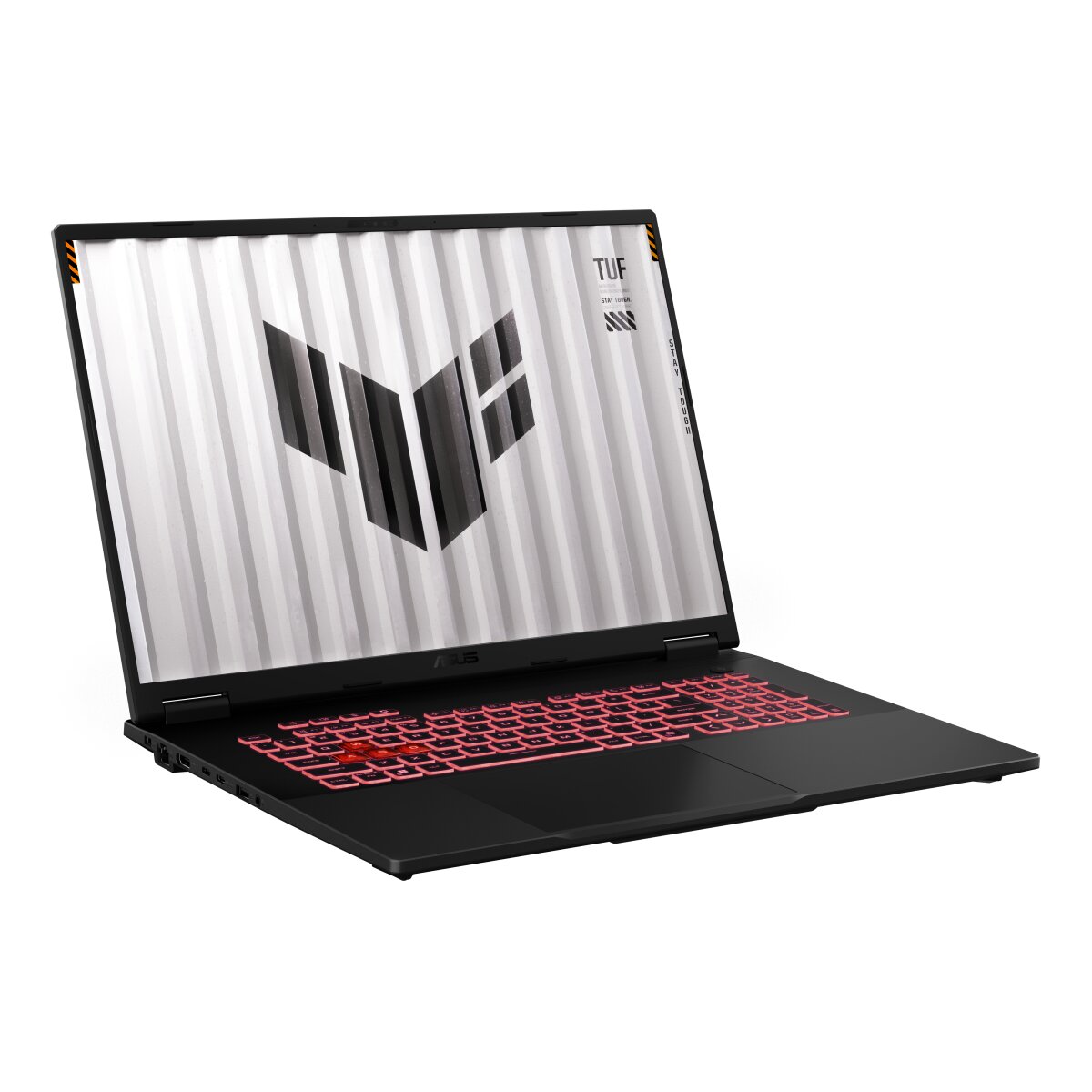
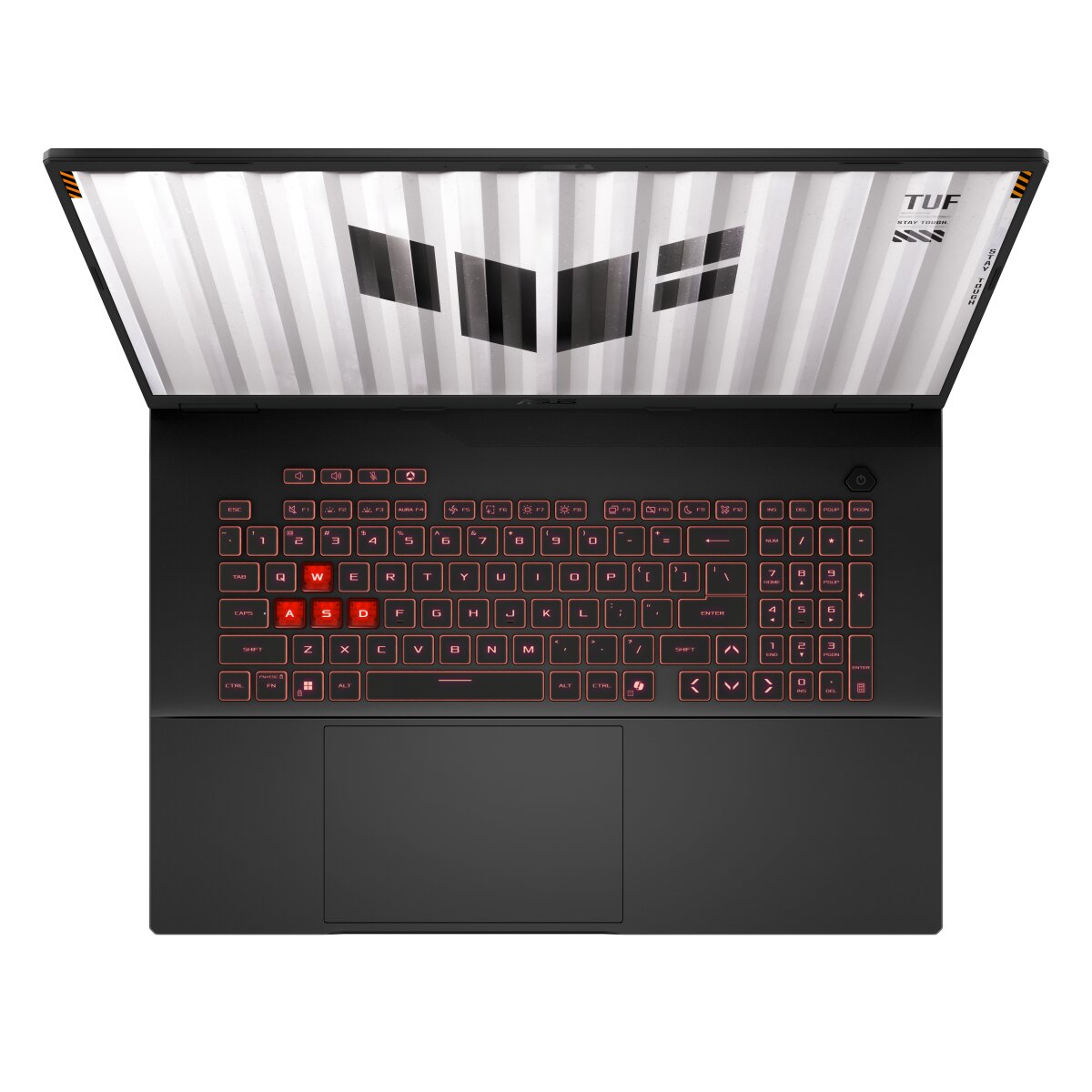
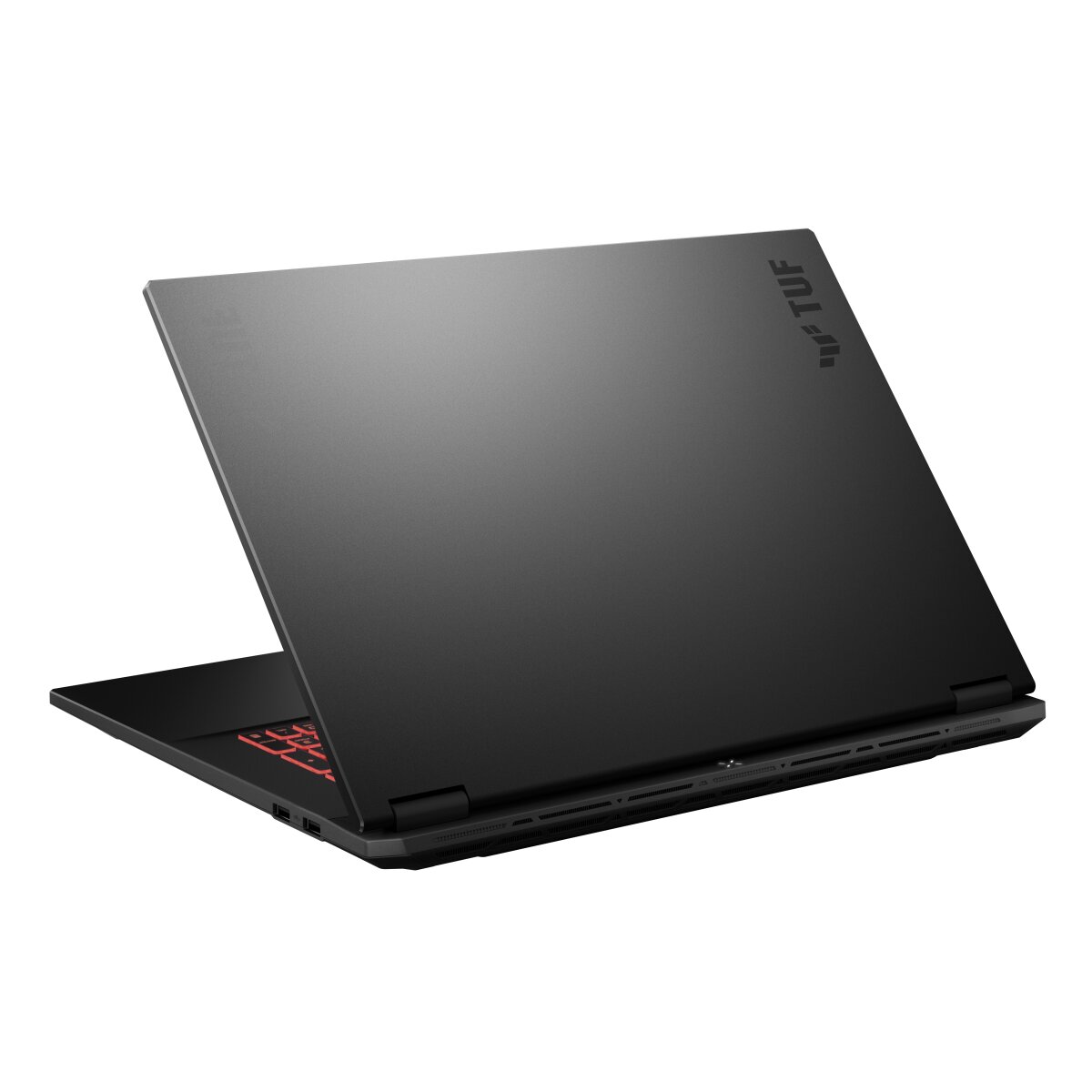
ASUS TUF Gaming A18 FA808UH-S8061W laptop features DDR5-SDRAM memory configuration with two SO-DIMM slots supporting maximum capacity of 64 GB. Upgrade specifications include DDR5-5600 MHz frequency compatibility. The portable system accommodates memory expansion through dual SO-DIMM slots, enabling users to upgrade from base configuration to maximum 64 GB total RAM capacity. Compatible memory modules must meet DDR5-SDRAM specifications at 5600 MHz frequency operating speed for proper system functionality and optimal performance.
Memory Upgrade Specifications
| Specification | Value |
|---|---|
| Memory slots | 2x SO-DIMM |
| Form factor | SO-DIMM |
| Memory type | DDR5-SDRAM |
| Frequency | 5600 MHz |
| Maximum RAM | 64 GB |
| Voltage | 1.1V |
| Number of pins | 262-pin |
| Interface | PC5 |
| PC Speed Rating | PC5-5600 (PC5-44800) |
| Bandwidth | 44.8 GB/s |
Additional Notes
- The ASUS TUF Gaming FA808UH-S8061W supports DDR5 modules exclusively, eliminating backward compatibility with DDR4 or earlier standards due to distinct notch positioning and voltage requirements.
- The 64 GB ceiling requires both slots populated with 32 GB modules, as single-slot operation would halve available capacity regardless of module density.
- Operating at 5600 MHz demands modules rated at this exact speed or higher, though faster specifications will downclock to match the system-defined limit, potentially wasting premium pricing.
- Dual SO-DIMM configuration enables dual-channel bandwidth at 89.6 GB/s theoretical throughput when matched modules occupy both slots, while asymmetric pairing forces single-channel operation and halves data transfer rates.
- DDR5 architecture requires on-die ECC functionality within the module itself, independent of traditional ECC validation, affecting signal integrity at speeds exceeding 4800 MHz.
- Thermal considerations arise when densely populated modules generate heat within the confined laptop chassis, particularly during sustained memory-intensive workloads where passive airflow may prove insufficient.
- Mixing module capacities between slots maintains functionality but disables performance-optimizing features like rank interleaving, creating potential latency penalties during memory allocation.
- The SO-DIMM standard restricts physical clearance to approximately 30mm in height, excluding server-grade modules with extended heatspreaders designed for desktop U-DIMM sockets.
- Warranty preservation typically requires adherence to vendor-specified memory types, as non-certified modules may void coverage despite physical compatibility with the slot interface.
- Power delivery differences between JEDEC-standard 1.1V DDR5 and performance-oriented XMP profiles above 1.25V may exceed motherboard voltage regulator tolerances in mobile platforms.