ASUS TUF Gaming FA808UH-S8076W RAM upgrade specifications



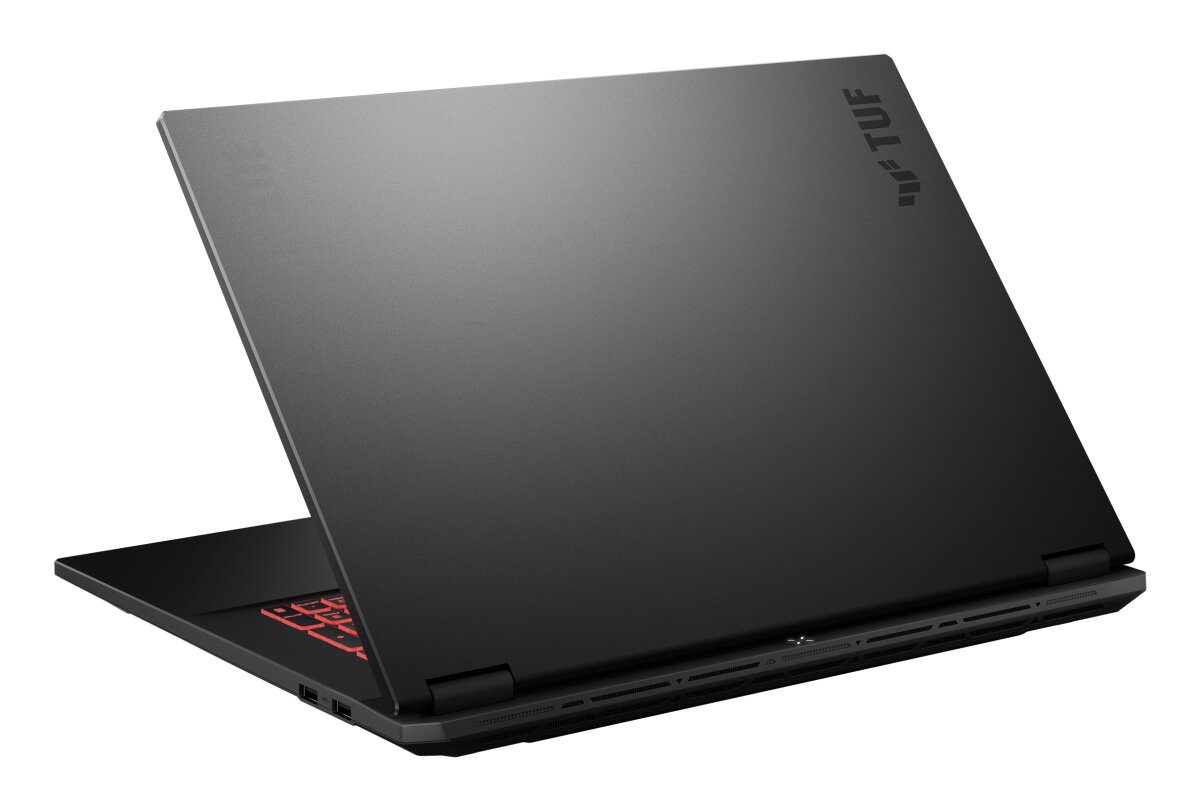
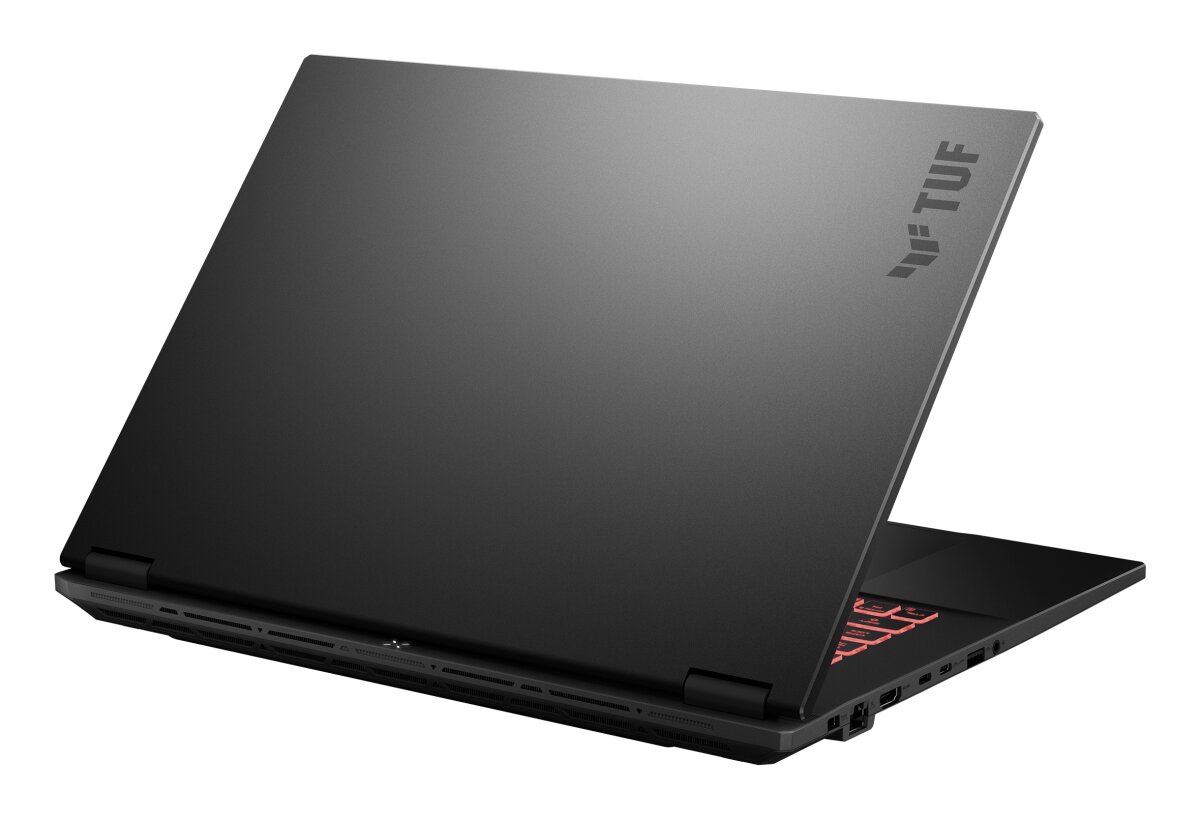
ASUS TUF Gaming A18 FA808UH-S8076W laptop accommodates DDR5-SDRAM memory upgrades through 2x SO-DIMM slots. The system supports maximum RAM capacity of 64 GB, with compatible modules operating at 5600 MHz frequency. SO-DIMM form factor specifications enable memory expansion for enhanced multitasking and performance capabilities on compatible configurations.
Memory Upgrade Specifications
| Specification | Value |
|---|---|
| Memory slots | 2x SO-DIMM |
| Form factor | SO-DIMM |
| Memory type | DDR5-SDRAM |
| Frequency | 5600 MHz |
| Maximum RAM | 64 GB |
| Voltage | 1.1V |
| Number of pins | 262-pin |
| Interface | PC5 |
| PC Speed Rating | PC5-5600 (PC5-44800) |
| Bandwidth | 44.8 GB/s |
Additional Notes
- The ASUS TUF Gaming FA808UH-S8076W accepts only DDR5 modules, eliminating backward compatibility with DDR4 or earlier generation memory standards due to different pin configurations and voltage requirements.
- The 5600 MHz frequency specification indicates native JEDEC support without requiring XMP profile activation, though actual operating speed depends on processor memory controller capabilities.
- SO-DIMM form factor limits thermal dissipation compared to full-size DIMMs, making heat spreader designs less effective for sustained high-frequency operation.
- The 64 GB ceiling requires 2x32 GB module configuration, as no higher density SO-DIMM modules currently exist in DDR5 standard for consumer applications.
- Dual-channel architecture implementation through the 2 slots enables full bandwidth utilization only when both slots contain identical specification modules.
- Single-rank versus dual-rank module selection affects memory interleaving performance, with dual-rank configurations potentially offering 5-10% throughput improvement in memory-intensive workloads.
- CAS latency timings become increasingly critical at 5600 MHz operation, where CL40 versus CL46 modules produce measurable differences in random access patterns.
- Mixing module capacities triggers asymmetric memory mode, where only the matching capacity portion operates in dual-channel while excess capacity runs in lower-performance single-channel mode.
- Non-ECC unbuffered module requirement means error correction capability remains absent, making the system unsuitable for applications requiring memory integrity verification.
- Voltage regulation at 1.1V nominal for DDR5 occurs on-module through PMIC rather than motherboard delivery, affecting compatibility with legacy power management implementations.
- Warranty preservation typically requires avoiding module removal if factory-installed memory remains soldered, which some gaming laptop configurations implement for base capacity.