ASUS TUF Gaming FA808UM-DS76-CA RAM upgrade specifications

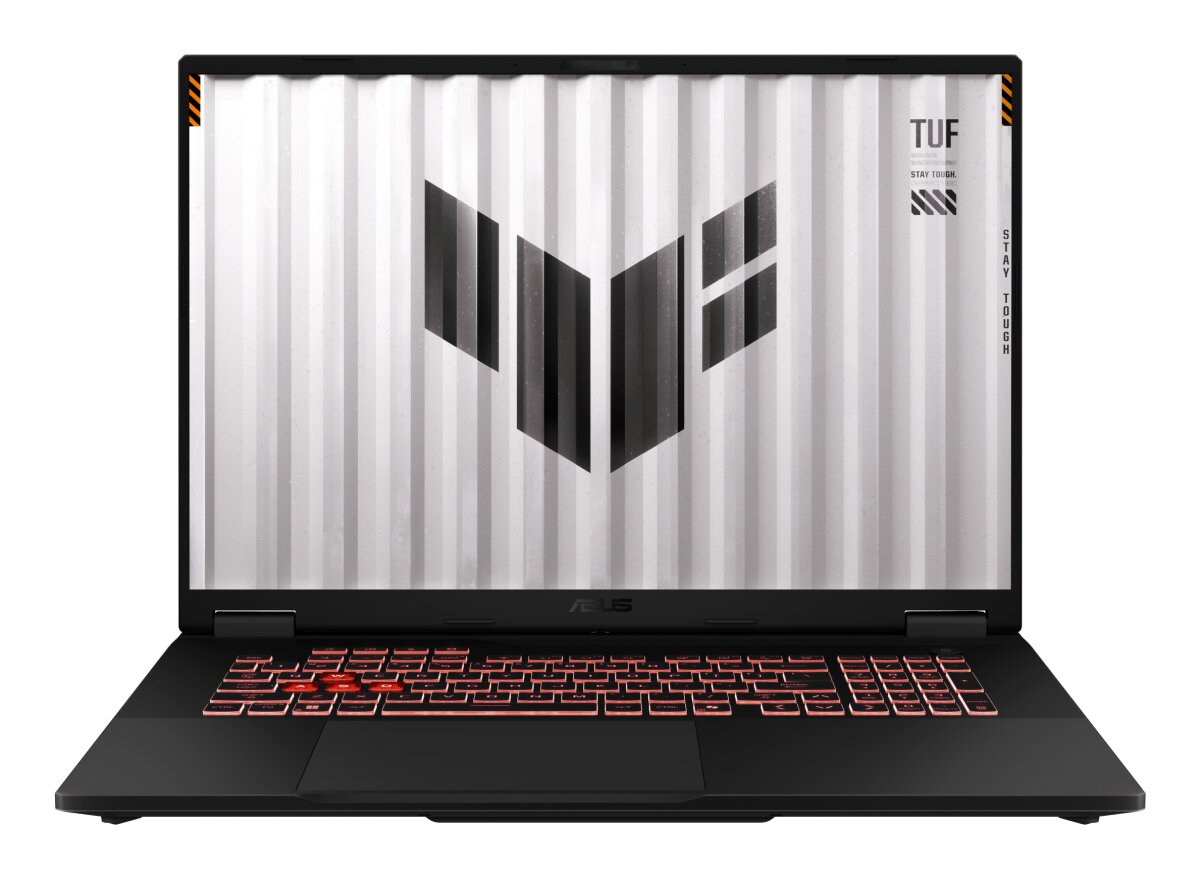
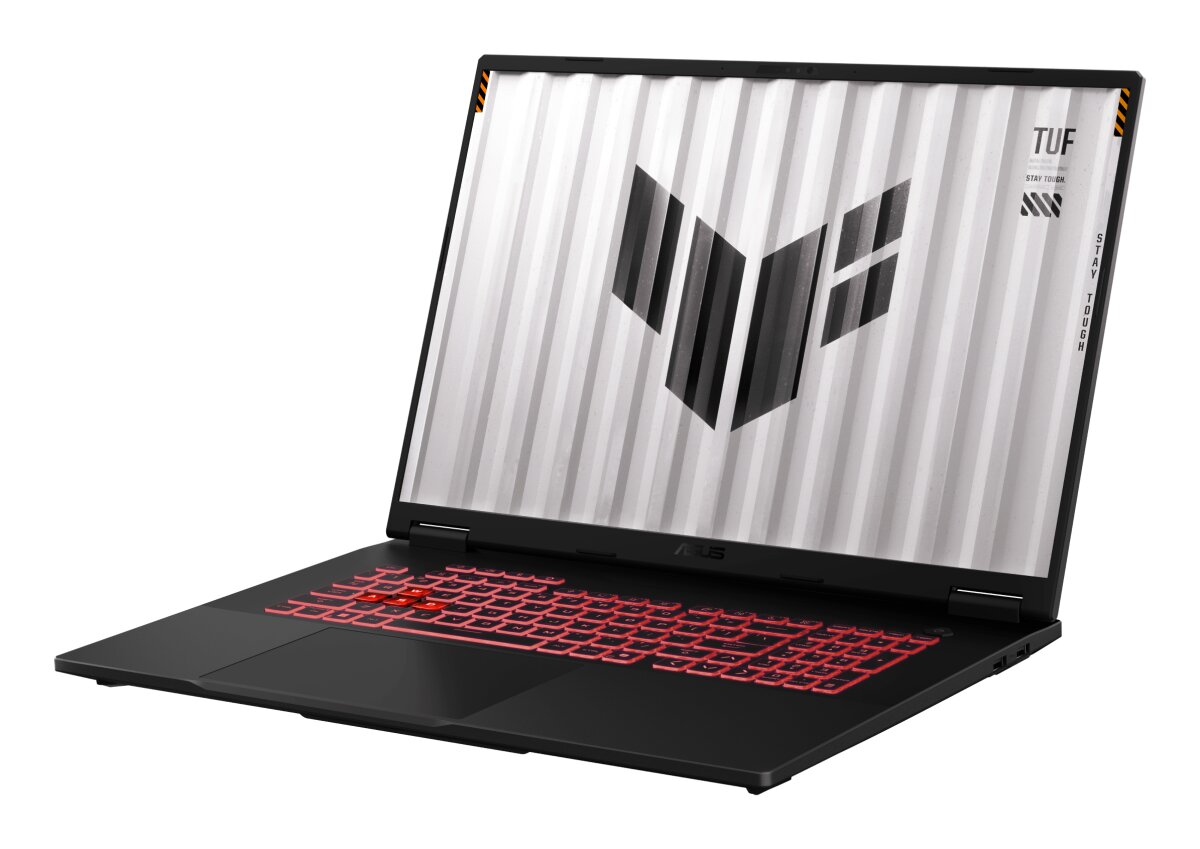
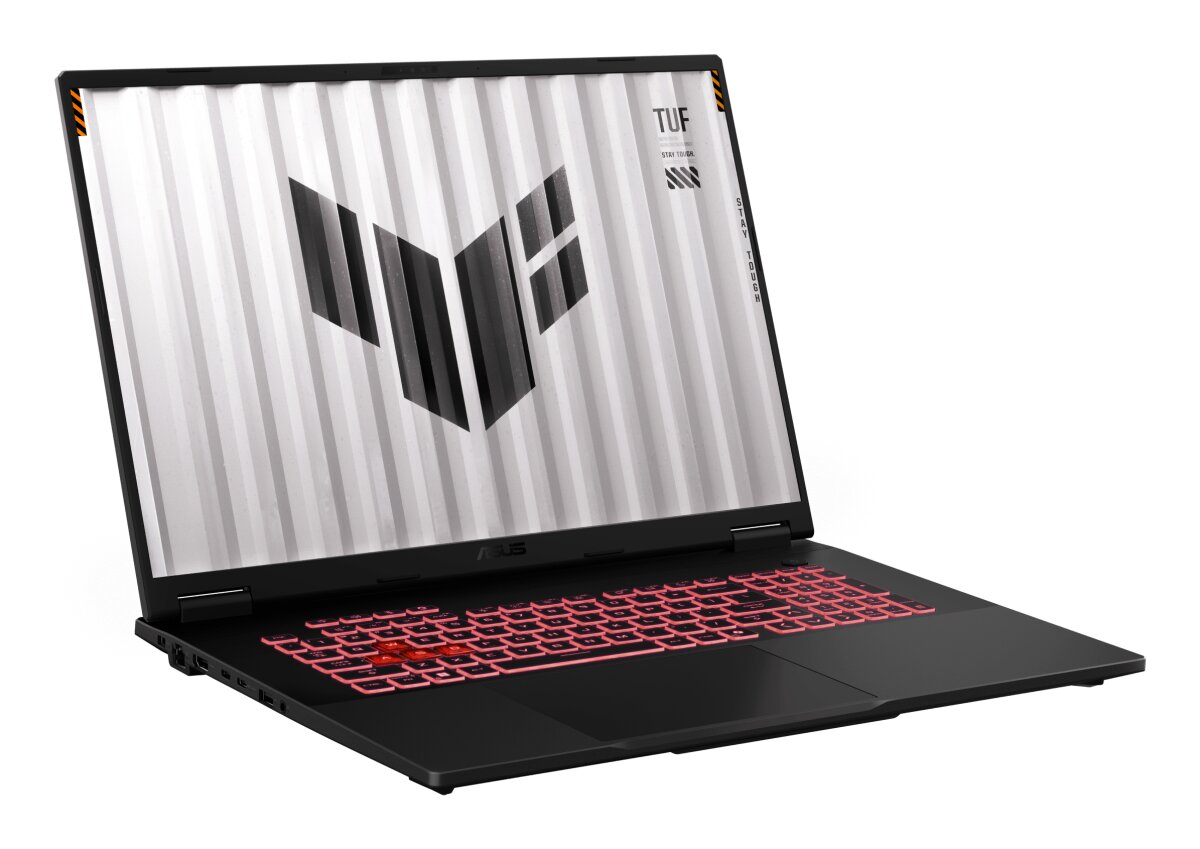
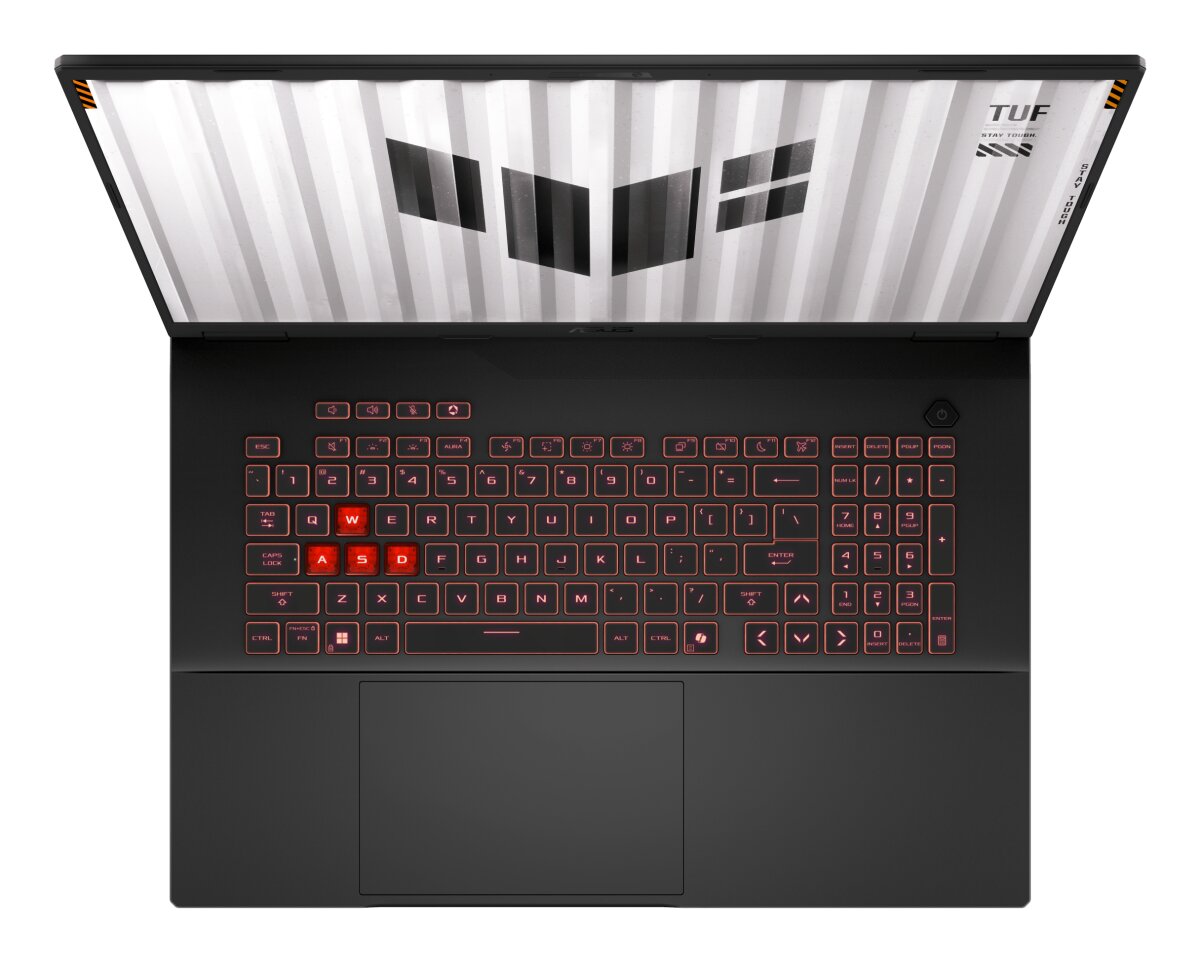
ASUS TUF Gaming A18 model FA808UM-DS76-CA contains two SO-DIMM memory slots supporting DDR5-SDRAM modules. The laptop RAM upgrade specifications indicate maximum memory capacity of 64 GB total, with compatible modules operating at 5600 MHz frequency. Each slot accommodates single SO-DIMM form factor memory upgrades. The system specifications support DDR5 memory technology for enhanced performance and compatibility with the laptop's processor and chipset architecture.
Memory Upgrade Specifications
| Specification | Value |
|---|---|
| Memory slots | 2x SO-DIMM |
| Form factor | SO-DIMM |
| Memory type | DDR5-SDRAM |
| Frequency | 5600 MHz |
| Maximum RAM | 64 GB |
| Voltage | 1.1V |
| Number of pins | 262-pin |
| Interface | PC5 |
| PC Speed Rating | PC5-5600 (PC5-44800) |
| Bandwidth | 44.8 GB/s |
Additional Notes
- Dual channel architecture in the ASUS TUF Gaming FA808UM-DS76-CA requires installing matching module pairs to achieve full memory bandwidth and prevent synchronous latency issues.
- The presence of 2 physical SO-DIMM slots confirms that reaching the maximum capacity requires the replacement of existing modules rather than simple addition.
- Utilizing high density 32 GB modules to reach the 64 GB limit involves significant heat accumulation within the memory bank area during sustained processing loads.
- Mixing modules with different rated timings will force the system to default to the slowest common denominator, potentially causing stability failures at the 5600 MHz frequency.
- Non-ECC DDR5 modules lack the thermal sensors found on industrial counterparts, necessitating adequate airflow from the internal cooling system for stable 1.1V operation.
- The integrated memory controller on the processor dictates the actual operational speed regardless of the maximum theoretical frequency supported by the physical slots.
- Accessing the memory slots involves removing the base chassis panel which typically requires the use of non-marring tools to avoid cosmetic damage to the plastic specialized clips.
- Legacy DDR4 modules are physically incompatible due to the repositioned alignment notch on the 262-pin DDR5 interface.