ASUS TUF Gaming FA808UM-S8013W RAM upgrade specifications

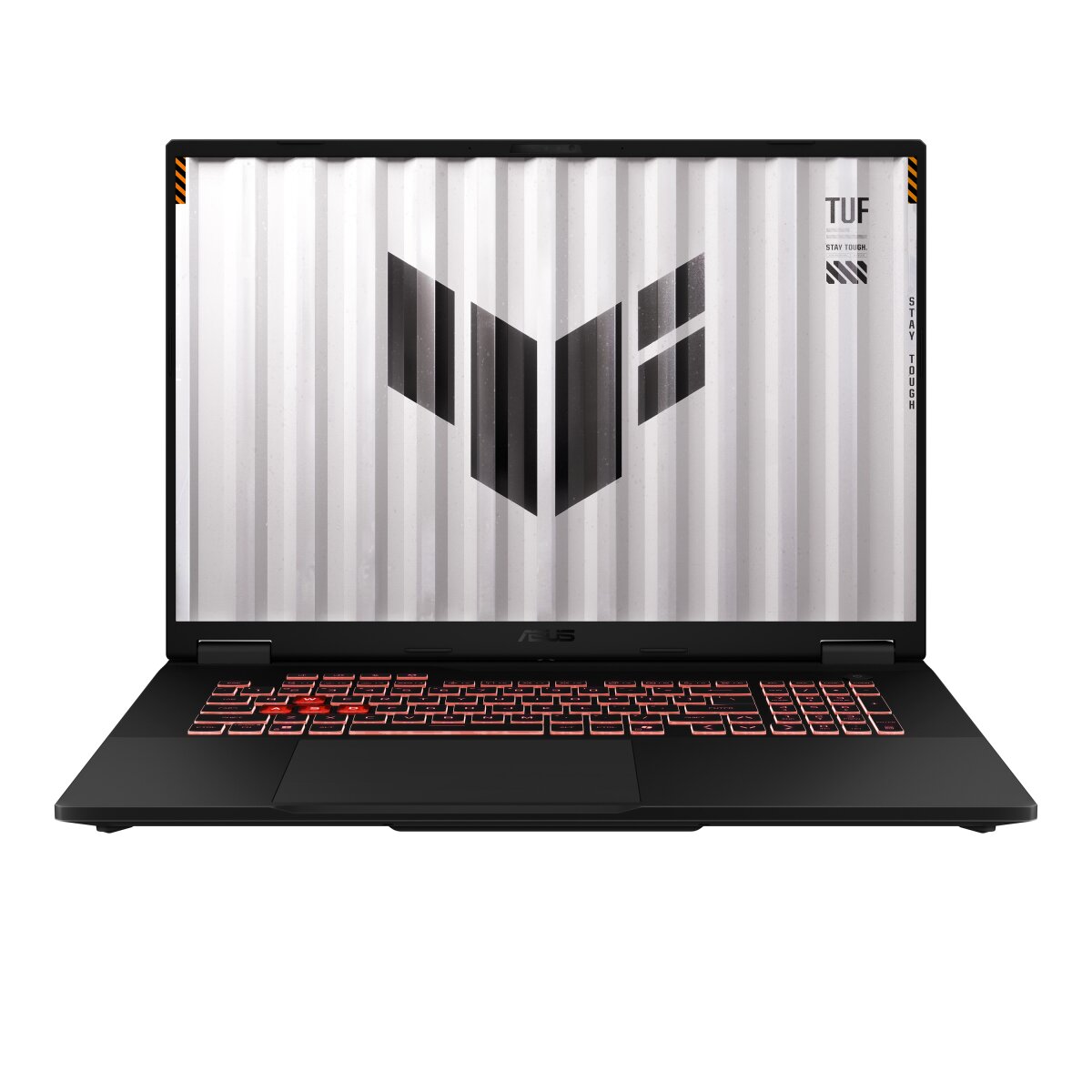
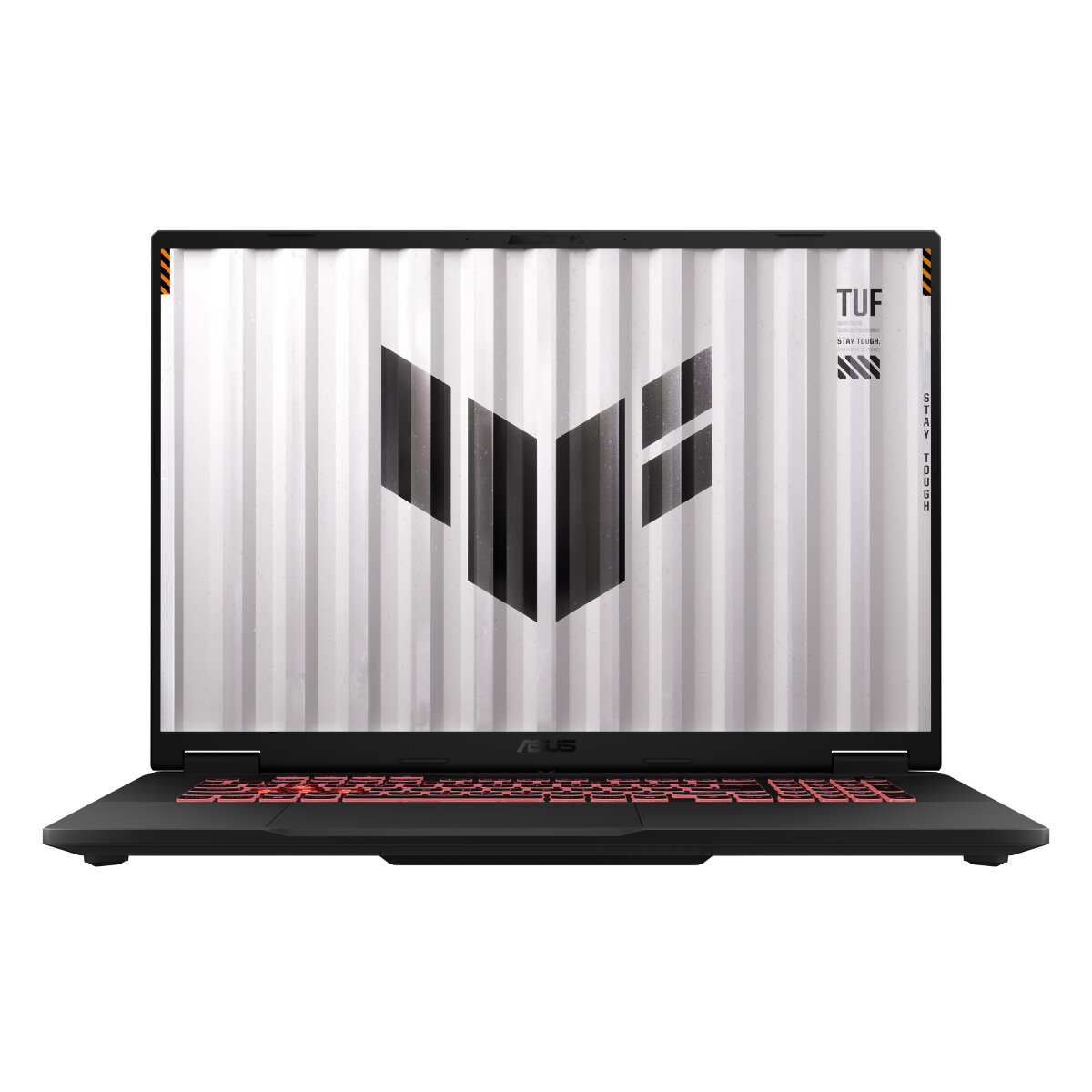


ASUS TUF Gaming A18 model FA808UM-S8013W features DDR5-SDRAM memory upgrade capability with two SO-DIMM slots supporting maximum capacity of 64 GB RAM. Compatible memory modules operate at 5600 MHz frequency. Specifications allow for RAM expansion using DDR5 SO-DIMM form factor modules, enabling enhanced system performance and multitasking capacity. Upgrade slots accommodate standard DDR5 memory configurations for this gaming laptop series.
Memory Upgrade Specifications
| Specification | Value |
|---|---|
| Memory slots | 2x SO-DIMM |
| Form factor | SO-DIMM |
| Memory type | DDR5-SDRAM |
| Frequency | 5600 MHz |
| Maximum RAM | 64 GB |
| Voltage | 1.1V |
| Number of pins | 262-pin |
| Interface | PC5 |
| PC Speed Rating | PC5-5600 (PC5-44800) |
| Bandwidth | 44.8 GB/s |
| Laptop Release date | 19 May 2025 |
Additional Notes
- DDR5 modules operate at a higher base voltage of 1.1V compared to DDR4's 1.2V, which contributes to reduced heat generation under sustained gaming loads.
- The ASUS TUF Gaming FA808UM-S8013W's dual-channel SO-DIMM configuration requires matched pairs for optimal memory interleaving, where mismatched capacity or speed ratings will force the controller to downclock to the lowest common specification.
- 5600 MHz represents a JEDEC-standard speed for DDR5, ensuring broader compatibility with third-party modules without requiring XMP profile activation.
- The 64 GB ceiling indicates controller support for 32 GB density modules, which utilize advanced 16Gbit die configurations not available in earlier DDR5 production runs.
- SO-DIMM installation typically involves a 30-degree insertion angle followed by downward pressure until retention clips engage, with improper seating causing POST failures or single-channel fallback operation.
- DDR5's on-module power management IC (PMIC) increases per-stick component count, making physical damage during installation more consequential than with DDR4 architectures.
- Memory bandwidth scales linearly with populated slots, where a single 32 GB module operates at half the theoretical throughput of dual 16 GB sticks despite identical capacity.
- Thermal considerations become relevant above 4800 MHz, as higher frequency DDR5 modules generate measurably more heat that laptop cooling solutions must dissipate alongside CPU and GPU loads.
- The standardized 262-pin SO-DIMM interface prevents cross-generation insertion, physically blocking DDR4 modules through altered notch positioning.
- Warranty preservation typically requires avoiding module configurations exceeding manufacturer-validated specifications, though 64 GB represents the tested maximum rather than a physical limitation.
- Latency penalties from asynchronous memory speeds occur when mixing modules of different frequencies, as the memory controller enforces the lower speed across both channels.