ASUS TUF Gaming FA808UM-S8064 RAM upgrade specifications


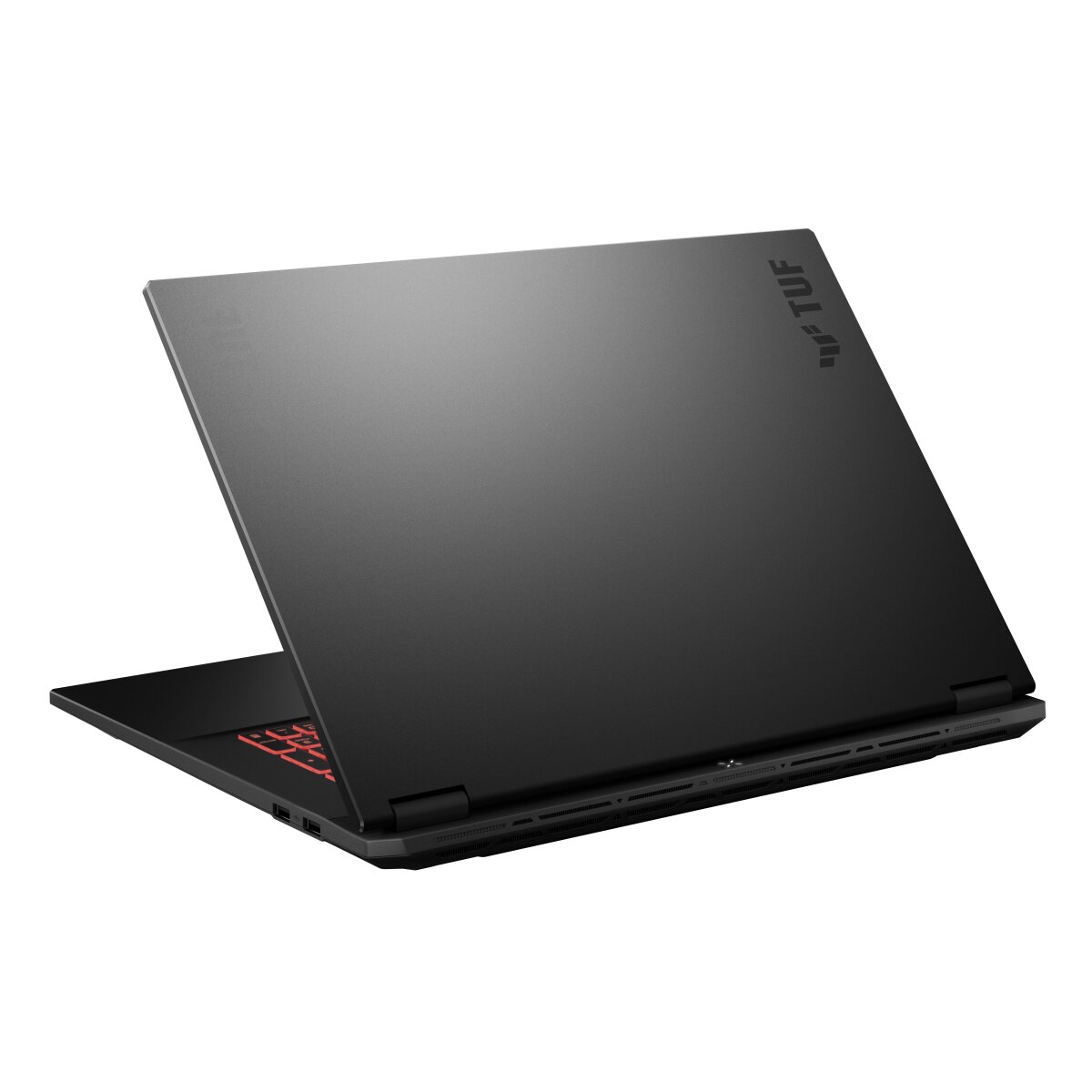
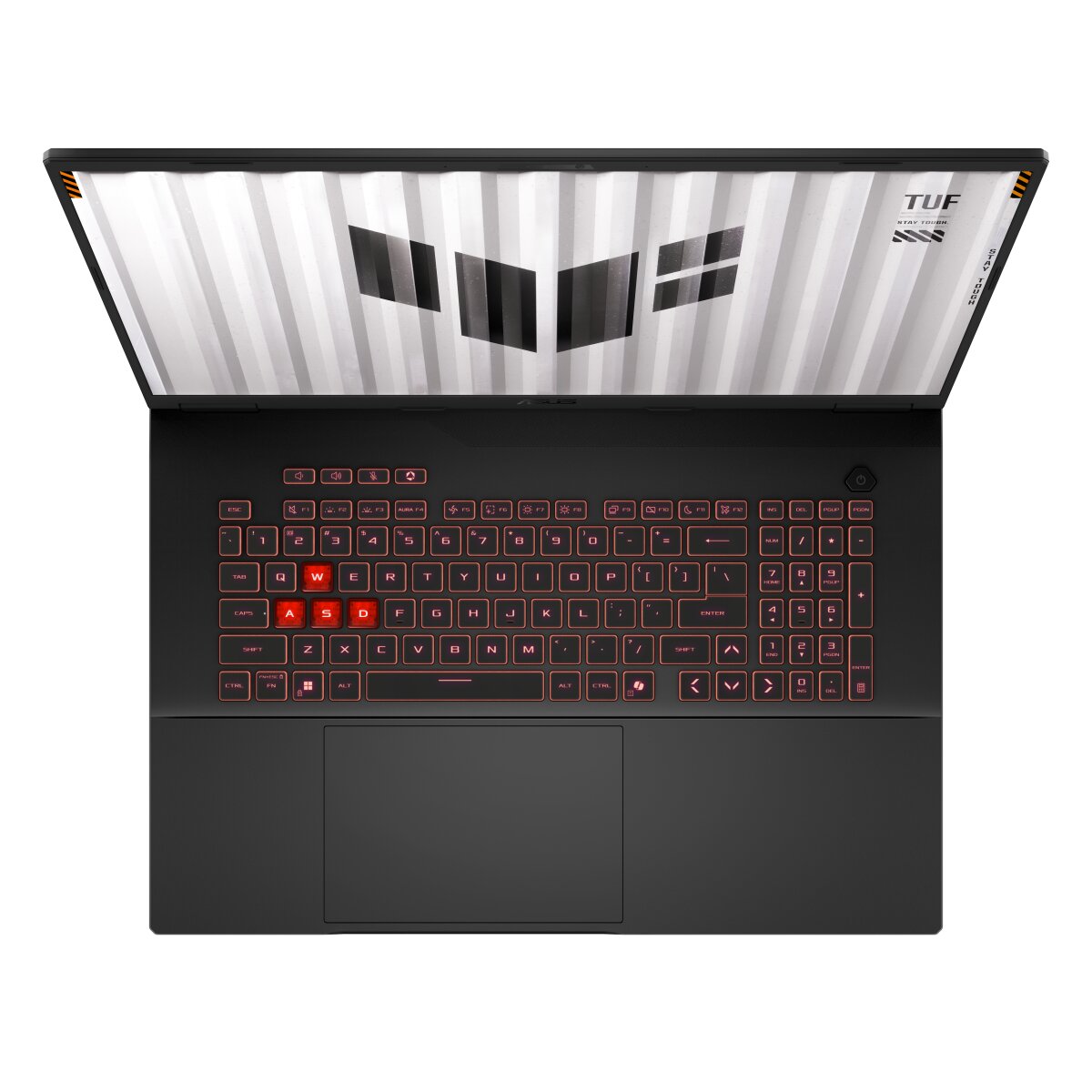
ASUS TUF Gaming A18 FA808UM-S8064 laptop supports DDR5-SDRAM memory upgrades through two SO-DIMM slots. The machine accommodates a maximum RAM capacity of 64 GB, with compatible modules operating at 5600 MHz frequency. Memory upgrade specifications indicate SO-DIMM form factor compatibility for the dual slots, enabling users to expand the system's memory specifications beyond factory configuration for enhanced multitasking and performance capabilities.
Memory Upgrade Specifications
| Specification | Value |
|---|---|
| Memory slots | 2x SO-DIMM |
| Form factor | SO-DIMM |
| Memory type | DDR5-SDRAM |
| Frequency | 5600 MHz |
| Maximum RAM | 64 GB |
| Voltage | 1.1V |
| Number of pins | 262-pin |
| Interface | PC5 |
| PC Speed Rating | PC5-5600 (PC5-44800) |
| Bandwidth | 44.8 GB/s |
Additional Notes
- The DDR5-5600 specification indicates this ASUS TUF Gaming FA808UM-S8064 operates with JEDEC-standard timing profiles rather than vendor-specific XMP configurations, simplifying module compatibility across manufacturers.
- The 64 GB ceiling translates to 32 GB per slot, which eliminates lower-density module options for users targeting maximum capacity.
- DDR5 SO-DIMM modules require motherboard firmware support for densities above 16 GB per module, making BIOS version verification necessary before installing 32 GB sticks.
- The 5600 MHz native speed operates 12% faster than DDR5's baseline 4800 MHz specification, reducing latency penalties in memory-intensive workloads without overclocking.
- Both SO-DIMM slots share a dual-channel configuration, meaning single-module installations will halve theoretical bandwidth from 89.6 GB/s to 44.8 GB/s.
- DDR5 architecture separates voltage regulation onto the module itself, eliminating motherboard VRM compatibility concerns present in DDR4 systems.
- The SO-DIMM form factor restricts physical clearance to 69.6 mm module length, though height variations in heat spreader designs rarely affect laptop installations.
- Mixing modules with different speeds will force all memory to operate at the slowest module's frequency, negating any performance advantage from faster sticks.
- On-die ECC functionality in DDR5 operates independently of user configuration, providing error correction without the reliability tax associated with registered DDR4 ECC modules.
- Thermal constraints in gaming laptops may throttle sustained memory-intensive operations before reaching DDR5-5600's theoretical throughput limits.
- The 2-slot configuration prevents capacity expansion beyond the initial installation without discarding existing modules entirely.
- DDR5's higher operating voltage of 1.1V compared to DDR4's 1.2V reduces power draw by approximately 20%, extending battery runtime during memory-bound tasks.