ASUS TUF Gaming FA808UM-S8112W RAM upgrade specifications
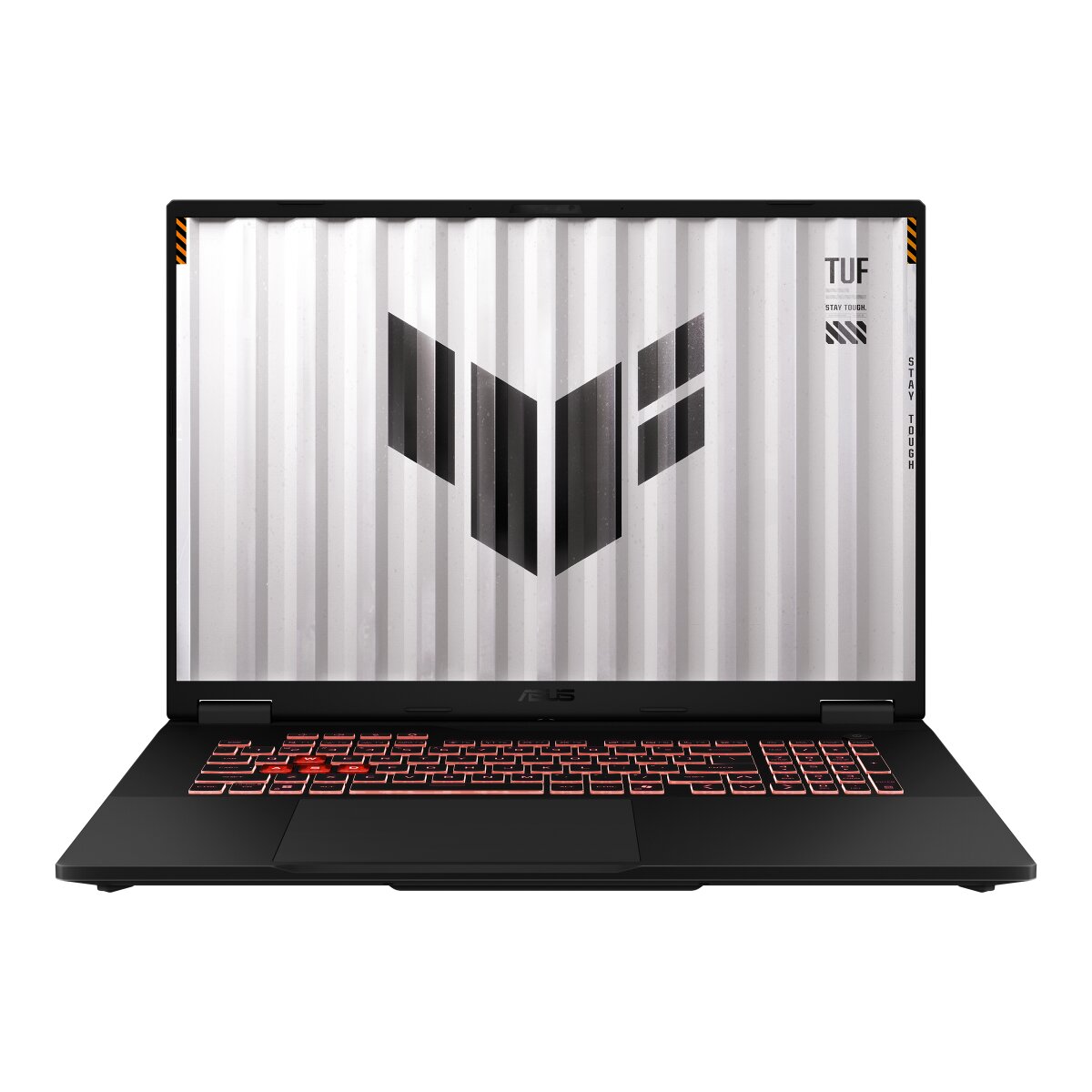
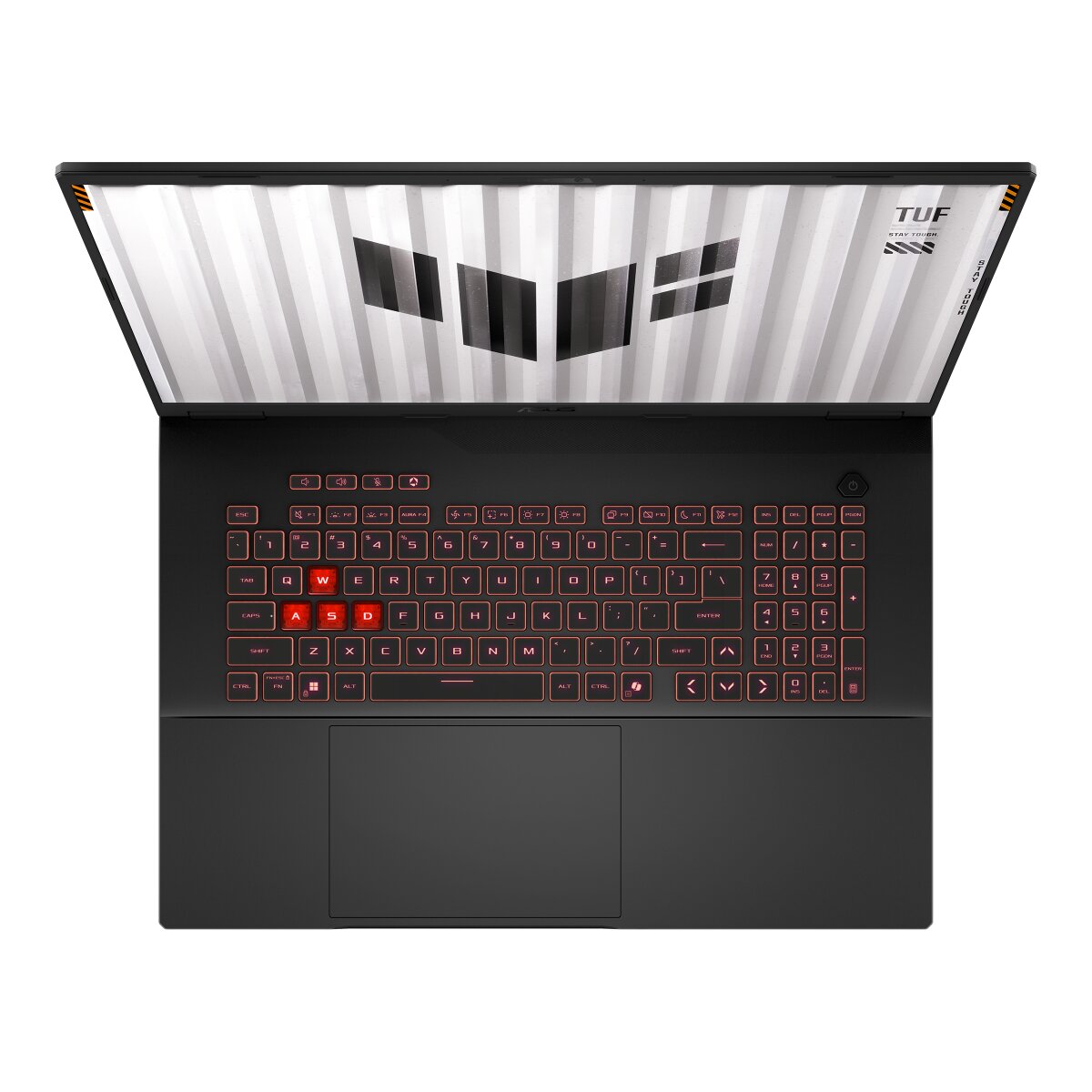
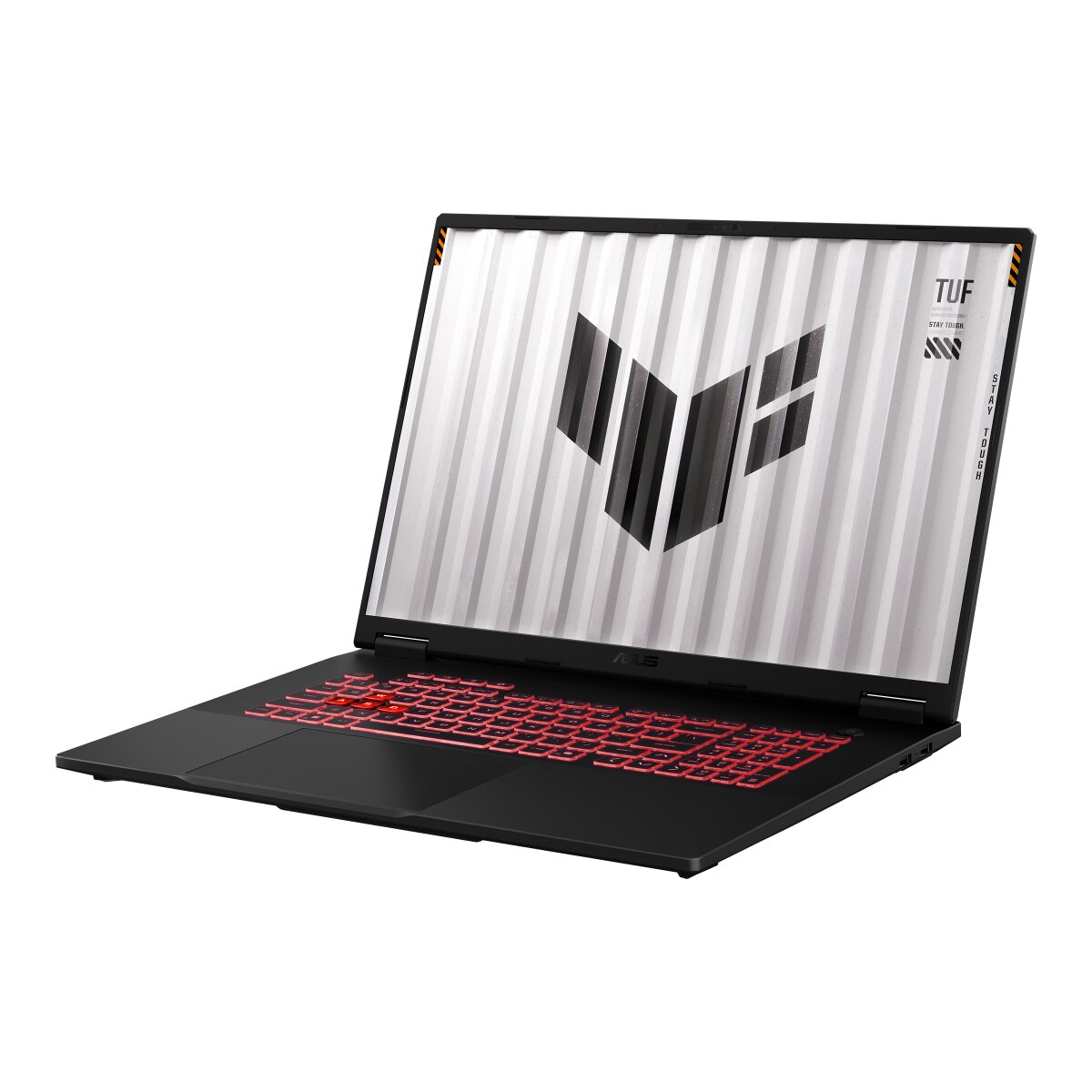
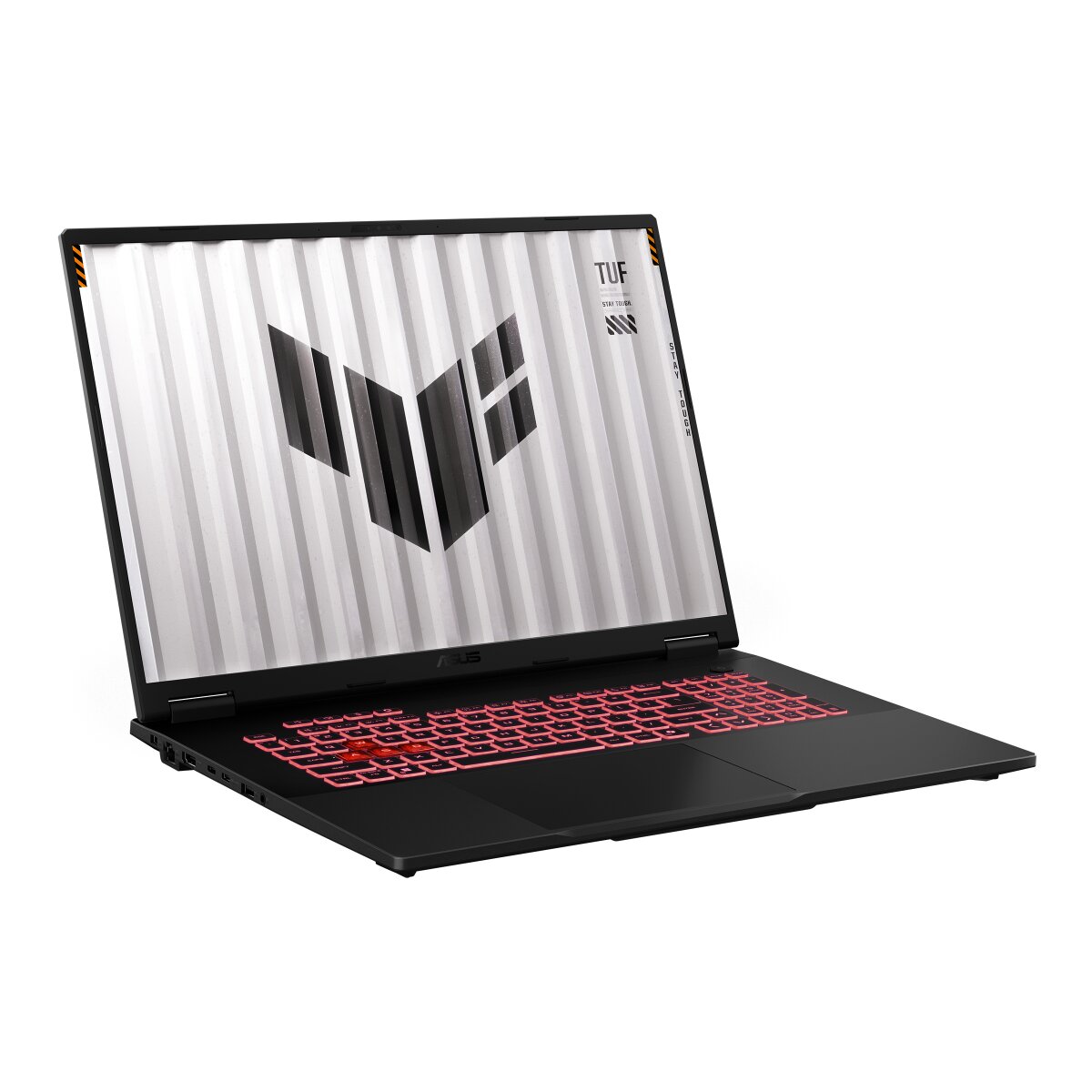
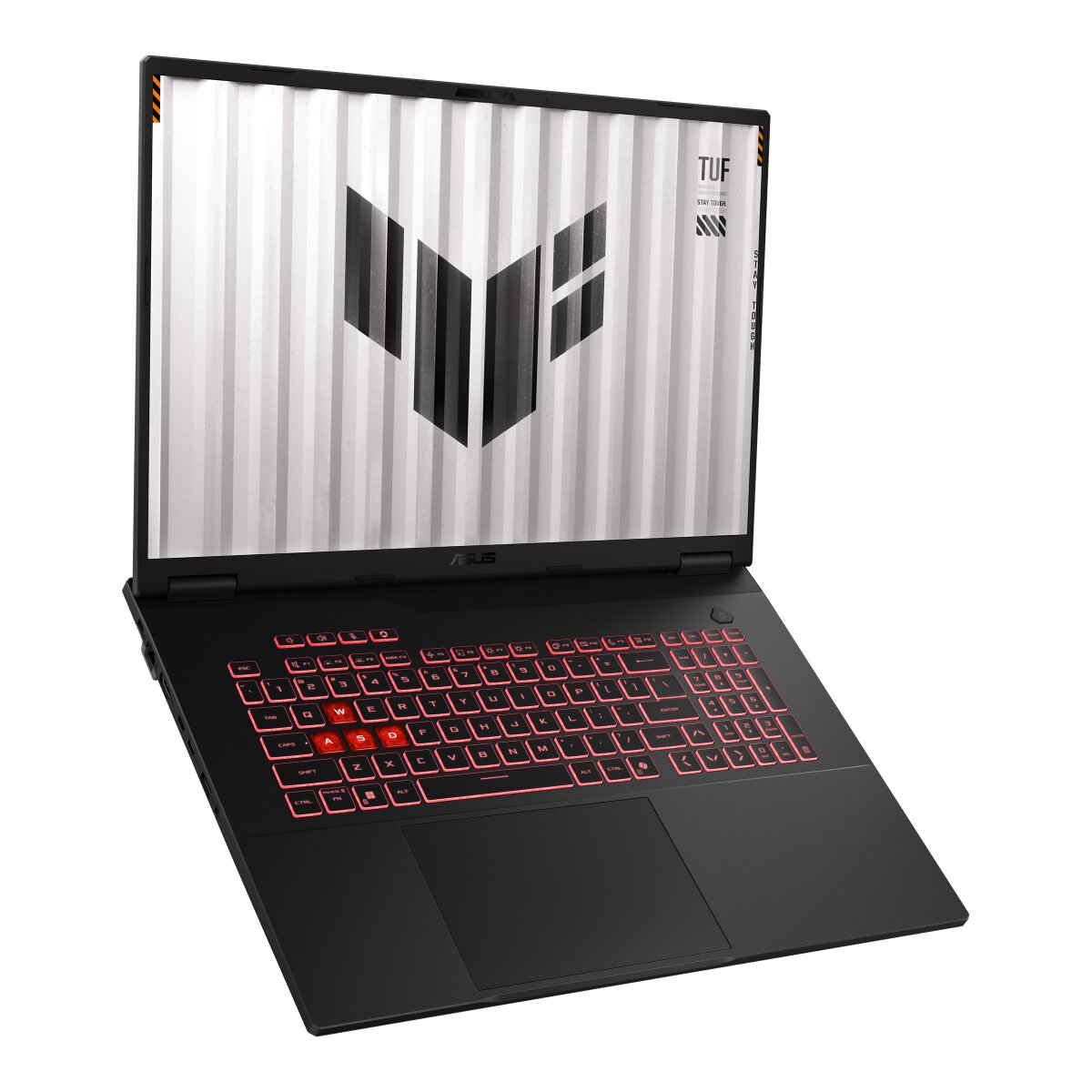
The ASUS TUF Gaming A18 FA808UM-S8112W laptop features DDR5-SDRAM memory upgrade capabilities. The device contains 2x SO-DIMM slots for memory expansion, supporting a maximum RAM capacity of 64 GB. Compatible memory modules operate at 5600 MHz frequency. The SO-DIMM form factor specifications enable straightforward memory upgrades for enhanced system performance. Maximum supported memory capacity reaches 64 GB through dual slot configuration, allowing users to expand the laptop's memory specifications as needed for demanding applications and multitasking requirements.
Memory Upgrade Specifications
| Specification | Value |
|---|---|
| Memory slots | 2x SO-DIMM |
| Form factor | SO-DIMM |
| Memory type | DDR5-SDRAM |
| Frequency | 5600 MHz |
| Maximum RAM | 64 GB |
| Voltage | 1.1V |
| Number of pins | 262-pin |
| Interface | PC5 |
| PC Speed Rating | PC5-5600 (PC5-44800) |
| Bandwidth | 44.8 GB/s |
Additional Notes
- The ASUS TUF Gaming FA808UM-S8112W uses SO-DIMM modules, which limits aftermarket availability compared to standard DIMM configurations common in desktop systems.
- DDR5 technology operating at 5600 MHz provides approximately 1.7 times the bandwidth of DDR4-3200, reducing memory-related performance bottlenecks in GPU-intensive workloads and large dataset processing.
- The 64 GB maximum capacity requires both slots to be populated with 32 GB modules, preventing asymmetric configurations that might otherwise allow gradual upgrades.
- DDR5 modules require higher voltage regulation precision than DDR4, meaning non-validated third-party modules may trigger stability issues or POST failures despite matching speed specifications.
- The 2-slot configuration offers no expansion headroom, forcing complete module replacement rather than incremental capacity additions when upgrading beyond factory-installed memory.
- At 5600 MHz, memory latency in nanoseconds may be higher than slower DDR4 configurations, potentially affecting latency-sensitive applications despite increased throughput.
- SO-DIMM DDR5 modules at 5600 MHz typically operate at 1.1V, generating less heat than equivalent DDR4 configurations, which reduces thermal throttling risk in compact chassis designs.
- The dual-channel architecture requires matched module pairs for optimal bandwidth utilization, meaning single-module upgrades will halve available memory bandwidth even if capacity increases.
- DDR5's on-die ECC (error correction) operates independently of system-level ECC support, providing baseline data integrity without requiring specialized unbuffered ECC SO-DIMMs.
- Mixing DDR5 modules with different die revisions or manufacturers may force the memory controller to downclock all modules to the lowest common JEDEC profile, negating speed advantages of premium modules.
- The SO-DIMM form factor restricts maximum module height to approximately 30mm, eliminating compatibility concerns related to heatspreader clearance common in desktop DIMM installations.
- Upgrading to the 64 GB maximum will maintain compatibility with the factory-configured 5600 MHz speed only if modules explicitly support JEDEC standard or XMP profiles at that frequency.
- DDR5's improved burst length of 16 versus DDR4's 8 increases efficiency in sequential memory access patterns but provides minimal benefit in random access scenarios typical of operating system overhead.
- The absence of registered or load-reduced DIMM options in SO-DIMM DDR5 simplifies upgrade selection but caps maximum theoretical capacity below server-grade configurations.
- User-accessible memory slots in this chassis design typically preserve warranty coverage for RAM upgrades, unlike soldered memory configurations that void service agreements when tampered with.