ASUS TUF Gaming FA808UM-S8015W RAM upgrade specifications
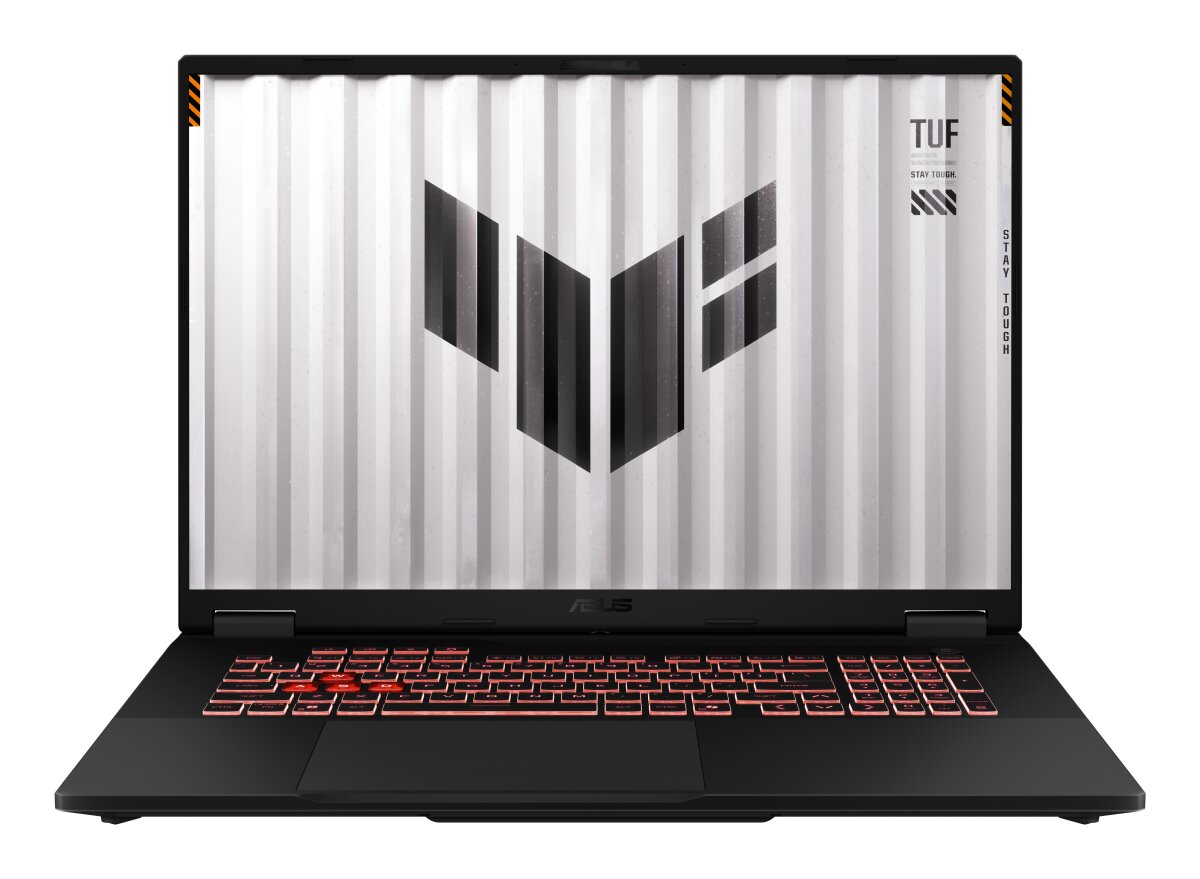
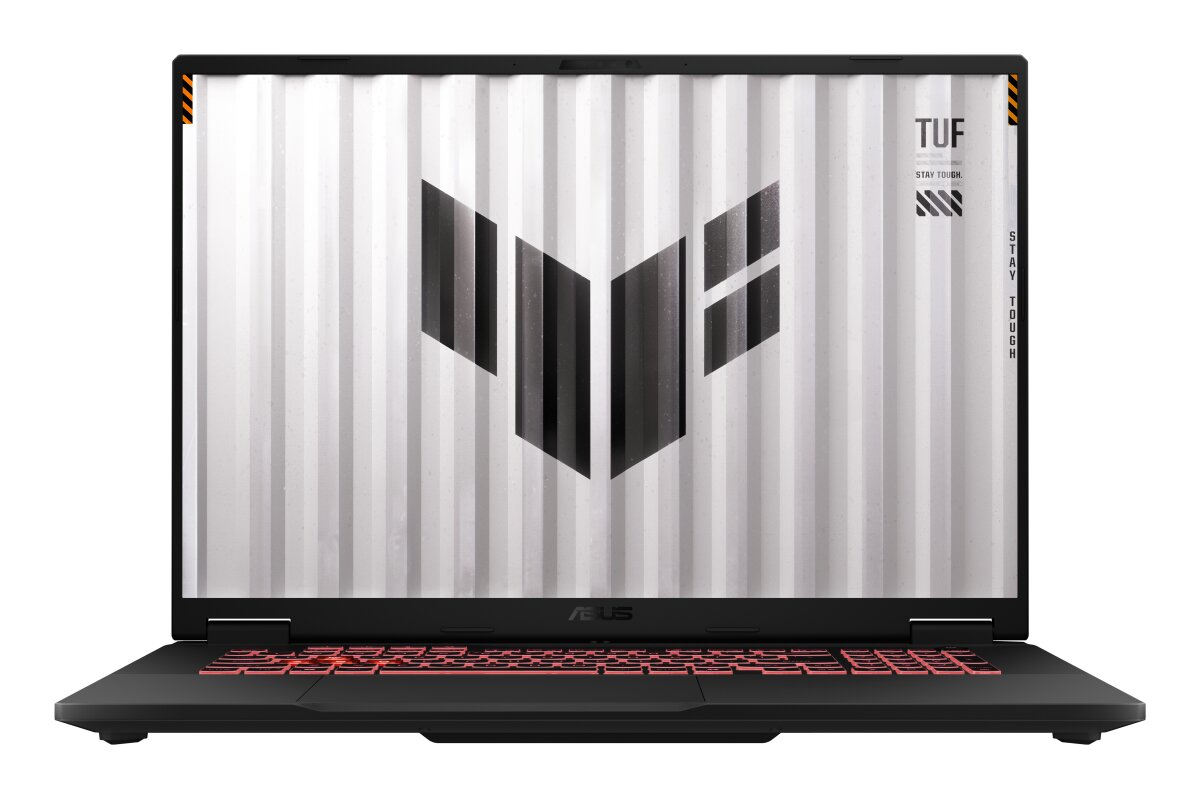
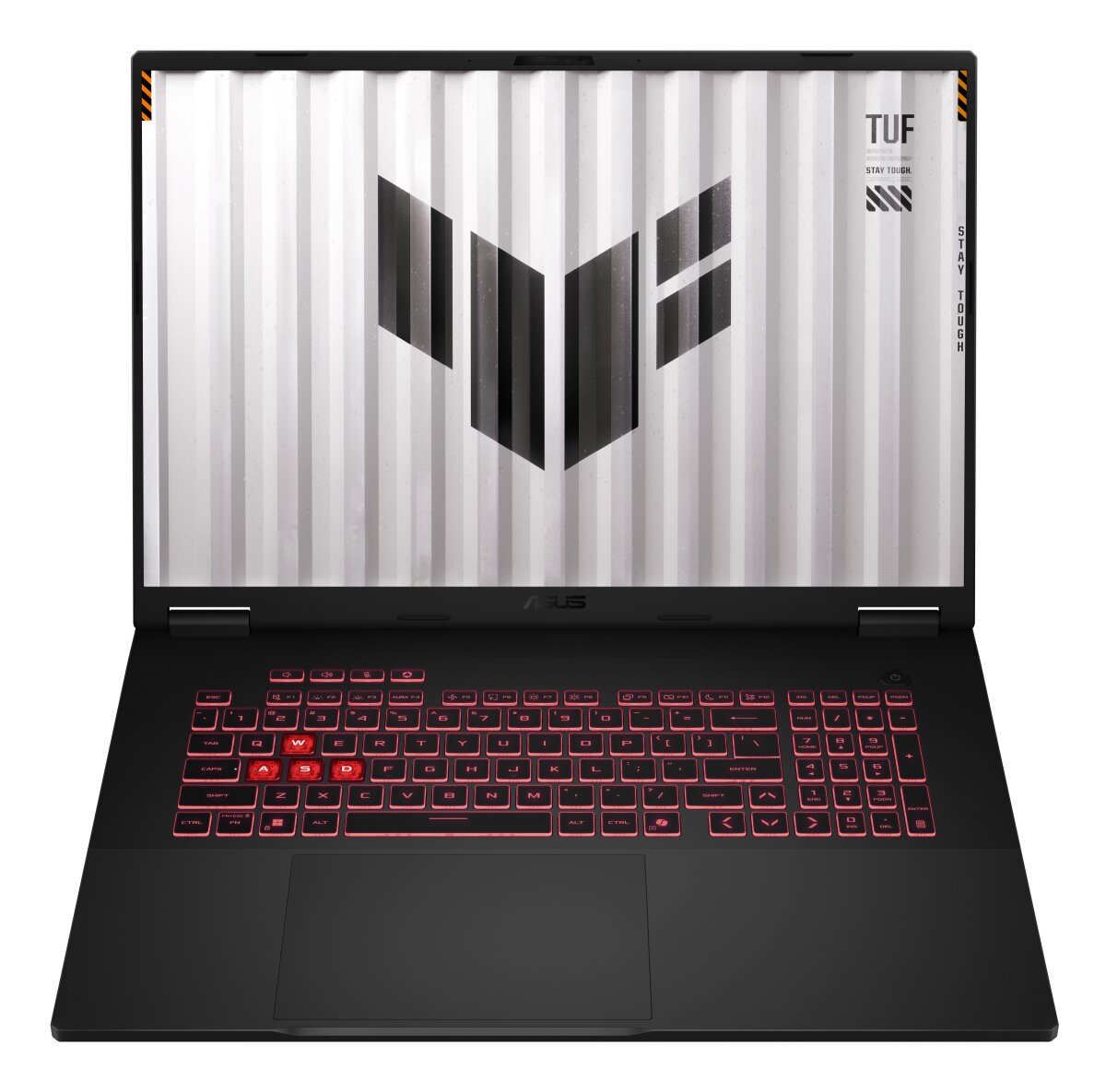
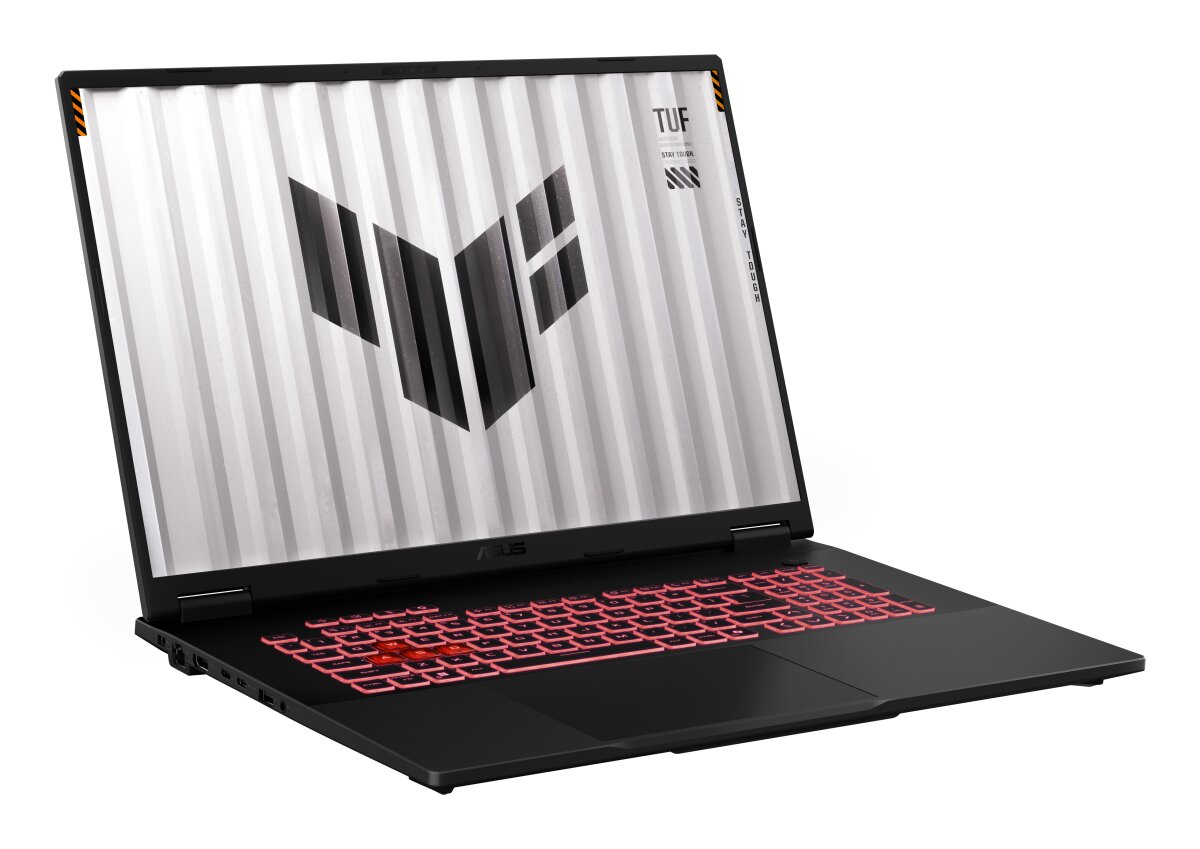
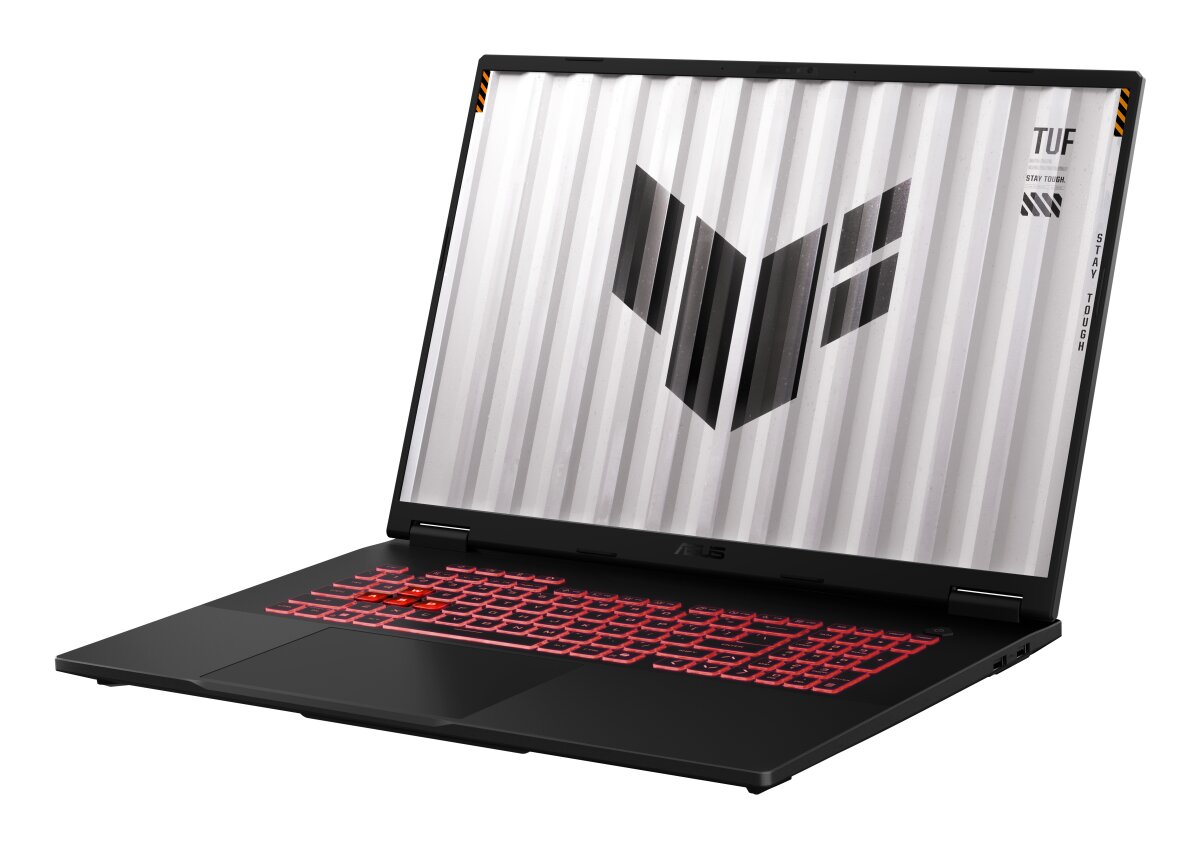
The ASUS TUF Gaming A18 FA808UM-S8015W features DDR5-SDRAM memory upgrade specifications with two SO-DIMM slots supporting maximum capacity of 64 GB total RAM. Compatible memory modules operate at 5600 MHz frequency. Upgrade capacity options depend on slot configuration and individual module specifications. RAM compatibility requires DDR5-SDRAM SO-DIMM form factor modules. Maximum memory configuration supports 64 GB total system capacity. Specifications indicate dual-slot architecture enabling memory expansion from factory default configuration to stated maximum capacity limits.
Memory Upgrade Specifications
| Specification | Value |
|---|---|
| Memory slots | 2x SO-DIMM |
| Form factor | SO-DIMM |
| Memory type | DDR5-SDRAM |
| Frequency | 5600 MHz |
| Maximum RAM | 64 GB |
| Voltage | 1.1V |
| Number of pins | 262-pin |
| Interface | PC5 |
| PC Speed Rating | PC5-5600 (PC5-44800) |
| Bandwidth | 44.8 GB/s |
Additional Notes
- Dual channel architecture requires matching module capacities in both slots to provide maximum memory bandwidth for the processor.
- The 5600 MHz clock speed necessitates modules with identical latency profiles to ensure system stability at rated frequencies.
- Upgrading the ASUS TUF Gaming FA808UM-S8015W to 64 GB requires the complete replacement of existing modules because both available slots are occupied in a maximum capacity configuration.
- Non ECC unbuffered memory modules are required for compatibility with the integrated memory controller.
- Operating memory at the maximum 5600 MHz frequency depends on firmware support and may default to lower JEDEC speeds if the modules lack appropriate SPD profiles.
- Physical access to the SO-DIMM slots requires the removal of the bottom chassis panel which involves managing captive screws and internal plastic clips.
- High density 32 GB modules are necessary to reach the upper limit of the hardware since the motherboard lacks soldered memory components.
- Heat dissipation for DDR5 modules relies on passive airflow within the chassis as no dedicated active cooling serves the memory area.