ASUS TUF Gaming FA808UM-S9006W RAM upgrade specifications
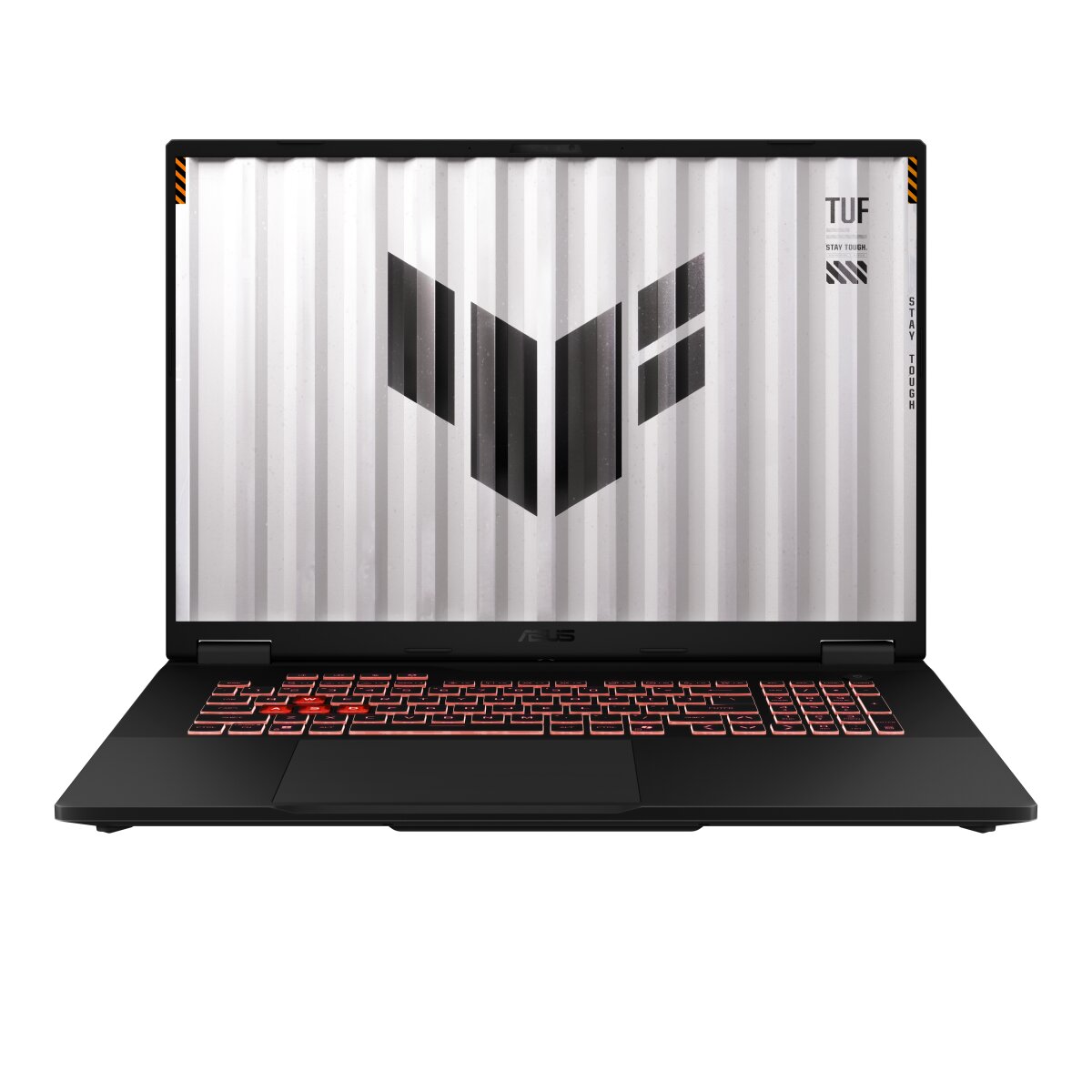
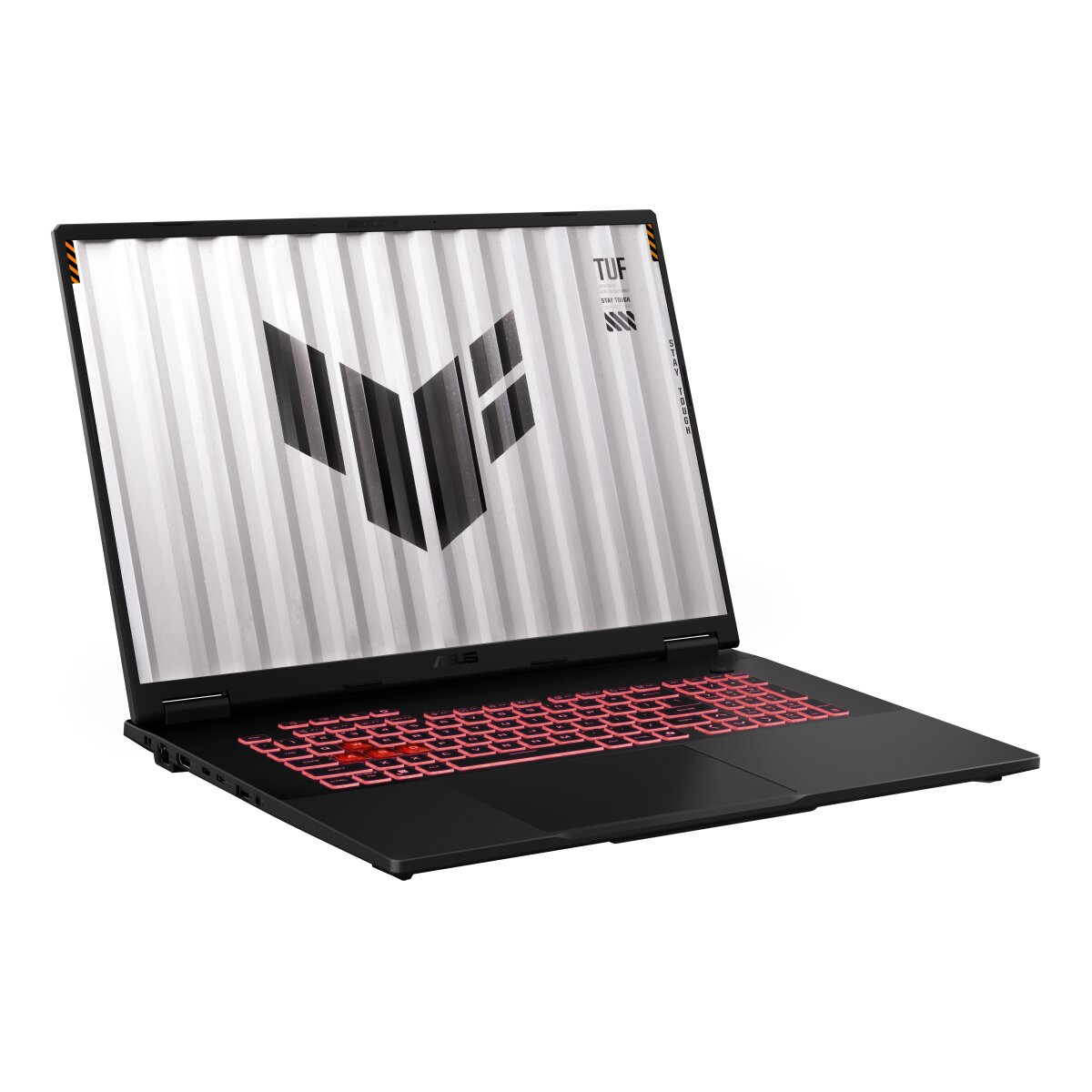
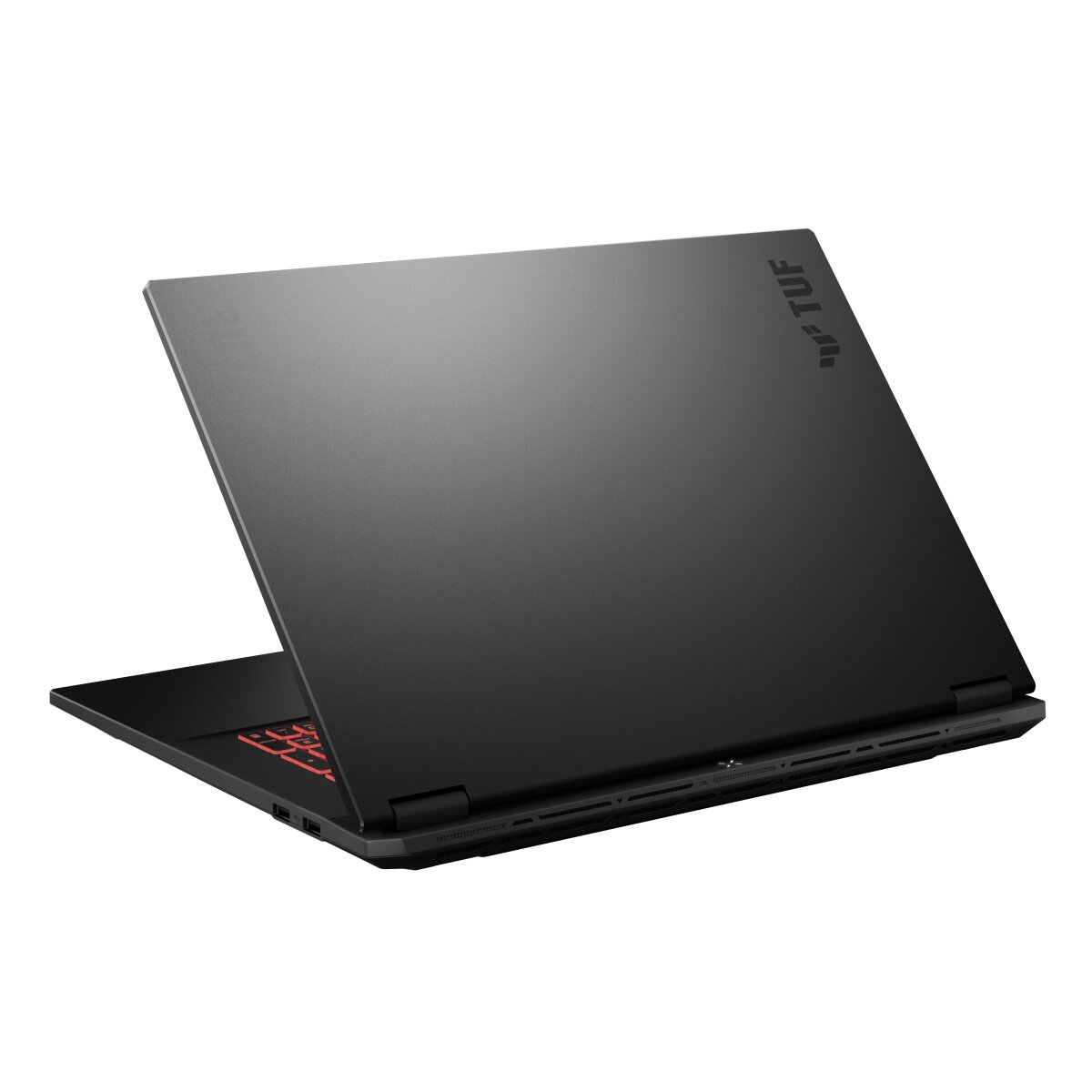
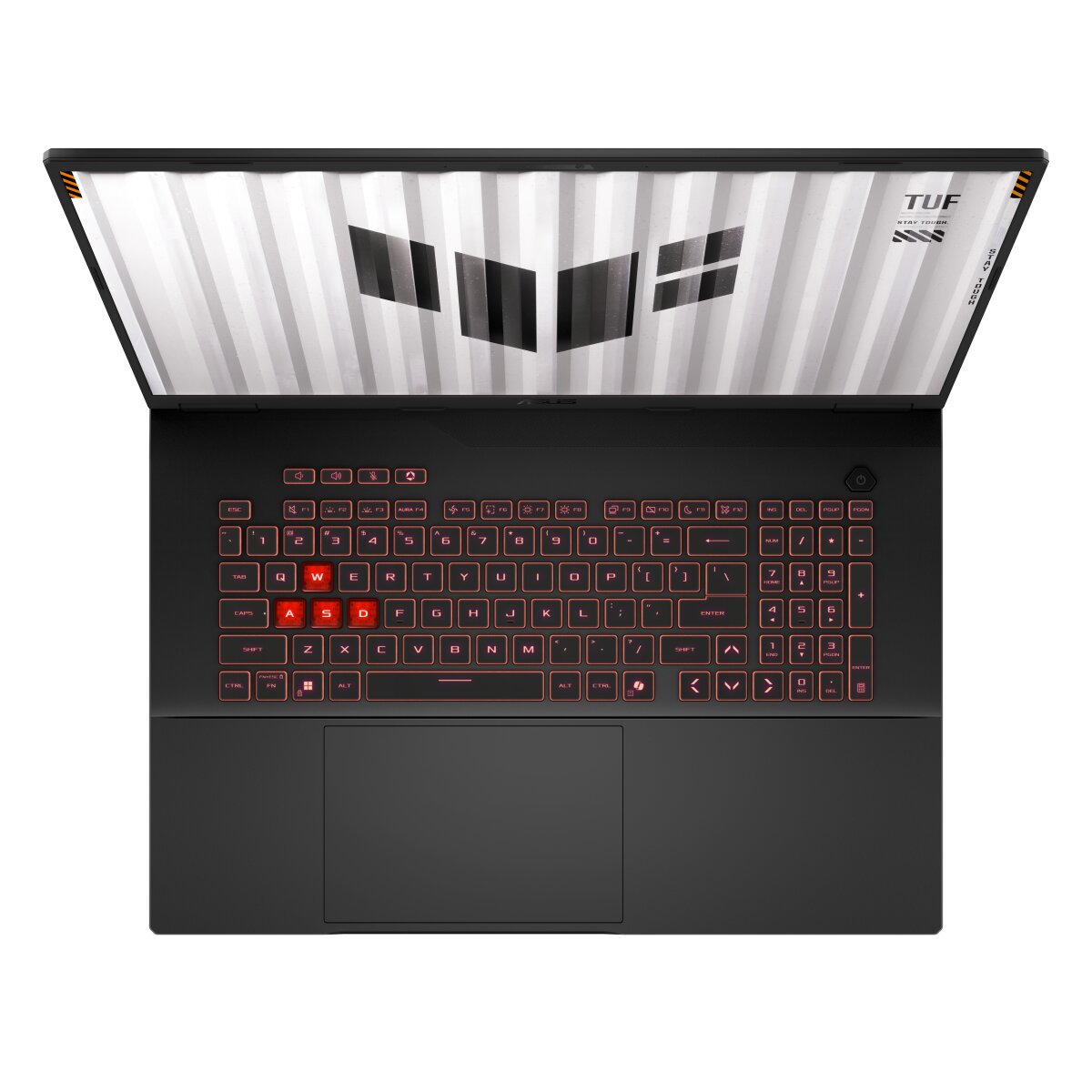
ASUS TUF Gaming A18 FA808UM-S9006W laptop features DDR5-SDRAM memory upgrade specifications with 2x SO-DIMM slots supporting maximum capacity of 64 GB RAM. Compatible memory modules operate at 5600 MHz frequency with SO-DIMM form factor. Specifications enable memory expansion for enhanced multitasking and performance capabilities on the FA808UM-S9006W model.
Memory Upgrade Specifications
| Specification | Value |
|---|---|
| Memory slots | 2x SO-DIMM |
| Form factor | SO-DIMM |
| Memory type | DDR5-SDRAM |
| Frequency | 5600 MHz |
| Maximum RAM | 64 GB |
| Voltage | 1.1V |
| Number of pins | 262-pin |
| Interface | PC5 |
| PC Speed Rating | PC5-5600 (PC5-44800) |
| Bandwidth | 44.8 GB/s |
Additional Notes
- The ASUS TUF Gaming FA808UM-S9006W platform enforces a 32 GB per-slot ceiling due to chipset or BIOS limitations, preventing the installation of higher-density modules even if they physically fit.
- DDR5-5600 represents the JEDEC-rated baseline speed, but actual operation depends on CPU memory controller capabilities and may default to lower frequencies without manual XMP/EXPO profile activation in BIOS.
- SO-DIMM packaging restricts thermal headroom compared to desktop DIMMs, making sustained high-bandwidth workloads more susceptible to thermal throttling without adequate chassis ventilation.
- Dual-channel population requires matched module specifications across both slots to avoid asymmetric mode, which cuts theoretical bandwidth in half and introduces latency penalties.
- DDR5 voltage regulation occurs on-module via PMIC chips rather than motherboard VRMs, creating module-specific stability characteristics that vary between manufacturers even at identical rated speeds.
- Native DDR5 error correction operates independently of ECC, providing single-bit correction within the module but offering no protection against system-level data corruption during transfers.
- Mixing modules with different die revisions or rank configurations triggers conservative fallback timings set by SPD tables, degrading performance below the rated 5600 MT/s specification.
- The 262-pin SO-DIMM interface maintains backward physical incompatibility with DDR4, eliminating cross-generation installation errors but requiring complete module replacement during upgrades.
- Warranty preservation requires avoiding modules exceeding platform-validated frequency thresholds, as out-of-spec overclocking may void coverage even if the system remains stable.
- Single-rank versus dual-rank topology at identical capacities produces measurable latency differences, with dual-rank configurations offering 5-10% performance advantages in memory-intensive applications despite identical bandwidth ratings.