ASUS TUF Gaming FA808UH-S8023 RAM upgrade specifications
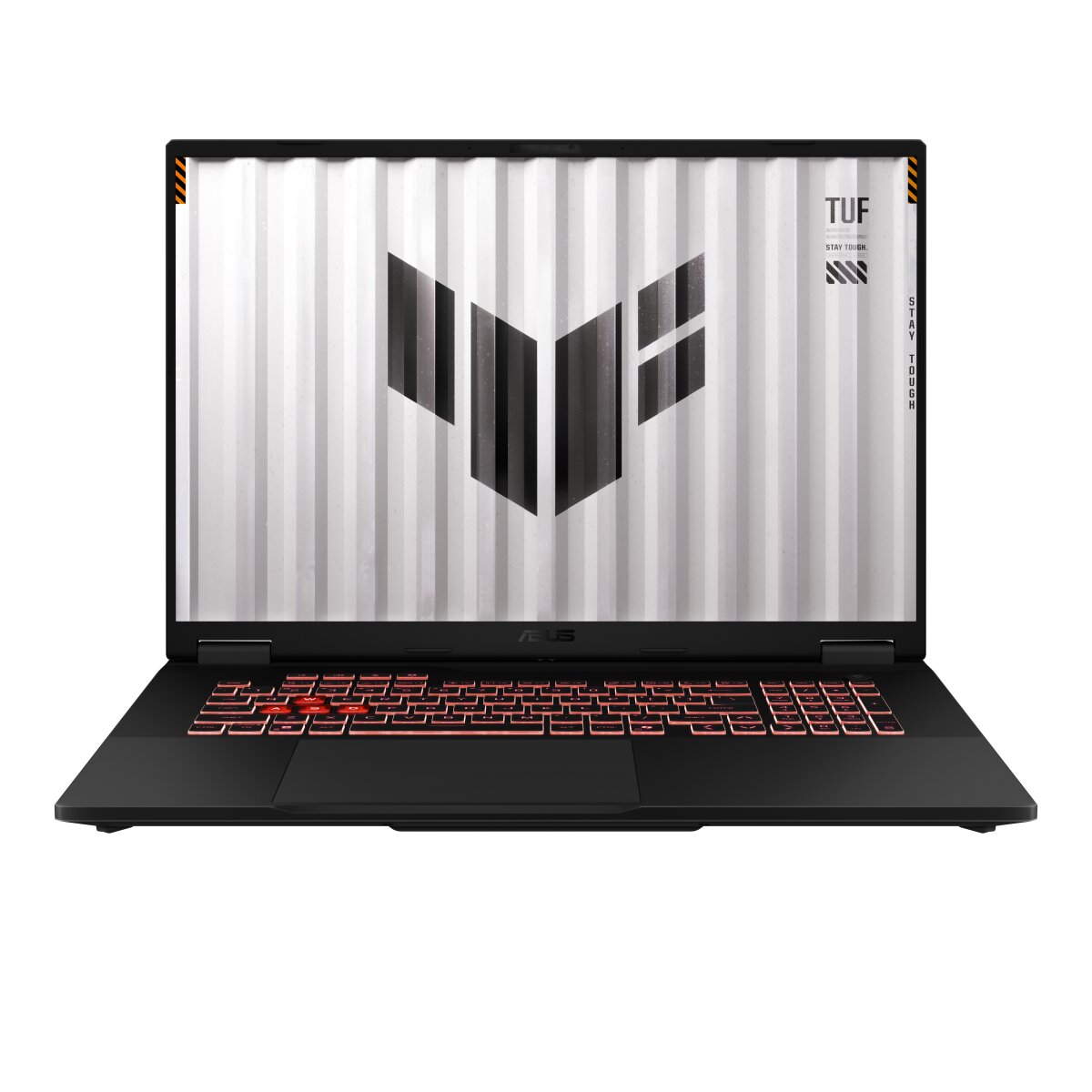
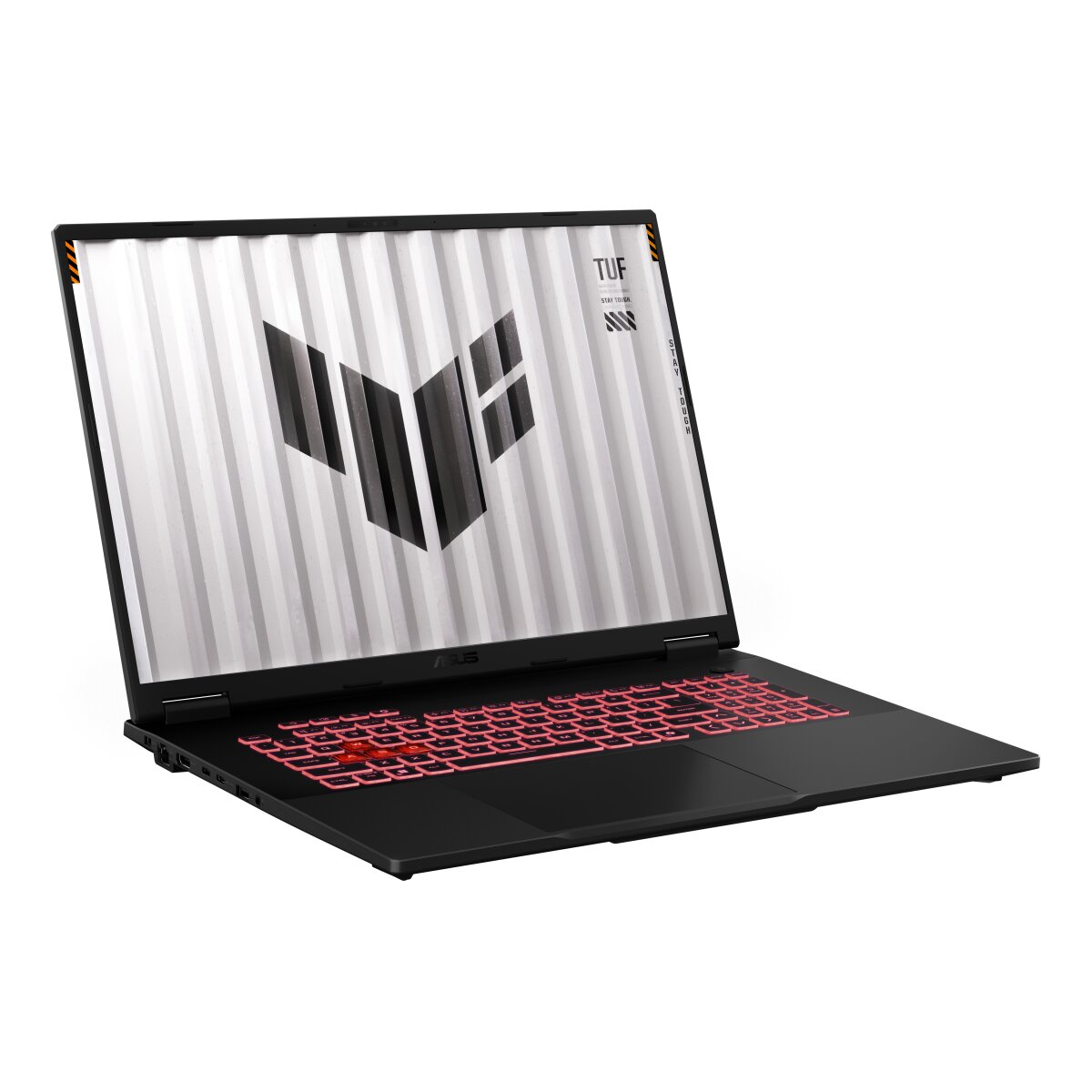
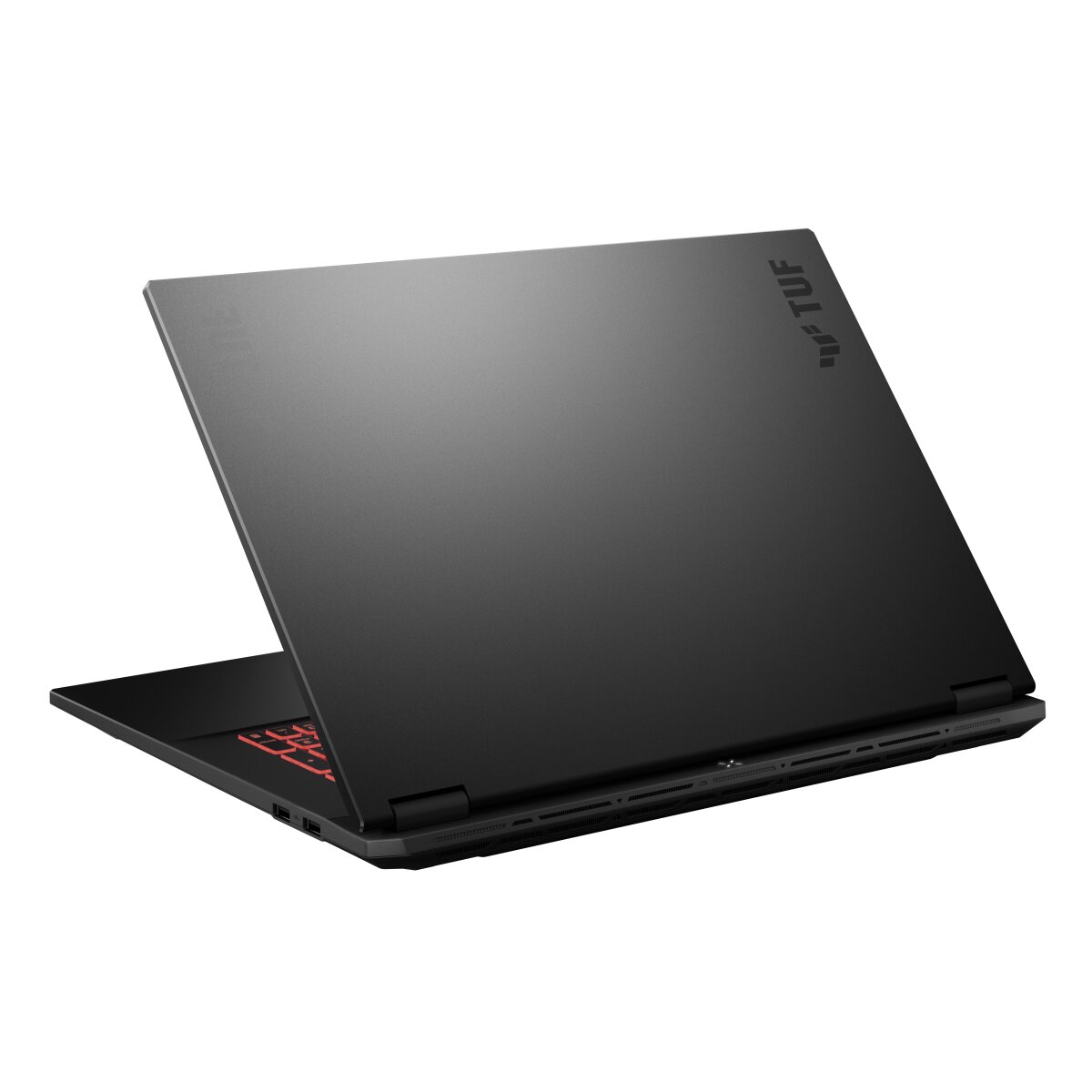
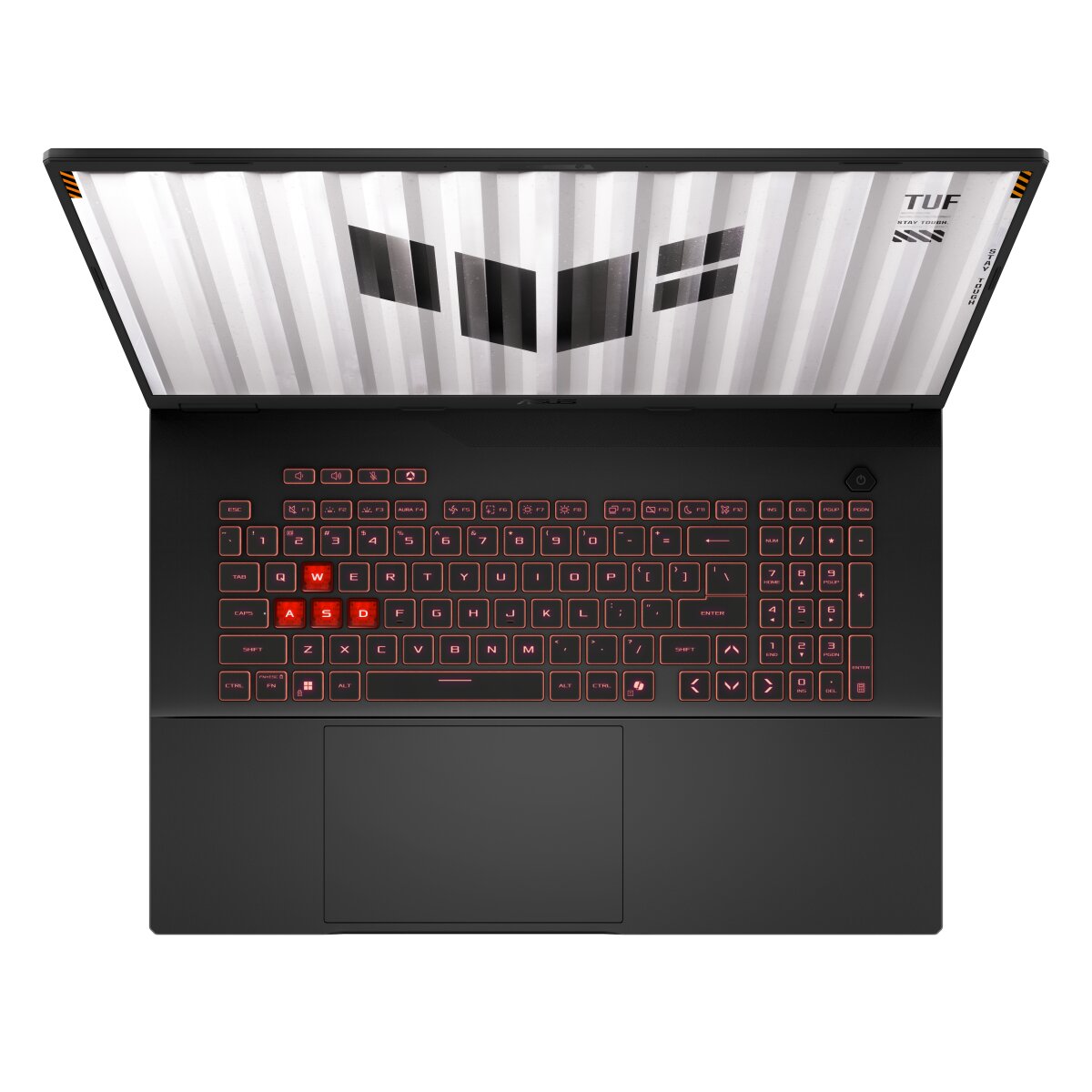
The ASUS TUF Gaming A18 FA808UH-S8023 features two SO-DIMM slots supporting DDR5-SDRAM memory modules. The laptop accommodates a maximum RAM capacity of 64 GB, with compatible memory operating at 5600 MHz frequency. Upgrade specifications enable installation of high-performance DDR5 modules to enhance multitasking and gaming performance. The SO-DIMM form factor remains standard for laptop memory upgrades on this TUF Gaming series model.
Memory Upgrade Specifications
| Specification | Value |
|---|---|
| Memory slots | 2x SO-DIMM |
| Form factor | SO-DIMM |
| Memory type | DDR5-SDRAM |
| Frequency | 5600 MHz |
| Maximum RAM | 64 GB |
| Voltage | 1.1V |
| Number of pins | 262-pin |
| Interface | PC5 |
| PC Speed Rating | PC5-5600 (PC5-44800) |
| Bandwidth | 44.8 GB/s |
Additional Notes
- The DDR5-5600 specification represents a dual-channel bandwidth ceiling of 89.6 GB/s, which directly impacts GPU-accelerated workloads and high-resolution gaming frame consistency when VRAM buffers overflow to system memory.
- SO-DIMM modules clocked at 5600 MHz require JEDEC-compliant voltage regulation at 1.1V, meaning non-standard XMP profiles may cause POST failures or thermal throttling in this ASUS TUF Gaming FA808UH-S8023 chassis.
- The 64 GB capacity limit reflects an integrated memory controller restriction, preventing future expansion beyond 2x32 GB configurations regardless of module availability at higher densities.
- Physical clearance around SO-DIMM slots typically allows removal without motherboard extraction, but adjacent thermal padding or heat spreader interference may require complete bottom panel disassembly.
- Mixing DDR5 modules with asymmetric CAS latencies forces both channels to operate at the slower timing, creating unpredictable performance in memory-intensive applications like video encoding or simulation tasks.
- Warranty preservation requires verifying whether the specific regional SKU classifies RAM upgrades as user-serviceable, as some markets void coverage for any internal modifications beyond factory configuration.
- The transition from DDR4 architectures means legacy modules share no physical or electrical compatibility, eliminating salvage options from older systems during capacity upgrades.
- Dual-rank 32 GB modules impose higher electrical loads than single-rank variants, potentially reducing stability margins at the rated 5600 MHz frequency under sustained memory stress testing.