ASUS TUF Gaming FX506HC-HN011T RAM upgrade specifications

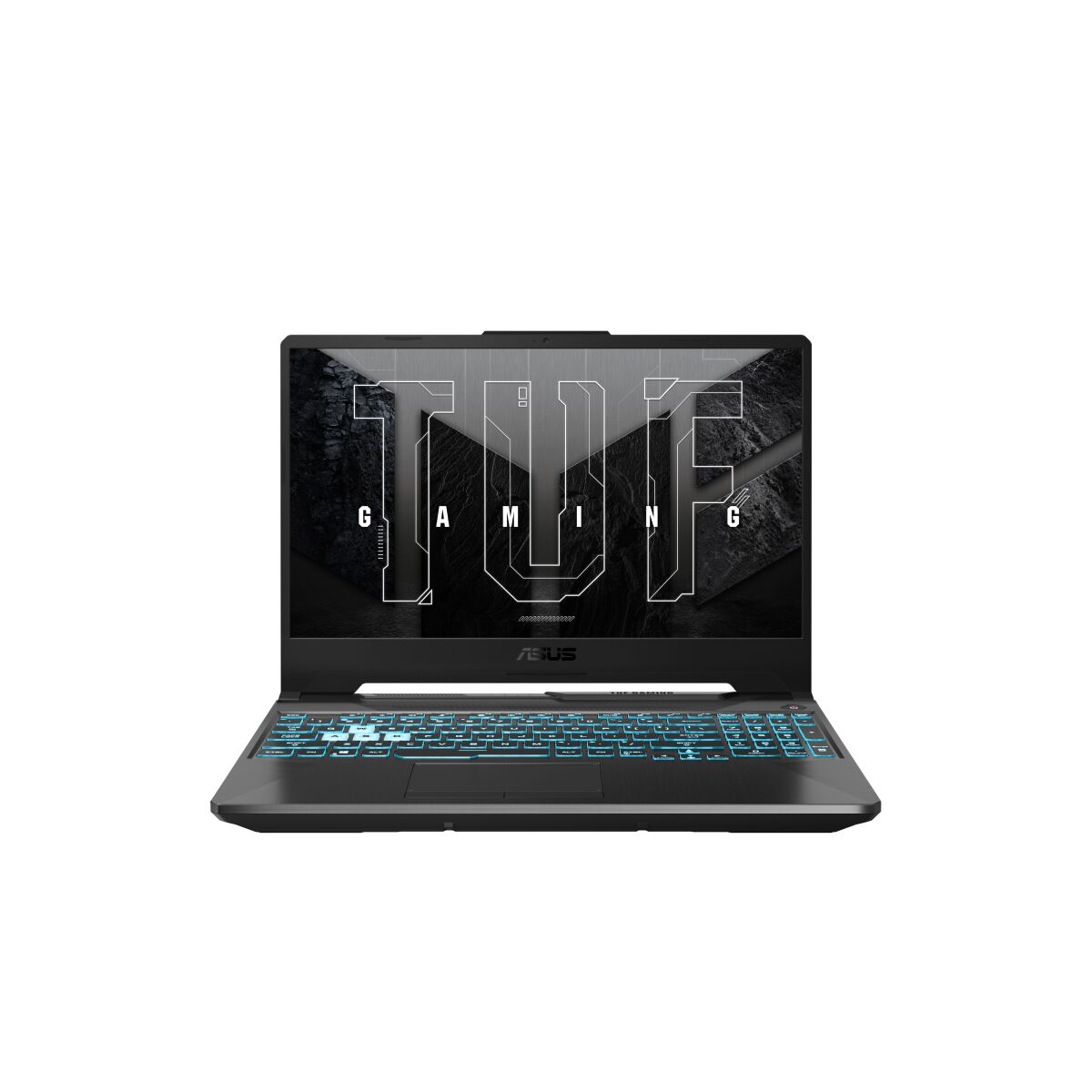


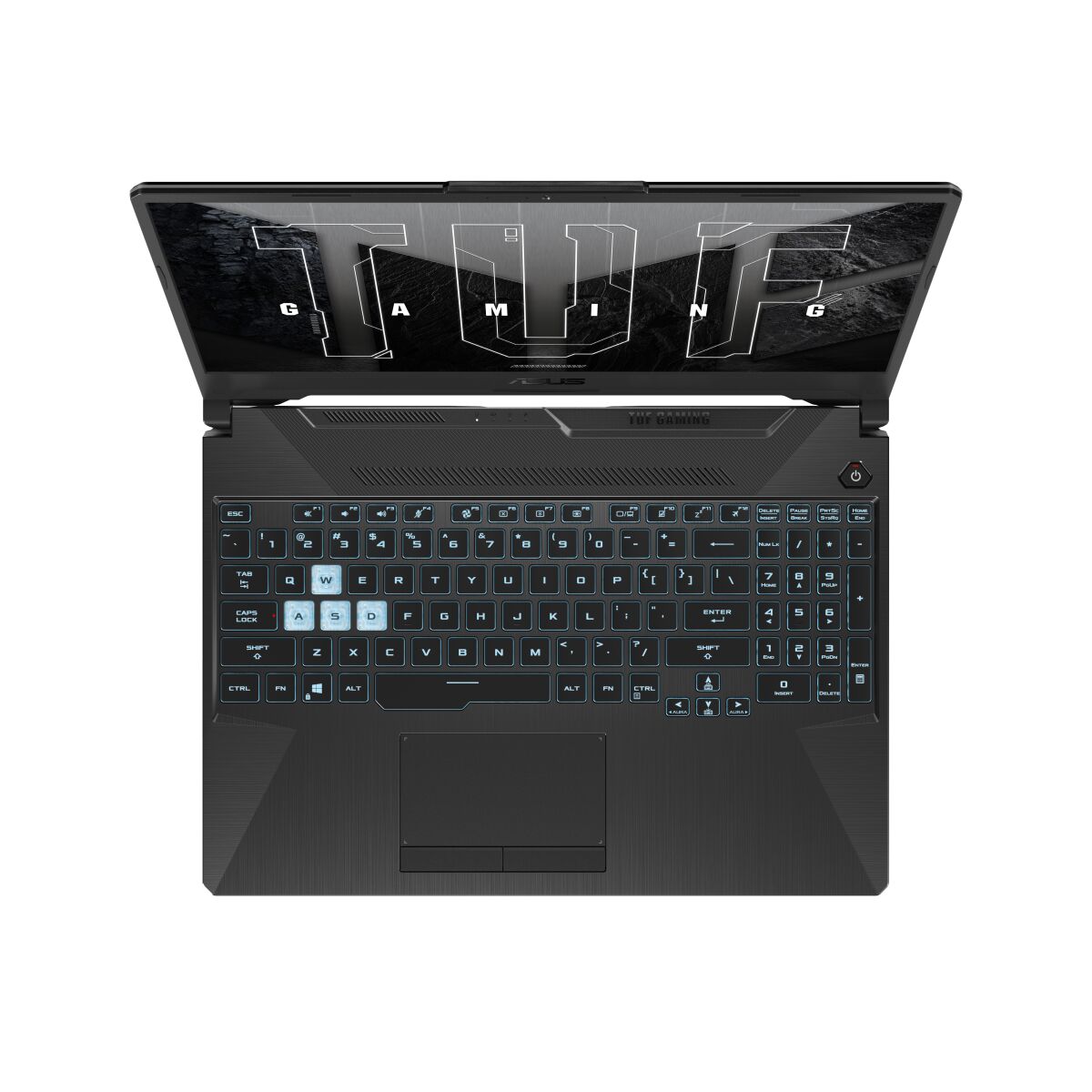
The ASUS TUF Gaming F15 FX506HC-HN011T features DDR4-SDRAM memory configuration with 2x SO-DIMM slots supporting maximum capacity of 32 GB total RAM. Upgrade specifications indicate compatible memory modules operate at 3200 MHz frequency with SO-DIMM form factor. The laptop accommodates DDR4 memory upgrades for enhanced system performance and multitasking capabilities. Maximum upgrade capacity reaches 32 GB when both memory slots are populated with compatible DDR4 modules at specified frequency ratings.
Memory Upgrade Specifications
| Specification | Value |
|---|---|
| Memory slots | 2x SO-DIMM |
| Form factor | SO-DIMM |
| Memory type | DDR4-SDRAM |
| Frequency | 3200 MHz |
| Maximum RAM | 32 GB |
| Voltage | 1.2V |
| Number of pins | 260-pin |
| Interface | PC4 |
| PC Speed Rating | PC4-3200 (PC4-25600) |
| Bandwidth | 25.6 GB/s |
| Laptop Release date | 10 March 2021 |
Additional Notes
- The ASUS TUF Gaming FX506HC-HN011T supports only 16 GB per slot, meaning a single module upgrade to maximum capacity requires replacing both existing memory modules rather than supplementing them.
- DDR4-3200 memory operates at a fixed frequency ceiling; pairing with faster DDR4 modules (3600 MHz or higher) forces automatic downclocking to 3200 MHz, eliminating any bandwidth advantage from premium memory purchases.
- SO-DIMM form factor restricts upgrade sourcing to laptop-specific modules, reducing vendor competition compared to standard DIMM alternatives and typically raising per-gigabyte costs 15-20 percent above desktop equivalent pricing.
- The 2-slot architecture with 32 GB total ceiling creates a capacity scaling bottleneck; systems requiring more than 32 GB of addressable memory cannot be accommodated through memory expansion alone.
- Dual-channel memory configuration remains available only when both SO-DIMM slots are populated; single-module configurations force single-channel operation, reducing memory bandwidth efficiency by approximately 50 percent and degrading gaming performance by 8-15 percent depending on GPU load.
- Warranty compliance for memory upgrades typically requires ESD (electrostatic discharge) precautions during installation; manufacturer documentation should be consulted before disassembly, as improper handling may void coverage despite non-soldered components.