ASUS TUF Gaming FX506HCB-HN183 RAM upgrade specifications


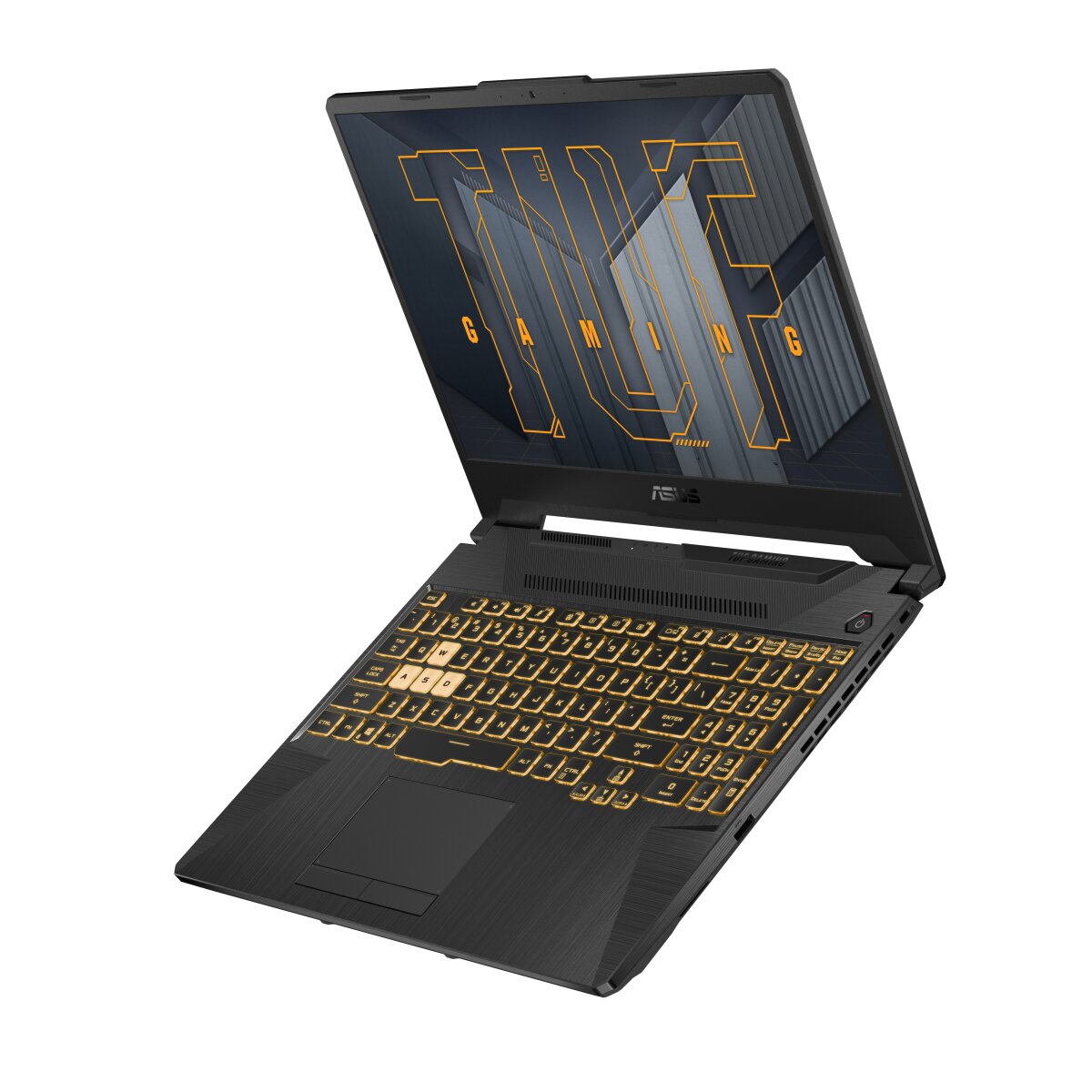
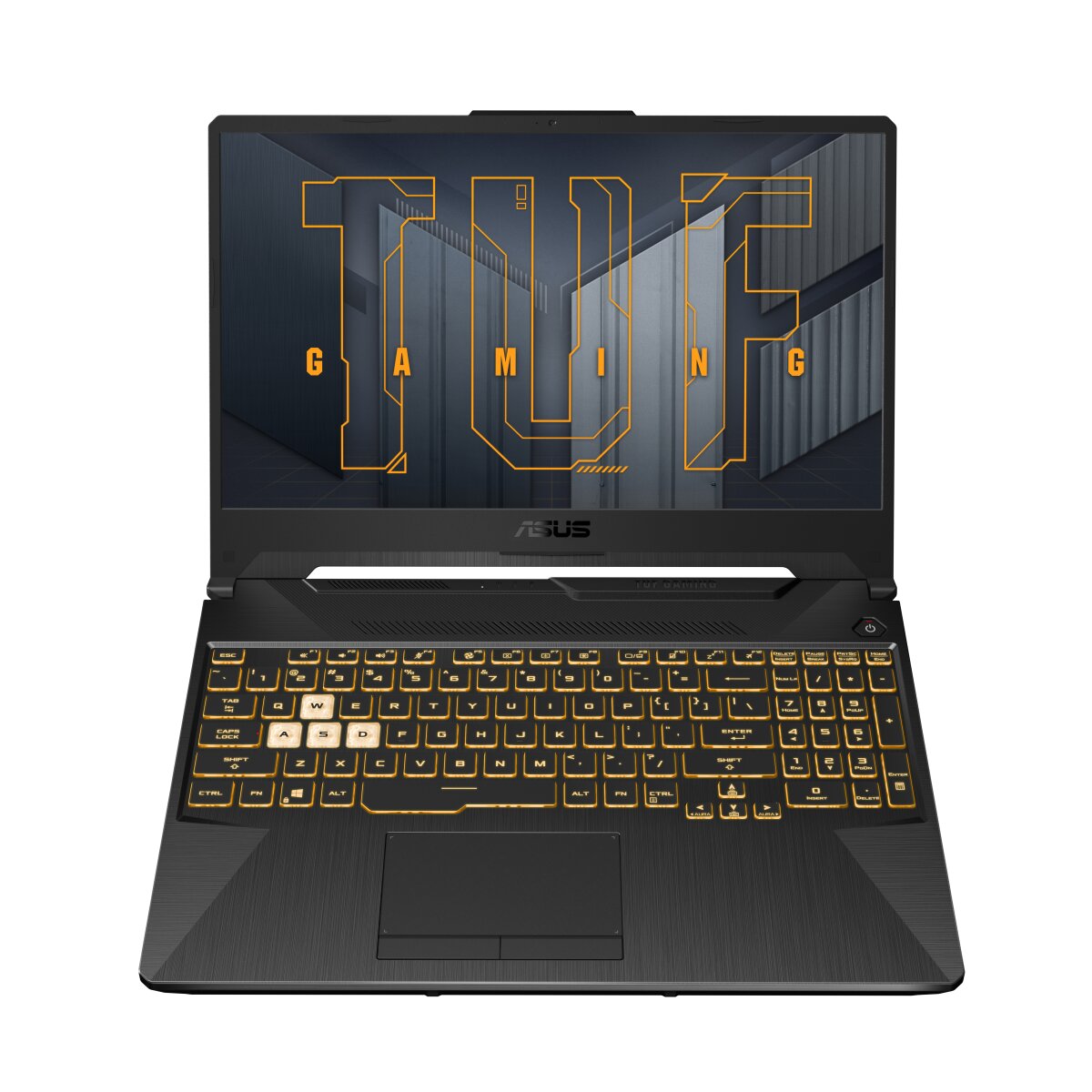
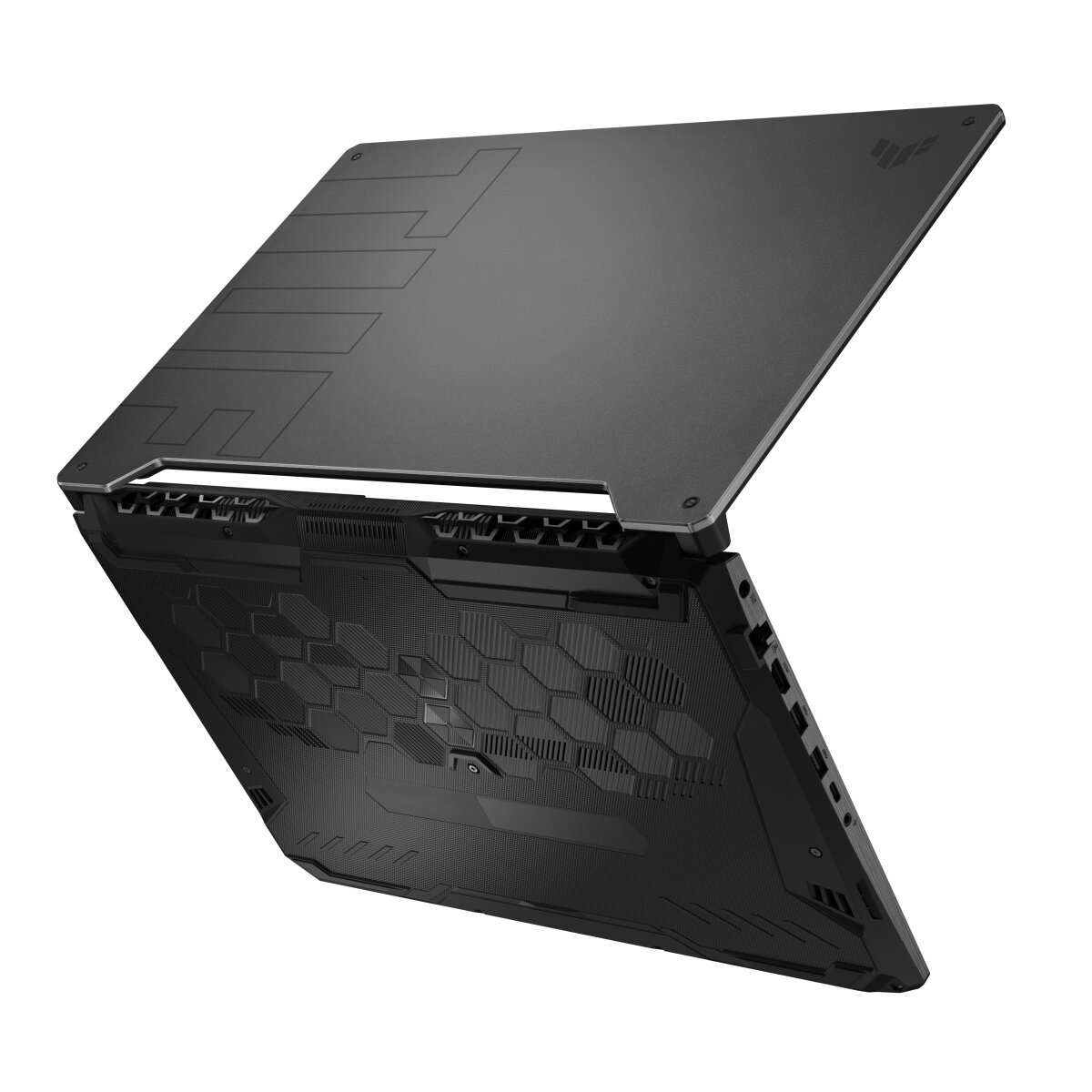
ASUS TUF Gaming F15 FX506HCB-HN183 laptop supports DDR4-SDRAM memory upgrades via two SO-DIMM slots. Maximum compatible RAM capacity is 32 GB, with recommended specifications of DDR4-3200 MHz. Users seeking to upgrade memory should install compatible SO-DIMM modules meeting these specifications for optimal performance and compatibility with this gaming laptop model.
Memory Upgrade Specifications
| Specification | Value |
|---|---|
| Memory slots | 2x SO-DIMM |
| Form factor | SO-DIMM |
| Memory type | DDR4-SDRAM |
| Frequency | 3200 MHz |
| Maximum RAM | 32 GB |
| Voltage | 1.2V |
| Number of pins | 260-pin |
| Interface | PC4 |
| PC Speed Rating | PC4-3200 (PC4-25600) |
| Bandwidth | 25.6 GB/s |
| Laptop Release date | 22 January 2022 |
Additional Notes
- The ASUS TUF Gaming FX506HCB-HN183 utilizes SO-DIMM modules rather than standard DIMMs, requiring laptop-specific memory components that are physically smaller and less widely available than desktop equivalents.
- The 32 GB ceiling reflects chipset or board design limitations, preventing future-proofing beyond this threshold regardless of operating system support for higher capacities.
- Dual-channel architecture requires matched module pairs for optimal memory bandwidth, meaning single-stick configurations will operate at half the potential throughput even if total capacity remains unchanged.
- DDR4-3200 represents the validated speed specification, though actual operating frequency depends on CPU memory controller capabilities and BIOS implementation of JEDEC standards.
- Both slots must remain accessible without motherboard removal for user-serviceable upgrades, though some configurations may require keyboard or bottom panel disassembly based on chassis design.
- Mixed-capacity configurations are technically supported but may trigger asymmetric dual-channel mode, where only the matched portion operates in dual-channel while exceeding capacity runs in single-channel.
- Voltage requirements default to 1.2V for standard DDR4, with lower-voltage variants potentially causing POST failures if SPD programming does not match board expectations.
- CAS latency and primary timings will auto-negotiate to the slowest module installed when mixing specifications, potentially degrading performance below the capabilities of faster memory.
- Third-party modules require JEDEC compliance verification, as non-standard XMP profiles may not activate without manufacturer BIOS support for overclocking features.
- Warranty preservation typically permits memory upgrades without seal breakage concerns, though physical damage during installation or use of incompatible specifications may void coverage.