ASUS TUF Gaming FX506HCB-HN188 RAM upgrade specifications
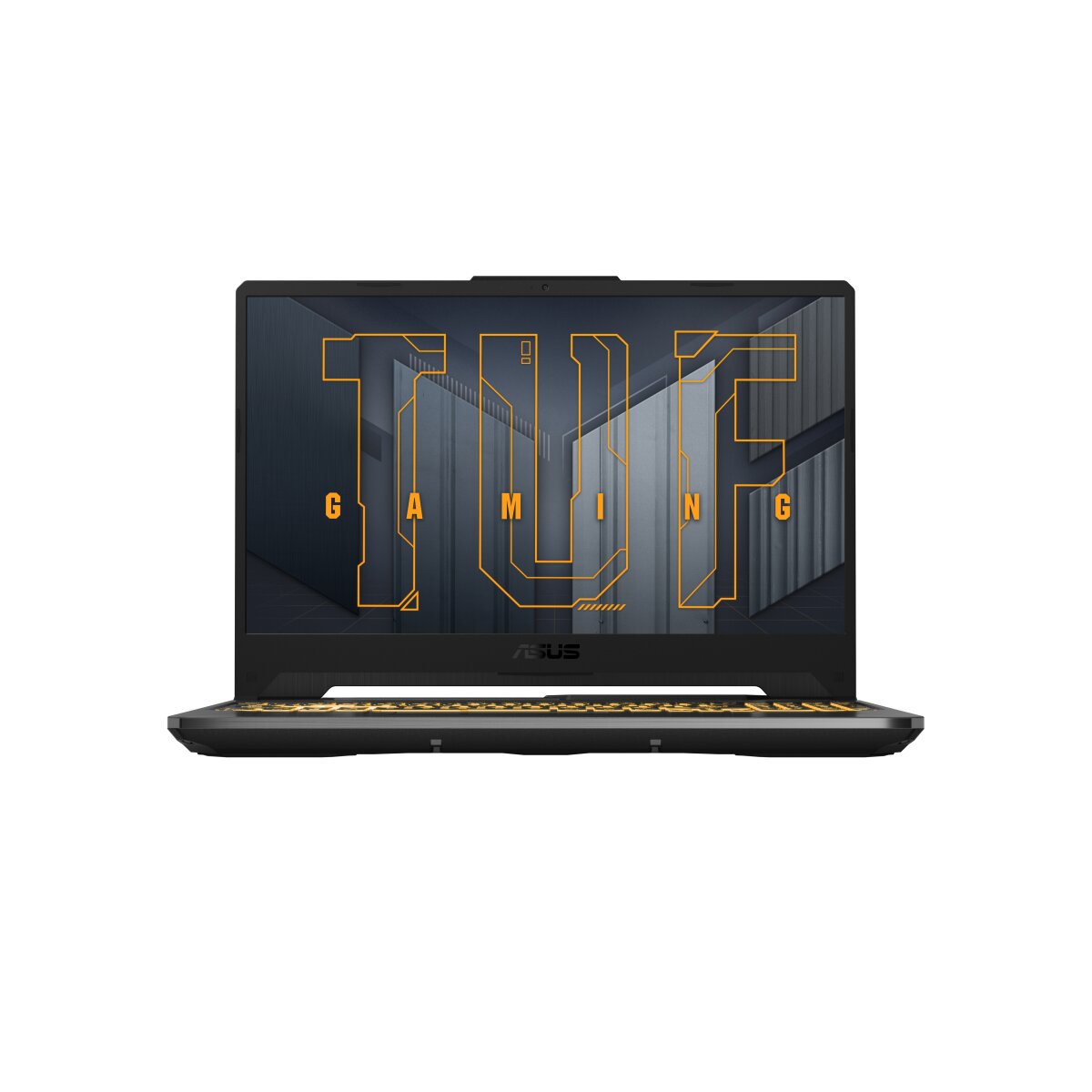
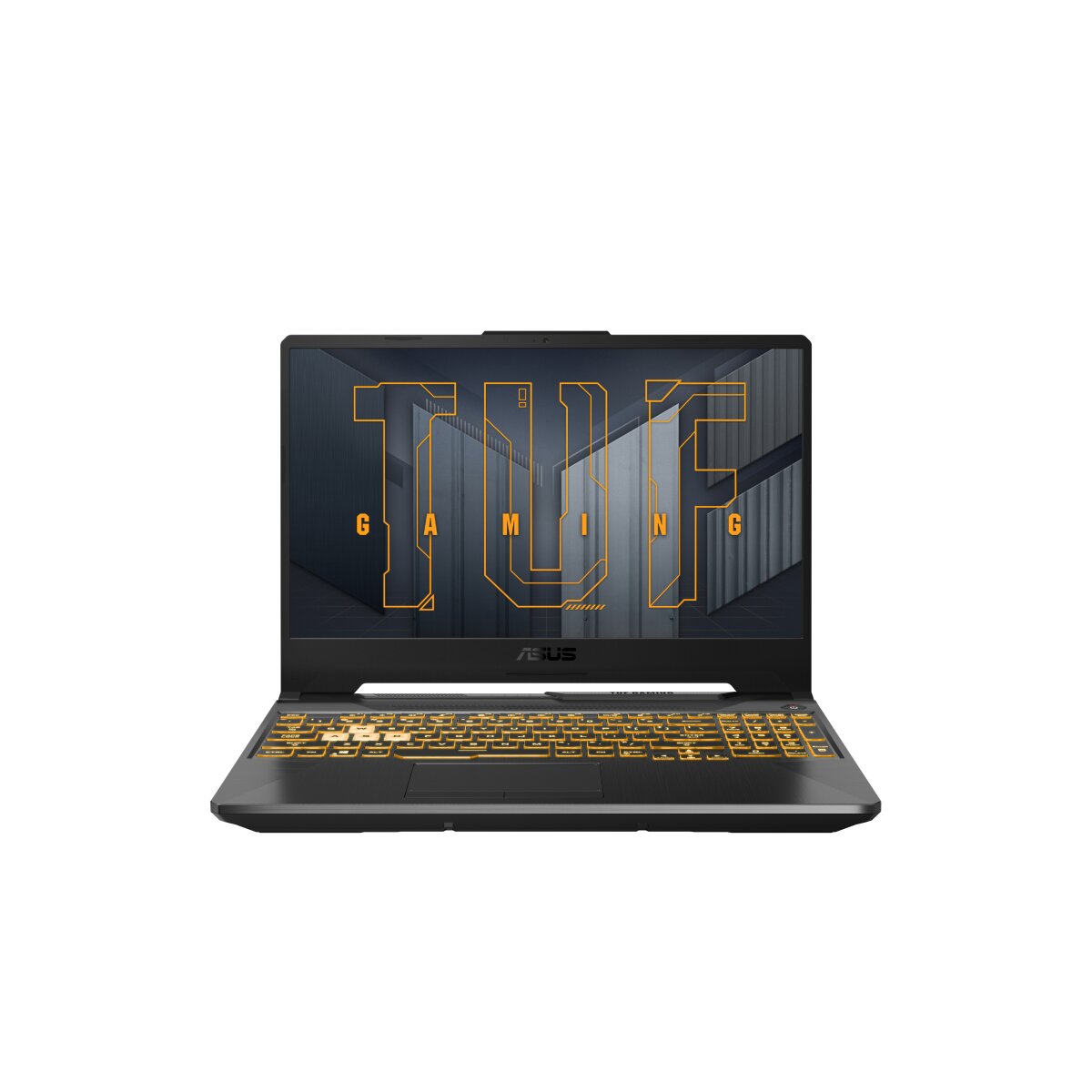
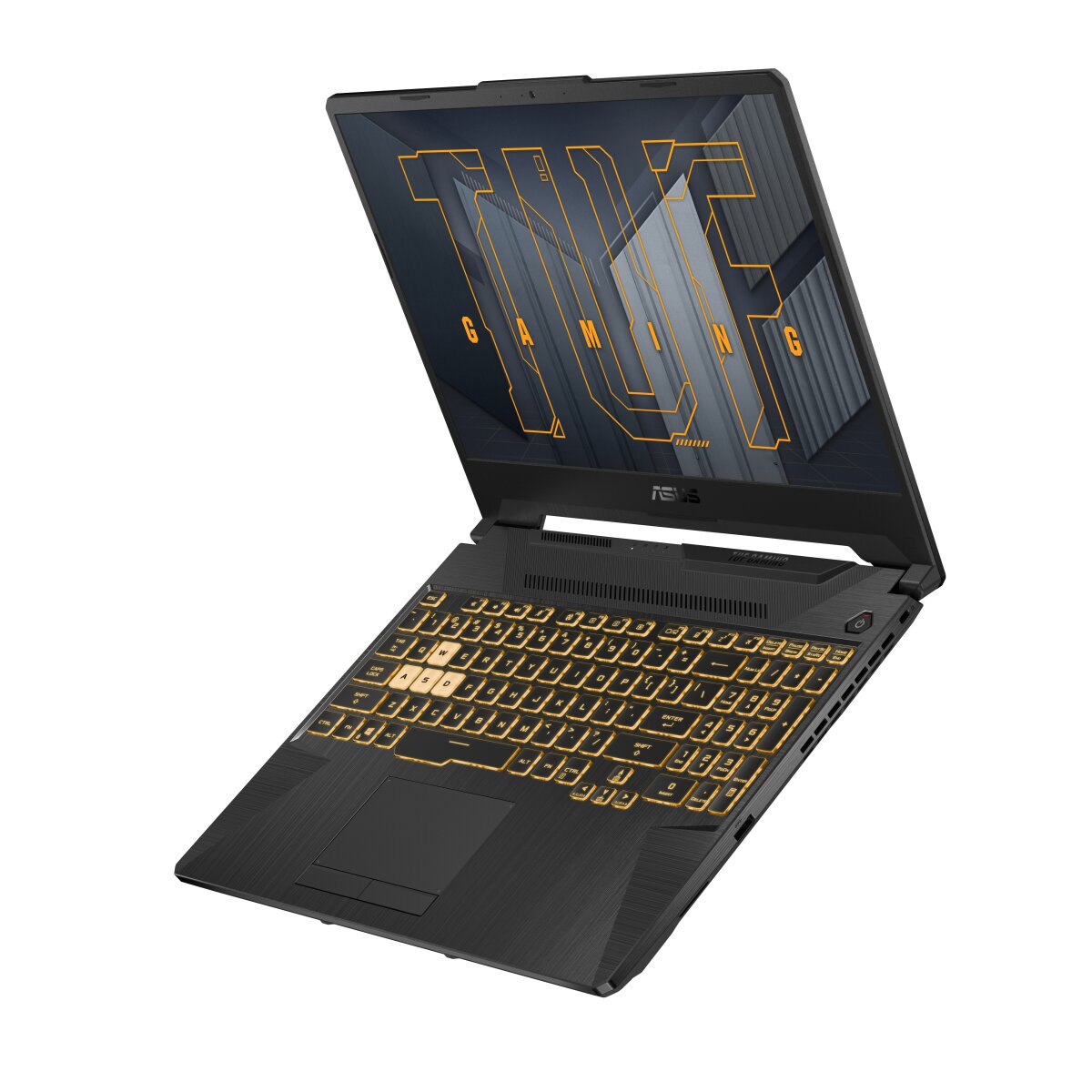
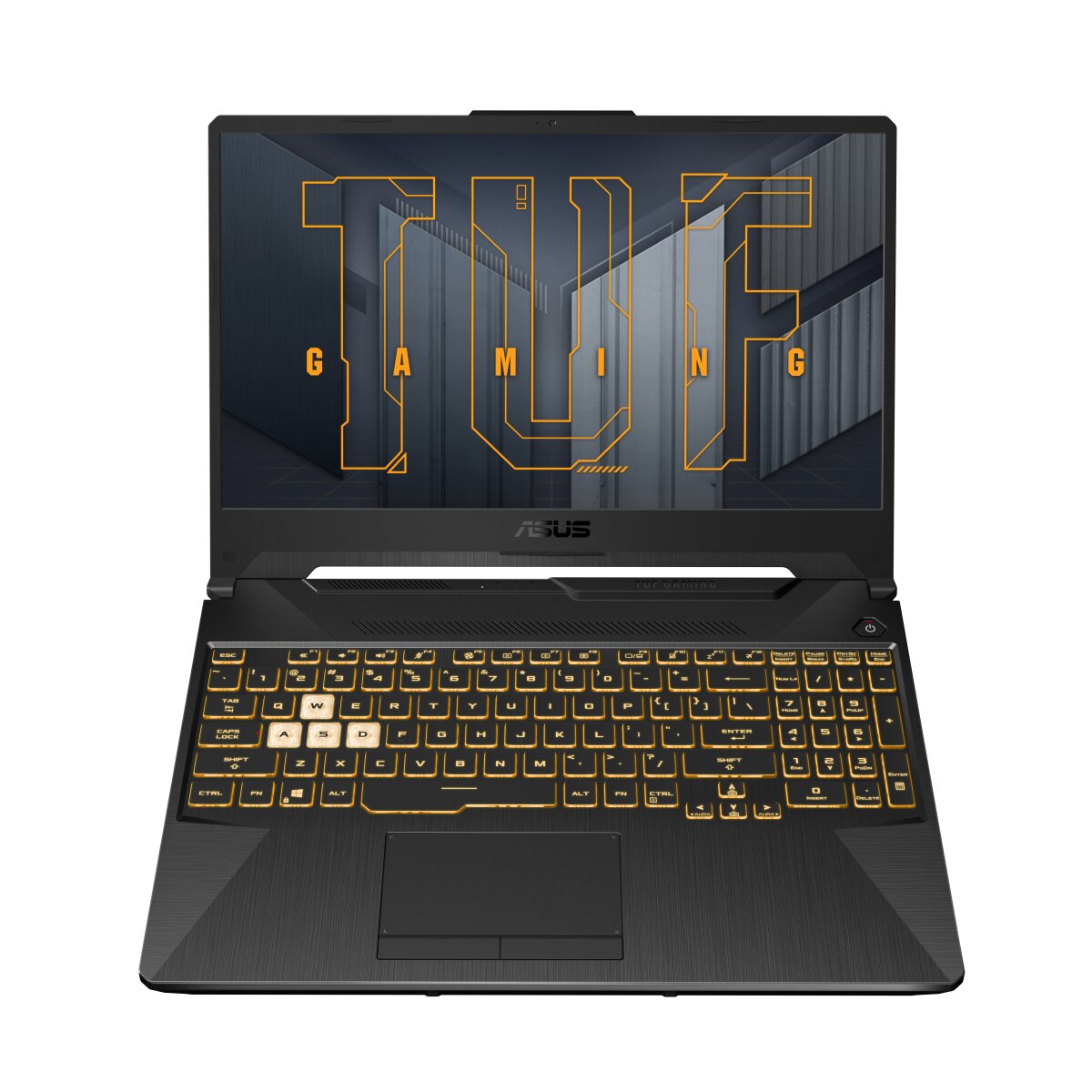
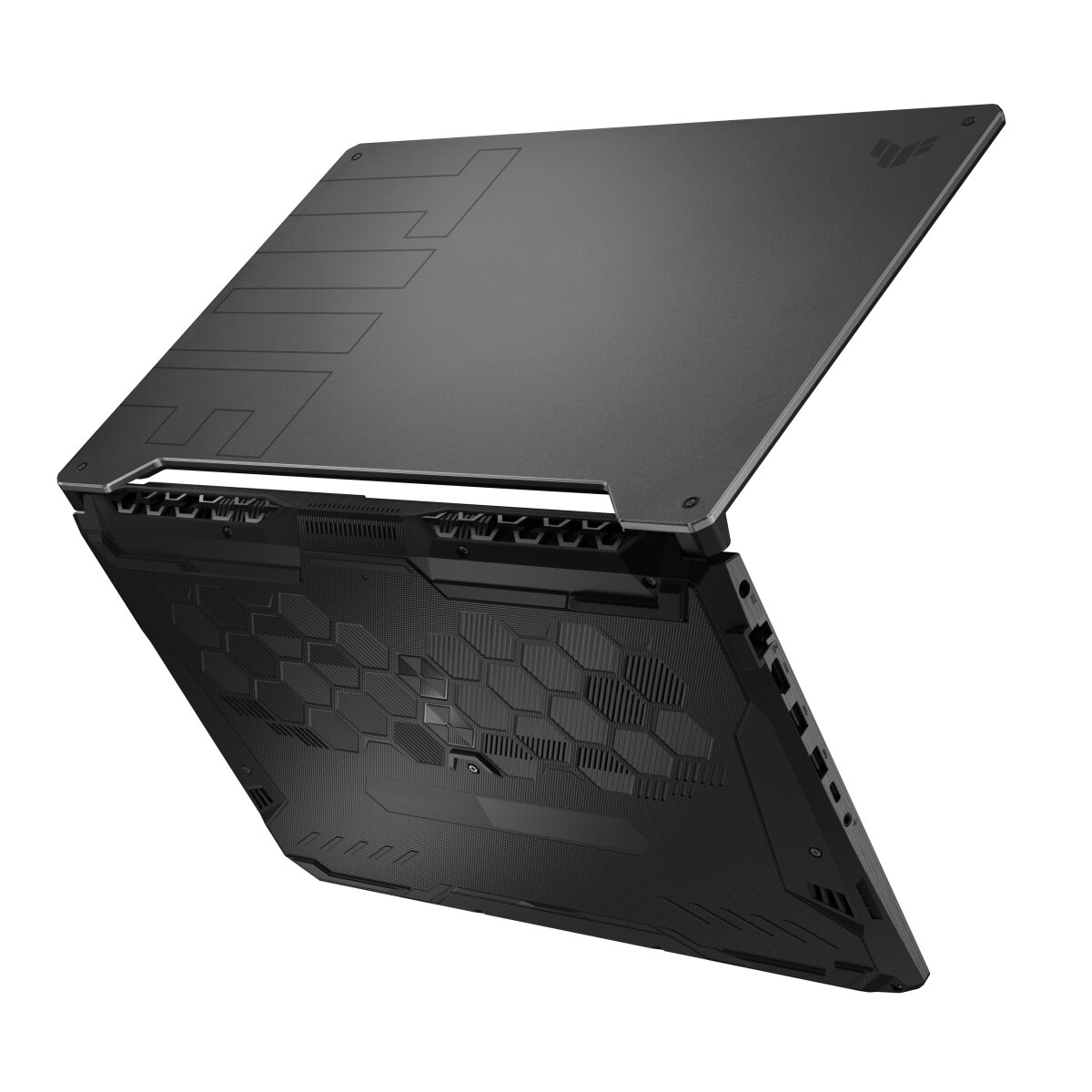
ASUS TUF Gaming F15 series model FX506HCB-HN188 supports DDR4-SDRAM memory upgrades. Specifications indicate 2x SO-DIMM slots with maximum RAM capacity of 32 GB total. Compatible memory operates at 3200 MHz frequency. Upgrade configurations allow installation of DDR4 SO-DIMM modules in available slots to enhance system memory specifications. Maximum supported memory capacity reaches 32 GB when both slots are populated with compatible DDR4-SDRAM modules at specified frequency ratings.
Memory Upgrade Specifications
| Specification | Value |
|---|---|
| Memory slots | 2x SO-DIMM |
| Form factor | SO-DIMM |
| Memory type | DDR4-SDRAM |
| Frequency | 3200 MHz |
| Maximum RAM | 32 GB |
| Voltage | 1.2V |
| Number of pins | 260-pin |
| Interface | PC4 |
| PC Speed Rating | PC4-3200 (PC4-25600) |
| Bandwidth | 25.6 GB/s |
| Laptop Release date | 31 December 2021 |
Additional Notes
- The ASUS TUF Gaming FX506HCB-HN188 features a dual-channel architecture that can deliver up to 51.2 GB/s theoretical memory bandwidth when both slots are populated with matching modules.
- Upgrading to the 32 GB ceiling requires installing two 16 GB modules, as the system lacks support for 32 GB single modules due to chipset addressing limitations.
- Mixing memory modules with different speeds will force all installed RAM to operate at the frequency of the slowest module, potentially downgrading from the native 3200 MHz specification.
- The 3200 MHz specification corresponds to DDR4-3200 or PC4-25600 labeling on retail modules, which must match to ensure proper POST and system stability.
- Single-channel configurations utilizing only one populated slot will halve memory bandwidth to approximately 25.6 GB/s, creating potential bottlenecks in GPU-intensive applications and gaming scenarios.
- SO-DIMM modules require a 260-pin connector and operate at 1.2V standard voltage, making desktop DIMM memory physically incompatible despite identical frequency ratings.
- Non-matching CAS latency timings between mixed modules may trigger automatic relaxation to higher latency values, reducing overall memory responsiveness even when frequencies match.
- The 32 GB maximum indicates an Intel 11th generation platform limitation, as the memory controller caps addressable space regardless of theoretical module availability.
- Accessing the SO-DIMM slots typically requires complete bottom panel removal, which may involve breaking factory seals that some regional warranty policies consider void indicators.
- Dual-rank modules can provide marginal performance improvements over single-rank equivalents at identical capacities and speeds, though compatibility varies by specific memory controller implementation.
- Upgrading beyond factory-installed capacity shifts RAM from OEM-validated configurations to user-installed hardware, potentially complicating technical support claims even when within specified limits.
- The DDR4-3200 speed represents JEDEC standard operation without XMP profiles, meaning advertised frequencies should function without BIOS modifications on this platform.