ASUS TUF Gaming FX506HCB-HN200T RAM upgrade specifications
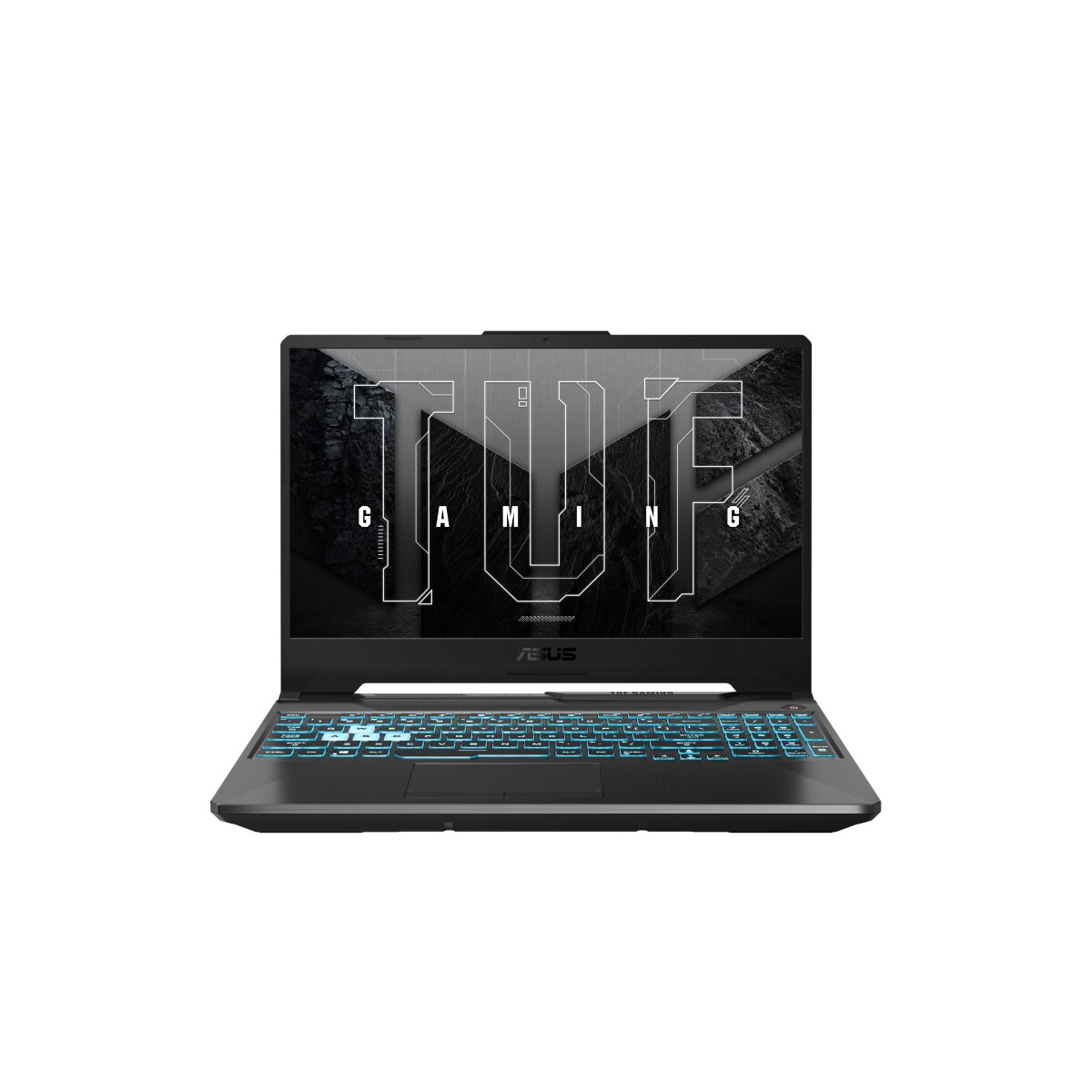
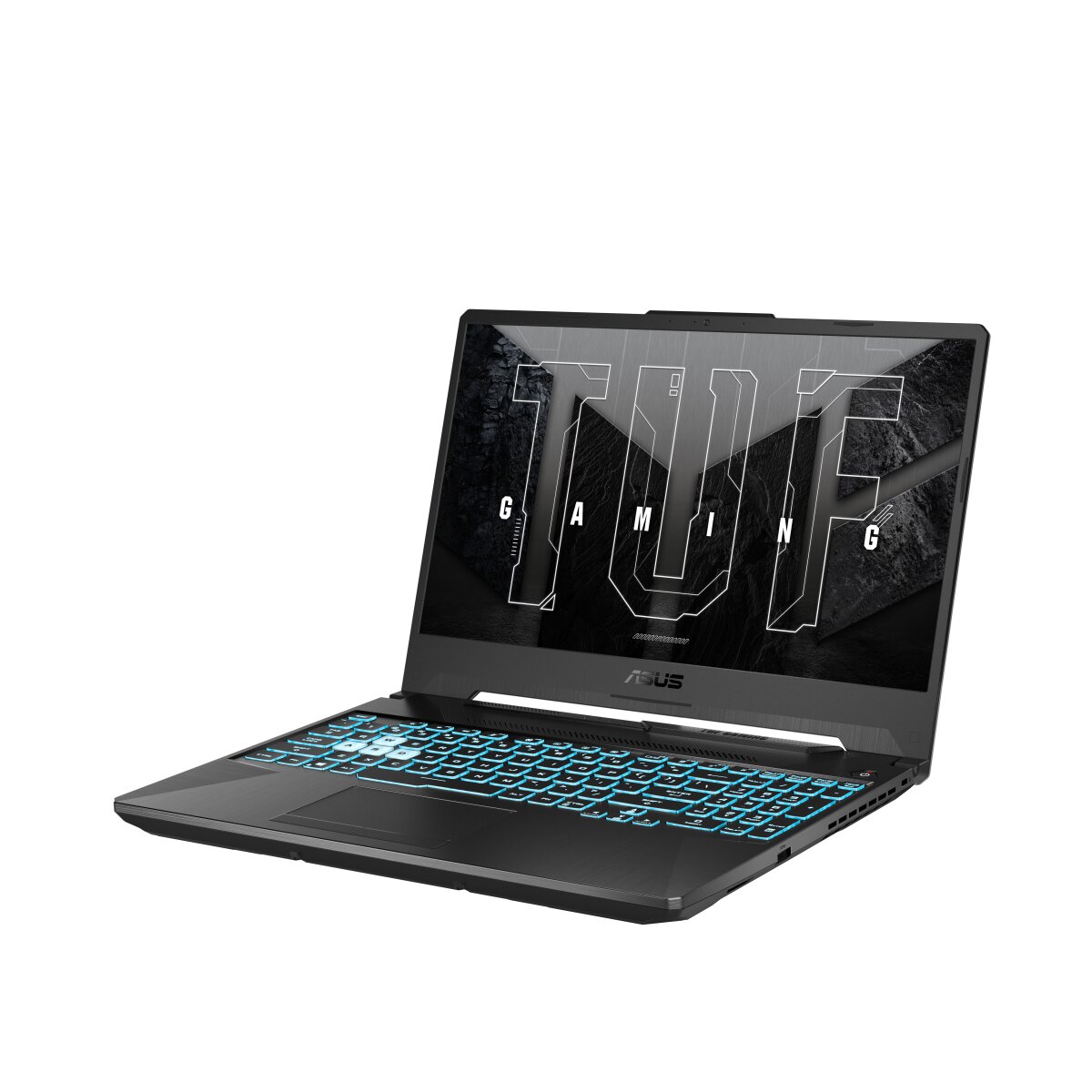
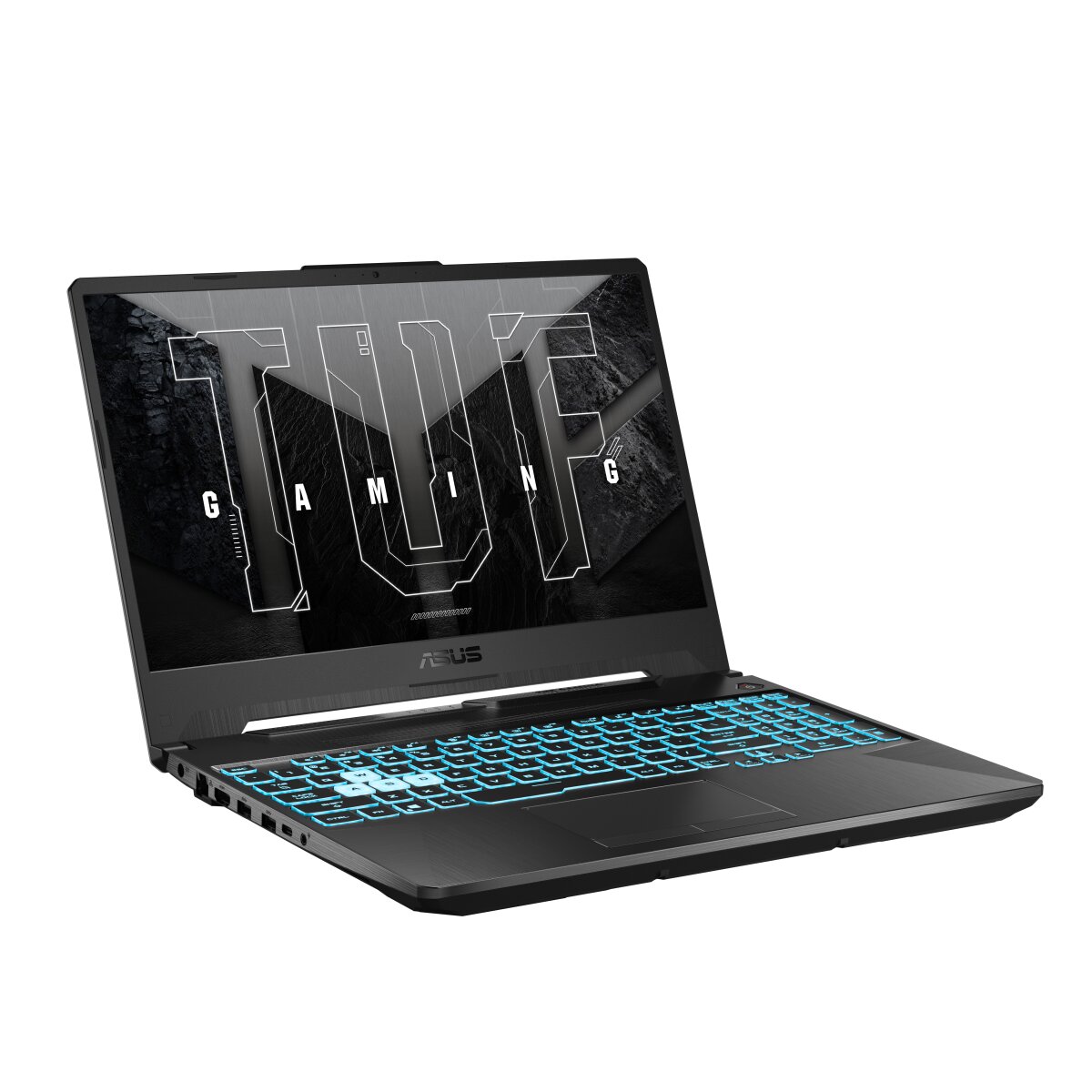
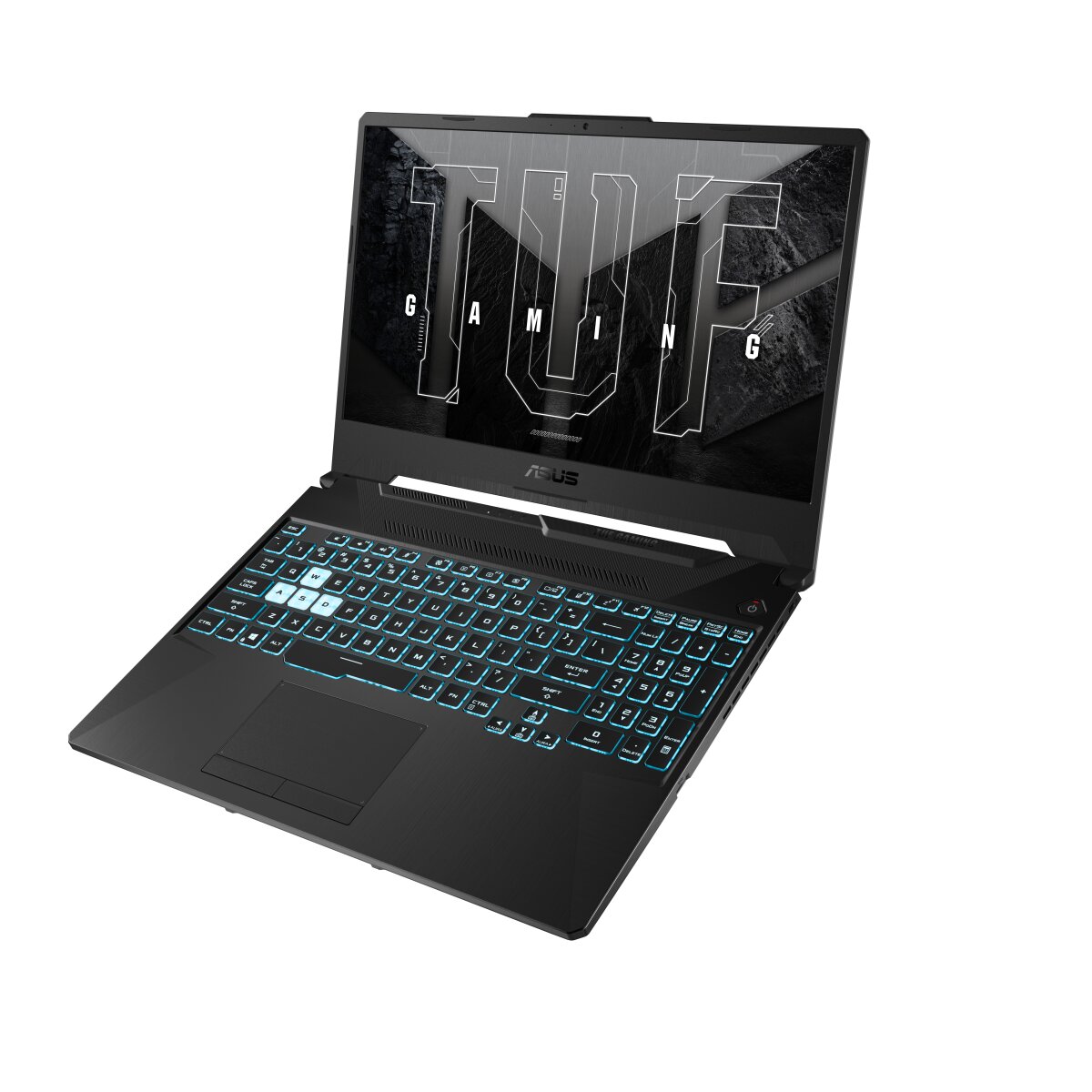
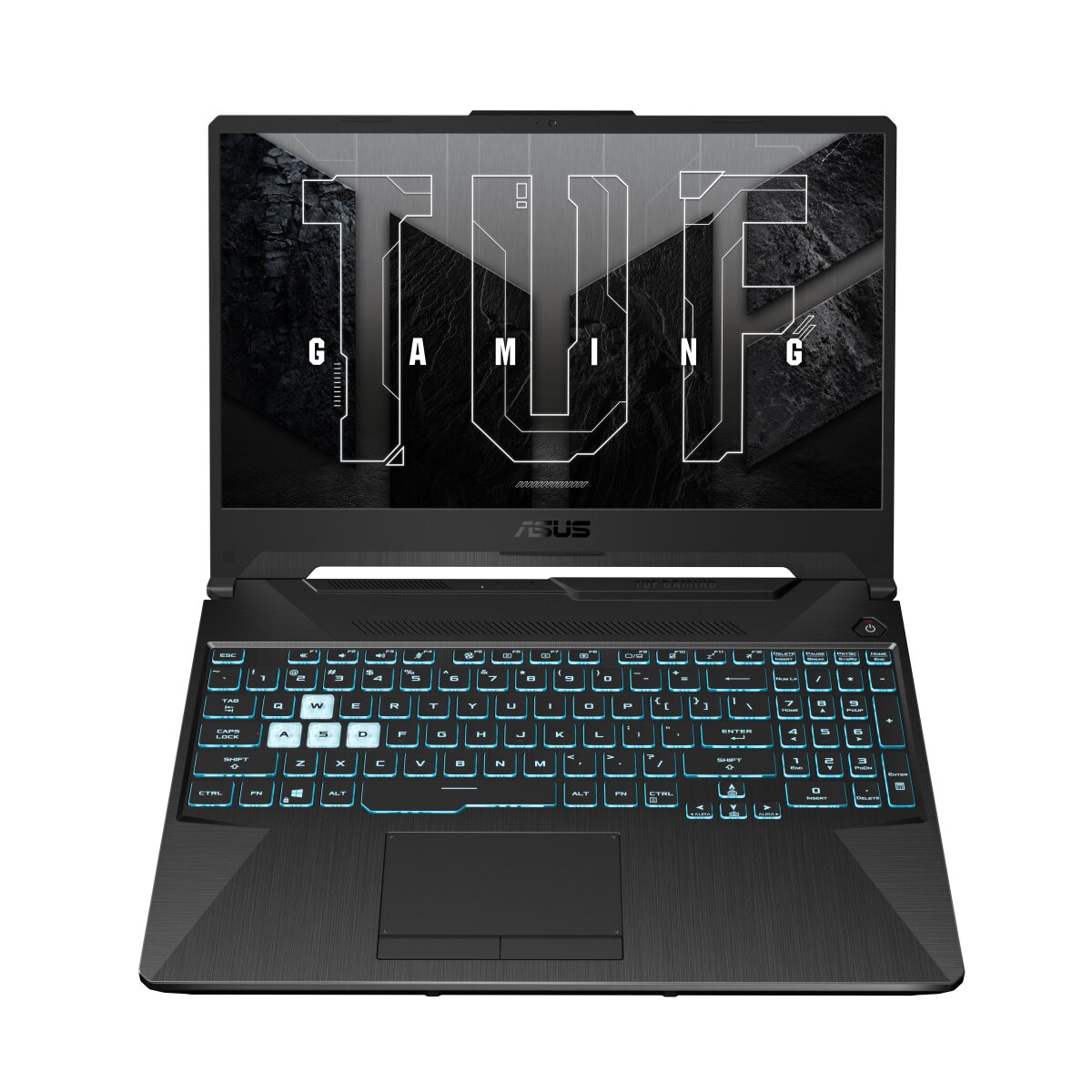
ASUS TUF Gaming F15 series model FX506HCB-HN200T supports DDR4-SDRAM memory upgrades. The laptop features 2x SO-DIMM slots for RAM expansion. Maximum compatible memory capacity reaches 32 GB total. Memory specifications require DDR4 modules operating at 3200 MHz frequency with SO-DIMM form factor. Upgrade configurations support various capacity combinations within maximum specifications. Compatible memory modules must meet DDR4-SDRAM standards and SO-DIMM physical specifications for proper installation in available slots.
Memory Upgrade Specifications
| Specification | Value |
|---|---|
| Memory slots | 2x SO-DIMM |
| Form factor | SO-DIMM |
| Memory type | DDR4-SDRAM |
| Frequency | 3200 MHz |
| Maximum RAM | 32 GB |
| Voltage | 1.2V |
| Number of pins | 260-pin |
| Interface | PC4 |
| PC Speed Rating | PC4-3200 (PC4-25600) |
| Bandwidth | 25.6 GB/s |
| Laptop Release date | 01 July 2021 |
Additional Notes
- The ASUS TUF Gaming FX506HCB-HN200T uses SO-DIMM slots, which are laptop-specific form factors incompatible with desktop DDR4 modules. Attempted installation of standard DIMM RAM will result in physical misalignment and hardware damage.
- DDR4-3200 MHz represents the rated speed ceiling. Modules exceeding this frequency may operate in downclocked mode or trigger BIOS compatibility issues, potentially reducing effective bandwidth by 5-15% compared to the rated specification.
- The 2-slot configuration with a 32 GB maximum capacity ceiling indicates each slot accepts a 16 GB module at maximum. Upgrading from factory single-channel or mismatched configurations to dual-channel symmetry (2x16 GB) will reduce latency and increase memory bandwidth efficiency by approximately 40-60% in multi-threaded workloads.
- SO-DIMM memory upgrades typically void manufacturer warranty unless performed through authorized service channels. Documentation verification prior to module purchase protects against warranty forfeiture for non-covered damage claims.
- Mixing DDR4 speed ratings within the 2 slots forces both modules to operate at the slowest frequency present. Pairing a 3200 MHz module with slower DDR4-2933 or DDR4-2666 RAM will cap system memory throughput to the lower speed, negating performance gains from the faster module.
- The 32 GB ceiling restricts long-term scalability for applications requiring sustained 40+ GB memory allocation. Users running virtual machines, 3D rendering software, or data science workloads may face hard limitations within 3-5 years as software memory footprints expand.