ASUS TUF Gaming FX506HE-HN001T RAM upgrade specifications
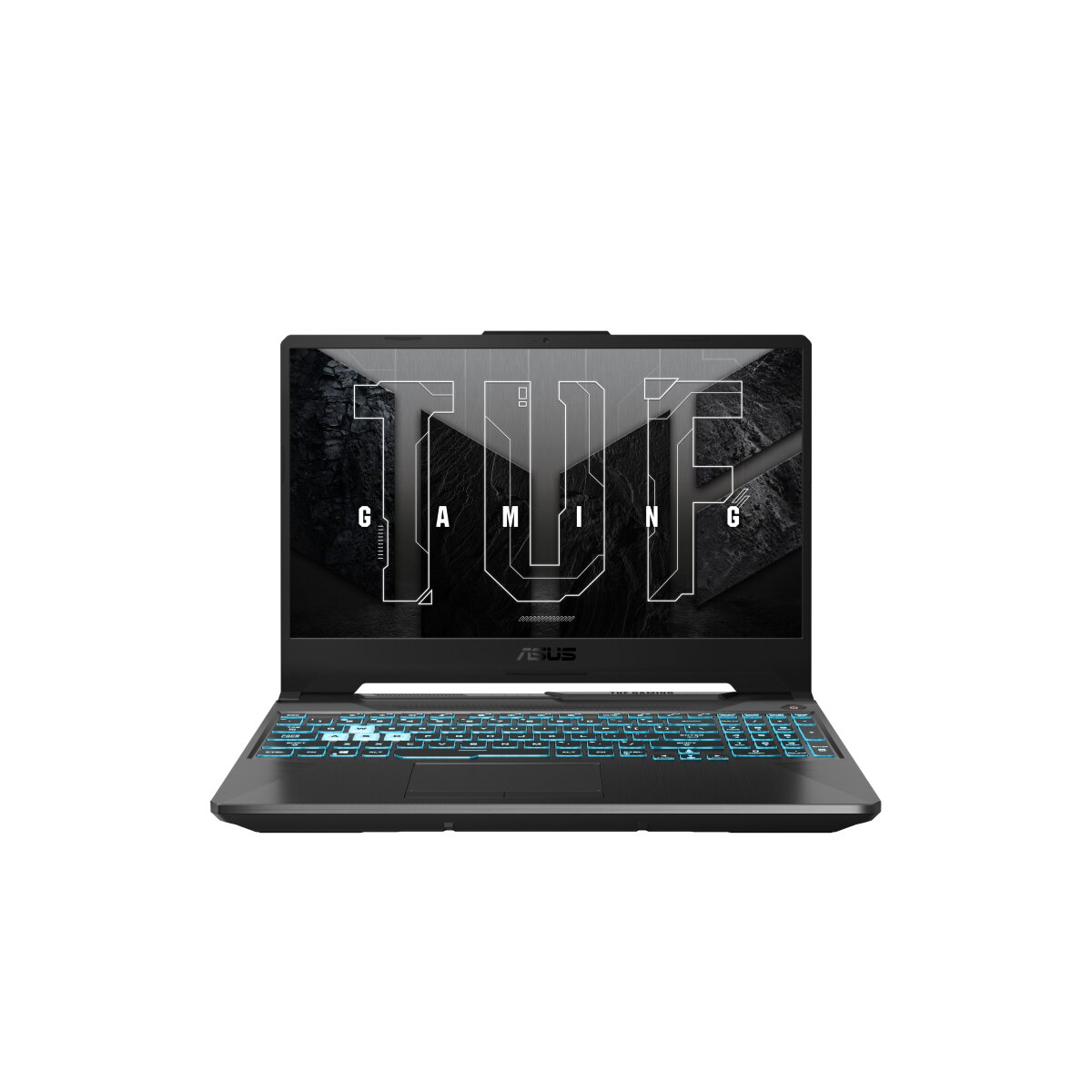


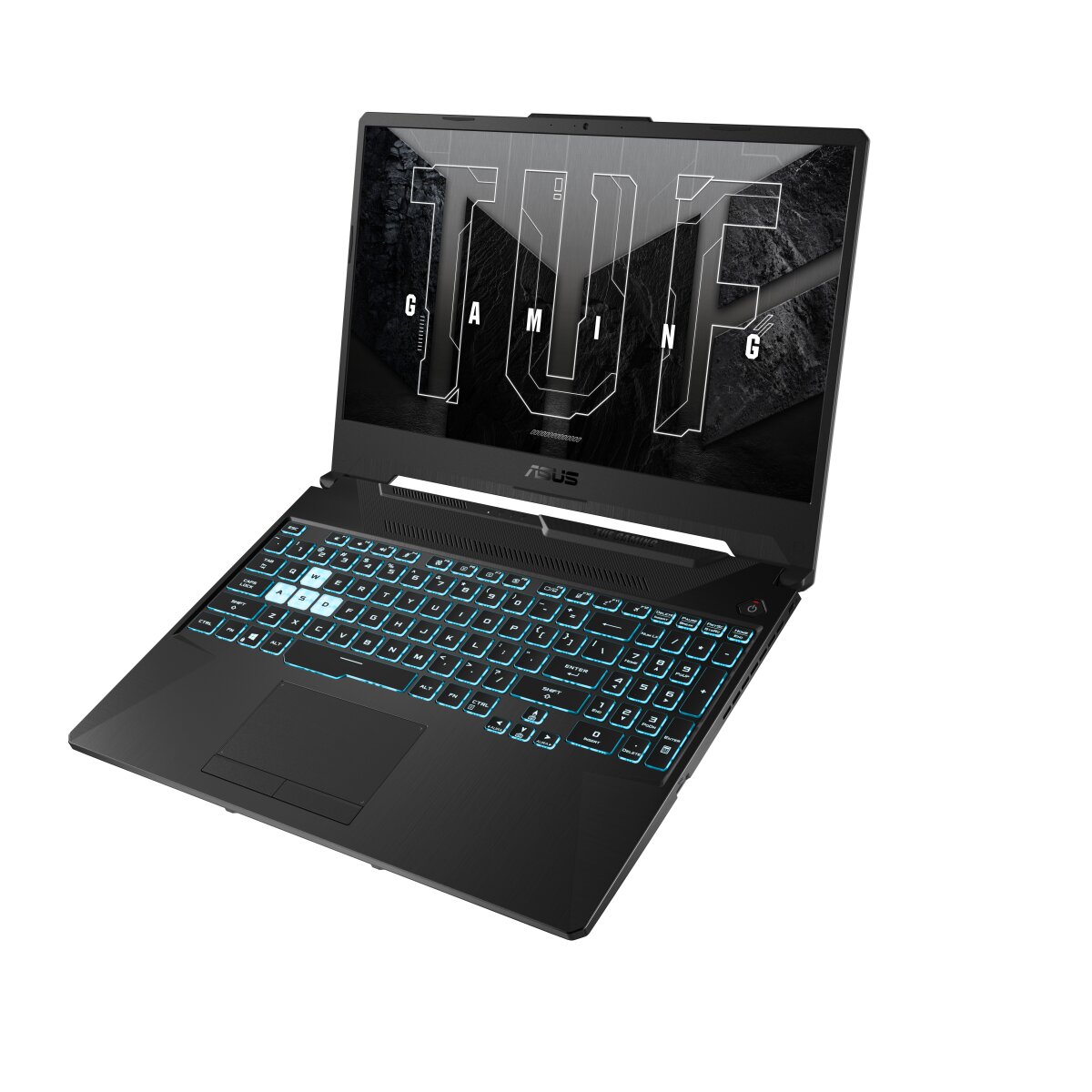

The ASUS TUF Gaming F15 FX506HE-HN001T features two SO-DIMM slots for DDR4-SDRAM memory upgrade capabilities. Maximum RAM capacity reaches 32 GB total, supporting DDR4-3200 MHz specifications. Compatible memory modules utilize SO-DIMM form factor, standard for laptop RAM configurations. Upgrade slots accommodate individual modules up to 16 GB capacity per slot, allowing flexible memory expansion configurations for enhanced system performance specifications.
Memory Upgrade Specifications
| Specification | Value |
|---|---|
| Memory slots | 2x SO-DIMM |
| Form factor | SO-DIMM |
| Memory type | DDR4-SDRAM |
| Frequency | 3200 MHz |
| Maximum RAM | 32 GB |
| Voltage | 1.2V |
| Number of pins | 260-pin |
| Interface | PC4 |
| PC Speed Rating | PC4-3200 (PC4-25600) |
| Bandwidth | 25.6 GB/s |
| Laptop Release date | 07 June 2021 |
Additional Notes
- The ASUS TUF Gaming FX506HE-HN001T relies on DDR4 technology, which means DDR5 modules will not physically or electrically interface with the existing memory controller, regardless of speed or capacity ratings.
- Both SO-DIMM slots support dual-channel operation when populated with matched capacity modules, effectively doubling memory bandwidth from approximately 25.6 GB/s in single-channel to 51.2 GB/s in dual-channel configuration.
- The 32 GB ceiling derives from chipset limitations rather than slot count, restricting maximum module density to 16 GB per slot even when higher-capacity modules become available.
- Operating frequency depends on JEDEC SPD profiles rather than XMP, as mobile platforms typically lock memory multipliers, making advertised speeds beyond 3200 MHz incompatible without BIOS support.
- Mixing modules with different CAS latencies forces the memory controller to adopt the slower timing across both channels, potentially degrading performance below single-module baseline in latency-sensitive workloads.
- Standard 1.2V DDR4 SO-DIMMs maintain compatibility, while low-voltage variants or modules requiring 1.35V may trigger POST failures or throttle to lower frequencies depending on firmware voltage regulation.
- Accessing the SO-DIMM slots requires bottom panel removal, which may void warranty seals on certain regional models where manufacturer service policies prohibit user-serviceable RAM installation.
- Non-matching rank configurations between slots, such as pairing single-rank with dual-rank modules, can cause asymmetric channel population that disables dual-channel mode on one or both modules.
- Heat dissipation becomes critical above 16 GB total capacity, as denser modules generate additional thermal output in the confined SO-DIMM cavity, potentially triggering memory thermal throttling during sustained workloads.
- The 3200 MHz specification represents the maximum supported JEDEC standard speed, meaning modules rated at 2933 MHz or 2666 MHz will function but underutilize available bandwidth headroom.