ASUS TUF Gaming FX506HCB-HN314W RAM upgrade specifications

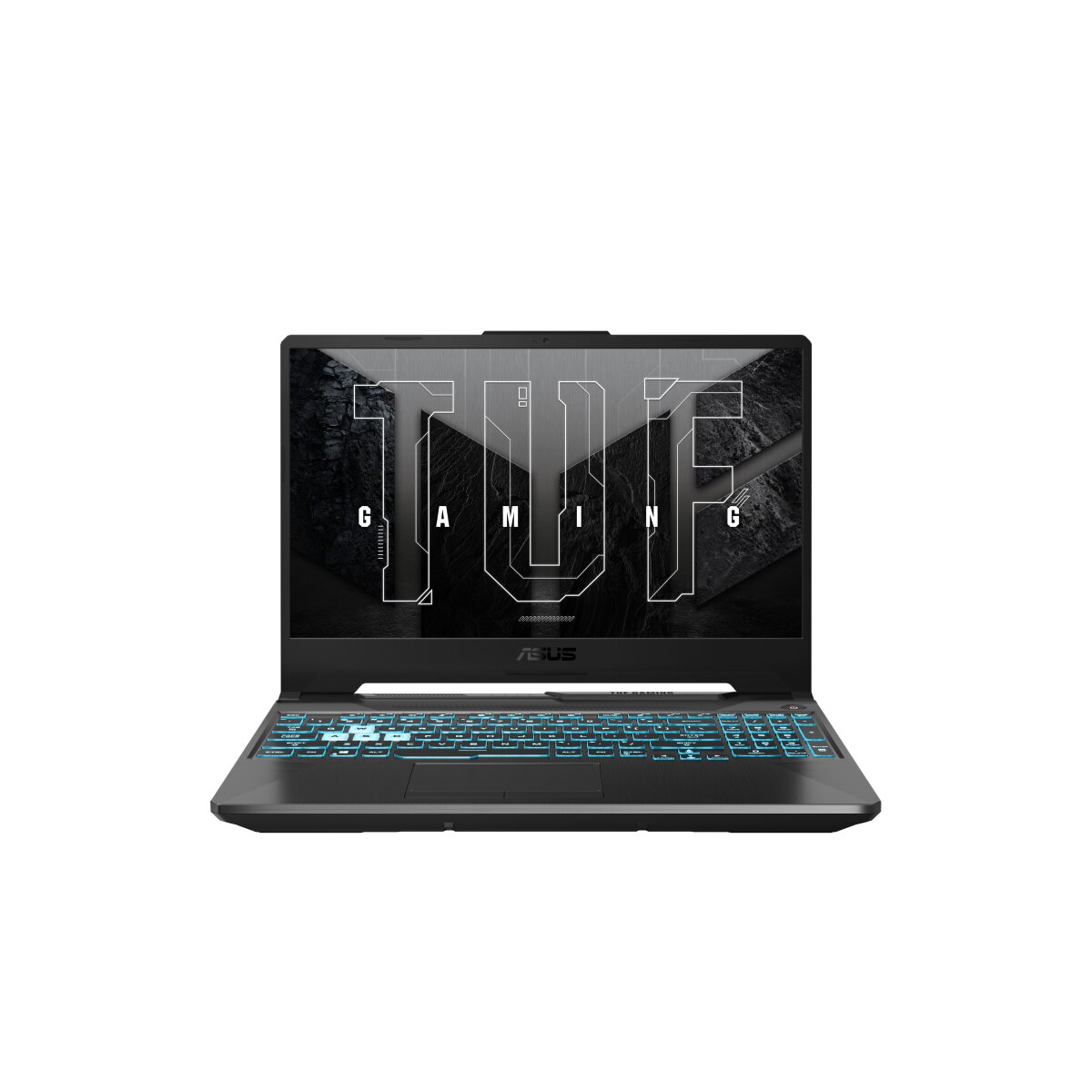
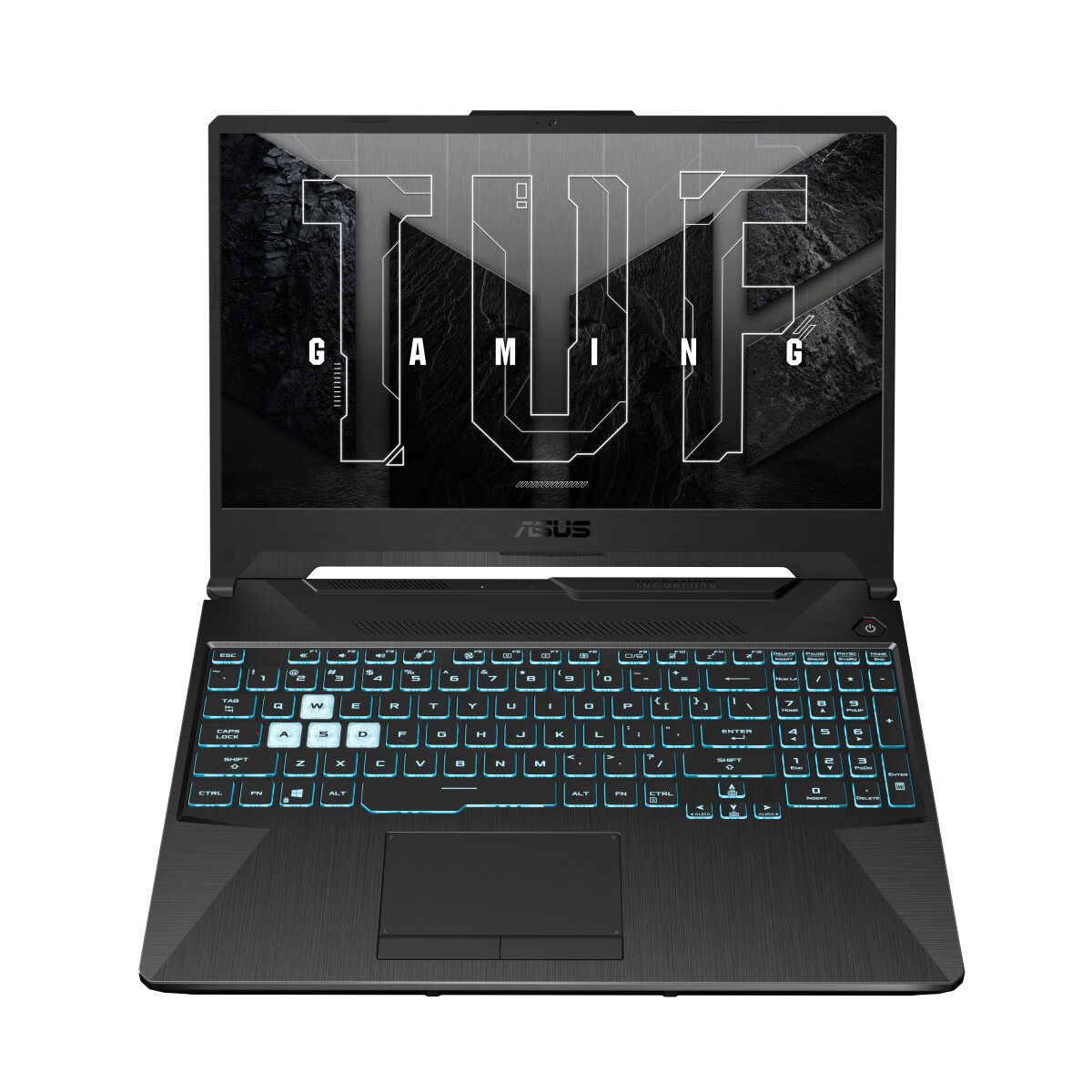
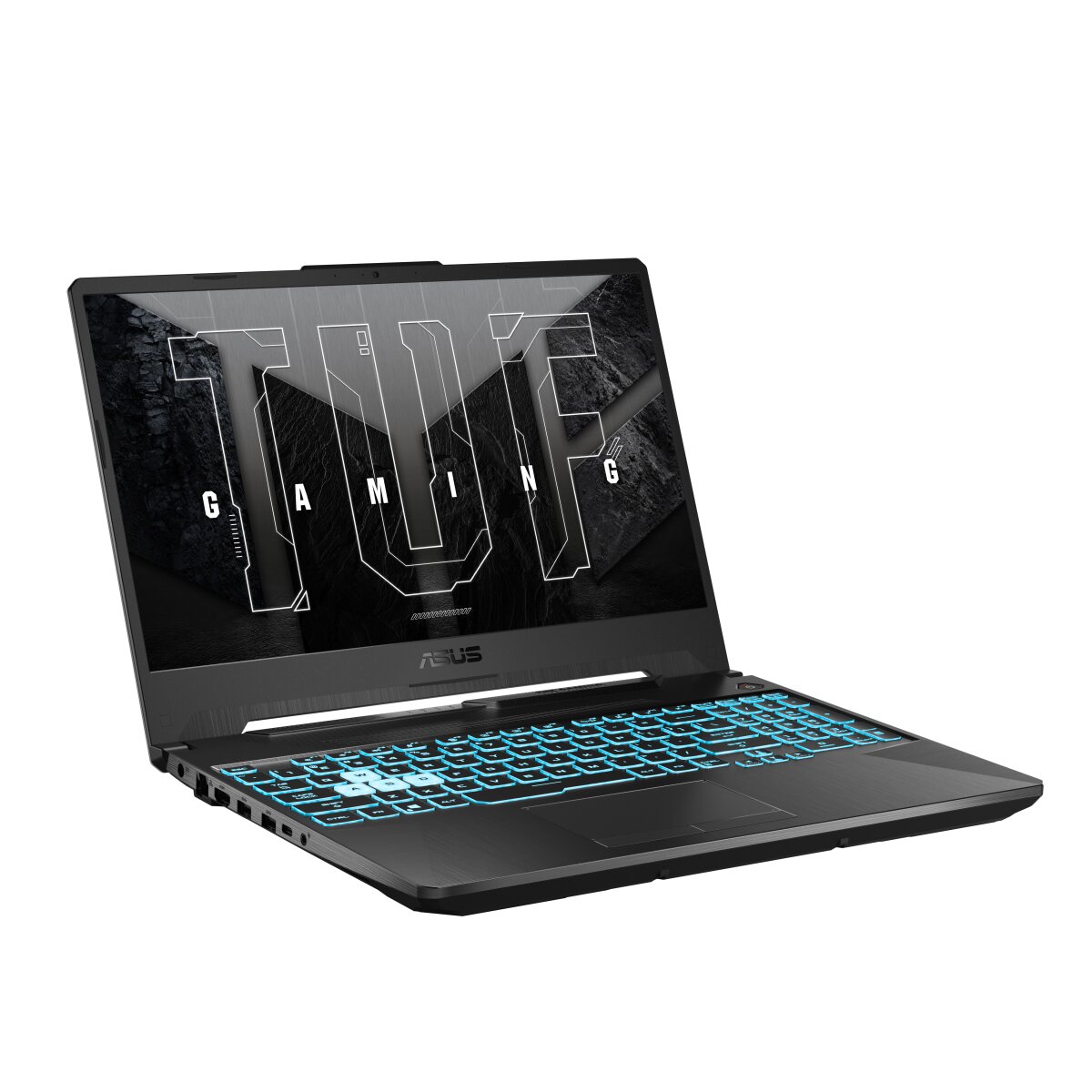
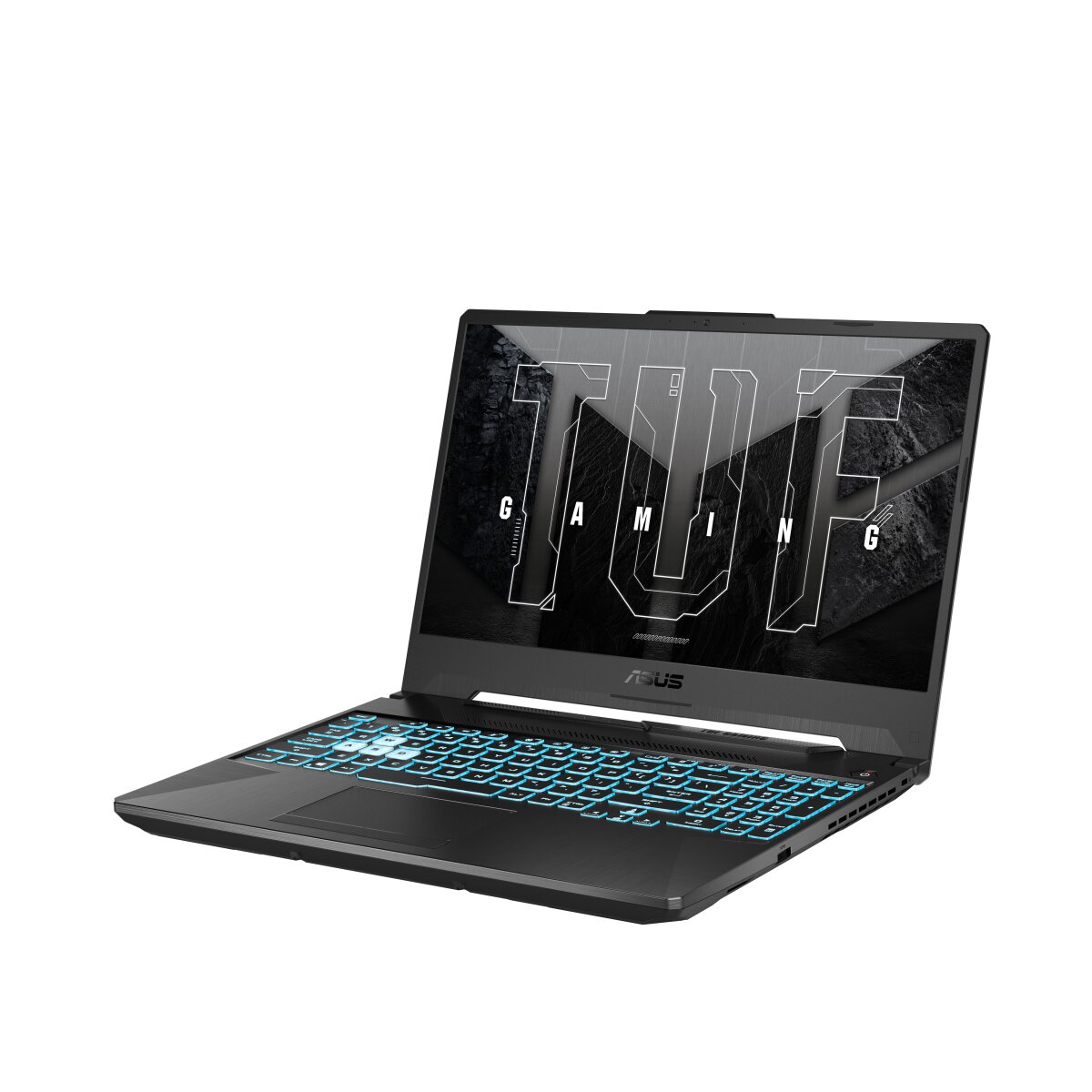
ASUS TUF Gaming F15 FX506HCB-HN314W laptop RAM upgrade specifications detail DDR4-SDRAM memory compatibility. The system features two SO-DIMM slots supporting maximum upgrade capacity of 32 GB total memory. Compatible DDR4 modules operate at 3200 MHz frequency. Current specifications indicate SO-DIMM form factor memory for this gaming laptop model. RAM upgrade options enable users to increase system memory through available slot configuration for enhanced multitasking and performance capabilities.
Memory Upgrade Specifications
| Specification | Value |
|---|---|
| Memory slots | 2x SO-DIMM |
| Form factor | SO-DIMM |
| Memory type | DDR4-SDRAM |
| Frequency | 3200 MHz |
| Maximum RAM | 32 GB |
| Voltage | 1.2V |
| Number of pins | 260-pin |
| Interface | PC4 |
| PC Speed Rating | PC4-3200 (PC4-25600) |
| Bandwidth | 25.6 GB/s |
| Laptop Release date | 04 February 2022 |
Additional Notes
- The ASUS TUF Gaming FX506HCB-HN314W contains 2 SO-DIMM slots, meaning both memory modules must be replaced simultaneously to upgrade beyond the factory configuration, as single-slot upgrades leave one slot populated and one empty.
- DDR4-3200 MHz represents the baseline memory speed; faster DDR4 modules (3600 MHz or higher) will operate at 3200 MHz due to the platform's memory controller ceiling, eliminating performance gains from premium-speed modules.
- The 32 GB maximum capacity ceiling accommodates only 2x16 GB modules, making 8 GB and 16 GB single modules the only warranty-safe upgrade options without requiring complete memory replacement.
- SO-DIMM memory requires laptop-specific modules rather than standard desktop DDR4 modules; attempting desktop UDIMM installation results in physical incompatibility and potential socket damage.
- Dual-channel memory architecture depends on matched module capacity; mismatched configurations (such as 8 GB paired with 16 GB) operate in asymmetrical mode, reducing bandwidth efficiency compared to identical paired modules.
- The 3200 MHz specification reflects JEDEC standard timing; non-standard timing profiles or overclocked modules may require manual BIOS configuration beyond factory defaults and could void manufacturer coverage.